Guys, I’m an idiot. All this time I’ve spent trying not to die, I had toxic turf in my backyard. Artificial turf contains crumb rubber infill made from recycled tires, which leaches chemicals including PFAS, heavy metals, and polycyclic aromatic hydrocarbons. These compounds are linked to hormone disruption, carcinogenicity, and systemic inflammation.
I don’t know how I missed it. It makes me question my basic competence in life.
What gets me is that I try so hard to survey the world of potential idiocy. Then I find out there’s a monument to idiocy sitting right in front of my face that I was blind to.
I’m removing the turf, yet I’m still stuck with this seemingly unsolvable problem of how to not be an idiot.
Oil companies in the West: still debating whether EVs are viable.
Oil companies in China: building charging hubs the size of fuel terminals.
Shell’s biggest EV station on Earth:
📍 Shenzhen
⚡ 258 fast chargers
The future isn’t waiting for Western think tanks. #Bettrification
More than three million pages from the Epstein files released.
Raped
Cannibalized
Trafficked
Filmed
Terrorized
Murdered
13, 14, 15 year children!
Remember: this is a minority of the files. This’s just what they were willing to release
Not a single arrest or investigation. ZERO
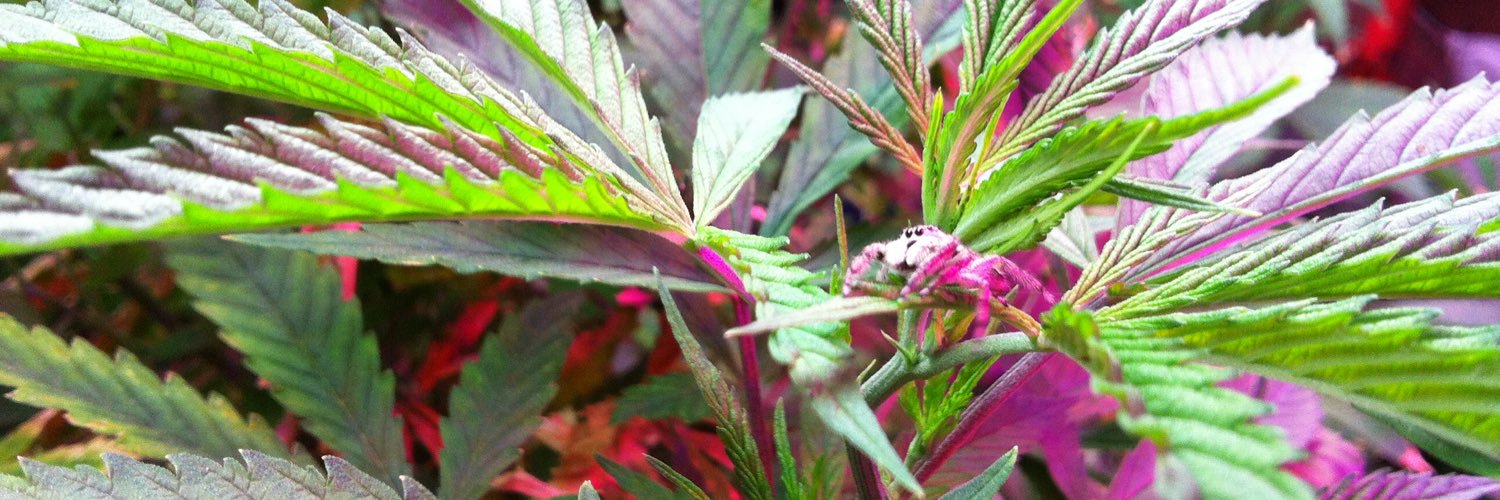
Scientists have resurrected "extinct" enzymes from ancient cannabis ancestors that lived millions of years ago, opening the door to more powerful anti-inflammatory treatments and dramatically cheaper drug production.
A team at Wageningen University in the Netherlands used ancestral sequence reconstruction—a cutting-edge technique that reconstructs the genetic history of a species—to revive long-lost enzymes from the prehistoric relatives of the cannabis plant.
Unlike modern cannabis, which relies on highly specialized enzymes to produce specific cannabinoids such as THC or CBD, these ancient enzymes were remarkably versatile ("promiscuous"). They could generate a wide range of cannabinoids at once, revealing how early cannabis plants likely evolved sophisticated chemical defenses against ancient pests and diseases.
The breakthrough has major implications for medicine and biotechnology. One resurrected enzyme proved exceptionally efficient at producing CBC (cannabichromene)—a cannabinoid prized for its potent anti-inflammatory effects but scarce in today's strains. By reintroducing these ancient genes into modern plants or using them in microbial fermentation systems, researchers aim to develop far more efficient, scalable, and cost-effective ways to produce therapeutic cannabinoids.
This work not only sheds new light on the evolutionary origins of cannabinoids but also provides a powerful new toolkit for engineering the next generation of affordable, high-potency plant-derived medicines.
[Villard C, Baser I, van de Peppel AC, Cankar K, Schranz ME, van Velzen R., "Resurrected Ancestral Cannabis Enzymes Unveil the Origin and Functional Evolution of Cannabinoid Synthases", Plant Biotechnology Journal. 2025 Dec 26. Advance online publication. DOI: 10.1111/pbi.70475]
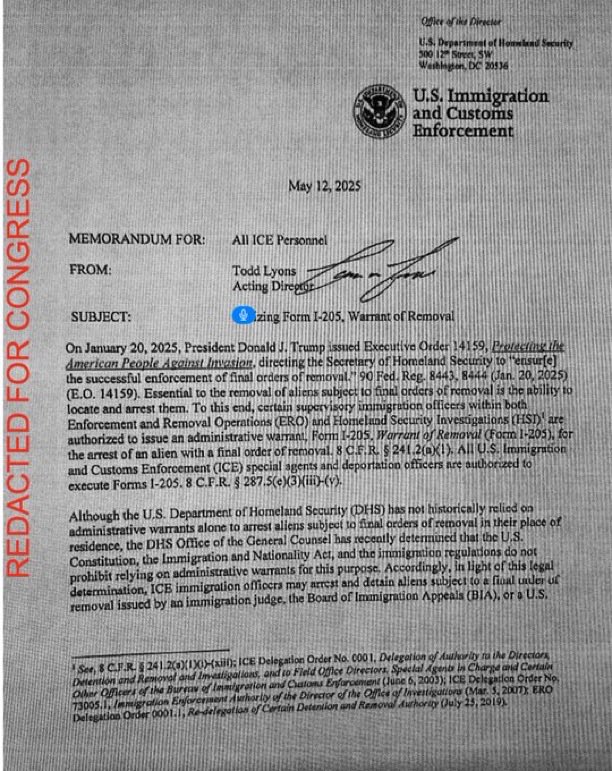
🚨 BREAKING: The Trump administration just greenlit warrantless home invasions.
The Associated Press obtained a leaked ICE memo ordering agents they can FORCE ENTRY into homes using only an internal ICE “Warrant of Removal” (Form I-205) even WITHOUT a judge’s warrant.
That’s not law enforcement. That’s the Fourth Amendment getting shredded in real time.
Psilocybin made human cells live 50% longer.
A new study has uncovered surprising anti-aging potential in psilocin—the active metabolite produced when the body breaks down psilocybin, the psychoactive compound found in magic mushrooms.
In laboratory experiments, researchers exposed two human cell lines (skin fibroblasts and fetal lung fibroblasts) to a 100 μM concentration of psilocin. The results were striking: lung cells took 57% longer to reach replicative senescence (the point at which cells permanently stop dividing and accumulate damage), while skin fibroblasts extended their replicative lifespan by 51%.
These findings suggest psilocin may slow fundamental cellular aging processes, possibly by lowering oxidative stress, enhancing DNA-repair pathways, supporting mitochondrial health, or dampening chronic inflammation—mechanisms that overlap with those targeted by leading experimental longevity drugs.
The benefits extended beyond cell culture. In aged female mice (19 months old at the start, equivalent to approximately 60–65 human years), a single monthly dose of psilocybin dramatically improved outcomes. After 10 months of treatment, 80% of the psilocybin-treated animals remained alive, compared with only 50% of untreated controls. Treated mice also displayed markedly fewer visible signs of aging, including reduced fur loss and graying.
This research marks the first direct demonstration that psilocybin/psilocin can influence biological aging itself, rather than solely producing psychological effects. The authors emphasize that the study used relatively conservative dosing and are now advocating for follow-up work with higher or more frequent administration, detailed assessments of immune, metabolic, and cognitive function, and investigations into whether the extended lifespan corresponds to genuine improvements in healthspan and quality of life.
["Psilocybin treatment extends cellular lifespan and improves survival of aged mice." npj Aging, 2025]







![Rainmaker1973's tweet photo. Scientists have resurrected "extinct" enzymes from ancient cannabis ancestors that lived millions of years ago, opening the door to more powerful anti-inflammatory treatments and dramatically cheaper drug production.
A team at Wageningen University in the Netherlands used ancestral sequence reconstruction—a cutting-edge technique that reconstructs the genetic history of a species—to revive long-lost enzymes from the prehistoric relatives of the cannabis plant.
Unlike modern cannabis, which relies on highly specialized enzymes to produce specific cannabinoids such as THC or CBD, these ancient enzymes were remarkably versatile ("promiscuous"). They could generate a wide range of cannabinoids at once, revealing how early cannabis plants likely evolved sophisticated chemical defenses against ancient pests and diseases.
The breakthrough has major implications for medicine and biotechnology. One resurrected enzyme proved exceptionally efficient at producing CBC (cannabichromene)—a cannabinoid prized for its potent anti-inflammatory effects but scarce in today's strains. By reintroducing these ancient genes into modern plants or using them in microbial fermentation systems, researchers aim to develop far more efficient, scalable, and cost-effective ways to produce therapeutic cannabinoids.
This work not only sheds new light on the evolutionary origins of cannabinoids but also provides a powerful new toolkit for engineering the next generation of affordable, high-potency plant-derived medicines.
[Villard C, Baser I, van de Peppel AC, Cankar K, Schranz ME, van Velzen R., "Resurrected Ancestral Cannabis Enzymes Unveil the Origin and Functional Evolution of Cannabinoid Synthases", Plant Biotechnology Journal. 2025 Dec 26. Advance online publication. DOI: 10.1111/pbi.70475]](https://pbs.twimg.com/media/G_NHegFWgAArfYf.jpg)

![Rainmaker1973's tweet photo. Psilocybin made human cells live 50% longer.
A new study has uncovered surprising anti-aging potential in psilocin—the active metabolite produced when the body breaks down psilocybin, the psychoactive compound found in magic mushrooms.
In laboratory experiments, researchers exposed two human cell lines (skin fibroblasts and fetal lung fibroblasts) to a 100 μM concentration of psilocin. The results were striking: lung cells took 57% longer to reach replicative senescence (the point at which cells permanently stop dividing and accumulate damage), while skin fibroblasts extended their replicative lifespan by 51%.
These findings suggest psilocin may slow fundamental cellular aging processes, possibly by lowering oxidative stress, enhancing DNA-repair pathways, supporting mitochondrial health, or dampening chronic inflammation—mechanisms that overlap with those targeted by leading experimental longevity drugs.
The benefits extended beyond cell culture. In aged female mice (19 months old at the start, equivalent to approximately 60–65 human years), a single monthly dose of psilocybin dramatically improved outcomes. After 10 months of treatment, 80% of the psilocybin-treated animals remained alive, compared with only 50% of untreated controls. Treated mice also displayed markedly fewer visible signs of aging, including reduced fur loss and graying.
This research marks the first direct demonstration that psilocybin/psilocin can influence biological aging itself, rather than solely producing psychological effects. The authors emphasize that the study used relatively conservative dosing and are now advocating for follow-up work with higher or more frequent administration, detailed assessments of immune, metabolic, and cognitive function, and investigations into whether the extended lifespan corresponds to genuine improvements in healthspan and quality of life.
["Psilocybin treatment extends cellular lifespan and improves survival of aged mice." npj Aging, 2025]](https://pbs.twimg.com/media/G_HIgWFXsAAtd5Y.png)


