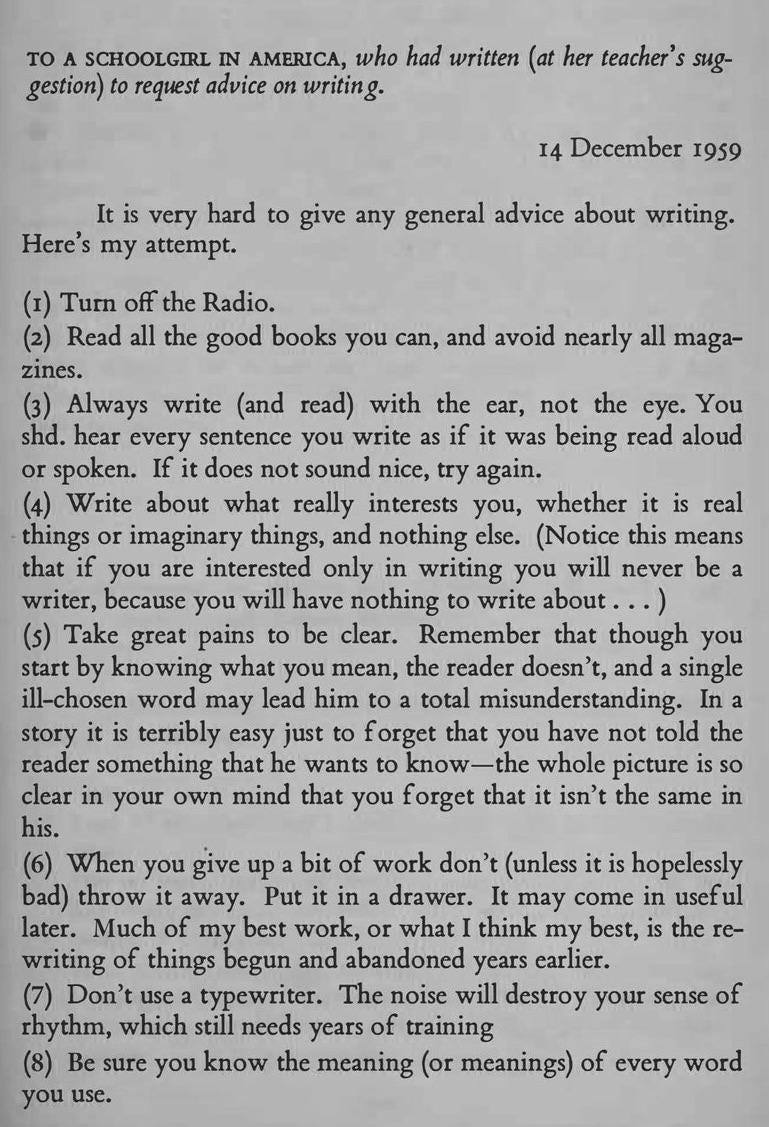
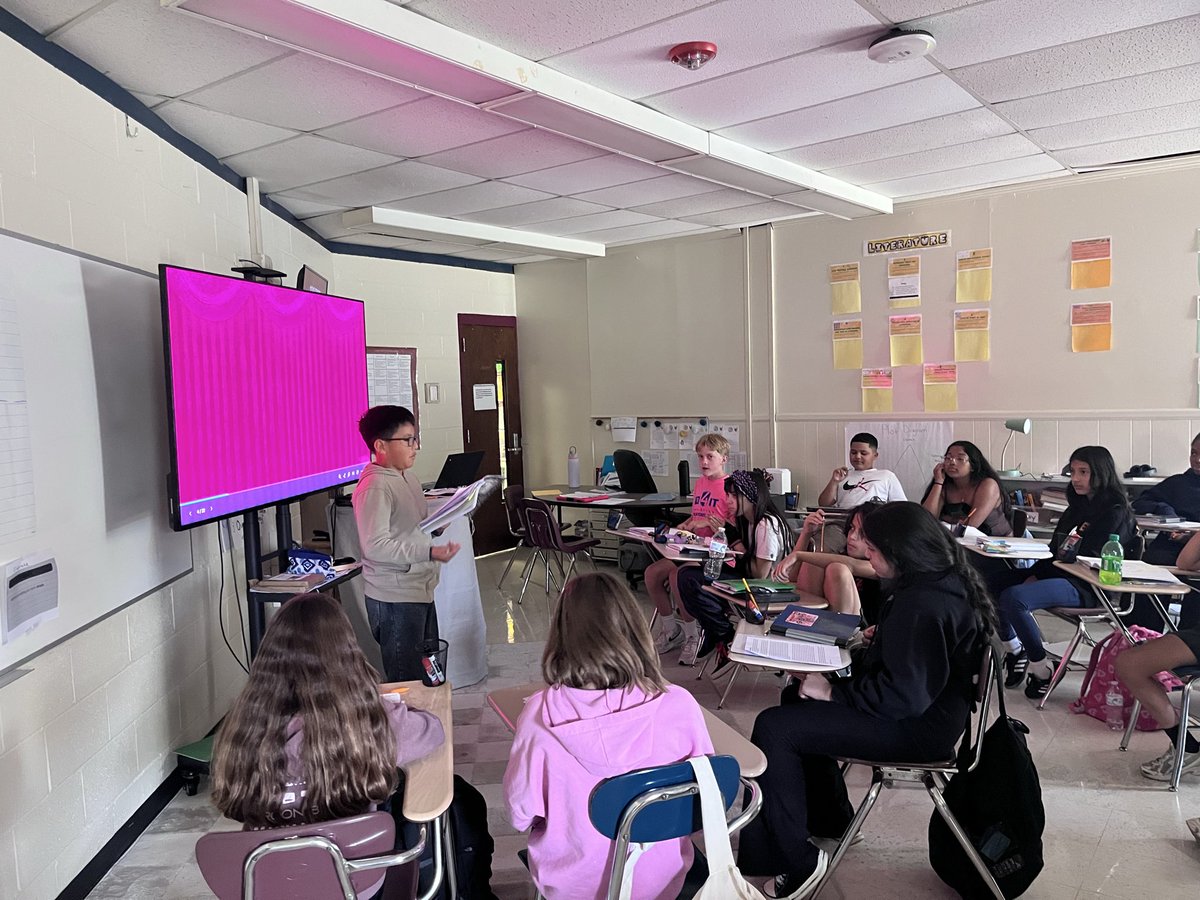
This. This my “why.” 🙌🏻
This is the motivation behind all of the books, podcasts, ideas, conversations, and research I’ve been doing this summer so that my 7th graders have a fighting chance when we walk back into the building in August. #knowbetterdobetter@ThinkReadHQ
@smorrisey 100% agree. Everyone wants to be that teacher with the good scores on state assessments, but the temptation to become that is too often teaching test prep and strategies not literacy skills students actually need.
And this is why I’m loving The Word Mapping project by @smorrisey. Words from our units have appeared in class novel studies as well as in students’ own independent reading. They’re ecstatic when they see the words show up because they immediately understand the context.
🧠 “The more you know about a word…the faster you will read and comprehend words and stories.” — Dr. Maryanne Wolf
From today's #KnowledgeMatters webinar: Fluency draws on vocabulary, morphology, grammar, and meaning.
Knowledge fuels fluent, deep reading!
Complexity did not significantly contribute to writing outcomes, even up through eighth grade. What did matter? Sentence accuracy, simply making sure students can write a complete sentence that makes sense. 💯
🎙️ https://t.co/QyfcI8Cxfn
My daughter came home from school today and immediately asked if it is rude to correct a new teacher if the information she is teaching the class is wrong.
I told her it’s important that the students have the CORRECT information and that all teachers should have enough content knowledge to teach their subject and the curriculum expectations.
This new teacher was unsure of the differences between symbiotic and asymbiotic relationships (a little knowledge of morphology would have helped prevent that confusion!)
Since the class has a test next week, my daughter felt it was important for the class have the correct information. So she clarified the definitions for the teacher who had the definitions reversed.
My point is, our education system has NOT prioritized content knowledge for so many years- instead focusing on skills alone- that we now have teachers going into the teaching profession without the knowledge they need to teach the content!! This is exactly when teachers start to rely on an “inquiry-based approach” because it’s easier to ask students to figure it out themselves than to teach what they don’t know.
Direct instruction is key to learning- but for direct instruction to be effective, we also need knowledgeable teachers!! @KnowledgeMatrs@natwexler@nsachdeva2019@New_Old_Paul
What if reading aloud built confidence instead of anxiety?
Thrilled to share a few of my thoughts on making reading aloud more meaningful for every learner with the right scaffolding.
https://t.co/kFdBILjPsI
#ScienceOfReading#Literacy@SoRclassroom@TeachLikeAChamp
The proliferation of screen access for children is unquestionably out of control.
Yesterday was a day off school, so naturally, we had several appointments for our kids: the orthodontist, pediatrician, and optometrist. What did all three waiting rooms have in common? Screens for children to use while they wait. I understand that parents ultimately decide whether to let their kids use them. But the constant availability and effortless access send a broader message: anytime children might have to wait, engage their brains, or experience a little boredom, there should be a screen ready to occupy them.
That message is concerning, and I think we’re underestimating its impact. Boredom isn’t a problem that needs to be solved. Waiting is an ordinary part of life. It creates opportunities to observe, think, imagine, talk, and simply sit with your own thoughts. When we reflexively fill every quiet moment with a screen, what opportunities are children losing to develop those habits?
While working from home today, I listened to the new podcast Sold a Story 2, and heard a message I’ve been saying for YEARS:
DIRECT INSTRUCTION MATTERS.
Private schools, private tutors, and expensive programs like Kumon aren’t effective simply because parents pay out of pocket for them. These private services recognize something we too often overlook in public education: students benefit from explicit, systematic instruction.
And here’s what I keep coming back to:
If more students received effective direct instruction in their classrooms, across ALL subject areas, perhaps fewer parents would have to pay out of pocket to get it elsewhere.
Evidence-based instruction shouldn’t be a privilege parents have to purchase. It should be available to EVERY child. @ehanford #SoldAStory2
My students and I are using our vocabulary from the Word Mapping Project all day every day! Their favorite phrase to redirect one another with has been: “Cease being giddy!” 😅
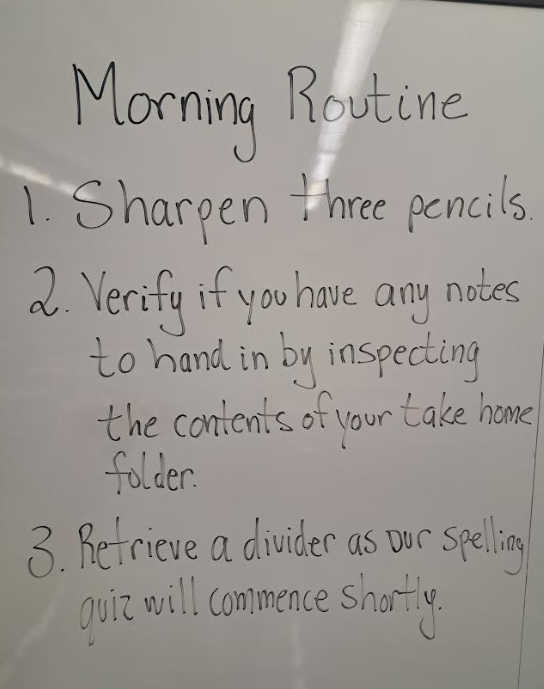
I know some will snicker at this, but I try to use sophisticated vocabulary all day every day. And yes you can't just say to 5th graders hand in any notes. You must specify where to look for those notes or it just won't happen.
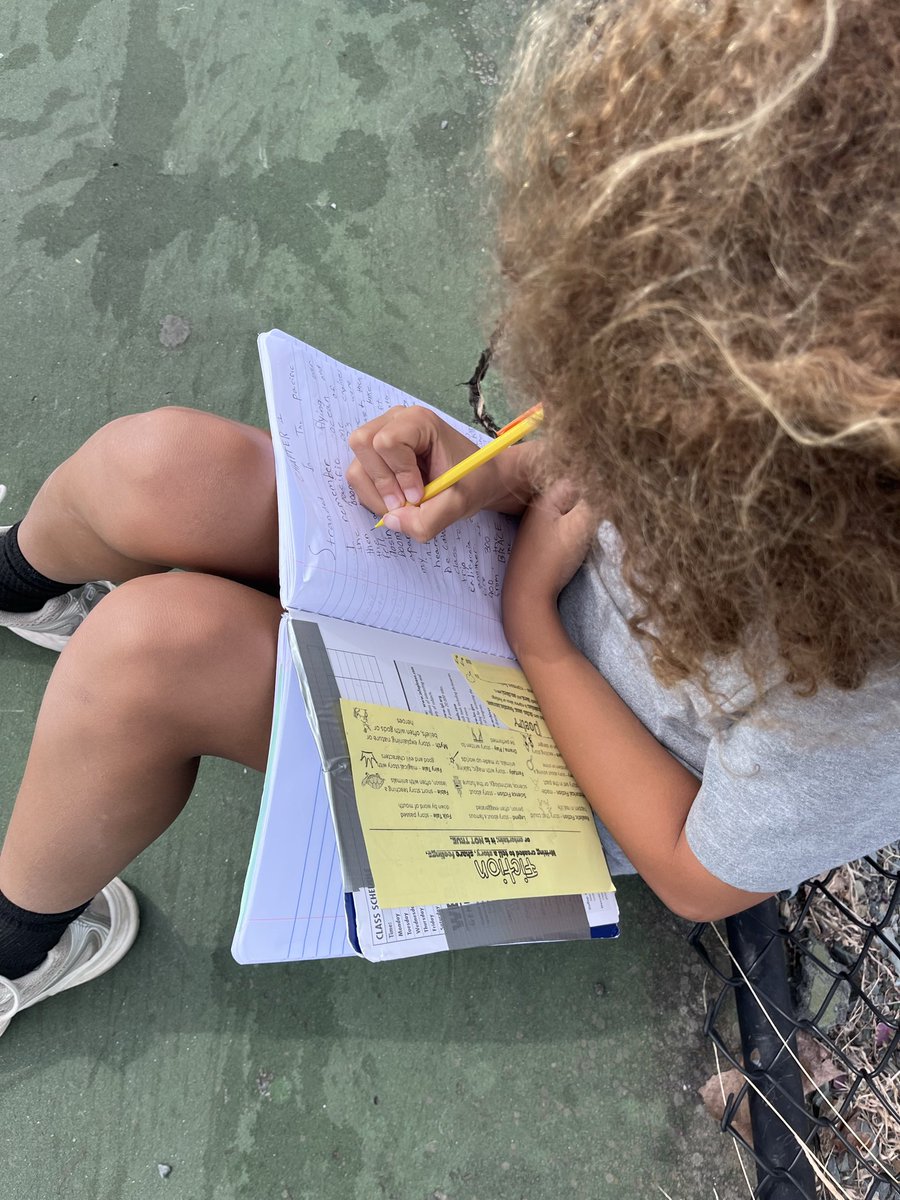
This year we’re starting every class period with a Quick Write. Students write the Topic, Audience, and Purpose then have 6 minutes to answer the prompt. On Fridays, they choose an entry from the week to share with the class. And that might be my favorite part. 🤍
@SoRclassroom
Chain Reaction of a Novel Study: 📚
1. Read a high engagement, grade-level novel
2. One student starts writing their own story in the same style
3. Student shares story with the class
4. Other students are inspired and choose to write during recess instead of play football
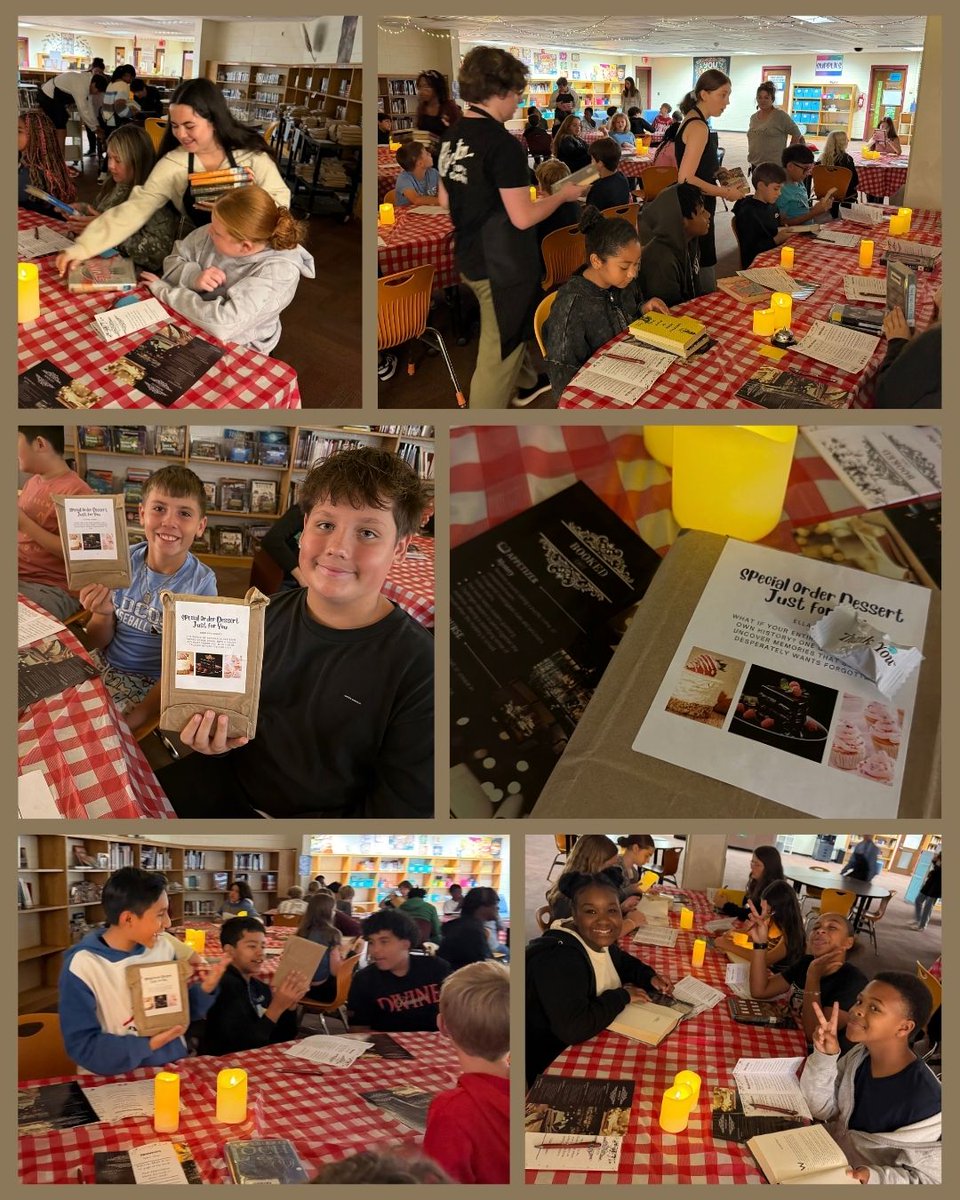
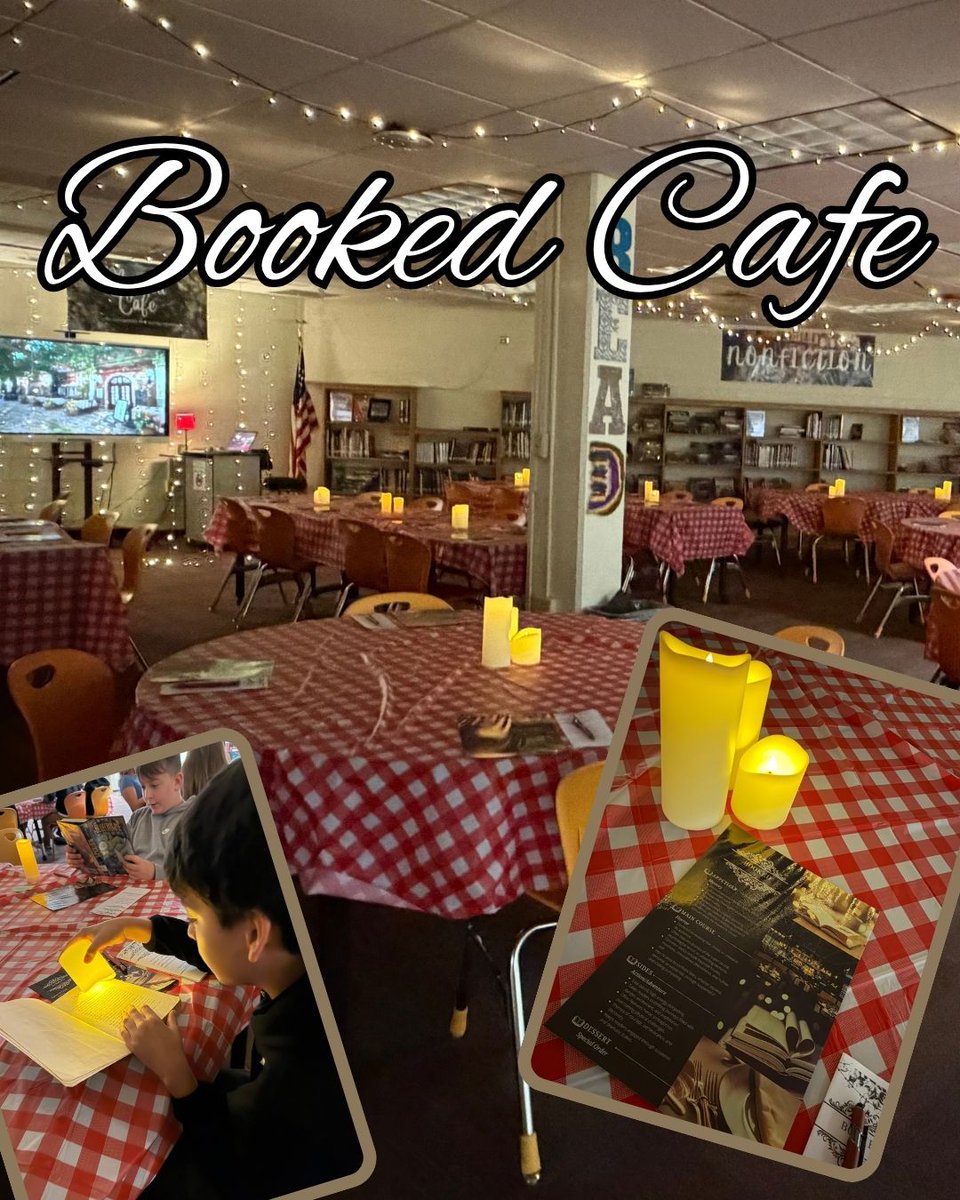
Mrs. Mathieson transformed the Media Center into The Booked Café! 6th graders sampled Mystery, Horror & Action/Adventure before enjoying a special “dessert”...a book handpicked just for them based on their reading interests! @aghoulihan@ucpsnc
Many schools have such tunnel vision when it come to literacy and state testing. Districts purchase reading programs with a heavy emphasis on passage reading because the passages/questions mirror the state test. I guess to some this might seem logical in that this is the way to produce better state test results. The issue is that it generally doesn't. You can still read full length class novels while also focusing on things that will be on the state test.
Today my class began the modern classic, Number the Stars. It is a perfect book for 5th graders when introducing students to WW2 and the Holocaust. I use the novel unit from the Reading Reconsidered curriculum. Lois Lowry is a superb writer. In Number the Stars she is known for changing the mood in the story on a dime. This happens throughout the book. We analyzed the mood of the story within the first two pages of this novel. All seemed cheery for the first few paragraphs until the word Halte! Annemarie, Ellen, and Kirsti encoutered two rifles, two sets of cold eyes, four shiny boots, and two helmits. If you have read the book you know exactly what I'm talking about. Students learned about mood and how authors create this with the specific words they use.
There is no need to practice "state test questions" on mood by reading passages that don't really connect with anything. Teach mood within a great novel.
The added benefit (this is inevitable) is that many students will want to read a bunch more novels from the WW2 time period. Students favorites are The War That Saved My Life, The Boy on the Wooden Box, Snow Treasure, Echo, and anything written by Alan Gratz like Allies and Projekt 1065. I have to say The War That Saved My Life is one of my absolute favorites. I haven't had a student not fall in love with this story.
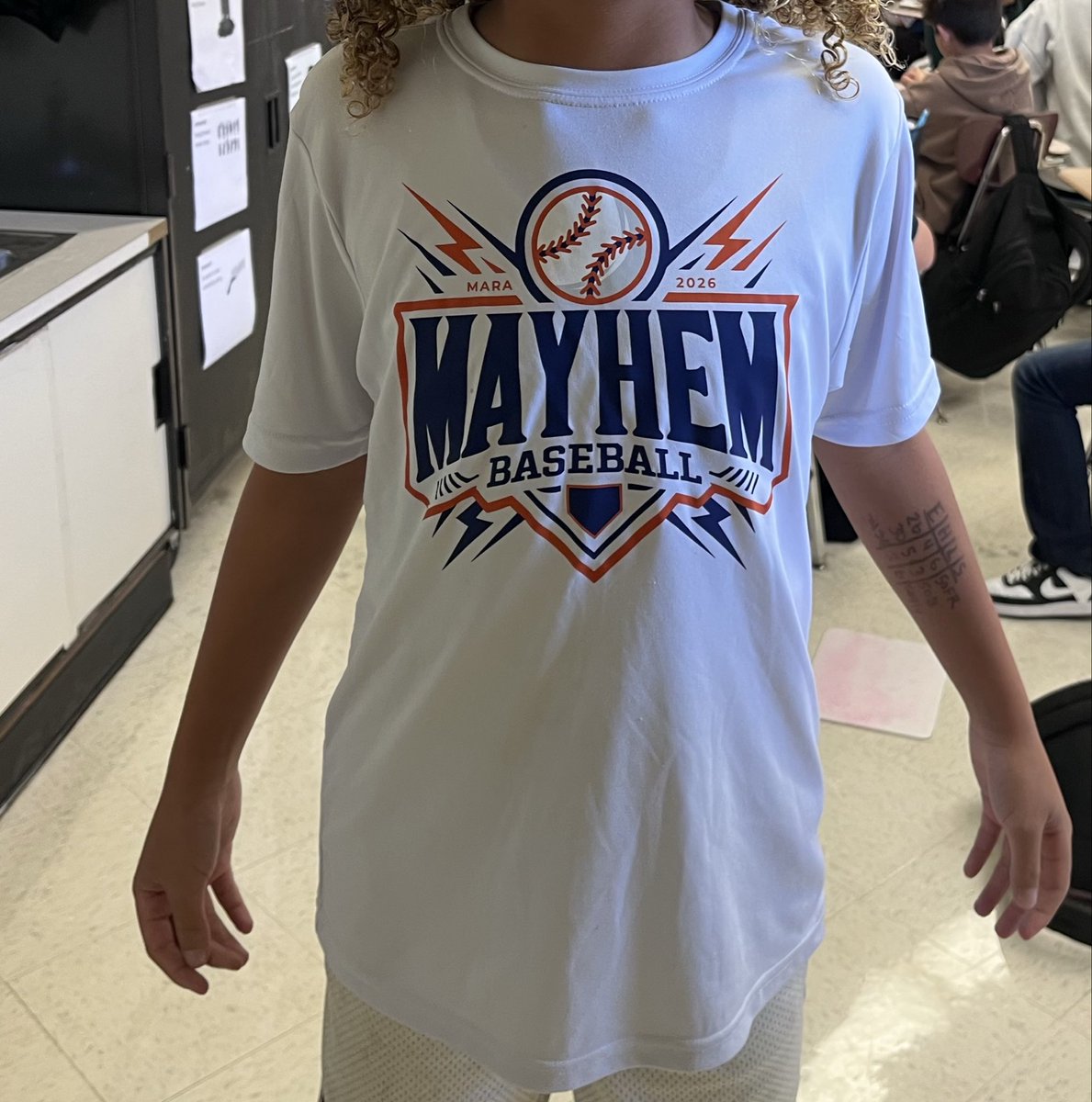
Wrapping up our first unit in the Word Mapping Project and a student walked in wearing his baseball jersey and said “Look at what it says! I wore it to school today because it’s one of our words!”
Loving this curriculum and the joy for learning it is sparking! @smorrisey
Too many adolescent learners are being labeled “unmotivated” when the real issue may be that they cannot access the text, task, or content in front of them.
Let’s keep changing the conversation about what adolescent learners need to succeed.
https://t.co/UqWjpEulSM
New Episode Alert! 💥 Rebecca Kockler breaks down the Decoding Threshold and more. We talk multisyllabic decoding, morphology, fluency, reader identity, and why decoding instruction must continue through middle school.
🎧 https://t.co/wdLs2ssQwj