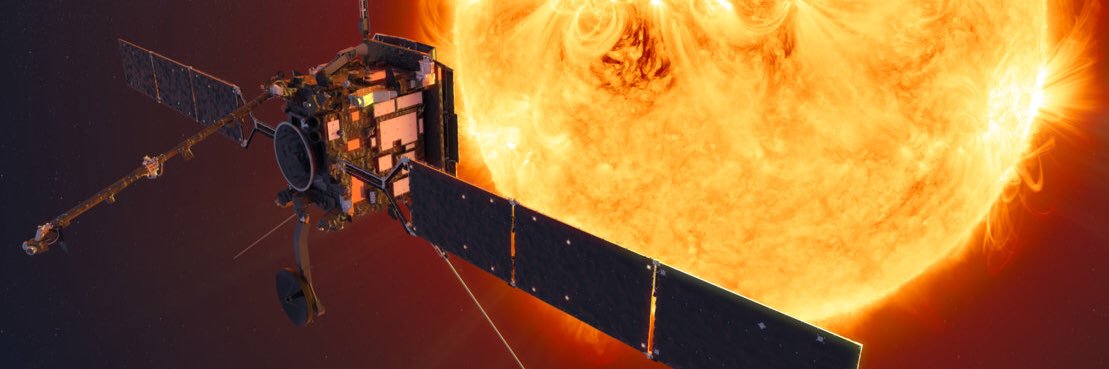
ESA mission control will guide @ESASolarOrbiter through a close encounter with Venus tonight. The gravity assist manouevre will 'tilt' the spacecraft's orbit around the Sun and grant it a unique view of our star's enigmatic polar regions. 🕵️♀️ ☀️
https://t.co/XMyBpv7nBM
💫🎉 Behind every successful ESA space mission, there is a woman. Behind Solar Orbiter, there are more than a hundred of them!
Yesterday, we celebrated our 5th launch anniversary - Join us today in celebrating these women who make our mission a success, on international day of women and girls in science!
#WomenInScience #WomenInSTEM
https://t.co/SmXn3J373w
DYK? At ESA we have multiple space missions and instruments studying the Sun, because learning about our star is key to predicting its potentially hazardous activity. 1/3
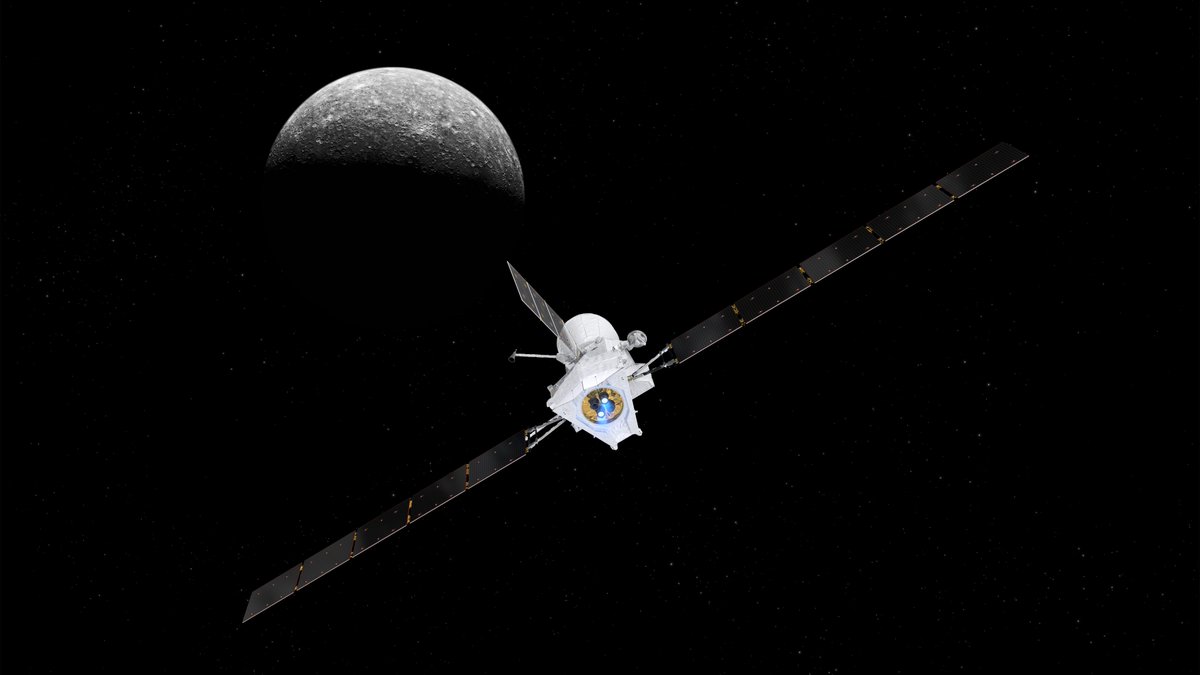
Difficult to put into words how incredible this pic is. BepiColombo's first ever photo of Mercury's south pole (top right of planet). It was taken 23 minutes after closest approach at a distance of 3500 km.
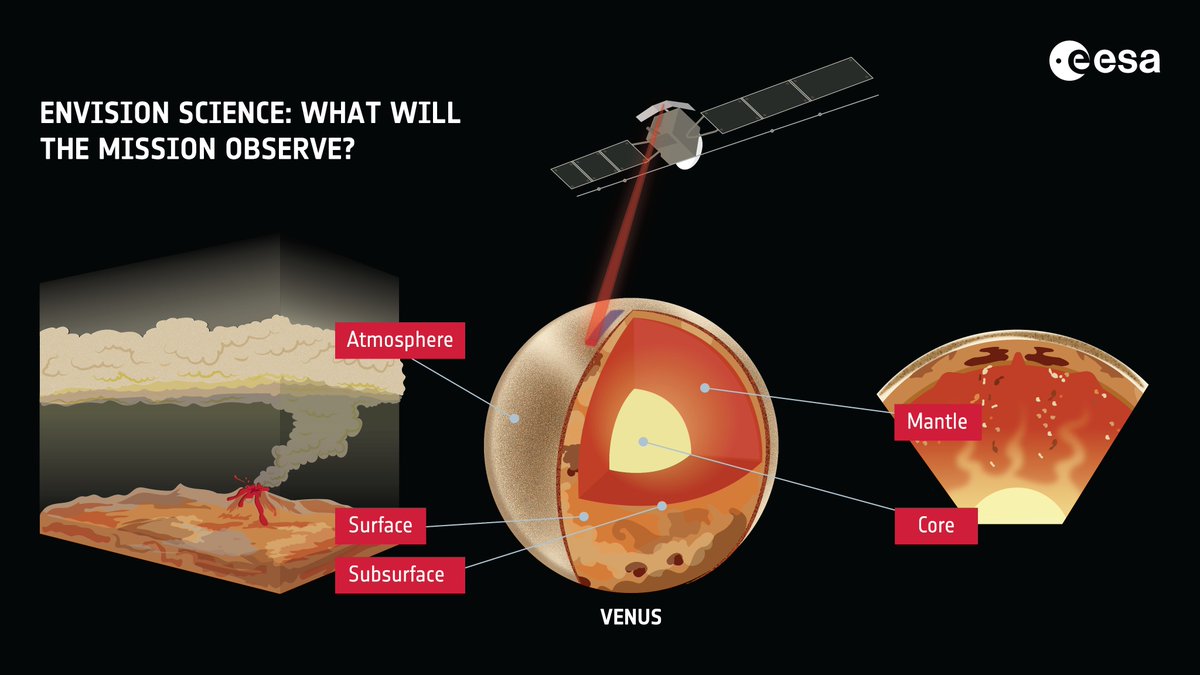
Set to launch in 2031, #Envision will observe Venus from its inner core up to its upper atmosphere, to further reveal the planet's history, activity and climate.
Discover what key questions Envision aims to answer about our closest neighbour in space here 👉 https://t.co/QmhP54OyMx
A #SolarOrbiter success story!
A key mission goal was to link the solar wind detected around the spacecraft back to its source regions on the Sun.
A new paper, using data taken during our first close approach to the Sun, confirms that it's possible.
More👉https://t.co/khepcTx3Fd
☀️🌬️ We're a step closer to figuring out the mysterious origin of the 'slow' solar wind, thanks to data collected by @ESASolarOrbiter during its first close approach to the Sun.
Find out more👉https://t.co/W8f7k9K5ha
🗞️The first edition of the ESA Science Newsletter is out!
Learn about:
🗓️ conferences & events
🔝 science highlights
👩🎓 career opportunities & more
Access first edition & subscribe 👉 https://t.co/qPnwg97JPx
Delighted to invite you to my first virtual Science Directorate Town Hall!
Independent of career stage or affiliation in the scientific community, join us Tues 28 May 9:30-12:30 CEST to learn, ask questions, share views & ambitions: https://t.co/XwDvKLOqt8 @esa@esascience
The ESA/JAXA BepiColombo mission to Mercury has experienced a technical issue that is preventing its thrusters from operating at full power.
Top spaceflight experts from ESA and its partners are working the problem, but the long-term impact on the mission is uncertain.
Details: https://t.co/C9N6fKWWZR
Spiders on Mars?
No, these dark spots, seen by ESA’s Mars Express on the outskirts of an area nicknamed 'Inca City' in the southern polar region of Mars, have a more 'down to Earth' explanation...
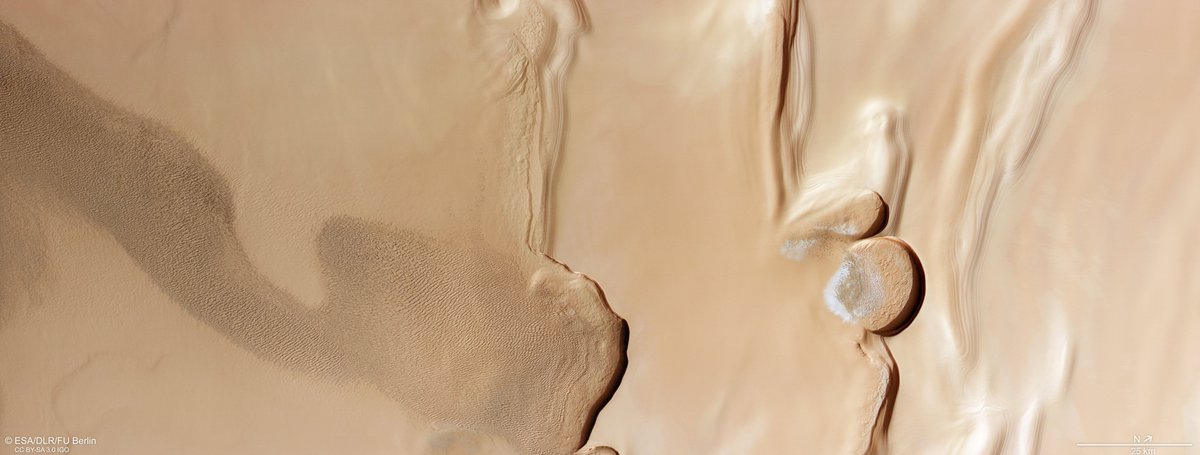
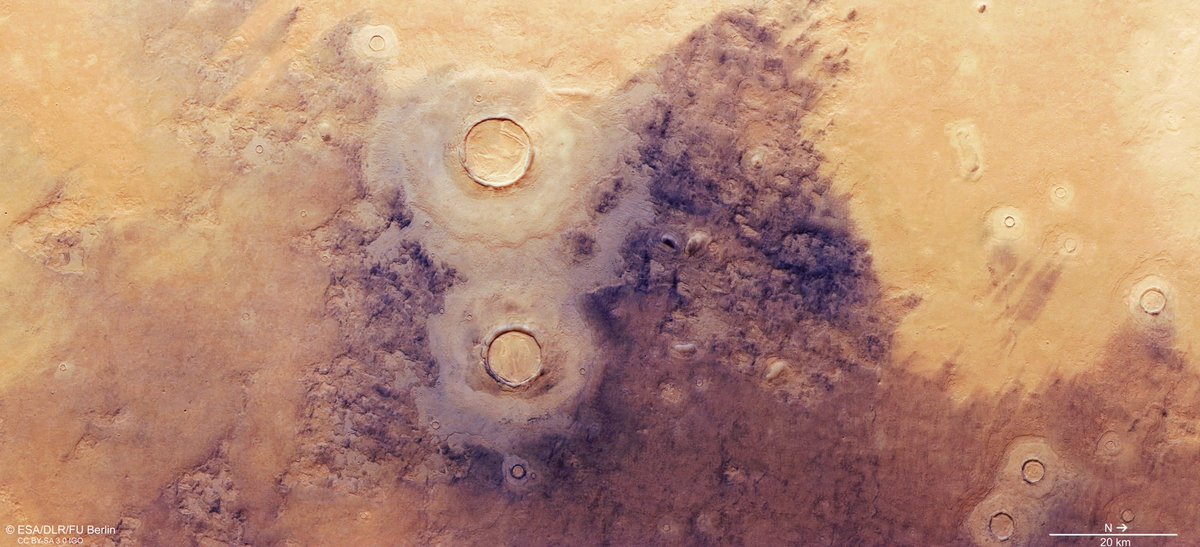
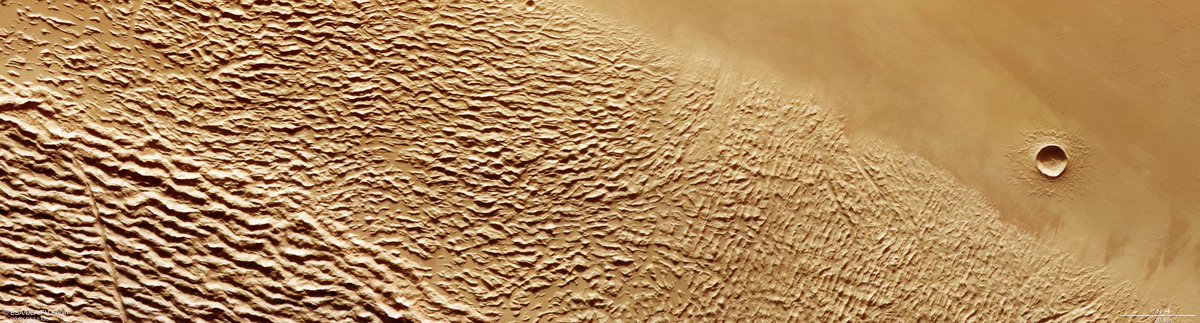
Since beginning science operations in 2004, #MarsExpress has provided countless breathtaking views of the Red Planet🔴 Below four examples:
1⃣ Ius and Tithonium Chasmata on Mars
2⃣ Utopia Planitia on Mars
3⃣ The terrain surrounding Mars’s north pole.
4⃣ Landslides and rockfalls around Olympus Mons
Discover more here 👉 https://t.co/YRDgch2iVb
#ESAJuice will also target the most volcanically active body in the Solar System, Io.
🌋 On this world, volcanoes soar up to around 18 km in height, and eruptions can last years.
Juice will monitor Io’s volcanic activity and investigate what its surface is made of 👉 https://t.co/eb2HbJTzTI
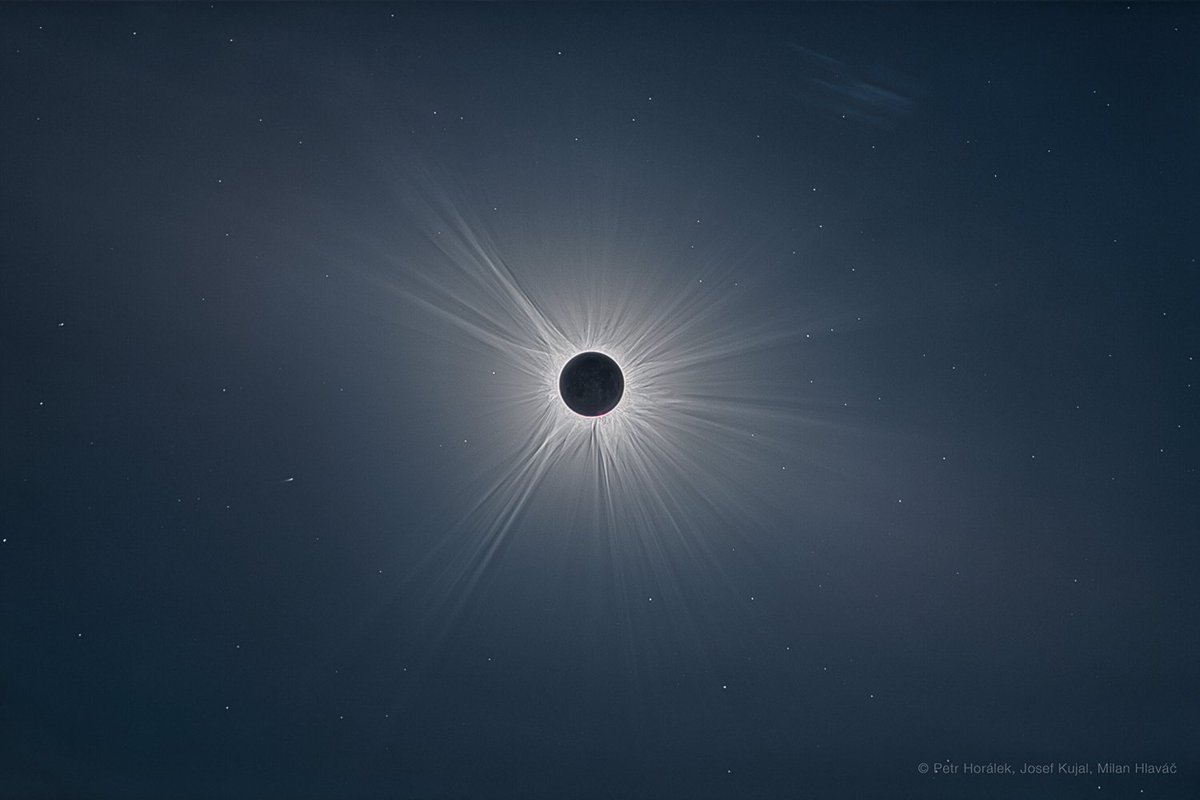
🧐☄️Can you spot the comet in this photo of #SolarEclipse2024?
Found in @MissionSoho data just hours earlier, the doomed comet was visible during the eclipse before it met its demise.
Click to reveal the comet's location 👉https://t.co/cXPneR7p6m
Image credit: Petr Horálek, Josef Kujal, Milan Hlaváč
🔔 New career opportunity! We are looking for a Head of the Solar System Section at ESTEC, in the Netherlands.
🗓️ The deadline to apply is 29 April.
ℹ️ More details 👉 https://t.co/GyTndPFlNJ