On March 25th 1963, East German MiG-21 F-13 (Fishbed C) number 654 suffered an ejection seat malfunction while on the ground. The pilot, Lieutenant Dresse, died of his injuries.
On Oct 23rd 1976, East German MiG-21 F-13 (Fishbed C) number 623 was undergoing engine warm-up on the hardstand prior to a flight, when it started to move uncontrolled. It travelled some distance before digging into the ground next to the runway. The aircraft was repaired.
Not the first time on GHPC that I've seen an APFSDS shot be perfectly aligned to travel down the barrel of an enemy tank, blast through the breech block, and continue into the turret of the tank.
@samlovesfurrz It's difficult to tell, as since none of the routes has a proper "ending" yet, it's not clear how the routes are going to link up with each other.
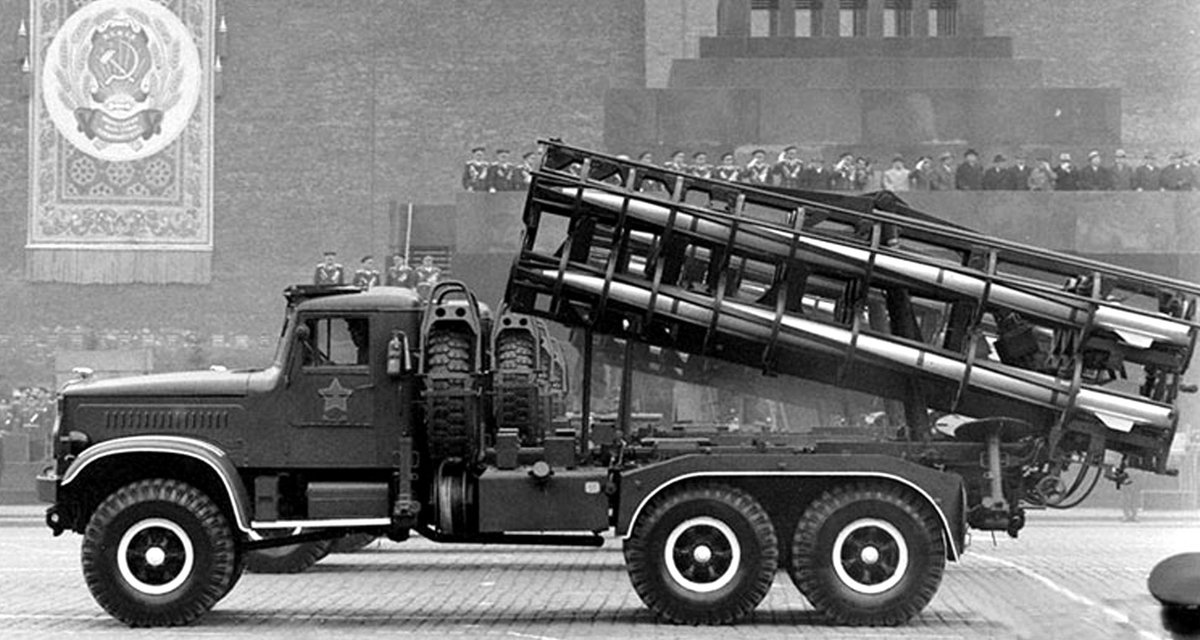
@RealAirPower1 I mean technically it started in 1953 with the BM-25, which had rockets of 250mm calibre. It could have also arguably started with the BM-24 in 1947, which had rockets of 240mm calibre.
On Oct 23rd 1976, East German MiG-21 F-13 (Fishbed C) number 623 was undergoing engine warm-up on the hardstand prior to a flight, when it started to move uncontrolled. It travelled some distance before digging into the ground next to the runway. The aircraft was repaired.
@Falco_works I think Pen needs to focus more on the fact that Indy got abused by his ex-partner, and acknowledge that and offer to help, even just by talking about it some more.
@RealAirPower1 The MiG-23 was the most dangerous WarPac opponent that NATO faced in the 80s in terms of numbers, and the MiG-29 would have been the most dangerous in the 90s if the rollout hadn't been cut short by the ending of the Cold War.
The Stasi were really paranoid during the Festival, as there were a lot of people from the West in attendance. One of them, human rights campaigner Peter Tatchell, was harassed by undercover Stasi agents on two separate occasions.
The BMP has a special hatch, so that the Sagger could be reloaded from inside the turret. However, this method couldn't be used when the vehicle was running in NBC mode, as it would compromise the overpressure system designed to keep contaminants out.
East German poster for AT-3 Sagger (9M14 Malyutka) ATGM. Missile launcher and launch control module are obviously not to scale. Notice how they are being intentionally secretive with the warhead section, with that part not being cross-sectioned at all.
The dazzler was designed to interfere with TOW and MILAN's guidance systems, which relied on an IR lamp to track the missiles. However, Western intelligence learned that Iraq had obtained it, and modified their missile guidance systems, meaning the dazzler was not effective.
صورة لدبابة T-72 " أسد بابل" وجدت متروكة اثناء عمليات عاصفة الصحراء عام 1991 ، وتظهر الدبابة وهي مجهزة بنظام الاعاقة والتشويش صيني الصنع من الجيل الأول المعروف باسم (Dazzler) .
The Soviet destroyer 𝘛𝘢𝘴𝘩𝘬𝘦𝘯𝘵. It was sunk by Axis aircraft when withdrawing from the Siege of Sevastopol in 1942. It was re-floated in 1944, but was judged a total loss and then scrapped shortly after. Click for larger version.
Today I got my hands on about a dozen schematics from the 1970s of various ships and aircraft (modern and WW2), which I will hopefully be posting in the coming days and weeks. I still need to scan them in, and do some digital clean-up and restoration first.
@joeblillib4090 The SAM experiences in Vietnam were how the Soviets learned that fixed SAM sites were vulnerable, and that mobile SAMs were far less vulnerable. The Vietnamese did move many of their SAM sites around, but it was an arduous process, as SA-2 isn't designed for frequent re-siting.
Having seen the Mi-26 in person and been in one, the Mi-26 is a lumbering beast and can't manoeuvre much except in large arcs. It also makes me wonder what all the dead space inside an attack variant would be used for (the interior is 𝘤𝘢𝘷𝘦𝘳𝘯𝘰𝘶𝘴, to say the least...).
@unusualcarrier Having seen the Mi-26 in person and been in one, the Mi-26 is a lumbering beast and can't manoeuvre much except in large arcs. It also makes me wonder what all the dead space inside an attack variant would be used for (the interior is 𝘤𝘢𝘷𝘦𝘳𝘯𝘰𝘶𝘴, to say the least...).