This @JAMADerm editorial discusses a novel risk stratification system for cutaneous squamous cell carcinoma that was developed using a retrieval augmented generation–enabled large language model.
https://t.co/Tk0O7CzUmy
🚨 New preprint!
CTCF Binding Site Mutations: Linking TAD Dysregulation to cSCC Progression
We show how mutations at CTCF sites drive metastasis in skin cancer.
🧬📊
#Genomics#CTCF#3Dgenome#cSCC#Bioinformatics#Cancer#nswheath
https://t.co/DmAVFvbkET
Most viewed this week from @JAMAOnc:
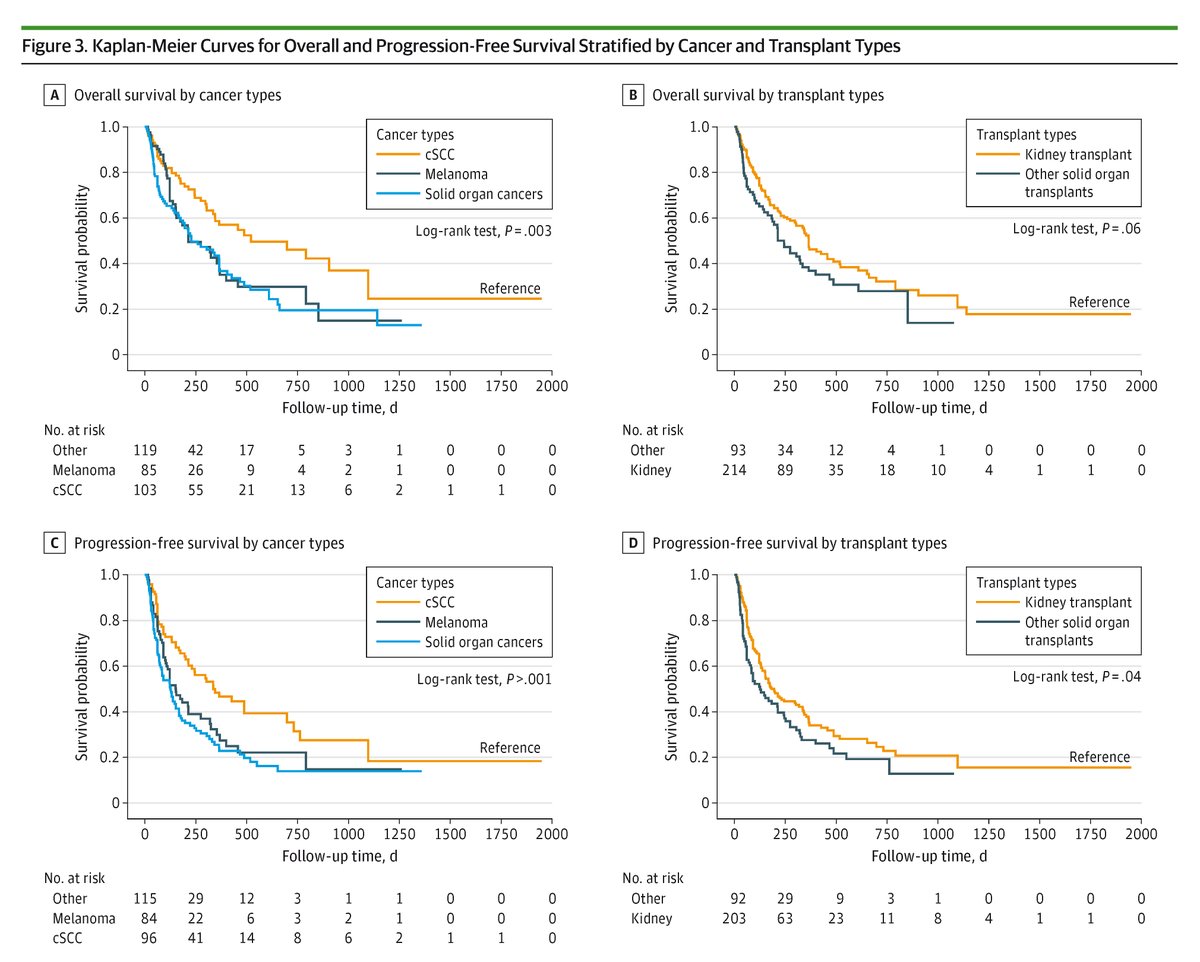
ICIs can treat advanced cancers in solid organ transplant recipients, especially cSCC, but overall survival is limited, and mTOR inhibitors with steroids may reduce rejection risk.
https://t.co/CrNWmHptbv
An in-depth look at the involvement of kindlin-1 in cutaneous squamous cell carcinoma (SCC). 👀
Drs. Carrasco, Brunton, and colleagues at @EdinCRC provide evidence that Kindlin-1 loss 🚫 in SCC can promote invasion through the upregulation of MMP13.
🔗 https://t.co/qSNQr1WHZx
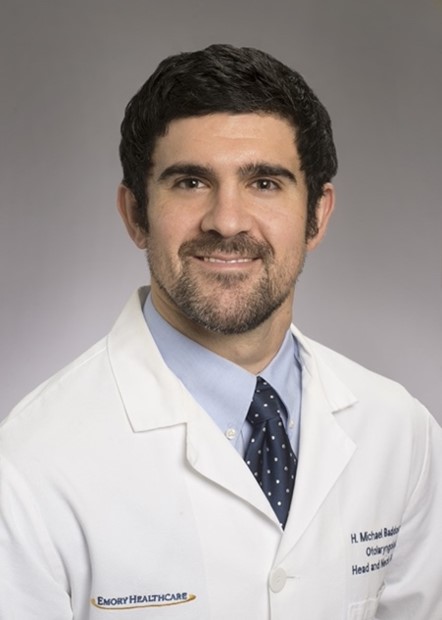
New Post! Thank you to Dr. Michael Baddour, Head & Neck Surgeon at Emory University, who composed this expert review of the importance of understanding perineural spread in cutaneous squamous cell carcinomas of the head and neck. #AHNSSkin@AHNSinfo
https://t.co/gGorb2A8NY
What differentiate $MDNAF from other #IL2 is "Durability"
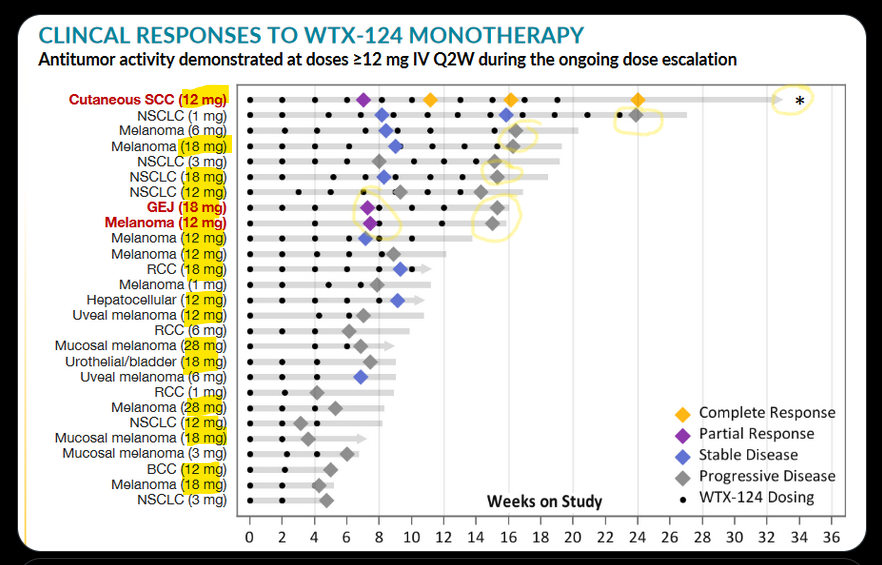
Many are asking me, why $HOWL is down so much despite the CR they had in Cutaneous SCC?
So I went back to $HOWL slides & looking deeper into the slide while focusing ONLY on the high dose (disregard all the lower dose from dose escalation) we can see the 2 PR's patients went back to "Progressive Disease" 8 weeks from getting PR!
Many patients on the high dose >12mg/kg progressed after 8 - 16 weeks!
On the other hand, $MDNA.to show that all patients who had a clinical activity had a longer period of time on the drug, including a 2 years PDAC patient 100% free!
Very valuable overview and interrogation of data. Great work Lee Lab! @Stanford@StanfordMed@BencomoTomas@CarolynLeeMDPhD Gene expression landscape of cutaneous squamous cell carcinoma progression https://t.co/9PYKP5PZC7
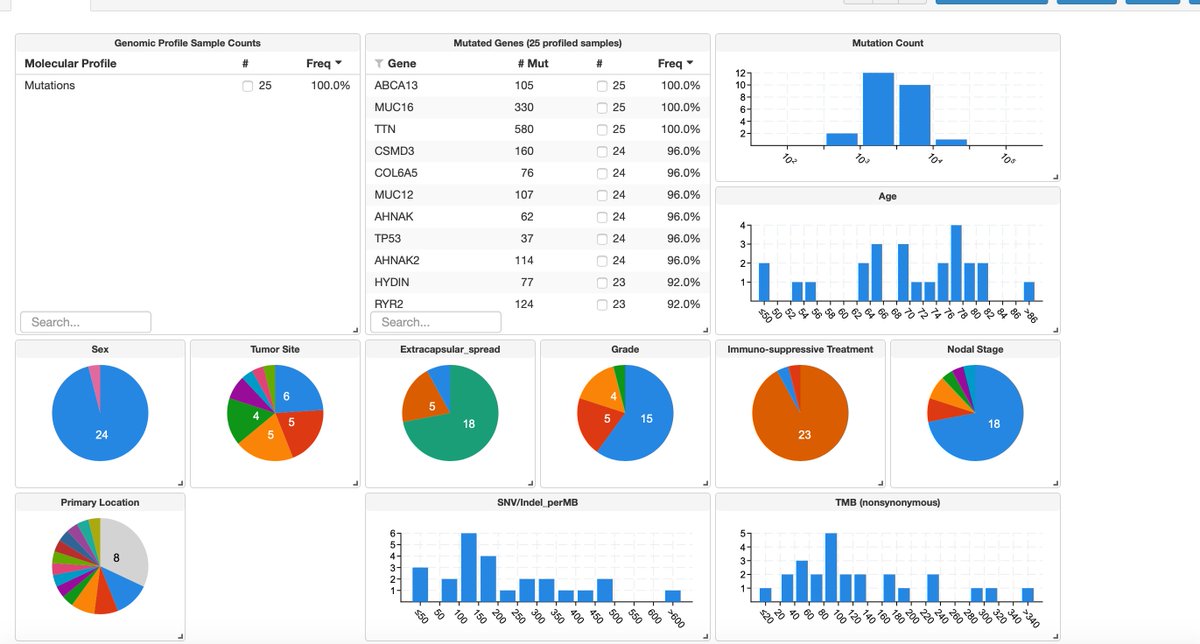
@mranson2 @cbioportal@amarinder_thind@DrGopalIyer @jcBeyond5 @GuptaRuta Our first 25 metastatic cSCC WGS 90X/30X.
Plenty to explore including clinical data.
Thanks again to our generous patients who allowed us access to their tumours.
Hey mate, this is awesome. I am a B.I. Administrator, with a broad experience in IT from dev/coding to testing to DB work. Happy to discuss offline. :-) I am also currently battling stage 4 metastatic cutaneous scc. I am doing what I can where I can to fight it. Or help out where I can. The only thing holding back the cancer inside my body is an experimental drug where I am part of a clinical trial. Again, happy to discuss offline. Please DM me, Many thanks in advance, mate! 🙏🙏
Limitations of the Commercially Available Gene Expression Test in Predicting Cutaneous Squamous Cell Carcinoma Metastasis and Clinical Outcomes - Journal of the American Academy of Dermatology https://t.co/LxUHhBvmo2
With the advent of RNA-based medicine, PVT1 may be a promising molecular target for the management of inoperable or metastatic cutaneous squamous cell carcinoma (cSCC). Increased expression of PVT1 may serve as a biomarker for cSCCs.
https://t.co/2zjXsrv5Xr
My 1st first author preprint is out! @CarolynLeeMDPhD and I analyzed public RNA-Seq data from 147 cutaneous squamous cell carcinoma (cSCC) samples to create a set of robust differentially expressed genes (DEGs) involved in cSCC pathogenesis
https://t.co/reJDiIk3NE
🧵 below! /1
Expected changes in the Cutaneous Squamous Cell Carcinoma (cSCC) market are driven by improved diagnostics, heightened disease awareness, & upcoming therapy introductions.
Learn more about the key factors that profoundly alter the cSCC market dynamics: https://t.co/gNNRmCPEVs.
🔬✨Dynamic dance of PI3K and CDK inhibitors against advanced cSCC. @DrJayPerry 🩸🔍 combos show promise, but the road to perfection lies in matching drug specifics to individual mutations. 🧬💊 #CancerResearch#SkinHealth 🌞👩🔬
Cutaneous squamous cell carcinoma (cSCC) is the most common metastatic #SkinCancer with high mortality rates. @ElinaSiljamaki et al. identify PLX8394 as a potential therapeutic compound for advanced and metastatic cSCC.
👉https://t.co/jjdRyIYdQs
PD-1-blocking antibodies are approved to treat metastatic or locally advanced cutaneous squamous cell carcinoma (CSCC) ineligible for surgery or radiation. But some patients don’t respond or have severe immune-related adverse events. There is a need for improved therapies. 2/11
Glad to share our collaborative paper with the group of [email protected] on lncRNA PVT1 in cSCC
Long non-coding RNA PVT1 is overexpressed in cutaneous squamous cell carcinoma and exon 2 is critical for its oncogenicity https://t.co/MK3VEruTPt