We're thrilled to announce our new publication! @ScientificData@vdcalhoun@tonyajhwhite
We share open-access simulated neurodevelopmental datasets to advance brain–behavior research and support reproducible neuroscience.
@NIMHgov @CenterTrends
🔗 https://t.co/eA9dmL1EQP
🚨Now hiring at #MSKBiostats: Faculty Position in Biostatistics. Join our team of 45 biostatisticians (19 faculty and 26 research staff) to pursue independent research and provide statistical collaboration with medical or basic science investigators.
https://t.co/YtEpsMcibH
Excited to share our R package for microbiome data analysis, published @CellRepMethods, which makes log-ratio lasso regression more accessible for R users, supporting continuous, binary and survival (competing risks) outcomes.
https://t.co/YeXHzPdoBZ
https://t.co/ipBvWQl8FK
Tired of poor reliability of fMRI? Besides the massive collection from many people, here introduces another way -- intensive fMRI.
https://t.co/kXNvcl2PIP
In cancer screening, change over time is the most important signal. In a paper, Batuhan presented at MICCAI last week, we proposed a neural net model to exploit longitudinal mammograms to better quantify breast cancer risk. https://t.co/rx7yCvQ2vK
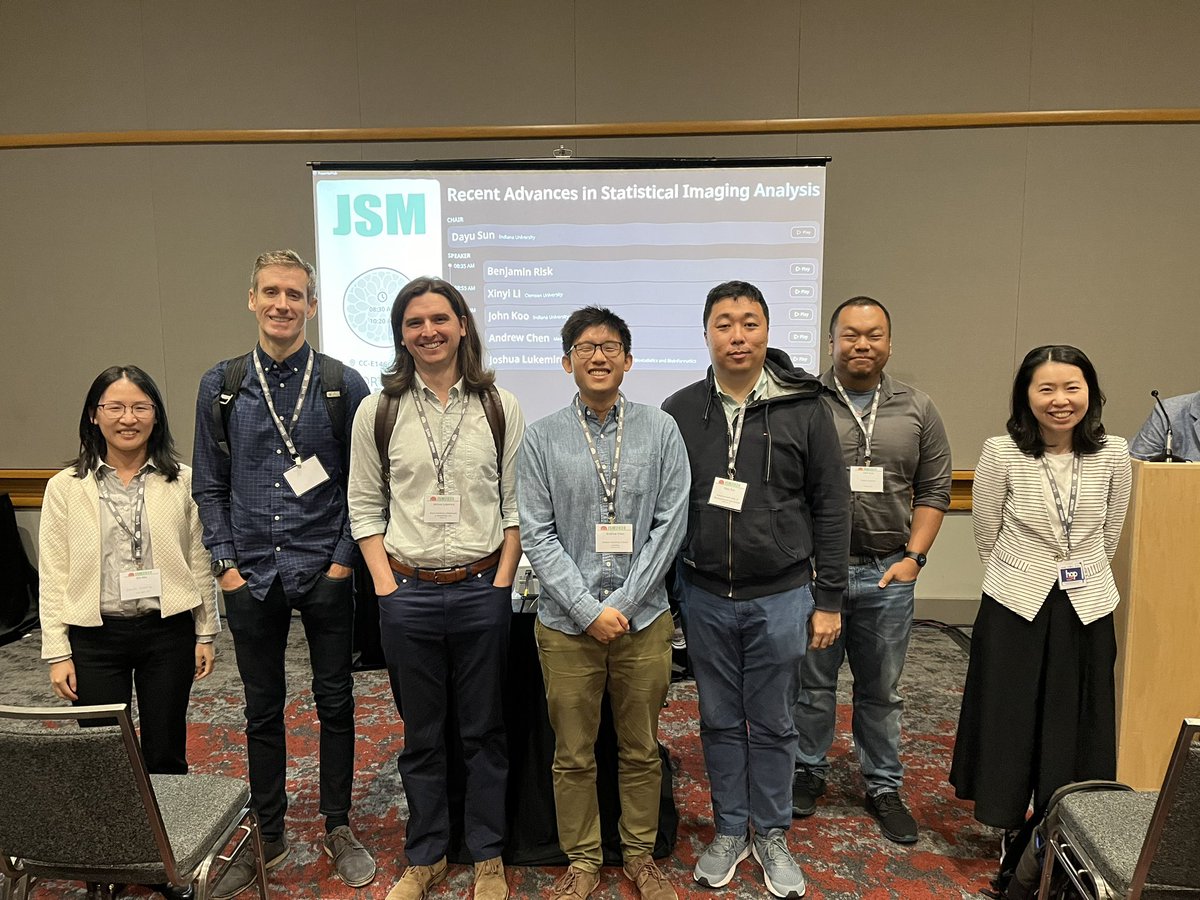
First organized JSM session ✅ Thanks to our fantastic speakers @benjamin_risk, Xinyi Li, John Koo, @Andrew_AChen and @JoshuaLukemire!! Thanks Dayu Sun for chairing!! Some great memories to cherish👏
Findings from this twin study suggest that PTSD may be a previously unrecognized independent risk factor for obstructive sleep apnea in older men. https://t.co/TwOsH8tNJr
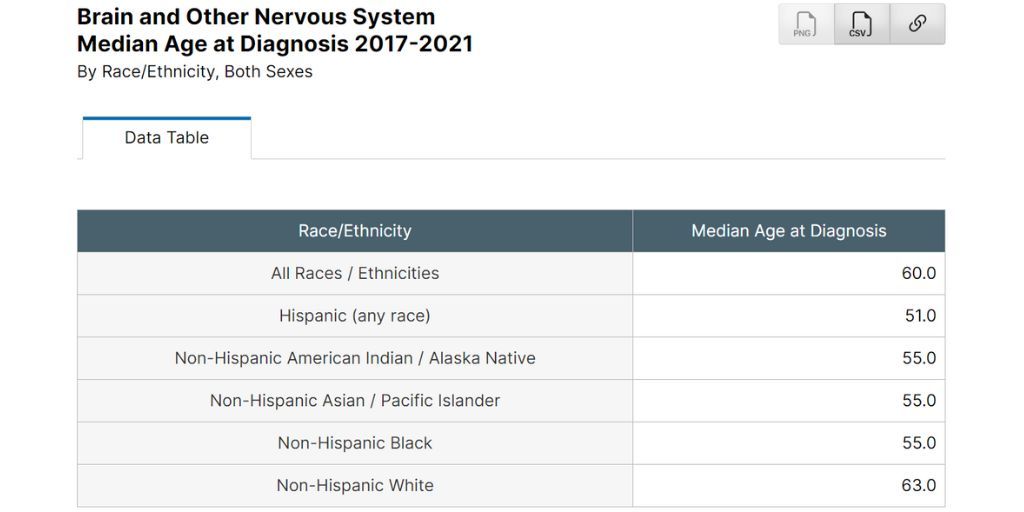
The median age at diagnosis for #BrainCancer across all racial and ethnic groups is 60. However, the median age at diagnosis for Hispanics is much younger—51 years. Visit SEER*Explorer to view more cancer statistics: https://t.co/ANRZCA8cR3 #BrainTumorThursday
Thanks to our organizers @XihongLin@tz33cu and to all the panelists @hongtuzhu1@WenyiWang4@Hulin_Wu@HaodaFu@bbiinnyyuu .. for their fantastic and inspiring presentations and contributions to forward-looking discussions Thanks for cohosting@StatsUpAI https://t.co/AK7p5B16ip
Would you like to combine your knowledge of #statistics with the dynamic fields of #environmental and #climate-related health? Do you want to harness the power of #DataScience to build a healthier, more sustainable world! Apply here:
https://t.co/OZhBEmvYqb
🗓 Mark your calendars! The Data Science for Public Health Summit is happening Thursday, January 11th, from 8:00 am - 6:00 pm. This event is open to Columbia faculty, postdocs, and doctorate students. @rafalab
Registration and more information ⤵️
https://t.co/jktxvWHkvn
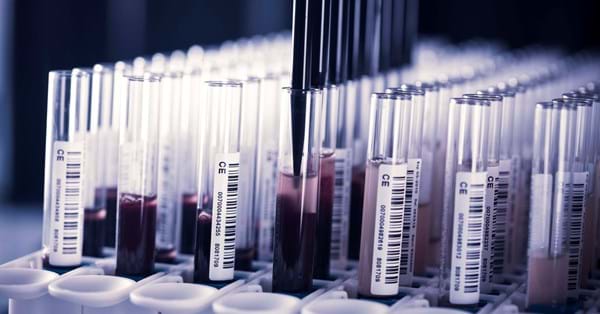
📰 Published in @Nature today: 13 leading biopharmaceutical companies have collaborated to create the world's largest proteomic dataset using UK Biobank blood samples, forming the most detailed study of how genetics & proteins influence disease.
BREAKING NEWS
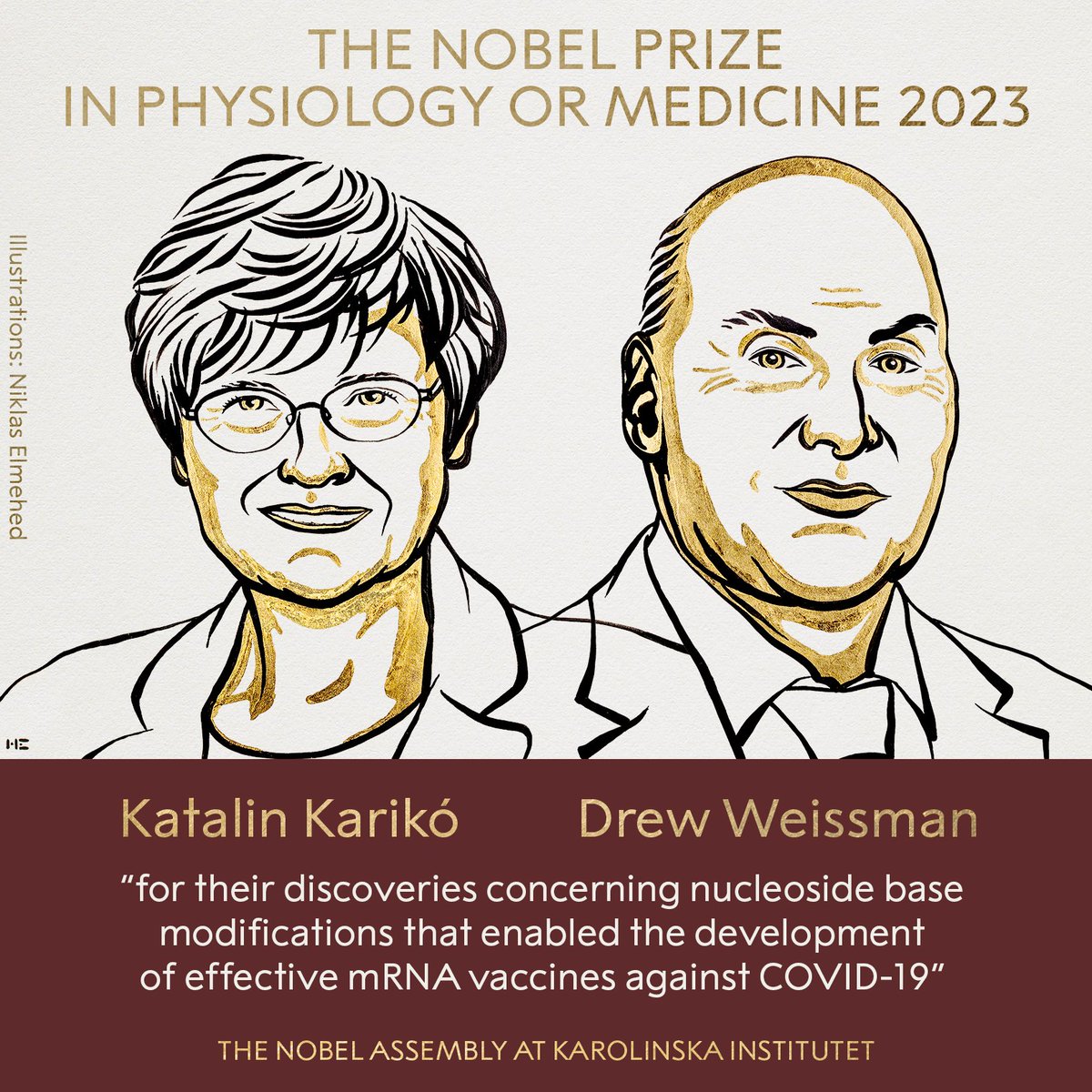
The 2023 #NobelPrize in Physiology or Medicine has been awarded to Katalin Karikó and Drew Weissman for their discoveries concerning nucleoside base modifications that enabled the development of effective mRNA vaccines against COVID-19.
🧠Neuroimaging peeps🧠 our field is blessed with beautiful visualizations. Our preprint provides 3 tools to help move toward code-based & replicable visualization:
📗practical guide (why should I?)
📦package selector (which one?)
🏗️code template generator (how do I start?)
👇🧵
Wow... 80% of genes are differentially expressed in living versus post-mortem prefrontal cortex tissue. Importantly implications for studying the 'living' biology of the human brain, rather than heavy reliance on what post-mortem tissue shows us. https://t.co/SJyqBZnpvp
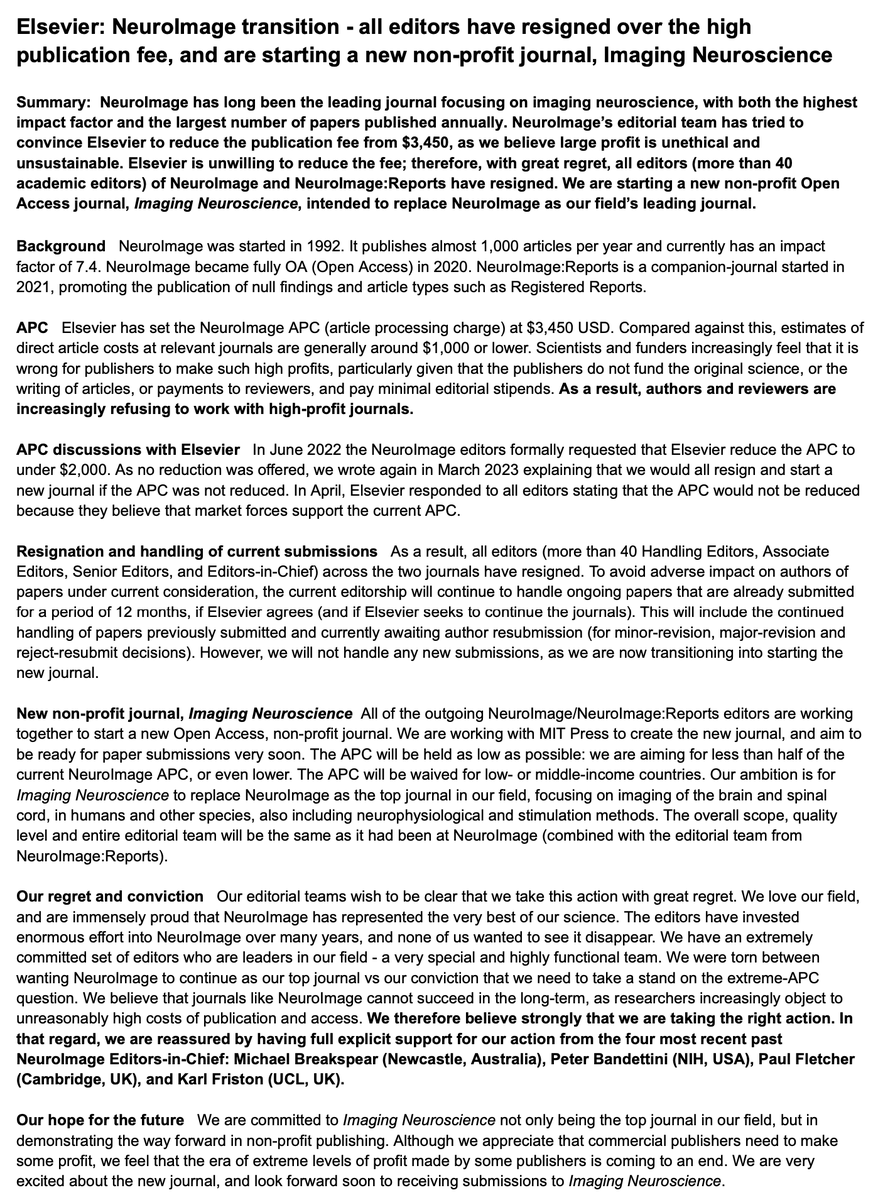
All NeuroImage and NeuroImage:Reports editors have resigned over the high publication fee, and are starting a new non-profit journal
https://t.co/DmnwDKVCK7
This comes with great regret, and a huge amount of thought and discussion- please read announcement to get more details.