You can now find links and introductions to all of my #RShiny apps here: https://t.co/av37hFTpcF
Recommendations for improvements or entirely new apps are welcomed.
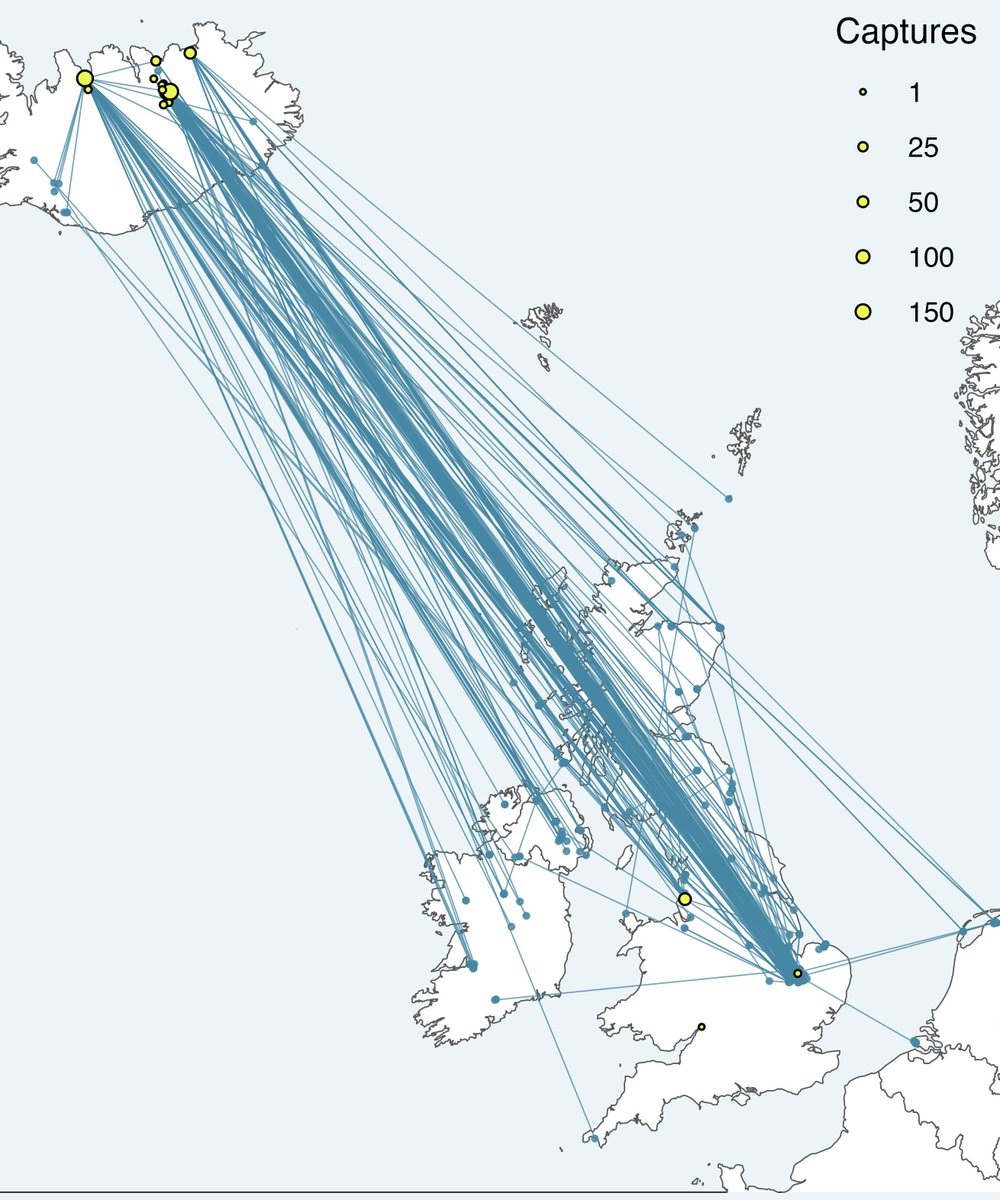
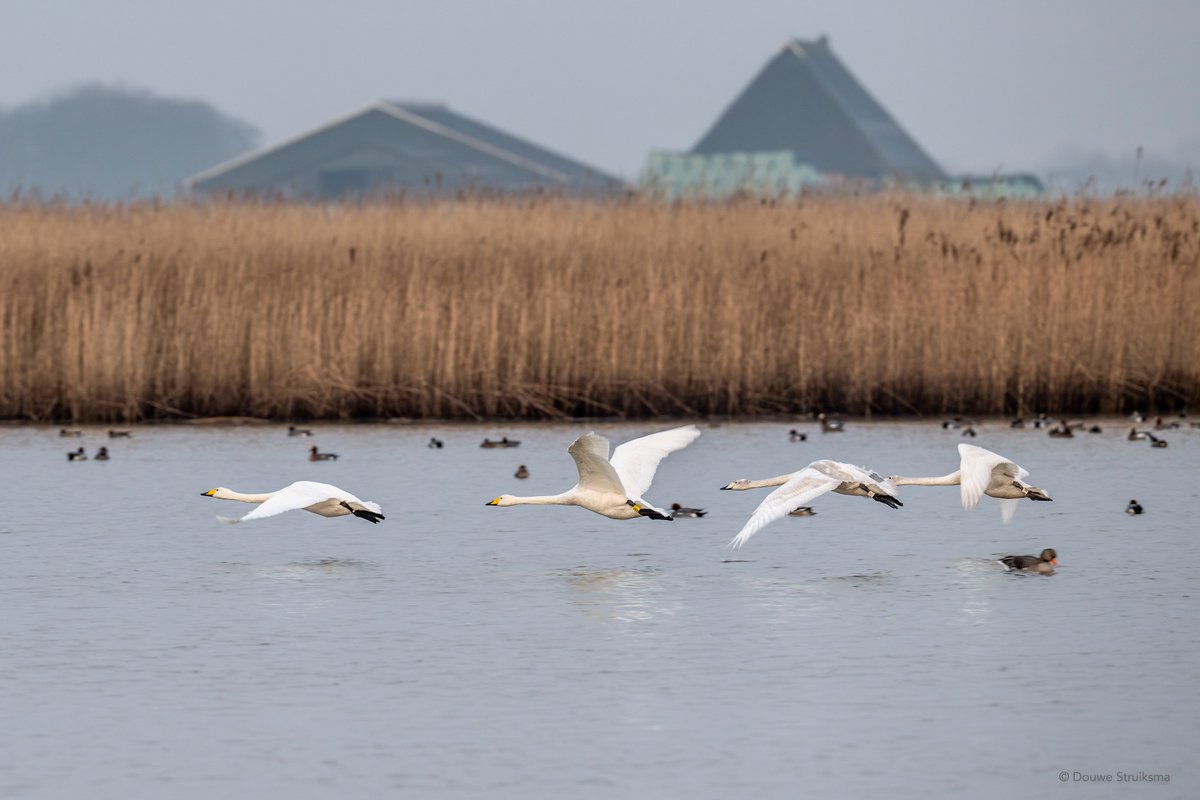
During Storm Amy in autumn 2025, exceptional strong tailwinds allowed our Whooper Swans to fly at peak speeds of ~150kph, with one ind. averaging 123.1kph over its 7 hour crossing. Amongst the fastest reported sustained ground speed of any bird 🚀🦢
🦢 123.1 km/h. For 7 hours. Over open ocean!
Our new study uses GPS tracking of Icelandic Whooper Swans to reveal how wind support and rough seas shape their remarkable migratory crossings
Read it all about it: https://t.co/wz2brhbn5U📄
Crossings are faster with stronger wind, especially when it’s a tailwind. They’re faster when the sea is rough (no chance to stop and rest), and they’re faster in autumn when they leave Iceland than on their return.
@SmalePerry@JoshFusiara@WaterbirdCM@KaneBrides We thoroughly check the fit and ensure the collar has plenty of room, can move freely up and down the neck, and is not tight. Whooper Swans have thick feathering on their necks, especially towards the base, which can give the appearance of the collar being tighter than it is.
Our GPS tracking work has found Iceland Whoopers Swans spend less than a third of their time in protected areas! Read all about it in our latest paper published fully open access today in Biological Conservation 🦢
https://t.co/7BGITvhKWx
📷 @JoshFusiara
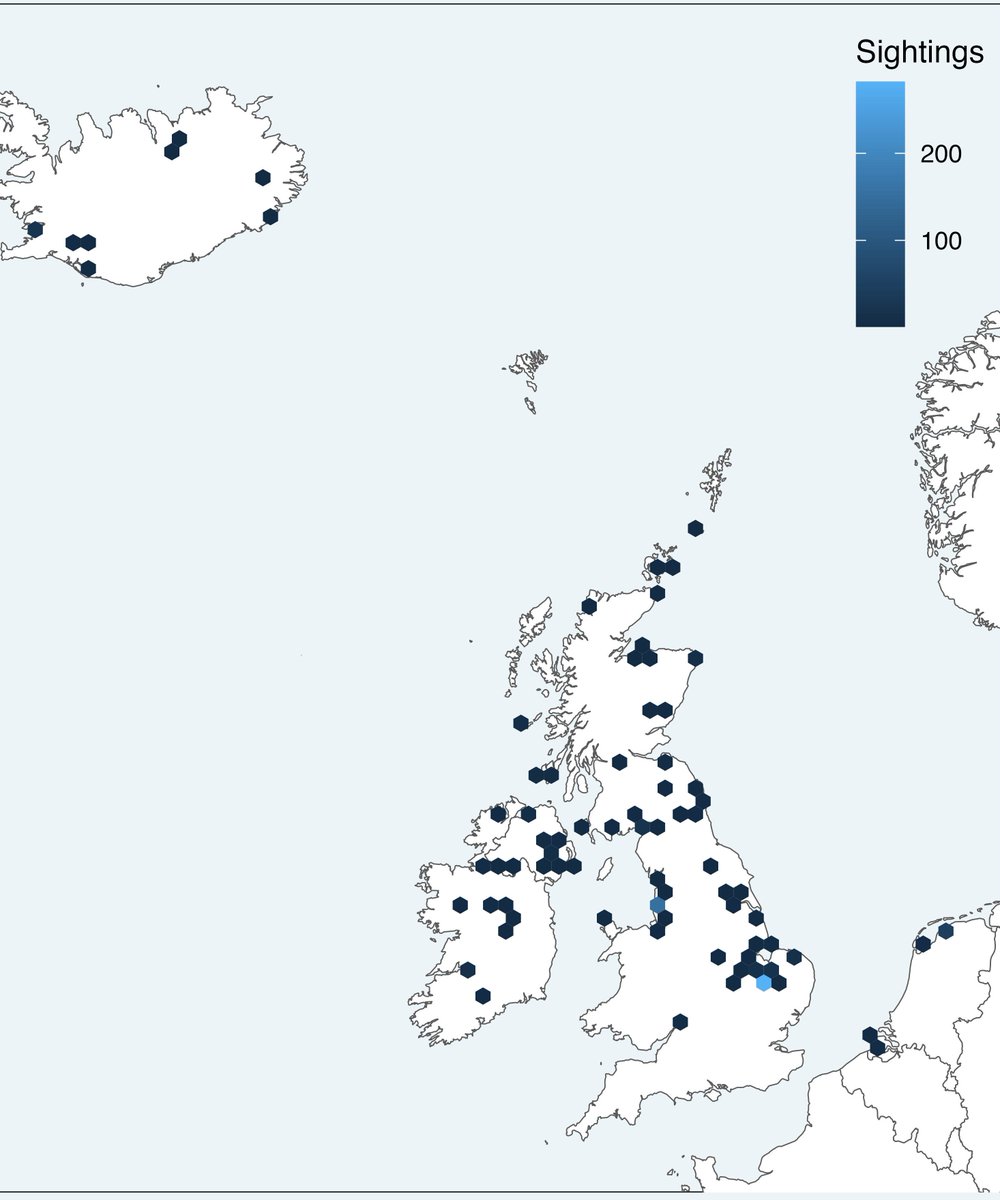
The Whoopers are starting to move and will soon be back on their Icelandic breeding grounds! Since @WaterbirdCM started ringing Whoopers in 2023, we've tagged >600 inds. and gathered >750 sightings. Please keep an eye out and continue to report any sightings to us as they leave!
In Feb 23 we undertook a census of the UK naturalised Barnacle Goose population. The aim to produce an updated population estimate & report on winter distribution. Results have now been published in @BritishBirds, with our thinking on future monitoring needs #Ornithology 1/7 ⬇️
A special thanks to my co-authors and funders. This work was completed as part of my PhD thesis at @biouea/@ueaenv/@uniofeastanglia partnered with @audubonsociety
10/10
New paper published today in Movement Ecology! We show N. American birds that migrate in flocks have greater long-term non-breeding range shifts, particularly if flocks are mixed-age.
We link this to social learning in novel mig. route development.
https://t.co/jeiay1SPox
1/10
We think this is because dispersal into new breeding areas is always passed to the next generation when born there – you only need to return to a known location. Conversely, a new non-breeding site isn’t automatically passed to the next generation.
9/10