@jesseproudman@MayorofSeattle One of the things they do when they pass taxes is also require companies to list them separately. The theory is this prevents the company from just raising prices even more and blaming then hidden taxes. Did this last week. City center, same distance to McD.
There was a huge fight in the 70’s and 80’s to prevent attaching other telephones and other telephone cords to the phone network. Really. https://t.co/kbDjJBmYu7
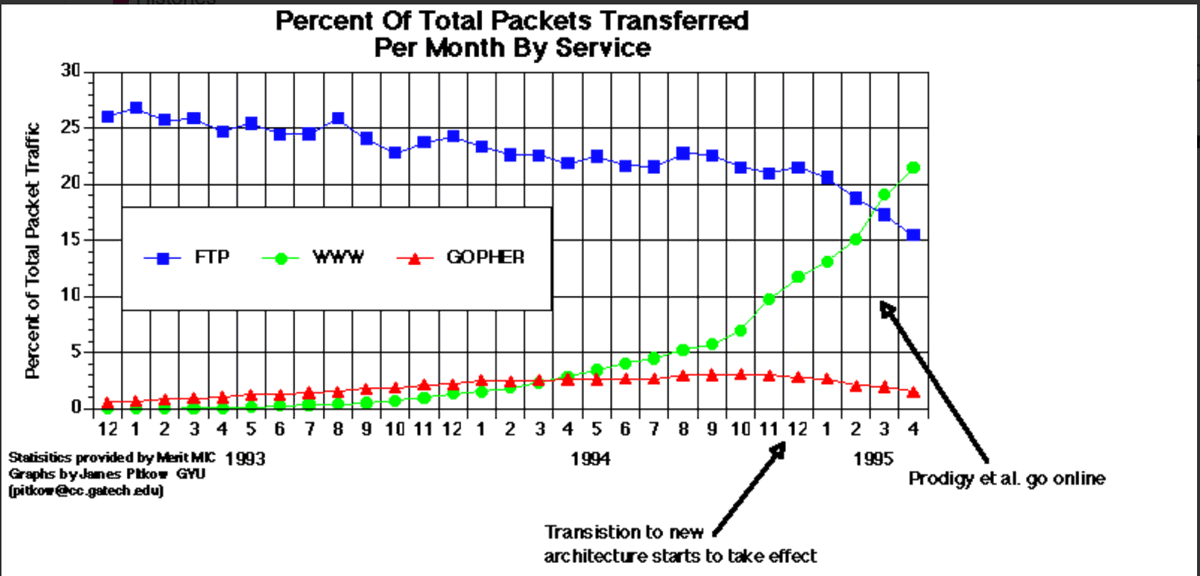
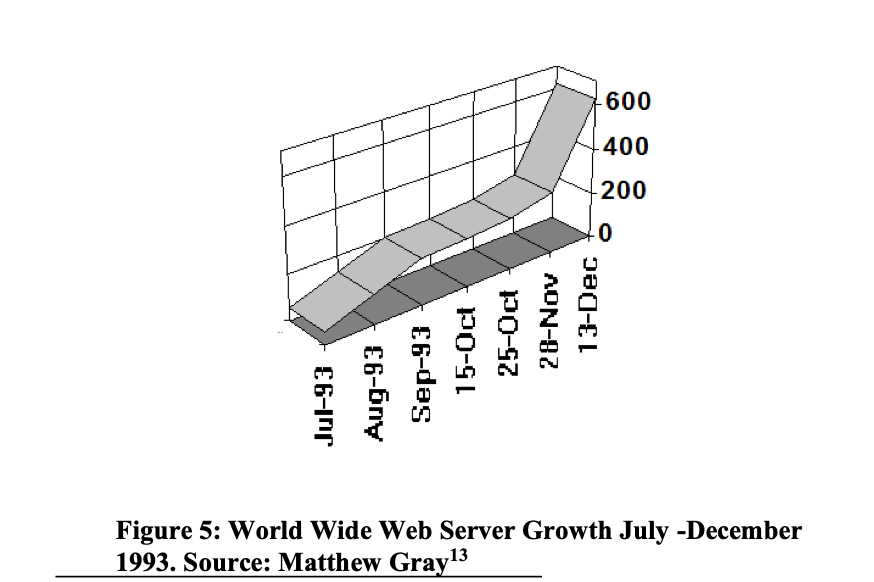
A key thing is that today’s Apple engineering team not just the well known learned engineering in a “modern” way via NeXT. It was the equivalent of the experienced DEC people joining Microsoft. Even with Win95, Microsoft needed a modern architecture exactly the same way. Both Apple and MS earned that lesson via outsiders. It is highly likely absent NT would have also found it in a System 7 architected trap. Only the motivation to exit it would not have been existential. It would have greatly delayed client/server. The butterfly effects are fascinating.
I see the idea of AI socialism is back in the news again today.
I’ll just reiterate what I’ve said here many times before: The idea of nationalizing AI – whether “hard” (complete govt ownership) or “soft” (equity stakes) nationalization – should be rejected in all its forms. It does not matter whether AI nationalization is being pitched by Bernie Sanders, national security hawks, or AI companies themselves – all flavors of AI socialism are poisonous and must be stopped.
Nationalizing AI, or even treating AI like a regulated monopoly or public utility, would have the same deleterious effects (and then some) that we have seen in countless other historical case studies. The entire history of nationalization and utility-style regulation is one of capture and cronyism, diminished innovation and consumer welfare, and censorial controls on speech in the case of information and communications technology (ICT) markets. Our nation would lose its competitive advantage in computation and algorithmic innovation if we took this disastrous path for AI. AI would become a Technology of Control instead of a Technology of Freedom.
Below you will find some journal articles and essays I’ve authored on the ugly history of soft nationalization and regulated utility economics and politics in the ICT policy world. We must not repeat this disastrous history with AI.
it's wild -- i spent the last 2 decades of my career putting everything in the cloud and now i'm figuring out how to give colleagues remote access to a mac mini sitting in my downstairs home office
Anthropomorphizing AI will continue to be a design and technology mistake with unbounded implications. The original "I am just a large language model" and subsequent caveats will be the equivalent of EULAs when it comes to understanding limitations.
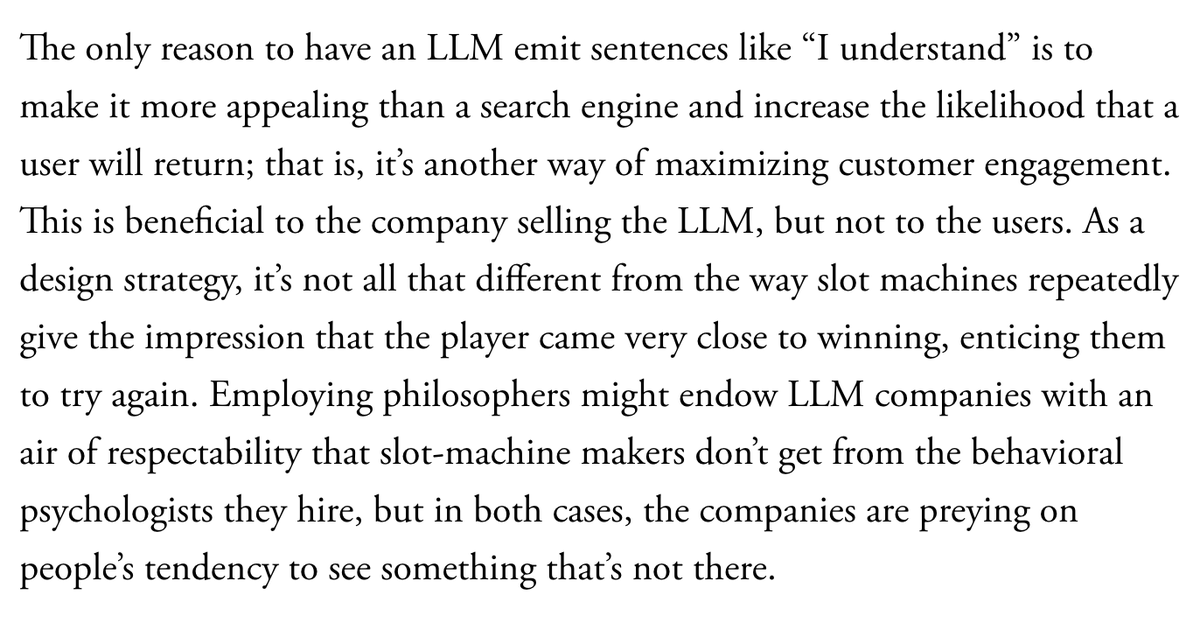
Compelling essay by sci-fi writer Ted Chiang on why LLMs are nowhere near consciousness, but why it serves the interests of LLM companies to constantly suggest that they might be.
I've pulled one quote below, but the whole article is worth reading.
Anthropic’s constant fear-based marketing strategy to generate attention, which transparently aims for regulatory capture ahead of its IPO, is getting tiresome. It will backfire for the entire U.S. AI industry.
"We believe it would be good for the world to have the option to slow or temporarily pause frontier AI development to enable societal structures and alignment research to keep up with the advance of the technology."
"Training runs are far easier to conceal than missile silos"
"the world has built verification regimes for other complex technologies (e.g., the Intermediate-Range Nuclear Forces Treaty)" https://t.co/dNBejCRrJ6
Signs you might be trying to get your frontier AI lab nationalized:
You compare it to nukes… threaten half of white-collar jobs… warn recursive self-improvement could end humanity… then race ahead anyway.
In other words, you want the government to save us from… you.
Today, I’m excited to join Andreessen Horowitz as a General Partner and Head of Global Affairs.
This is my next chapter in the mission of securing America at home and ensuring technological innovations are adopted to keep us safe, working together with our allies to build a more secure and prosperous future.
Today, as the U.S. and China compete on the global stage, the spread of technology is tinged with geopolitics and more fragmented.
Security now requires a focus on digital sovereignty, supply chain resiliency, and the trustworthiness of the infrastructure underpinning our economies and our national security.
My full announcement:
https://t.co/GEJA7QbkNS
Help us please...our own product is getting so good it scares us in the worst way. We need help because the implications are crazy.
Yet while we easily could, we won't stop building our product…
Our internal data shows Claude is accelerating AI development—a possible path to recursive self-improvement, or AI autonomously building a more capable successor.
It’s happening faster than we thought, and the implications deserve greater attention. https://t.co/OVVPJO7VQx
The jobs data coming out continues to suggest the opposite of what a lot of people had thought would happen.
Just take engineering, as the prime example of the area with greatest AI impact (and perceived risk). Most companies now have far more software projects than ever before because of AI, and effectively only engineers are going to be the ones doing that work.
You can get by for a while by being non-technical building software, but eventually someone has to understand what the thing is that got built, has to maintain it, has to fix security issues that come up, upgrade the systems beneath it, and so on. That’s all jobs.
Now apply that to a number of other job functions. AI is going to cause companies to hire more in sales because agents can let them process more leads and do more customer research. AI will cause an explosion of new marketing roles because of how much more efficient it is to launch campaigns and target. The list goes on.
AI is going to have the opposite effect that lots of people thought on jobs.
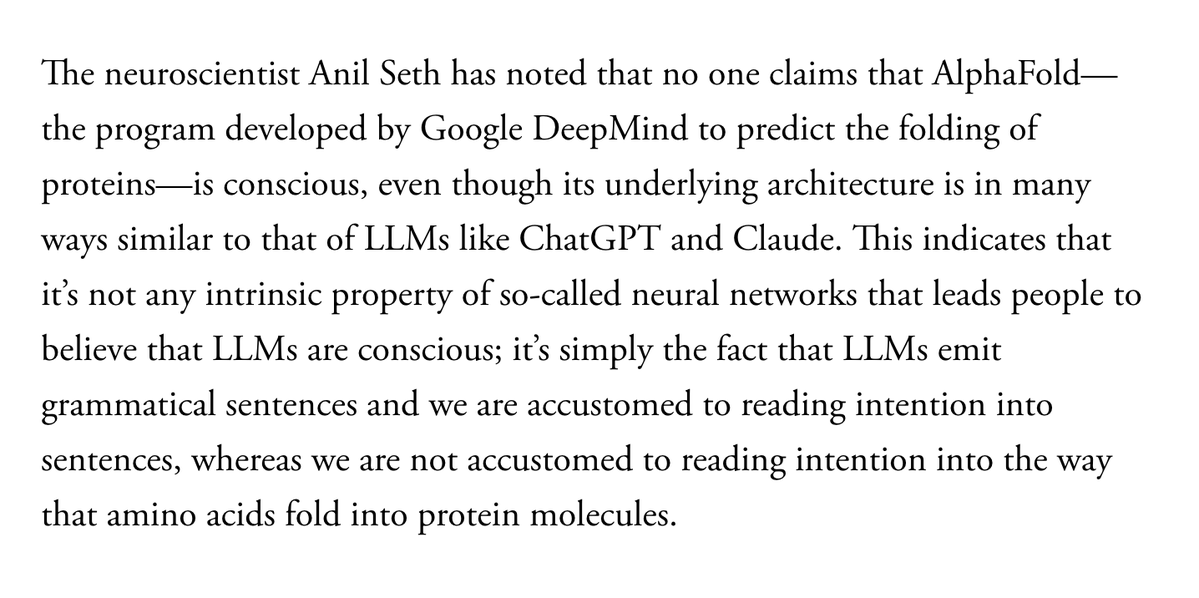
this is an interesting point in the new ted chiang piece – no one really claims that alphafold is conscious, or that sora or midjourney or dall-e are conscious