If you type “best restaurants Key West” into Grok, you are still using Google.
AI is not a search box. It is a brief.
Google finds what already exists. Grok will build an answer for your situation — but only if you stop feeding it search terms.
Try it today. Take something you would ask Google and give it to Grok.
Add the job, the background, the limits, and the shape of the answer.
If it’s close but wrong, tell it what it missed.
I just found something interesting hidden on the SpaceX website
Go to:
https://t.co/viRbWa2eZf → Human Spaceflight → Space Station → scroll all the way down → “Play Now”
It’s a live Dragon docking simulator where you try docking with the ISS yourself
And really… this game is way trickier than it looks
You think it’ll be simple until the capsule starts drifting sideways and rotating at the same time 😭
Made me realize how insanely precise real docking actually is. The controls, timing, movement… everything has to be perfect
While you slept last night, completely still in your bed, our galaxy moved millions of kilometers through the cosmos. You woke up in the same room, on the same planet, yet unimaginably far from where you were the night before.
The Milky Way is not drifting quietly through the universe. It is racing through space at around 600 kilometers per second, carrying billions of stars, planets, and everything on them along for the ride.
It is a good reminder that even when life feels motionless, you are always in motion.
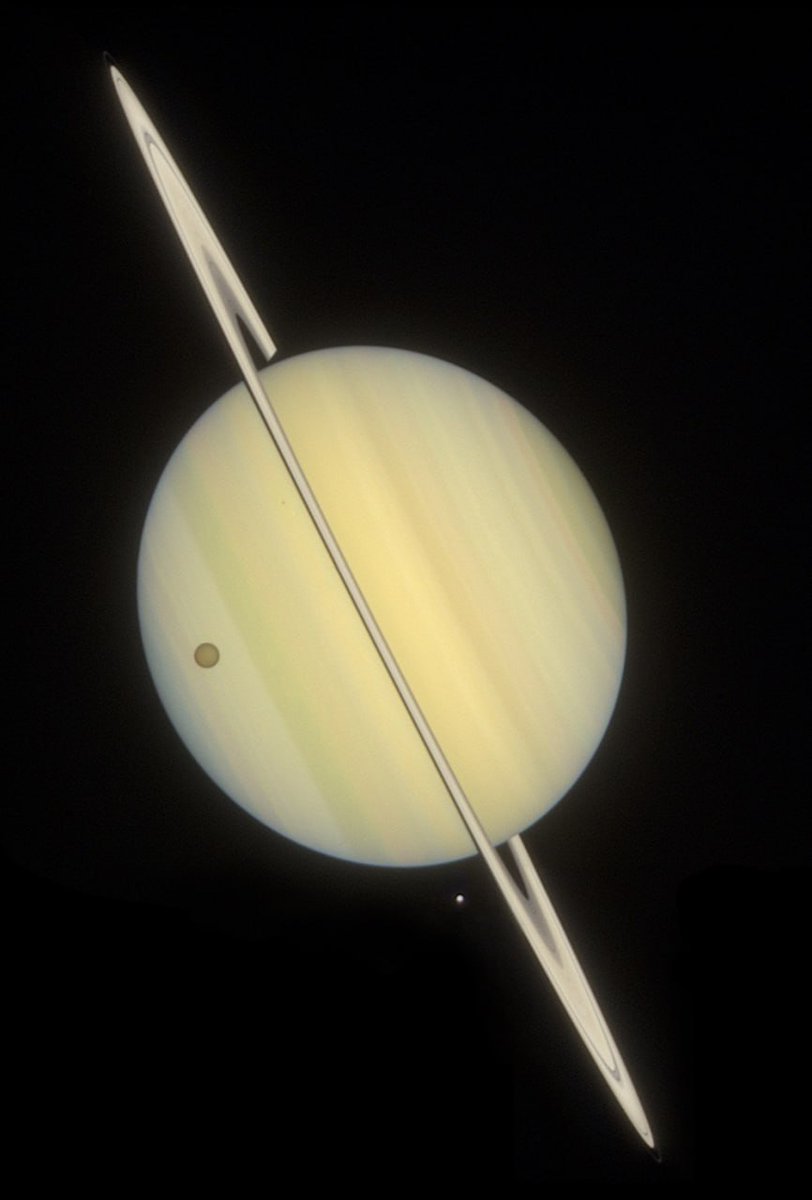
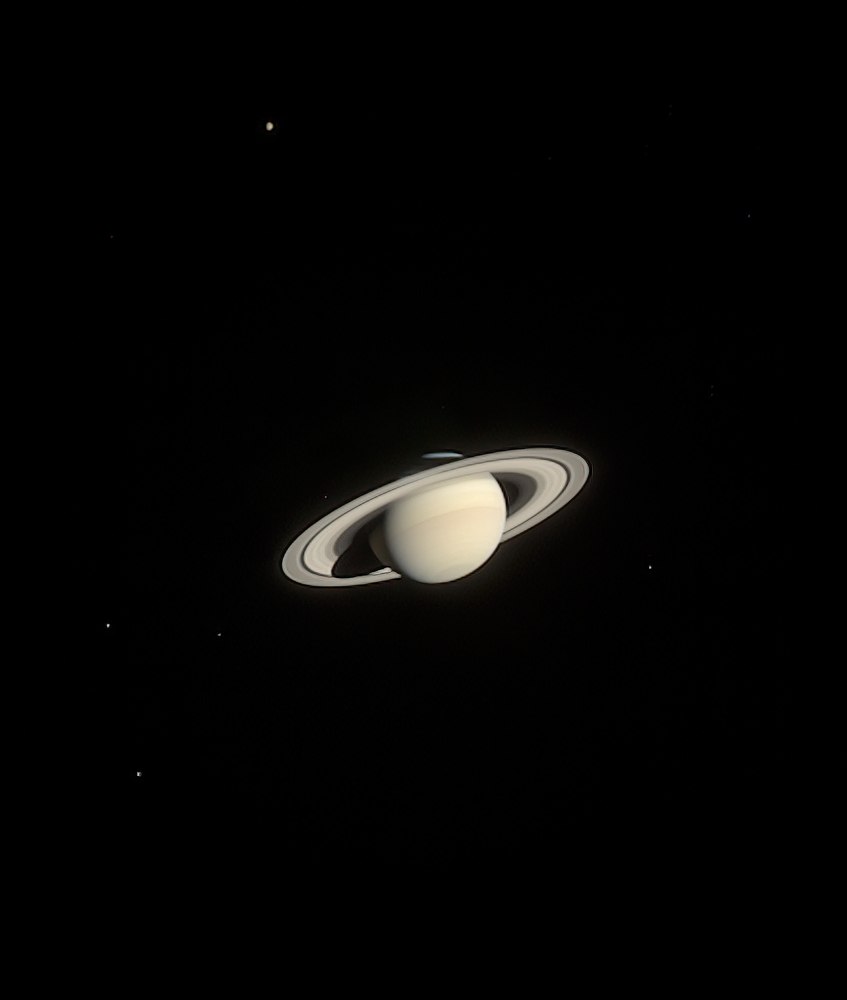
Astronomers have discovered eleven new moons of Saturn.
Most of them are small rocky bodies up to 5 kilometers in diameter. They move in retrograde orbits, meaning they rotate in the opposite direction to Saturn's rotation around its axis.
Until recently, Jupiter was considered the leader in the number of moons. However, in recent years, Saturn has significantly surged ahead. This large number of moons is likely due to a relatively recent (in astronomical terms) collision of large moons. This collision produced numerous fragments, some of which eventually became individual moons. It's possible that this same event played a role in the formation of Saturn's famous rings.
For comparison, 101 moons have been confirmed to date around Jupiter, 29 around Uranus, and 16 around Neptune. This makes Saturn far more numerous than all the other planets in the Solar System combined.