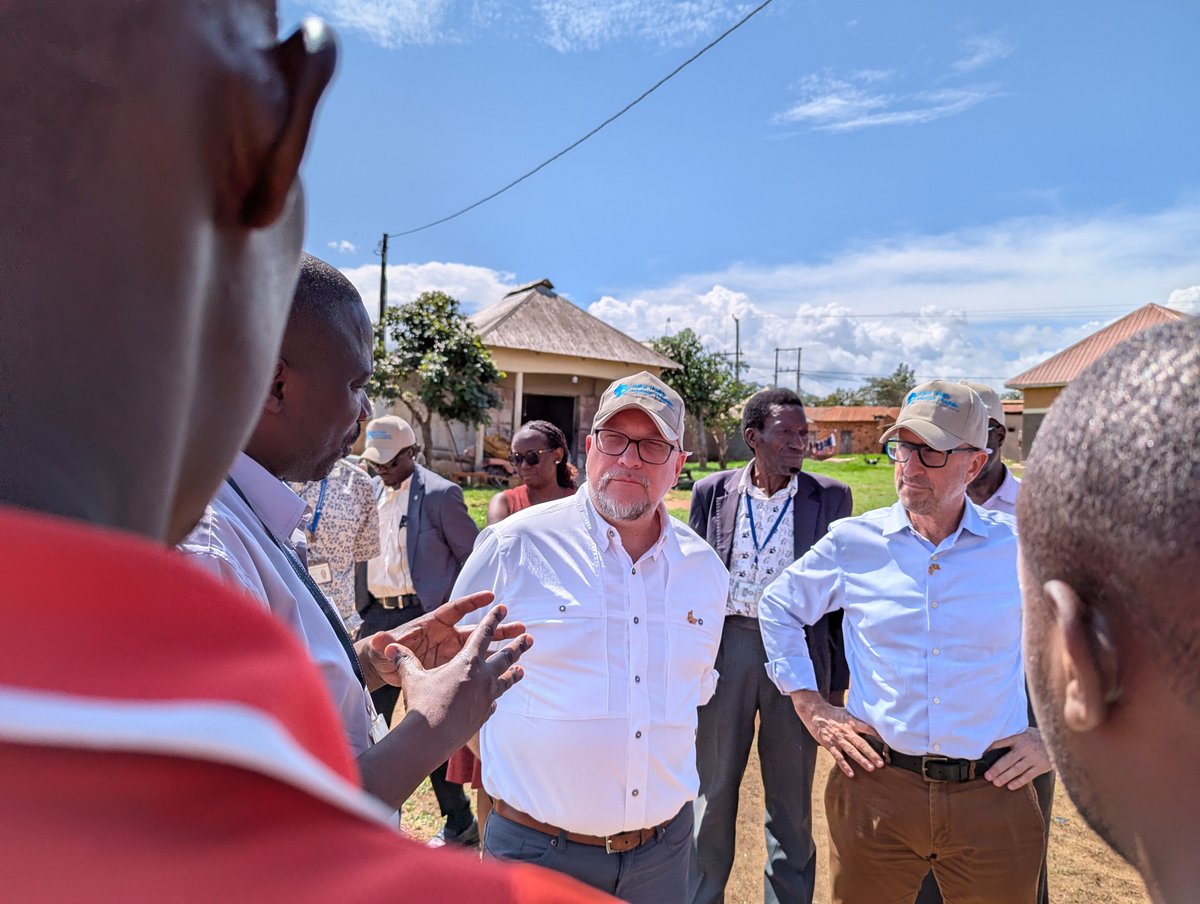
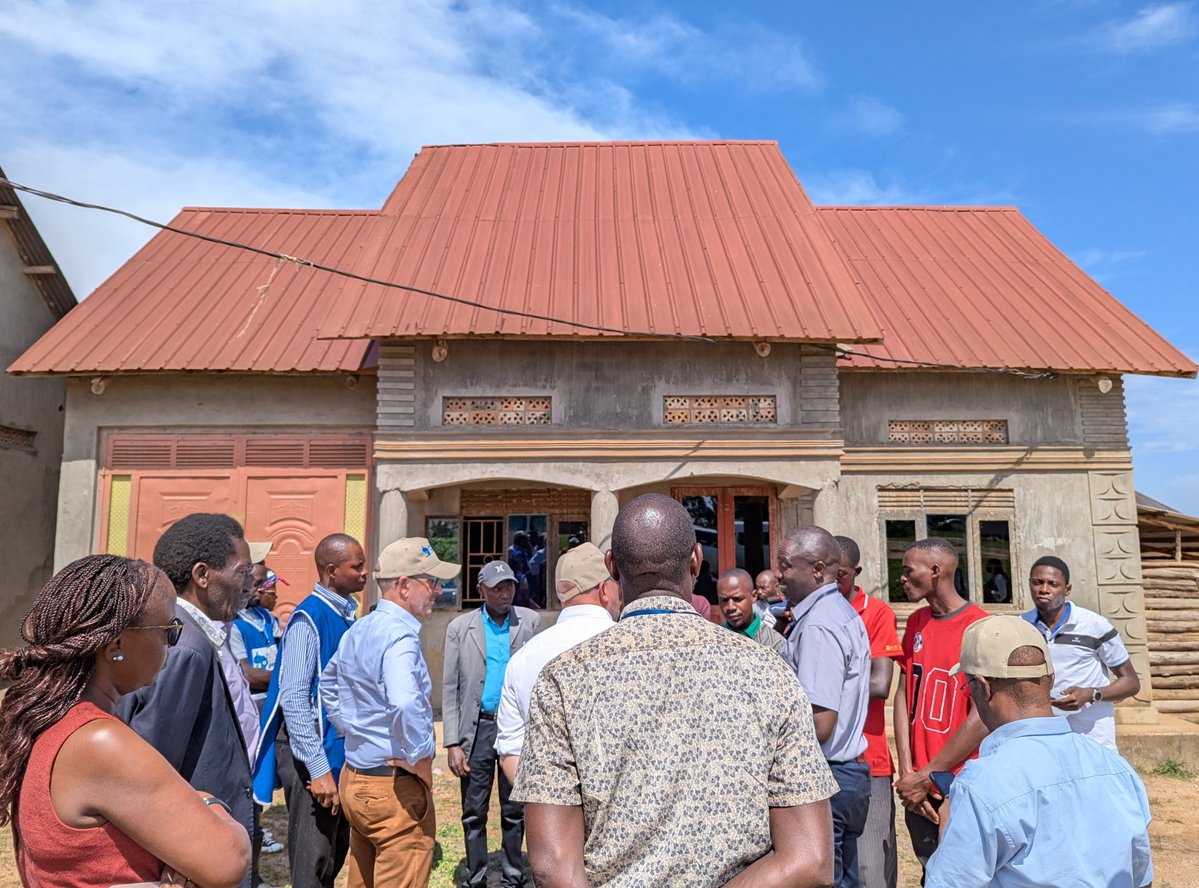
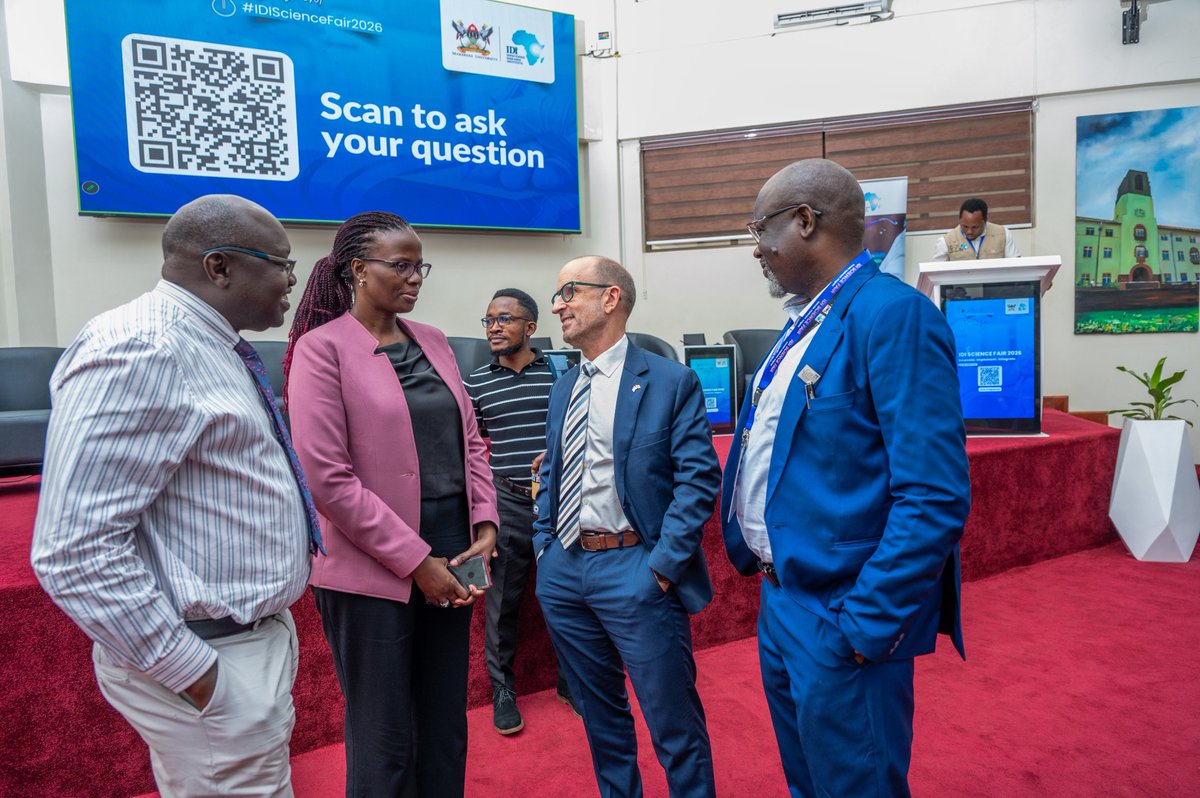
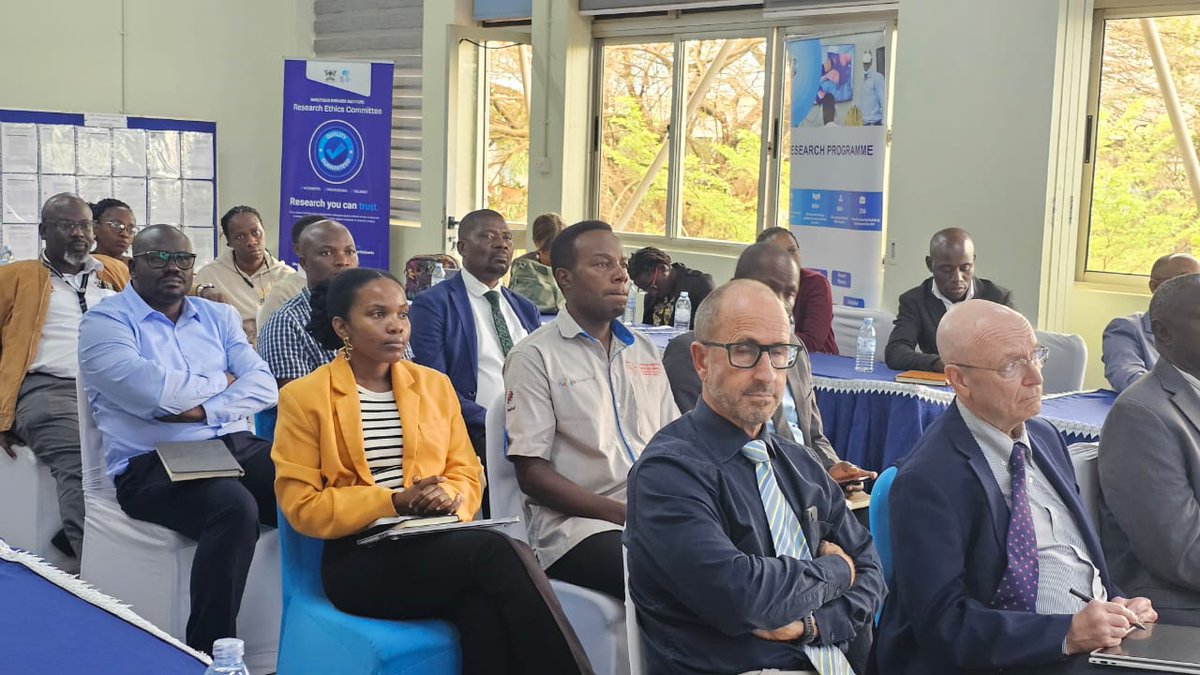
U.S. Embassy Chargé d’Affaires Mikael Cleverly, accompanied by Dr. Steven Reynolds of NIAID/NIH and an NIH delegation, visited Lwaggulwe Sub-county, Kyotera, to observe community census activities under RHSP’s Rakai Community Cohort Study (RCCS).
RHSP today welcomed the U.S. Embassy Chargé d’Affaires to Uganda, Mikael Cleverly, to its headquarters in Kalisizo, Kyotera District.
During the visit, RHSP leadership shared the organization’s research journey, scientific contributions and ongoing work to improve
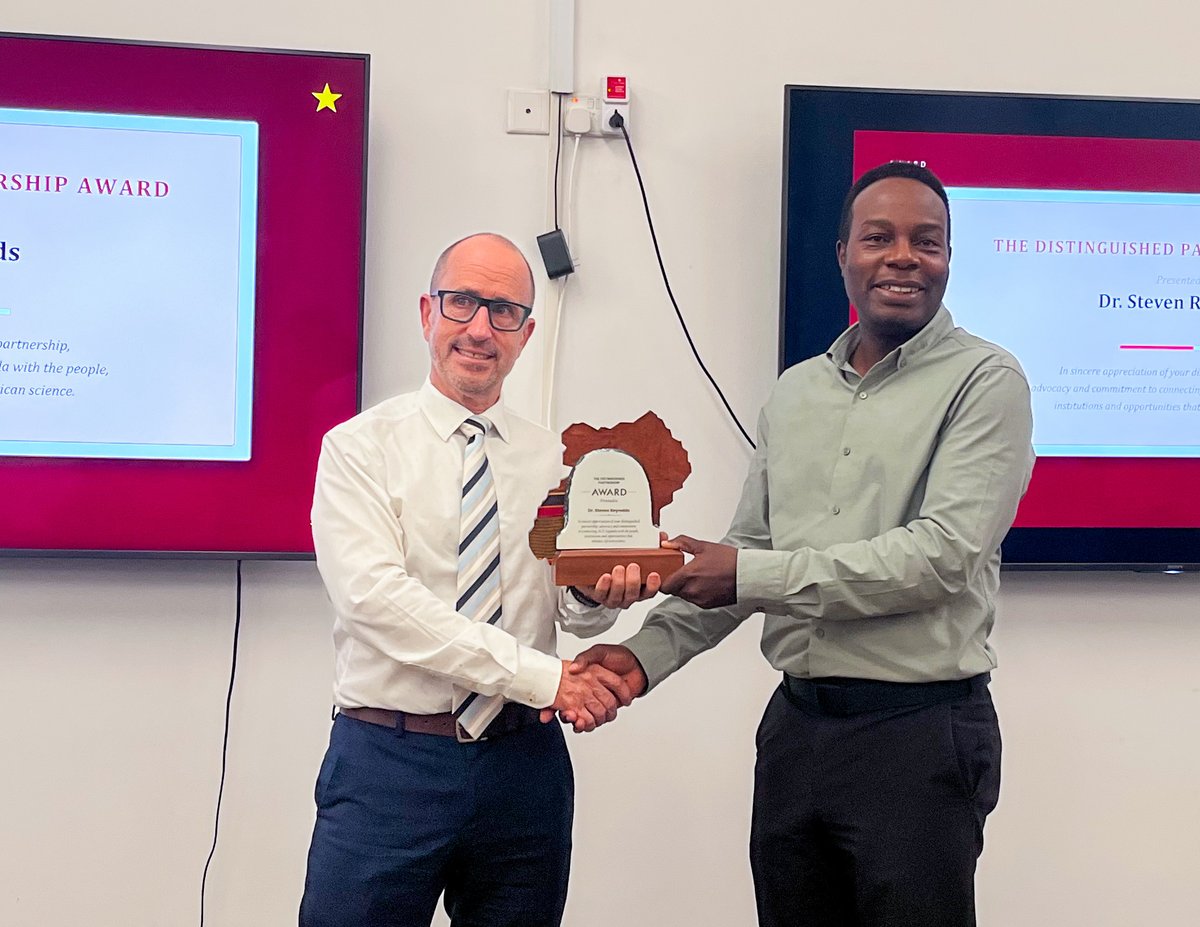
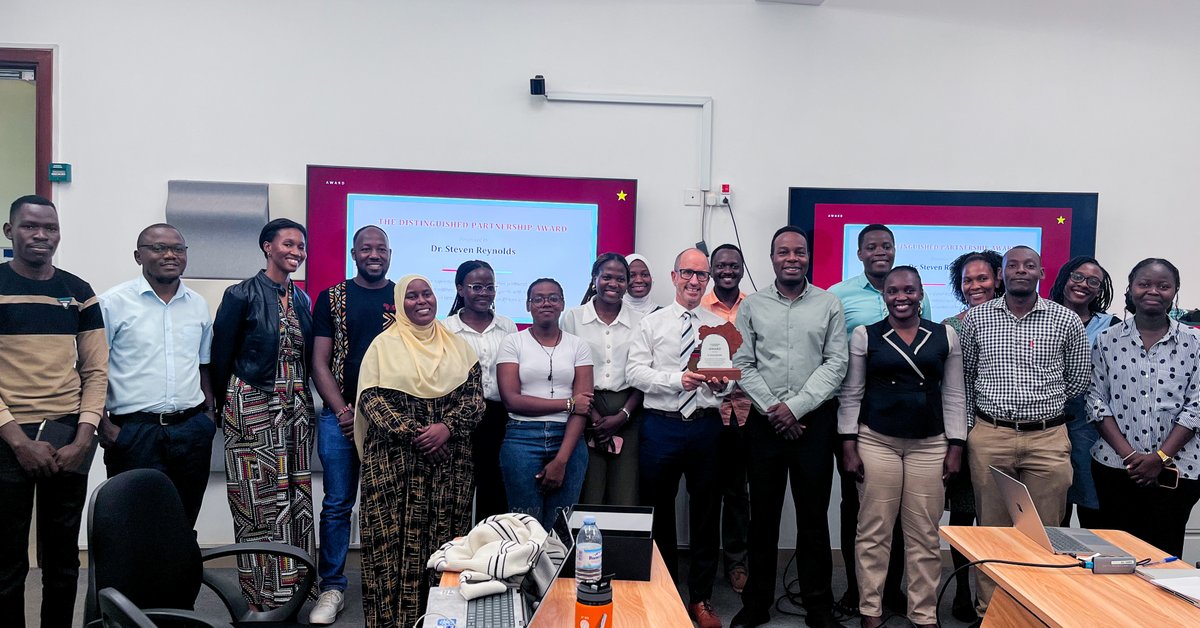
Today, we presented Dr. Steven Reynolds with a Distinguished Partnership award.
In appreciation for his advocacy and commitment to connecting ACE Uganda with the people, institutions and opportunities that advance African science.
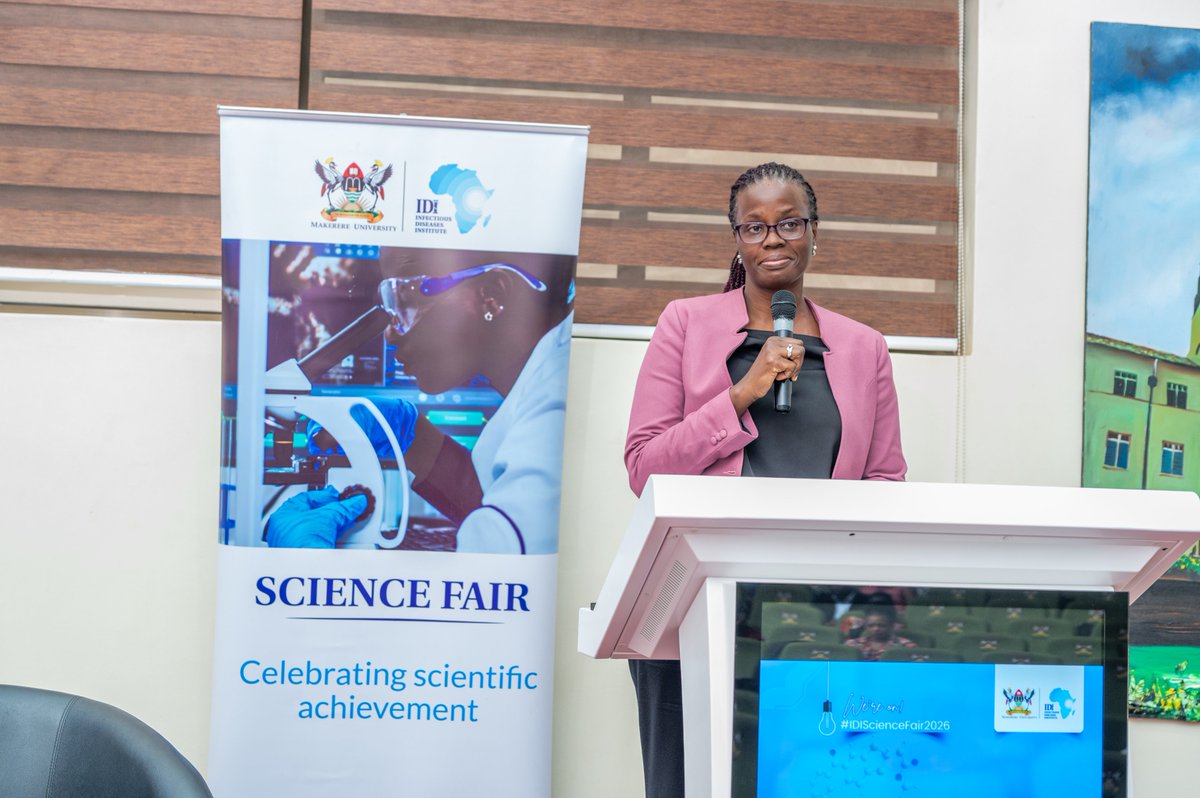
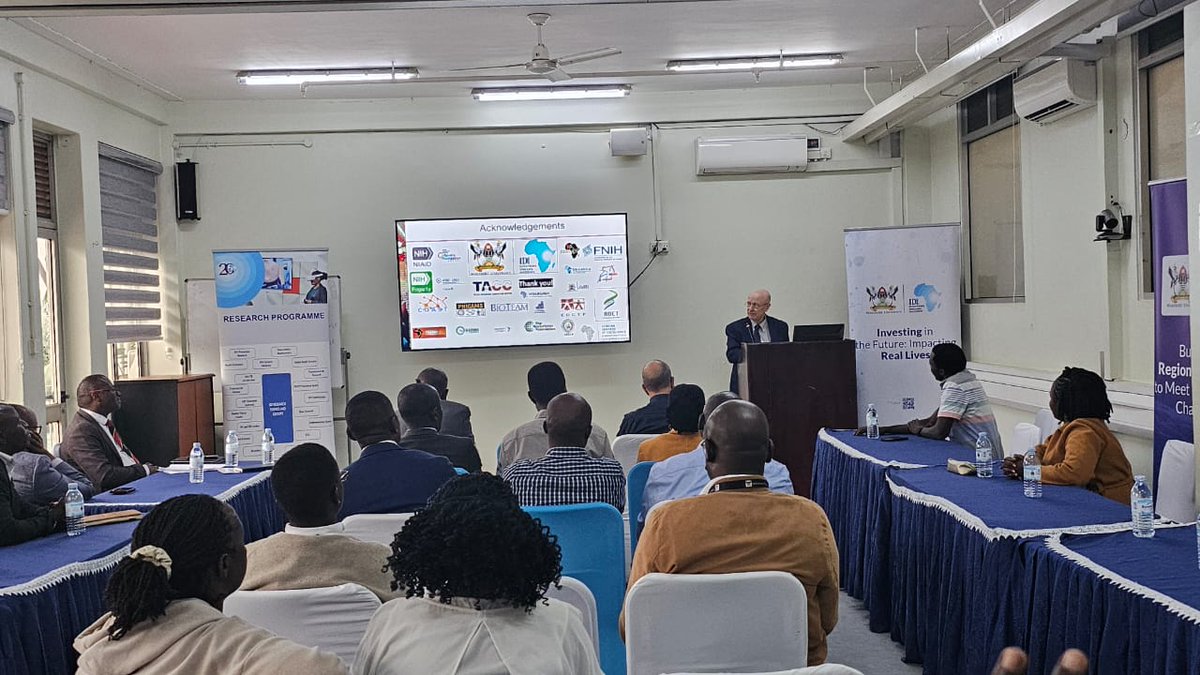
"I was sceptical about the COVID vaccines, until I listened to the scientists &found reassurance in the science." That's how @ShereniSusan opened #IDIScienceFair2026, representing @akambugu.
Her point: trust in science isn't automatic. It's earned by evidence reaching real people
For more than three decades, research conducted in Uganda’s Rakai district has helped change the global fight against HIV. The Rakai Health Sciences Program has generated landmark evidence that has shaped prevention and treatment strategies worldwide.
#NTVNews
https://t.co/PiYEx4gVYK
Today CHS hosted the Director of Fogarty center that is funding 9 graduate training projects. Since graduate training is mainly private these projects are huge relief to students. We thank NIH and Fogarty. Knowledge is also generated through students research.
What does it take to build world-class research capacity in Uganda? Today, we got to show him.
We welcomed @Fogarty_NIH Director Dr Steven Schiff to our Mulago campus, where he met NIH & Fogarty grantees and PIs shaping the future of health research.
#OneIDI#Research
In celebration of 90 years of partnership, started by the 🇺🇸 Rockefeller Foundation with @UVRIug, the U.S. is announcing $930,000 for mobile labs & 1 vehicle, as well as $245,000, through the U.S. Ambassador’s Fund for Cultural Preservation, to complete the UVRI Museum. Congratulations to #UVRI@90! Here's to the next 90 years!
New #Bundibugyo Ebola (BVD) insights from @WHO: a striking symptom cluster (combinations), clear evidence that patients become infectious only after symptom onset, and occupation data showing housewives and healthcare workers most affected—critical signals for clinicians and border health officials.
Most confirmed BVD cases present with a combination of five to six symptoms, most commonly severe fatigue, fever, nausea/vomiting, loss of appetite, and diarrhea. This pattern may help clinicians and border health officers flag suspected cases earlier in the course of illness.
Although the analysis is preliminary and cannot yet determine whether these symptoms drove health‑seeking behavior or were simply the most frequently reported clinical features, the signal is epidemiologically useful and warrants close attention.
The @WHO and @AfricaCDC report that BVD transmission begins after symptom onset; people are not considered infectious during the incubation period, in line with current Ebola guidance from the WHO and US CDC. This has important implications for risk assessment at points of entry and for prioritizing rapid recognition and isolation once symptoms develop, rather than focusing on asymptomatic travelers.
Occupational data in #DRC indicate that housewives comprise the largest affected group (21.9%), followed by healthcare workers (9.3%), highlighting the dual need to protect households and frontline staff. This underscores the importance of strong infection prevention and control (IPC) measures in health facilities, as well as targeted community risk communication that addresses caregiving roles, household exposure, and gendered patterns of contact.
These findings were presented by Dr. Patrick Otim, Programme Area Manager (Emergency Response), WHO Regional Office for Africa, during a WHO EPI‑WIN webinar on 9 June 2026. The original figures were in French and have been translated into English for wider use by public health and clinical audiences.
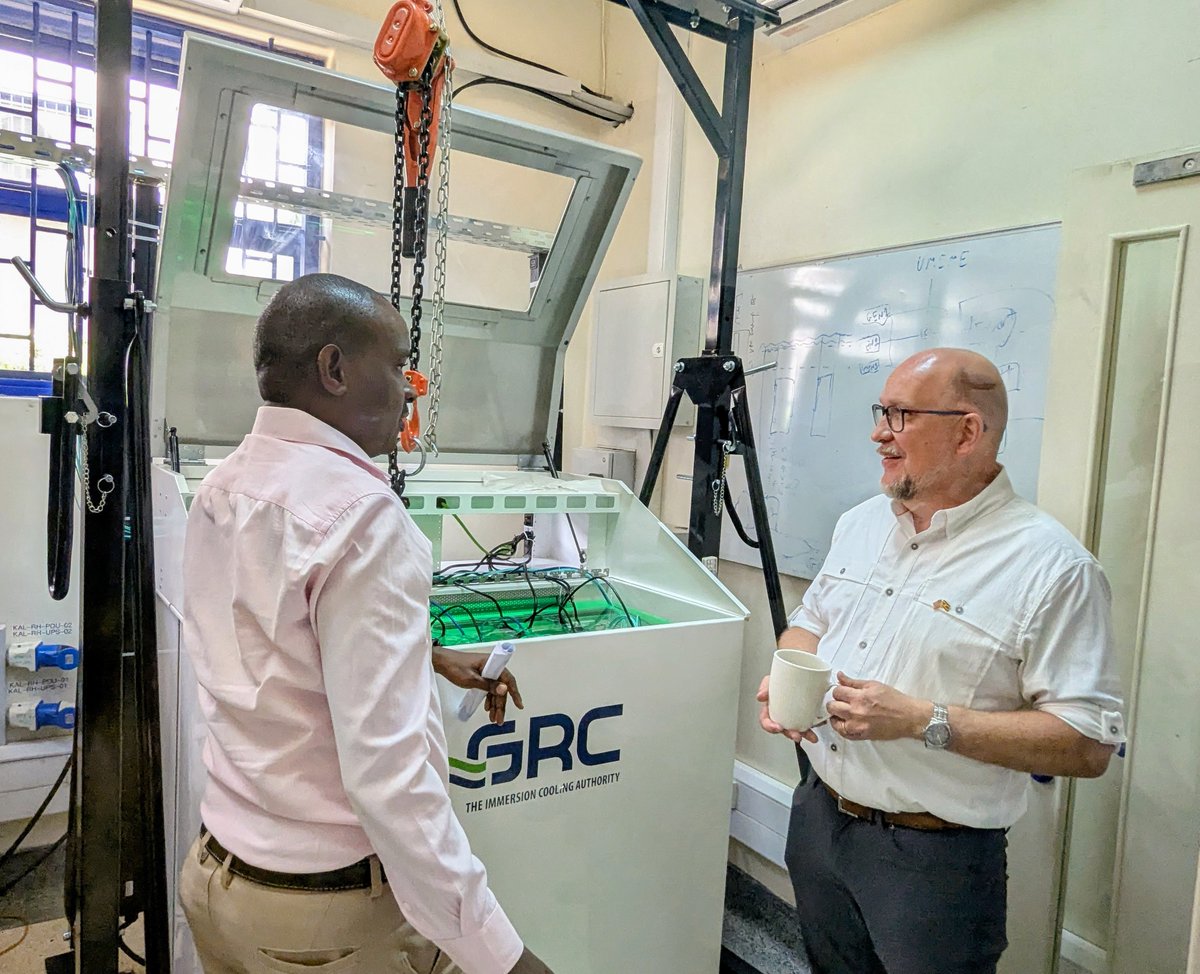
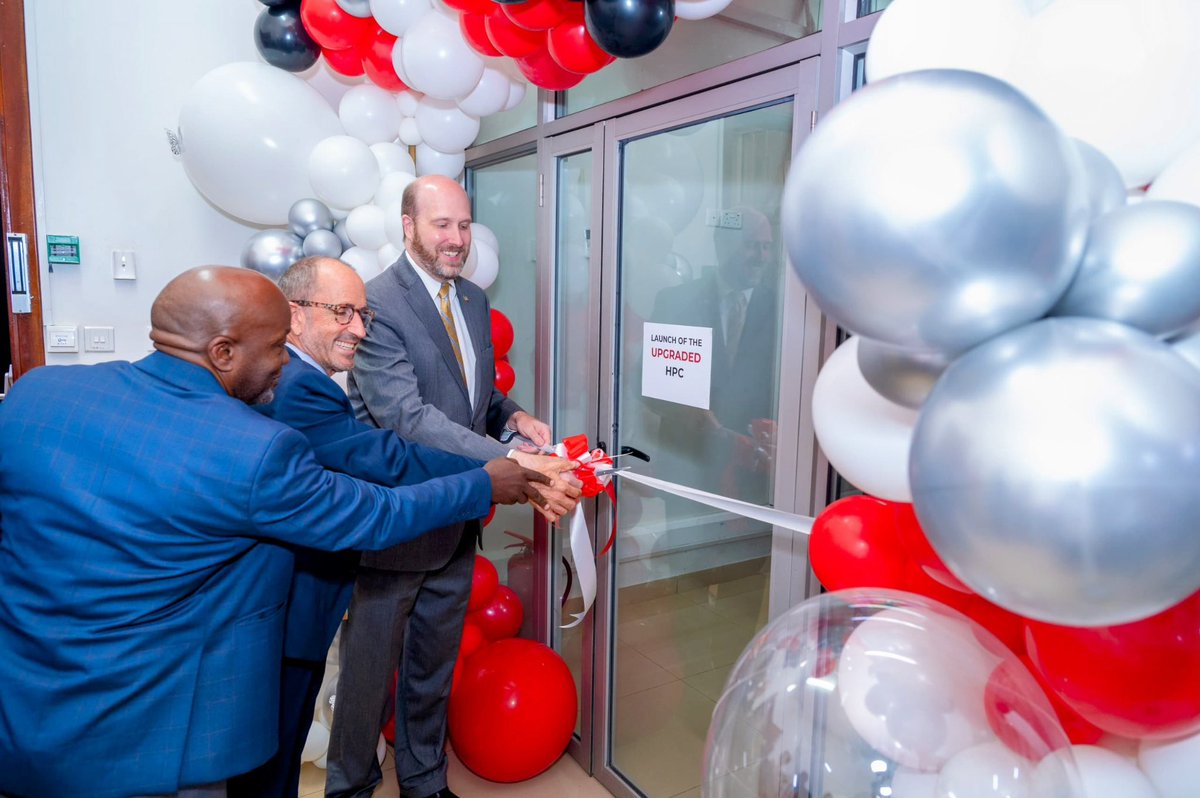
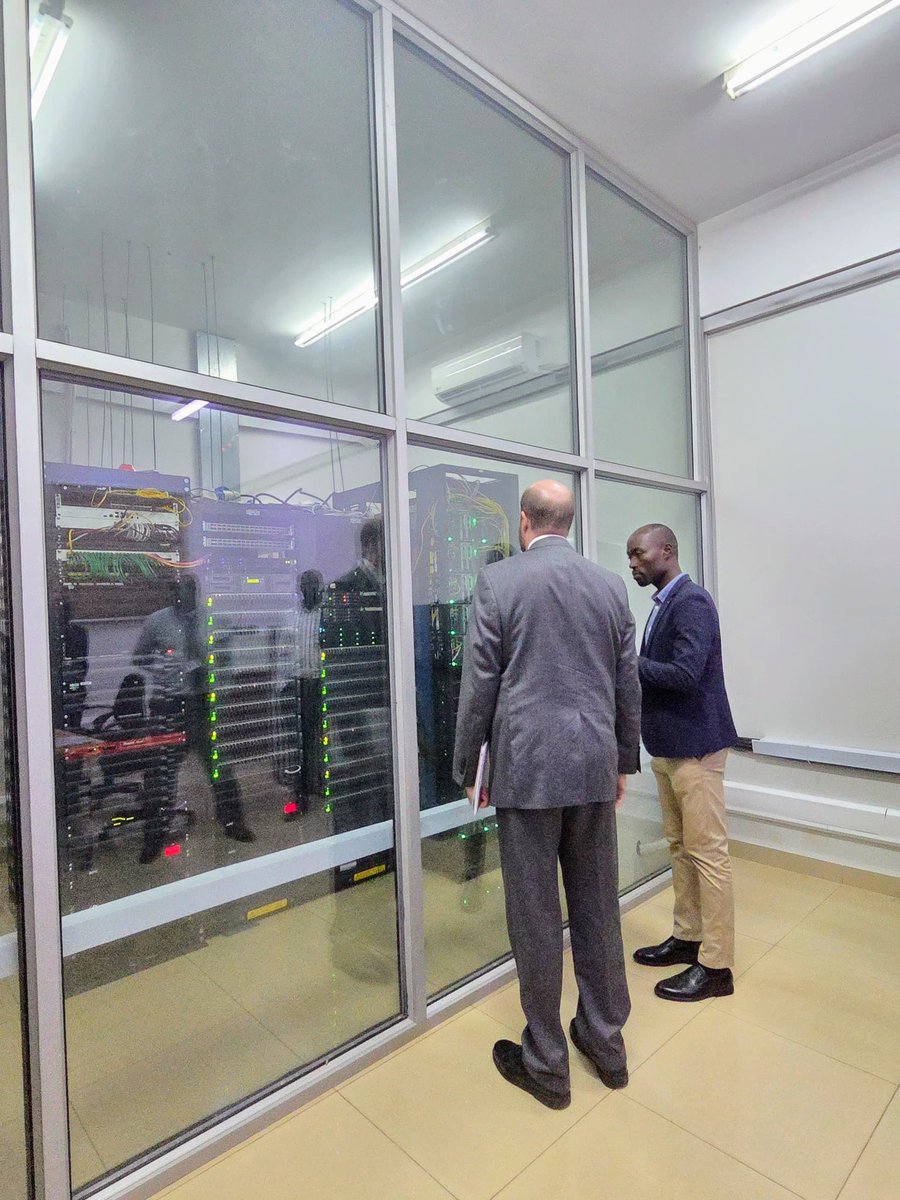
#AmbPopp launched a new 🇺🇸 @NIH-supported high-performance computing center at the @IDIMakerere African Center of Excellence in Bioinformatics at @Makerere, increasing its computational capacity five-fold. This major milestone helps researchers from 🇺🇸, 🇺🇬, & the region to dramatically accelerate health research that saves lives & fast-tracks the development of drugs that make 🇺🇸, 🇺🇬, & the world safer.