What’s the worst sting? Is a scorpion, centipede or wasp sting different to a bee’s? Do those even sting?
In this account I share my experiences with the world’s stinging wildlife. I describe the sting in the style of my late friend and collaborator Dr Justin Schmidt* 1/2
Tarantula Hawk. Tribe Pepsini [Omkoi, Thailand; ID appreciated]. 38 mm. Asia. Liquid heat – a lava bubble pops and splashes your ankle. Pain level: 6/10
Asian giant centipede. Scolopendra subspinipes. 120 mm. Asia. Spreading, aching, throbbing pressure, fighting to escape. All-encompassing and overwhelming – your worst sinus infection, on a long-haul flight – when will it end. Pain level: 10/10
European fire ant. Myrmica rubra. 7 mm. Europe. “The prickle of stinging nettles against your skin on a hot, humid day”–Justin Schmidt. Pain level: 2/10
UQ’s PhD scholarship round is now open (closing Aug 31). If you or someone you know is interested in pursuing a PhD in venom-related research at one of Australia’s top research institutes, let me know!
Yellow-legged hornet. Vespa velutina. Vespidae. 20 mm. Asia. Instant intense building sharpness that turns bloody – a memorable misadventure with a nail gun. Pain level: 7/10
Red-footed ant. Pseudoneoponera rufipes. Formicidae. 18 mm. Asia. A little burn leaves a blister – you impatiently tried to sip the foam off your hot chocolate and got the scolding liquid on the tip of your tongue. Pain level: 3/10
Elephant nettle. Dendrocnide sinuata. 10 m. Asia. Tried out some cheap dentistry, shouldn’t have - starts as a rashy tingle but beware the toothbrush or anything remotely cold for the next week. Pain level: 4/10
Note: This non-stinging fly mimics bumble bees (genus Bombus) in both appearance and behaviour. Although it doesn’t sting, it does have a sharp spikes, which when combined with the mimicry can make a convincing case for release.
Up close, the army ant Eciton hamatum is part monster, part marvel. Curved mandibles jut from its bulbous head like a pair of scimitars. Six whip-thin legs, bristling with hairs and spines, suspend its slender thorax above the ground. Then there are the insect’s innards—the tiny brain, the musculature filling virtually every nook and cranny of the exoskeleton, the digestive tract like a thread running the length of the body.
The view of this species, and 791 others, comes thanks to a particle accelerator and years of painstaking work by a team of biologists.
Learn more: https://t.co/h7Oz4z8bOS @NewsfromScience
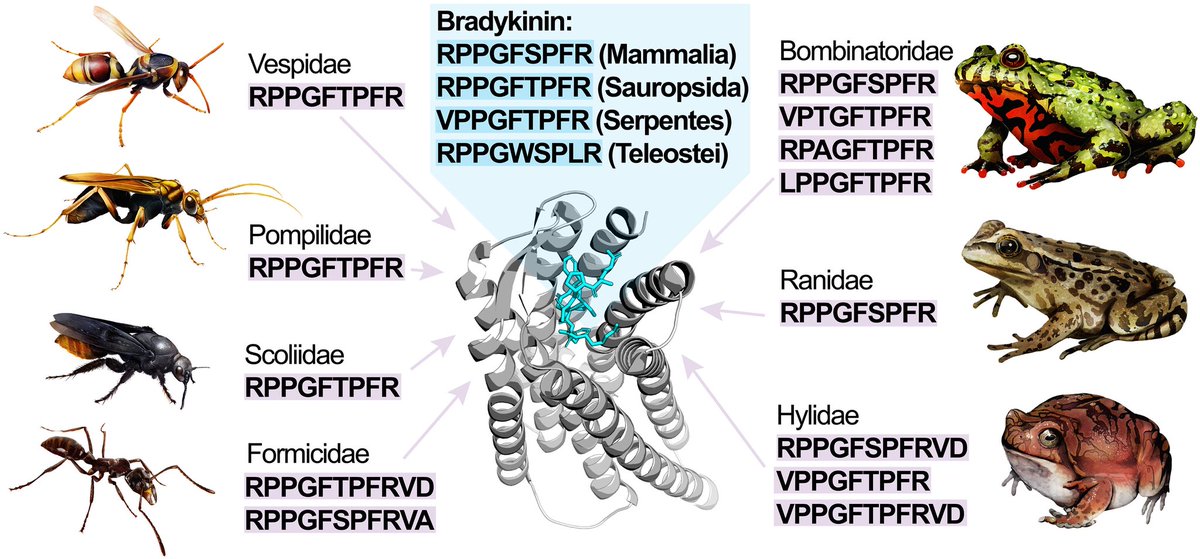
Our research @StingScience@IMBatUQ showcasing some surprising insights into evolution from wasp stings and frog skin – today in @ScienceMagazine https://t.co/Z3fJde3x4g
The discovery shines a light on what has, until now, been an underappreciated feature of evolution which suggests life is not so random after all. @StingScience@UQ_News https://t.co/gWGudHDGxs




![StingScience's tweet photo. Tarantula Hawk. Tribe Pepsini [Omkoi, Thailand; ID appreciated]. 38 mm. Asia. Liquid heat – a lava bubble pops and splashes your ankle. Pain level: 6/10 https://t.co/Ngl9spQ7bN](https://pbs.twimg.com/media/HUK4lL2bgAASF_Q.jpg)
![StingScience's tweet photo. Whip scorpion. Order Uropygi [Omkoi, Thailand; ID appreciated]. 21 mm. Asia. Unflappable – no sting or spray, not even a nip. Pain level: 0/10 https://t.co/QTESr8hC6J](https://pbs.twimg.com/media/HTmfJB6aEAAH8eu.jpg)




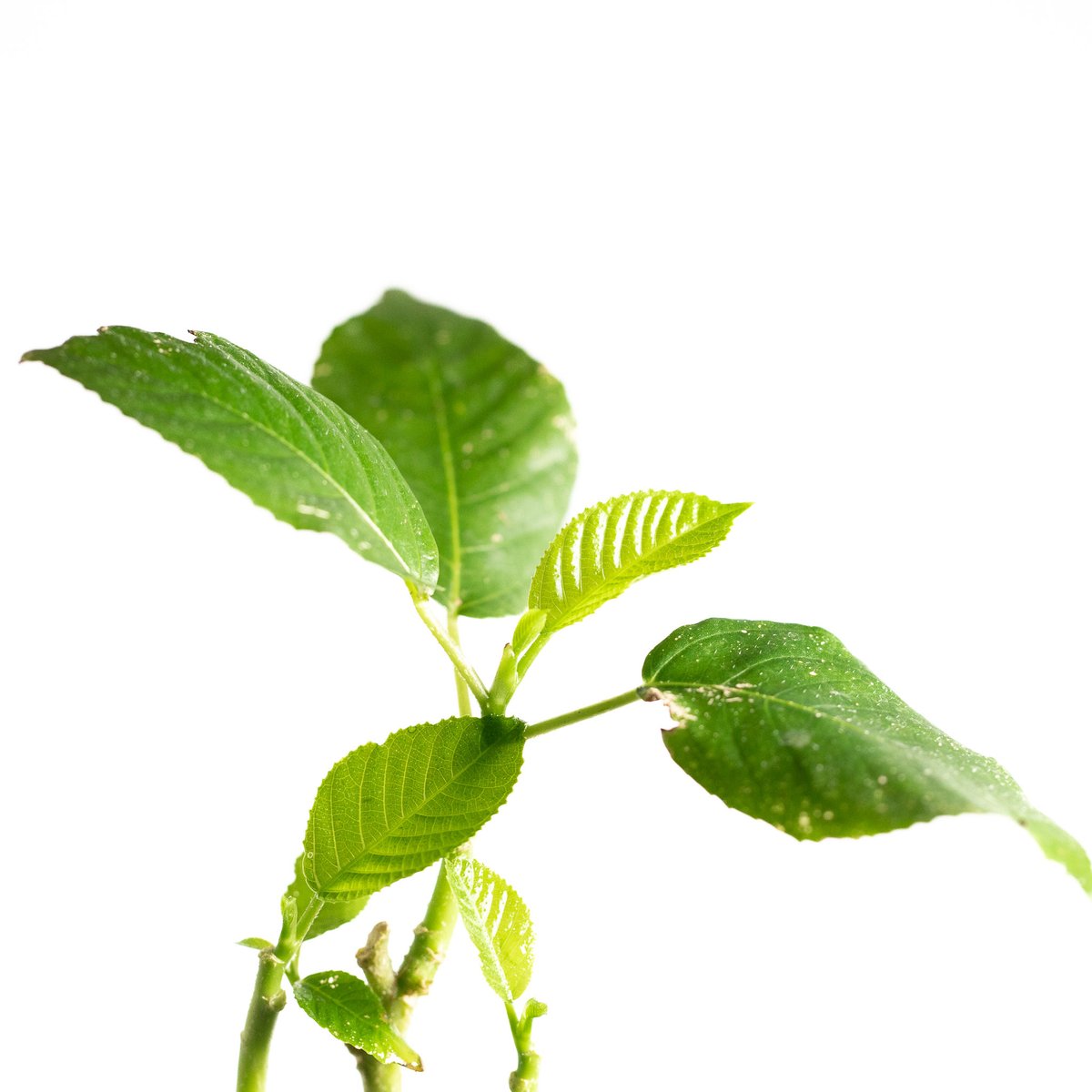
![StingScience's tweet photo. Bee mimic fly [WY, USA; ID appreciated]. 12 mm. North America. Cloak and dagger, but the dagger is plastic. No sting. Pain level: 0/10 https://t.co/zUevvNBcxQ](https://pbs.twimg.com/media/HEZcwWua8AAFvLf.jpg)