$TAO Bittensor is not fighting $BTC, and it’s not trying to replace it. I don’t know if I’ve made that clear enough before.
The purpose of Bittensor is to be a decentralized alternative for AI. We cannot allow OpenAI, Anthropic, Grok, and Meta to control something that will be involved in 70–80% of everything in the world in the near future.
Just my thoughts. I’m not ok with a few companies controlling the future of AI.
I just entered the @0x_Markets Beta.
One platform, every asset. Powered by Bittensor.
Get early access and claim your OG badge: https://t.co/AoH3jwiRrh
I believe the biggest issue behind the low sales isn’t the network itself, but the products being offered. We ran into exactly the same problem back in the old BitAds.
You only need ONE store with genuinely interesting products to turn this around. Clothes or fashion items, for example? That could bring both miners and real buyers, and make a huge difference.
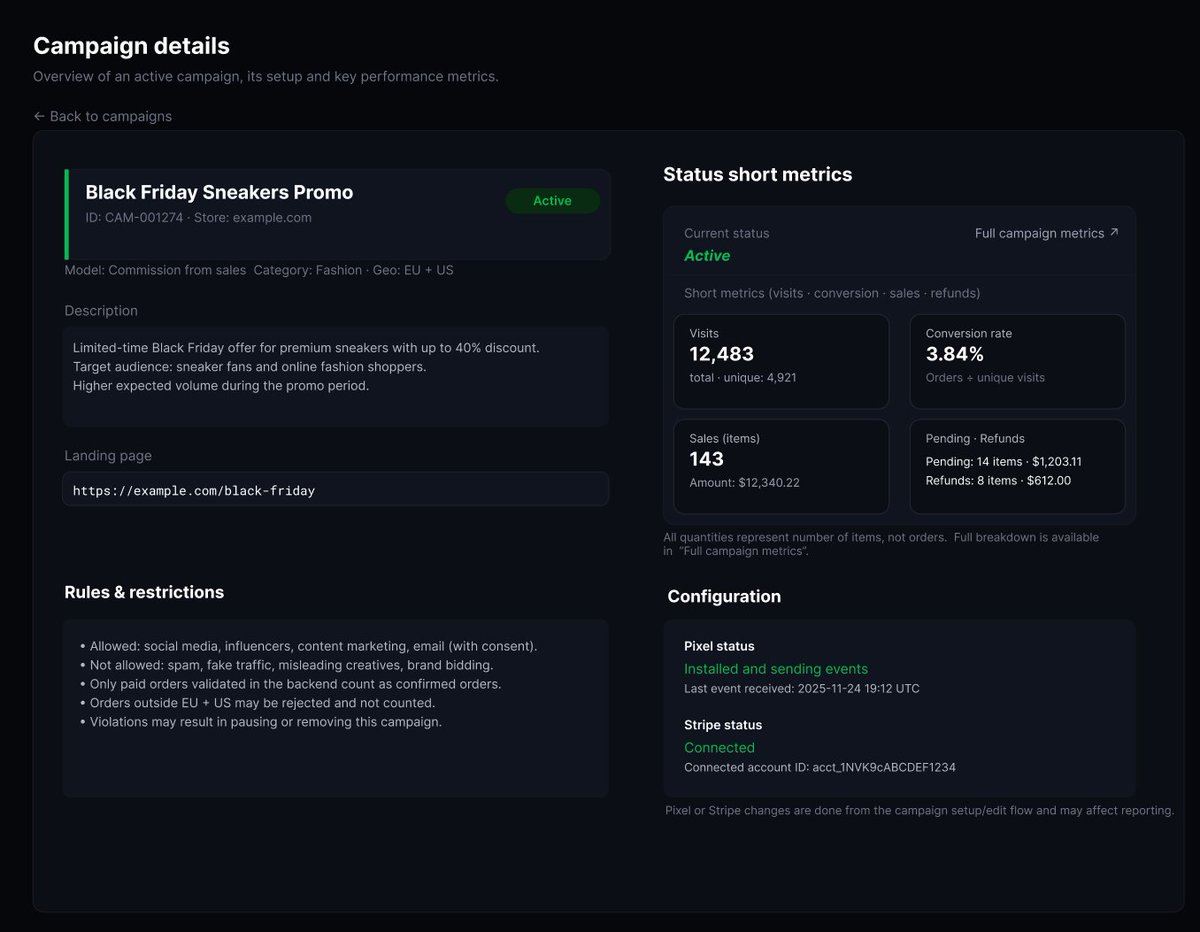
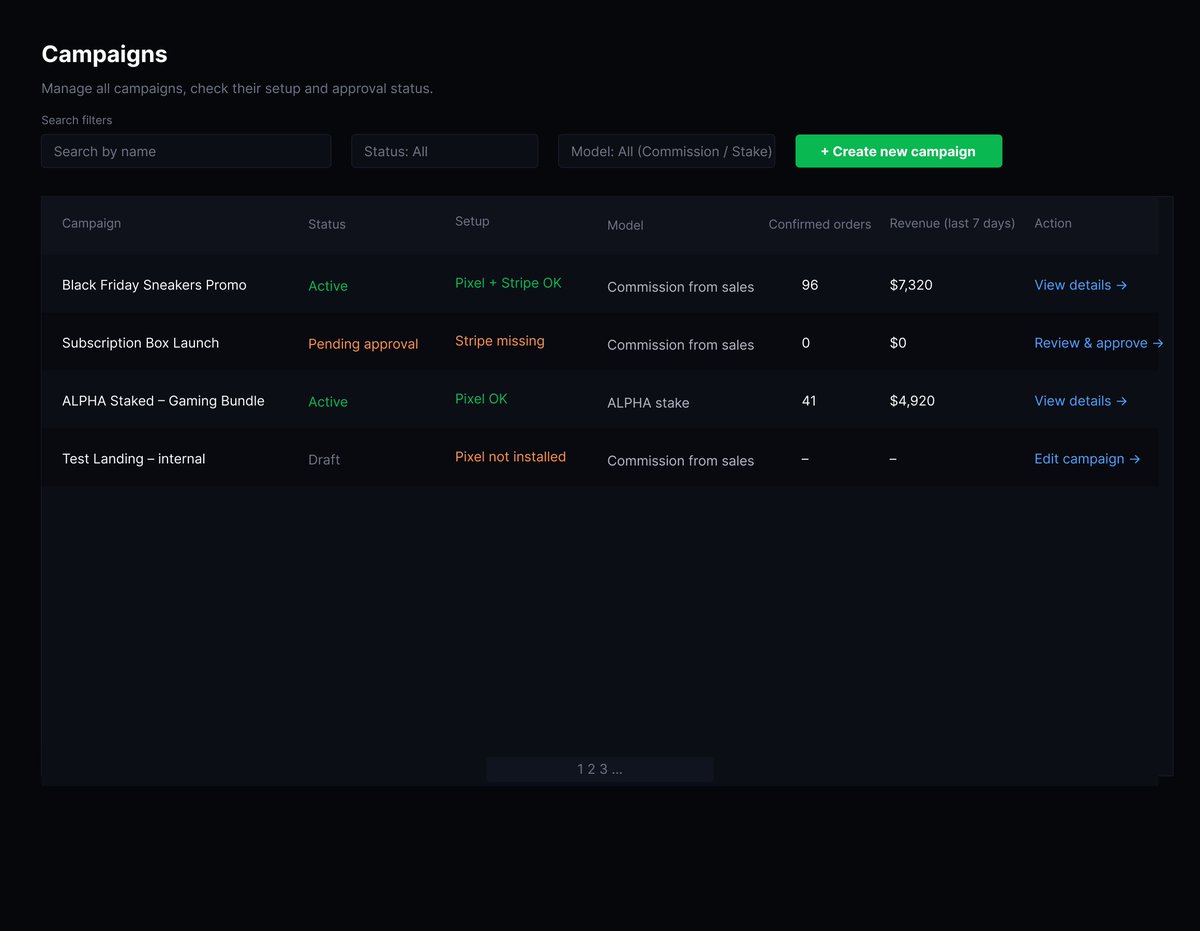
A sneak peek at the UI we’re building for miners and clients on #BitAds. $TAO
Things improve every day, so the final version may look different (the data shown is test data).
#subnet16#sn16#bittensor#alpha
I just entered the @0x_Markets Beta.
One platform, every asset. Powered by Bittensor.
Get early access and claim your OG badge: https://t.co/AoH3jwjpgP
When I post charts, engagement explodes.
When I post words, fewer pay attention...
So now I do both!
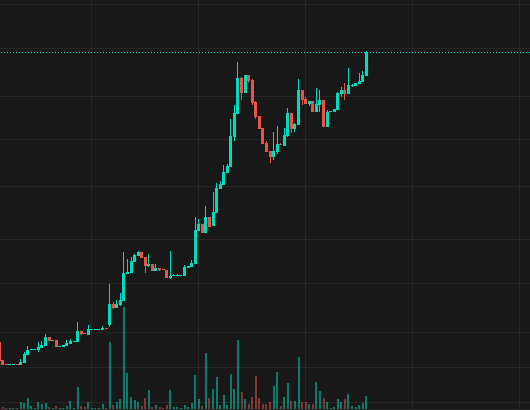
On this chart, you’re seeing marketing bandwidth as a commodity — this is BitAds (SN16), built on Bittensor. $TAO
Why does it matter?
Simply because if we execute this concept well enough, it will redefine the marketing sector.|
Transforming marketing budgets into an asset will instantly increase your ROI.
Not only that, but you will also step into a competitive marketing arena where all marketers compete with each other to be the best seller of your product.
You don’t pay them. The network will.
BitAds is not a Google Ads or Meta competitor. Your ads will run everywhere.
BUT FASTER, CHEAPER, AND BETTER!
The difference is that with this mechanism the entire process becomes more transparent, because the decision on how much revenue is used to buy back Alpha is controlled by the Subnet owner. Even if he earns $1 million in a month, he can choose to use only $100k for buybacks and keep the rest.
With our BitAds model, we allow every network participant to buy SN16 Alpha and directly influence the weights for their own marketing campaign. This way, the incentives for miners promoting their campaign increase, which ultimately results in more sales and more customers for them.
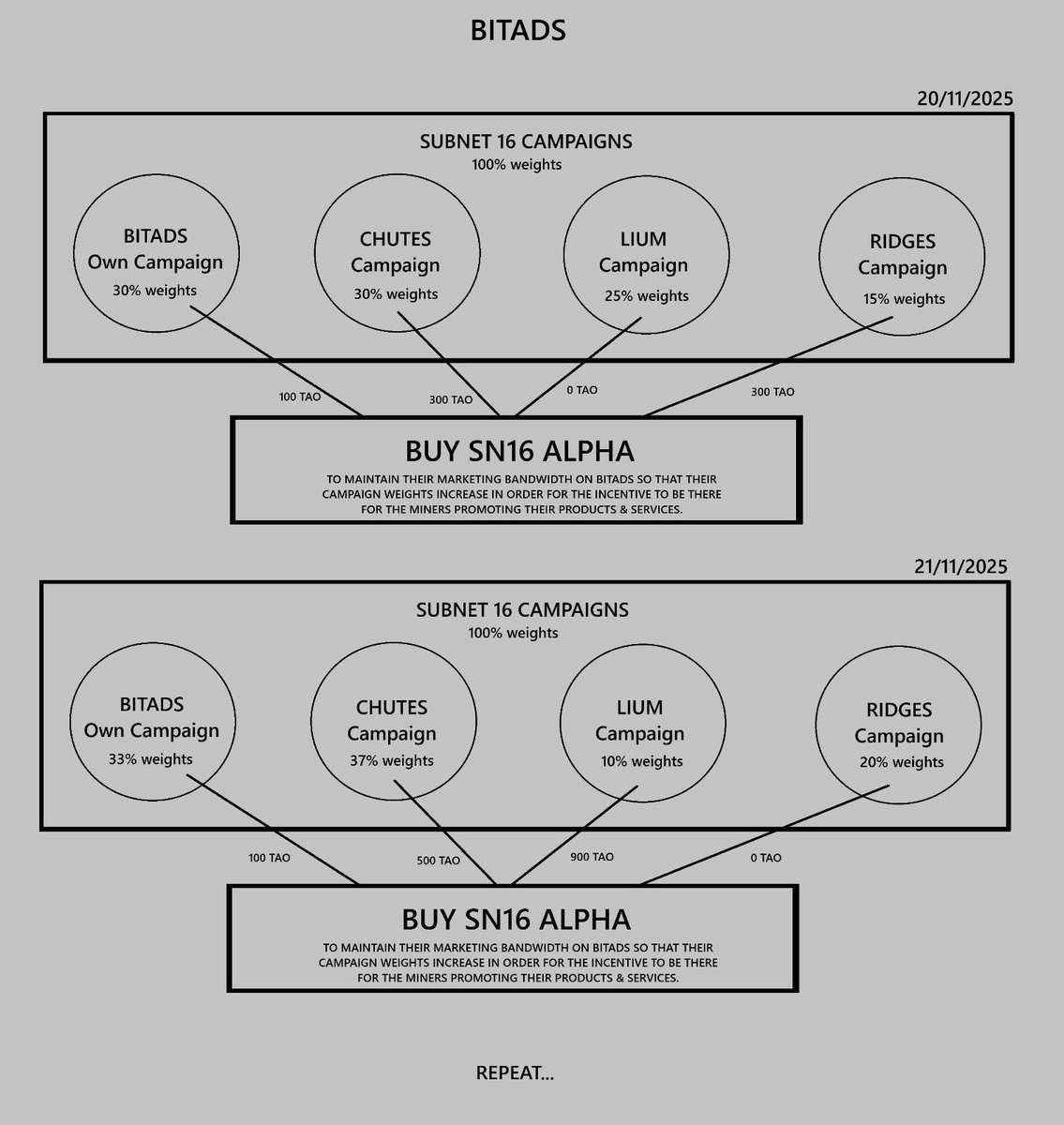
Here is an example of how BitAds will work in the end. We’ve used Subnets as examples.
The BitAds team will run its own marketing campaign through its allocated marketing bandwidth (SN16 Alpha) in order to generate revenue by selling its own products.
Other clients/merchants (Chutes, Lium, Ridges) will also run their own marketing campaigns for their respective products.
Based on the amount of SN16 Alpha staked, campaign weights will adjust accordingly. Miners might earn more $TAO by promoting Chutes’ products instead of Lium’s. But this can change very quickly if Lium starts buying and staking more Alpha than Chutes or any other competitor. In that case, miners become more incentivized to promote Lium’s campaign.
Also, new participants / companies needing marketing bandwidth for their campaigns, can start acquiring SN16 Alpha and become direct competitors to the four original campaigns (for the sake of the example, let’s say we initially allow a maximum of four campaigns). The owners of the four original campaigns will need to buy more SN16 Alpha if they want their campaigns to remain active and not be pushed out as the new participants accumulate more Alpha.
Cloudflare down, lium GPUs up.
The benefit of decentralization is that lium isn't reliant on a single datacenter with a single point of failure.
Most cloud platforms have only 1-2 DCs. When that datacenter has a critical error, half or all of their compute can go offline.
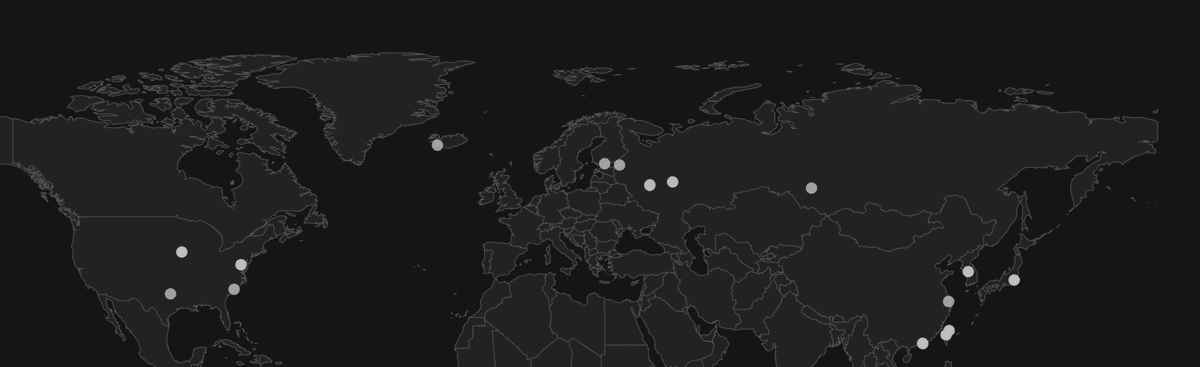
Lium has over 15 datacenters across the world plugged in.
Even if an entire datacenter goes down, over 90% of our compute will still be online.
Choose decentralization.