@TopDriverIndia If you are already leaning towards Adobe animate, you could check out Rive app which is primarily a tool to make interactive animations but also gives video and image sequence exports.
I recently spoke to MSc CS & Maths students at @auvcochennai about how AI agents are changing software engineering and why coding may no longer be the scarce skill.
I have shared the seminar slides, references & resources here: https://t.co/umg3hjkb7c
Also check out MediaSync-CLI, an open-source project we used for the coding-agent demo with @opencode: https://t.co/c2C8FVRZn6
Fork it, clone it, experiment with it. Feedback and contributions welcome.
So, is it okay to eat a roll on a Tuesday? Veg or non-veg? It hardly matters. You eat a roll when the office is over, when the film ends, when the rain stops. You eat one on a first date, and you eat one in the middle of a protest.
Any day is a good day for a roll. 13/13
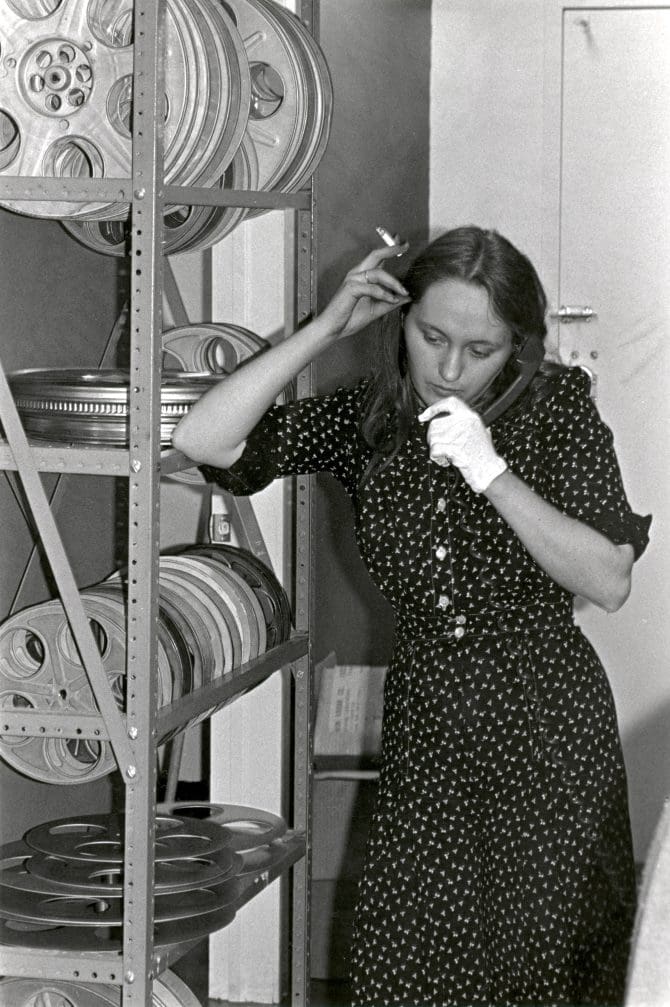
If you want to know who survives AI, look at what happened to Hollywood in the 1970s.
Movie Studios used to enforce tight “shooting ratios”; usually 5:1, maybe 10:1 TOPS. As in, for every 5 feet of film shot, at least 1 foot had to end up in the final cut (35mm was expensive!)
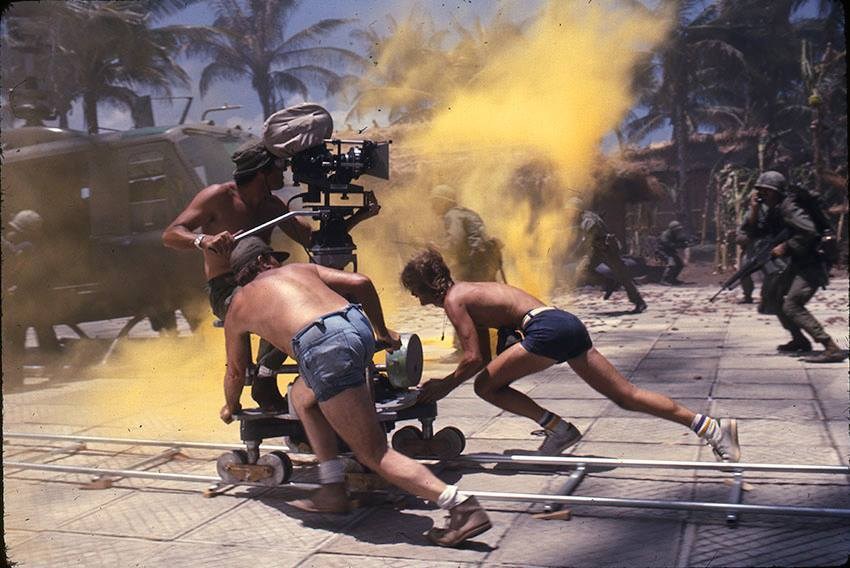
In the 70s, there was a rapid elimination of production constraints. Improvements in film cost and camera portability made the old studio rules…obsolete. Why not take multiple angles, roll simultaneously? Set could have 3, 5, even 10 cameras rolling at once. Shooting ratios *exploded*, 50:1, even 100:1 (Apocalypse Now)!
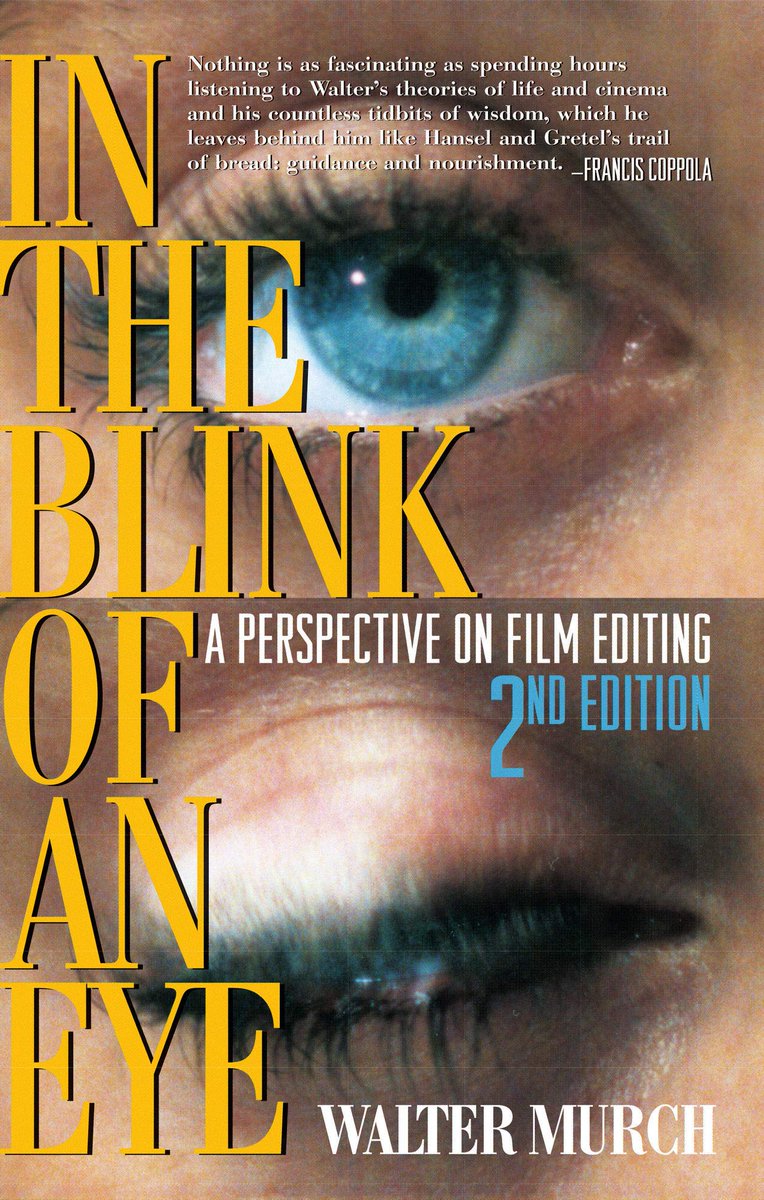
Of course, it also *radically* changed the workflow. Editing use to be the quiet, thankless job in the studio years (30s-50s). Suddenly, they became the most important people on the totem pole!
How do you find the masterpiece hiding in the (literal miles) of film? A ton of the footage was…trash, of course. But as each individual camera because *less* important, it opened up directors to take on significantly higher risks.
Now, don’t get me wrong. Insane shooting ratios were still *kinda* a niche in the 70s. More traditional directors stuck with only slightly inflated shooting ratios (15:1, 30:1 common); it was the more experimental pioneers (Coppola, Scorsese, etc) that hit the big 100:1 numbers. The huge ratios were still crazy.
Until they weren’t.
You can probably guess what happened in the early 2000s. Digital cameras reduced the cost of individual footage to a complete non-constraint. Effectively free, don’t even cut on set, just keep the camera rolling.
Suddenly…*EVERYONE* starts shooting 100:1. Entire new forms of content get created, like Reality TV, where ratios can hit 500:1! Massive shift of human labor to the editing side.
I’d say, we’re currently in the “1970s Hollywood” of AI. It can be easy (and cheap!) to produce things (code, tools, etc), but YOU have to be the ruthless editor. It’s the “miles of film” problem all over again. Hollywood solved it by throwing massively more resources on the editing side, and editing became a “constantly talking with the director about vision/direction” job, instead of a “hide in the back office and do your work” job.
It’s a hunch, but I’d bet that filmmakers closer to the experimental 1970s “ratio explosion” directors handled the later 2000s digital shift *much* better, because the underlying principles were the same. They’d certainly be ahead of the curve predicting it, and (hopefully) were less surprised when the digital ratios did hit.
I’m not saying AI is exactly the same problem. But it’s a good idea to look at parallels in history where rapid elimination of constraints changed an industry, and how that industry handled it 5, 10, even 50 years later!
When something starts to get cheap…helps to imagine what would happen when it’s free!
@_svs_ haven't tried it myself but had this bookmarked sometime back - https://t.co/XEP2pHCvIk
Getting the decryption key for the old database would be the main blocker though if its not already on the phone.
“We had approximately 30 seconds of totality. From about 500 meters away, with @gochiestrella 📹 and I 📷 were positioned on the cameras."
📷 Fujifilm X-H2S | 400mm | ƒ/5.6 | 1/320s | ISO 12800
👉 Photo by Jaicano.
📍 Planned with PhotoPills: https://t.co/P4CRT3PZbi
Bay Area man grew his Twitter account from 0 to 100k followers within an hour after tweeting a simple “hello” with a simple trick
The trick? Becoming Apple CEO
credit stealing final boss. cert-in didn’t “detect” shit.
i sent them my initial cbse security report in february, then 3+ more reports in may covering other vulnerabilities in the osm portal. somehow my research became their “detection.” incredible work guys.
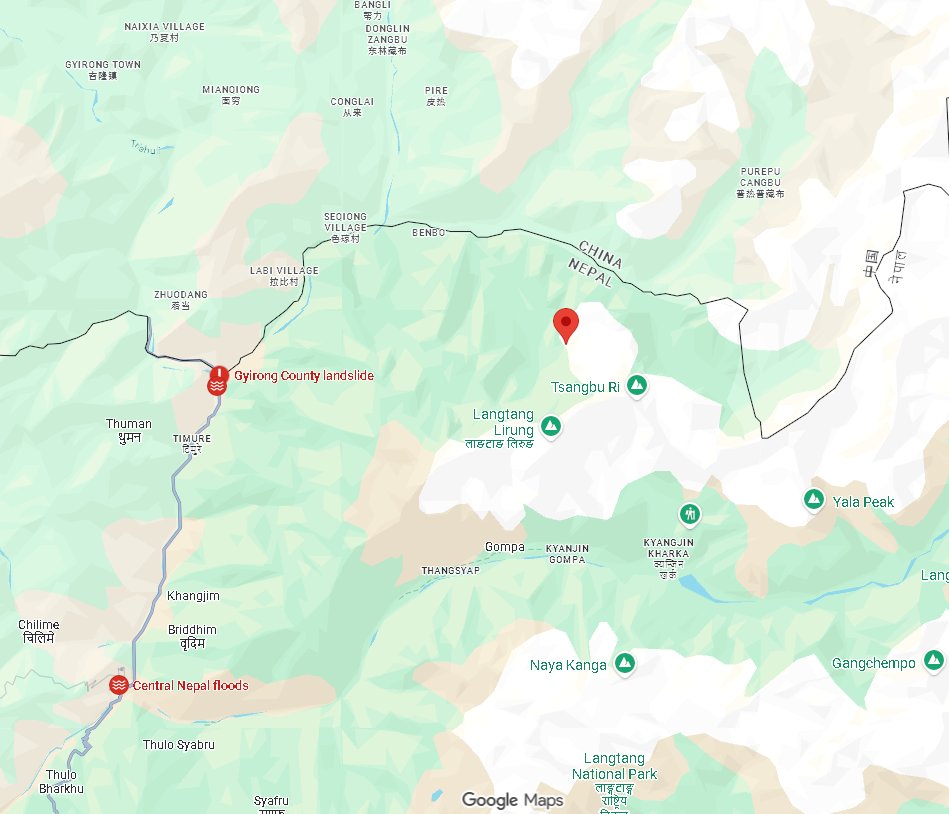
Update: now pretty crystal clear from satellite images where was the glacier rupture site.
Exact geocoordinates are 28°17'31.7"N 85°31'25.0"E, it's on the Nepal side right next to the China border. Looks like half a mountain completely collapsed.
The boulder is easily 8-10m across that puts its weight around 1500-3000 metric tons ( ~ 2600 kg/m³ for typical Himalayan rock density)
to move such a massive object the estimated drag force on that boulder could easily be of the order of 5 million to 20 million newtons
for comparison, Falcon Heavy first stage rocket produces a force of 23 Million newtons!!!
Under what data privacy laws can Cars24 claim to have my current coverage details if I have never interacted with them as a business? Also Policy Bazaar cannot stick to their own acknowledgement that they won't contact further. These aggregators have no integrity whatsoever.
A client dedicating the first 34 pages of their annual report to their advertising agency's creative lead! Such was the impact of Piyush Pandey on Pidilite (and its many products)! Wonderfully produced (by Ogilvy, I presume)!
namaste hey, can i get a chai tea and a naan bread with paneer cottage cheese tikka chunks masala spice and daal lentils in a thali plate with a thanda cold paani water? dhanyawaad thanks