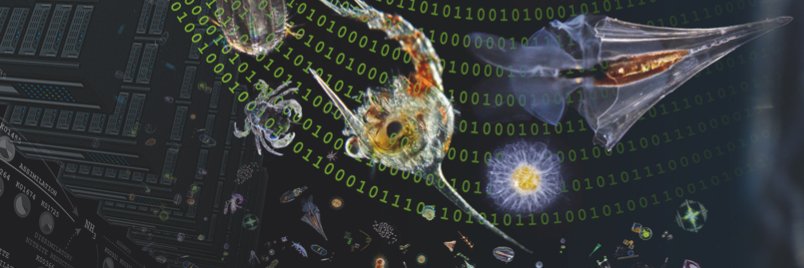
The mOTUs4 genome database: 2.83Mio systematically reconstructed MAGs and >900K isolate and single cell-assembled genomes, all clustered into 124K species-level clusters.
Paper out at @NAR_Open:
https://t.co/tviEEeLObk
1/5
Great to see this study out that members of our lab contributed to: systemic immune activation (through lipopolysaccharides) promotes 100-10,000 fold expansion of opportunistic pathogens in the mouse gut - https://t.co/FdUcT0ANhy
Check out this interview with @PietroTedesco on the work that he is contributing to #BlueRemediomics - an EU horizon Project that we are also a part of!
🎙️🔬We spoke with #BlueRemediomics researcher @PietroTedesco from @SznDohrn who focuses on identifying #compounds & #enzymes with high potential for pharma or cosmeceutical applications.
📹 Watch the video with Pietro below!
👉 Read the interview here: https://t.co/le5sEA9TMR
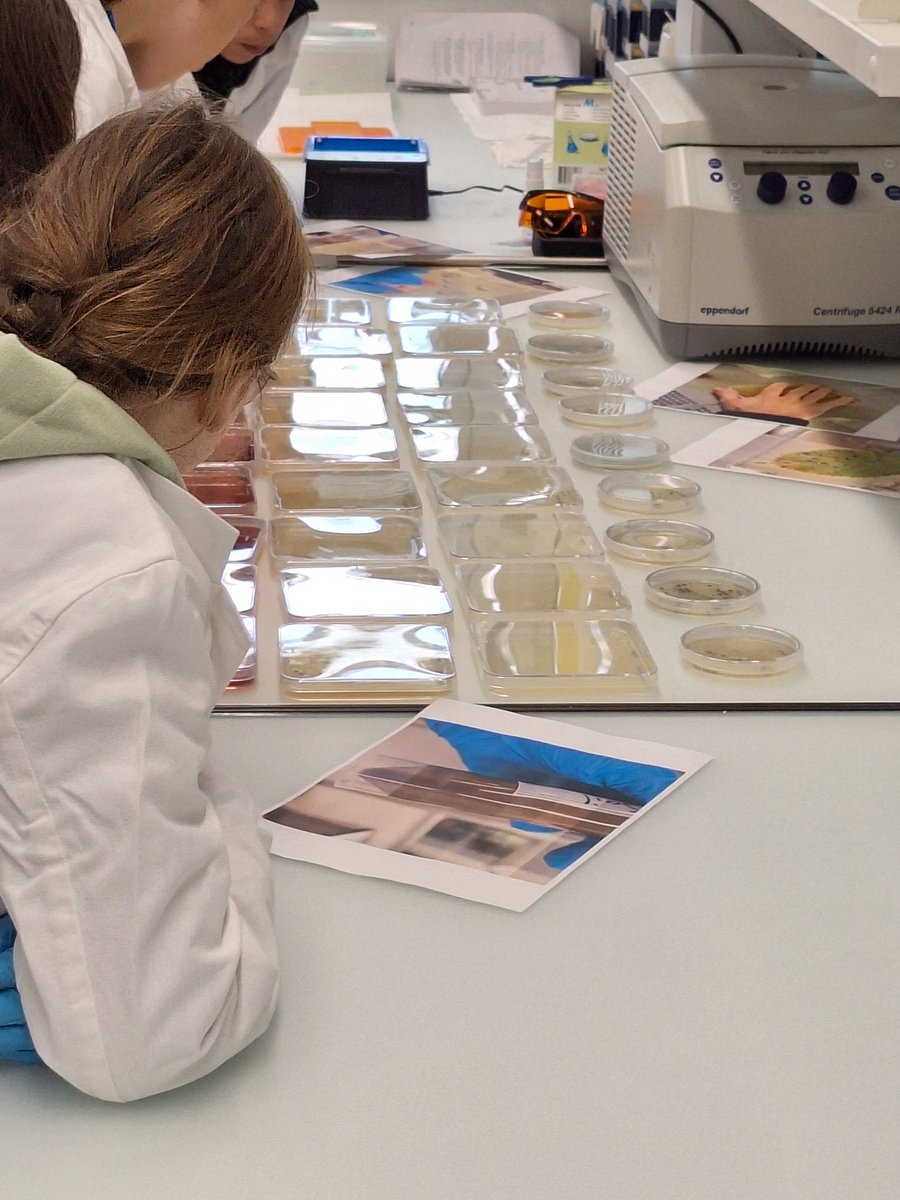
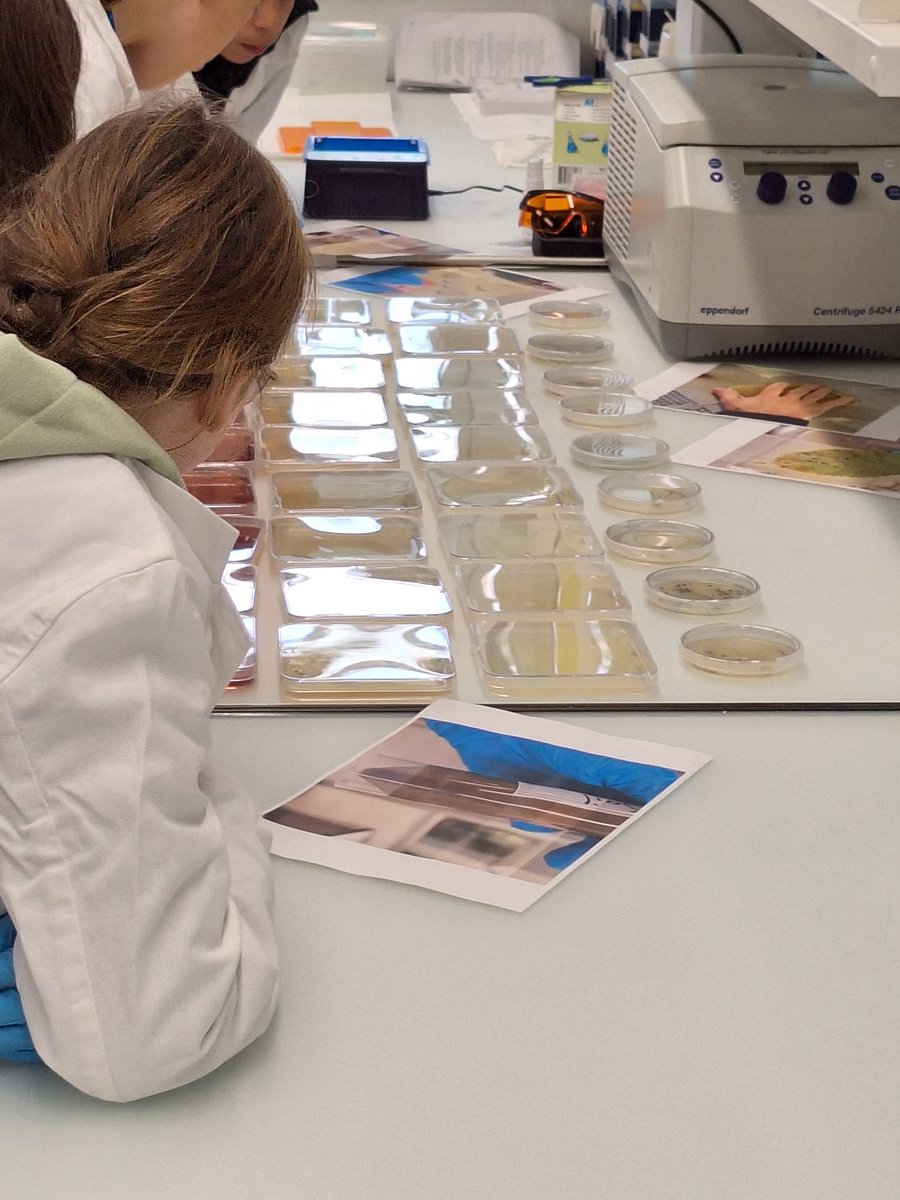
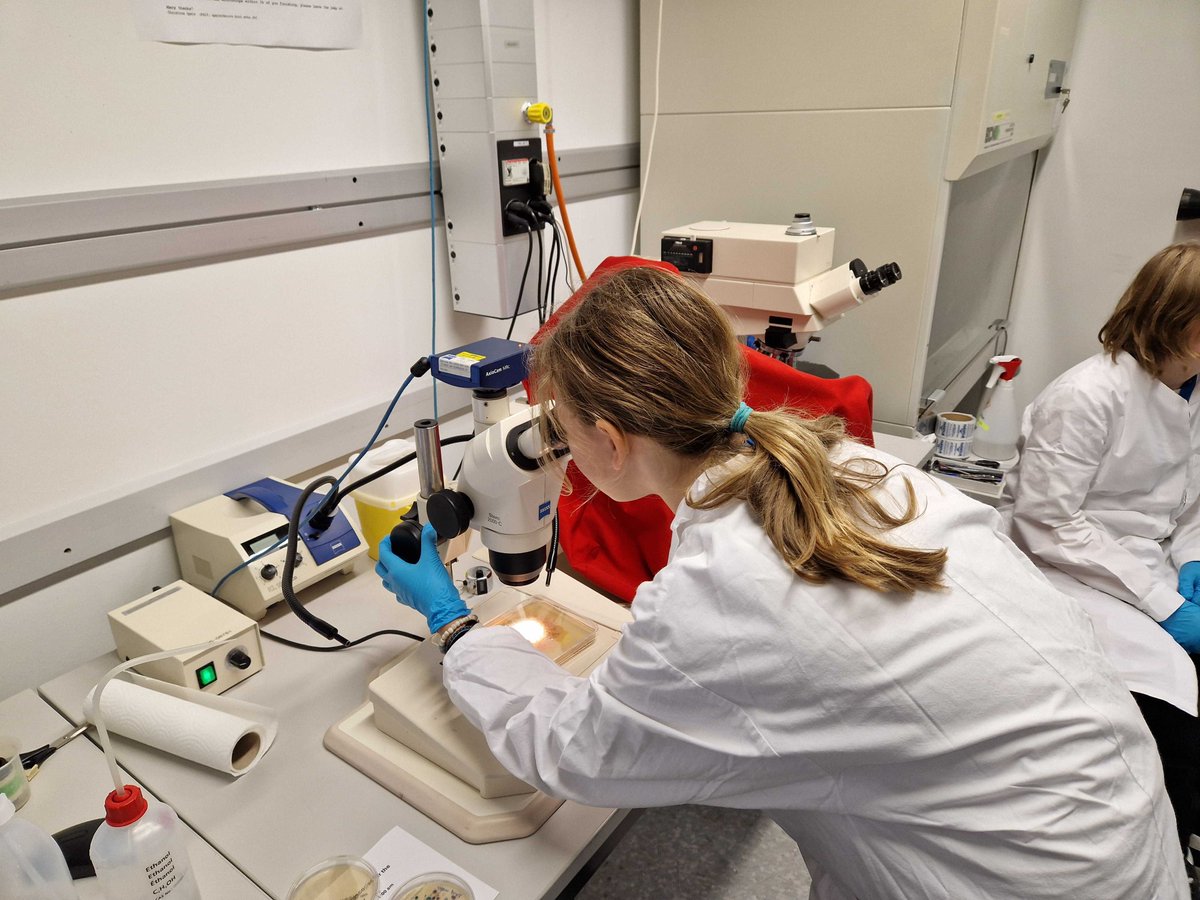
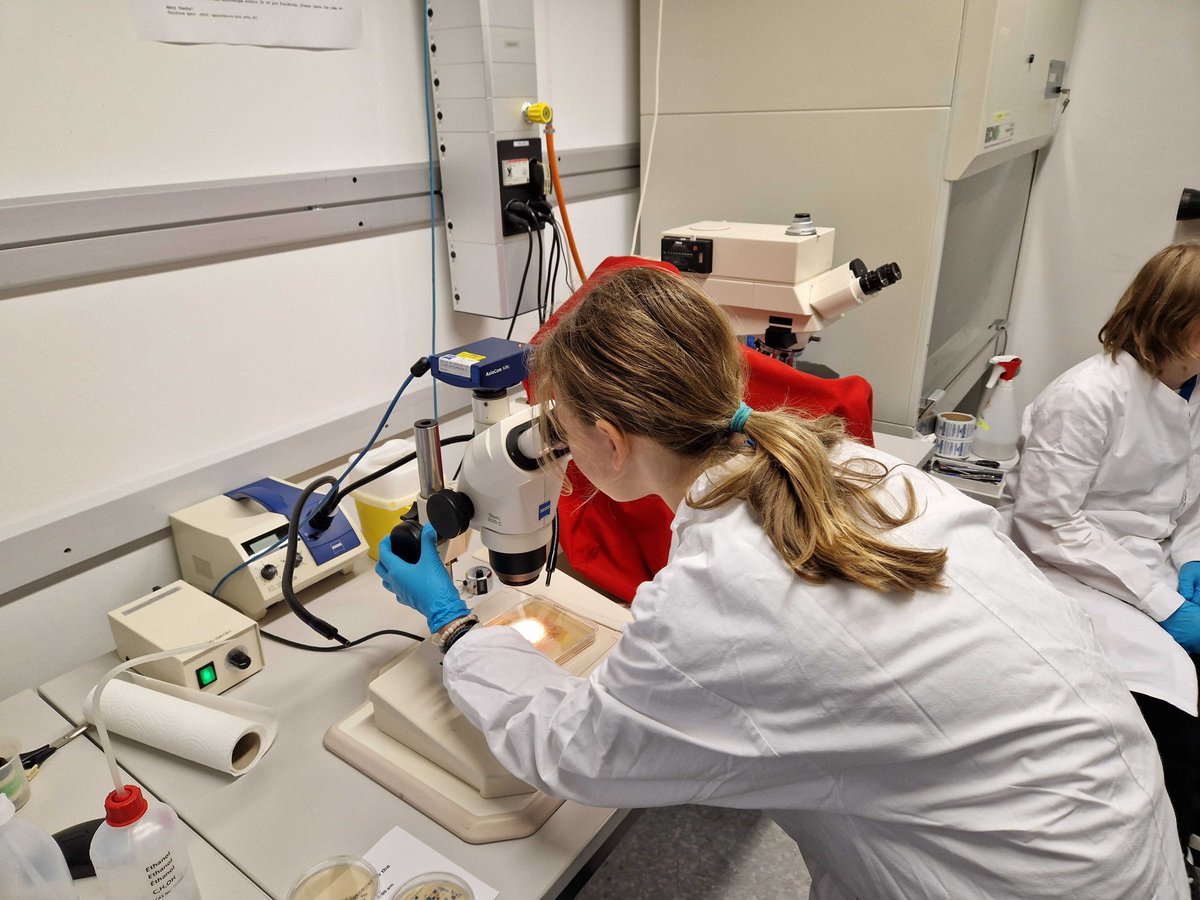
Last week we hosted a group of schoolchildren in our lab to discover environmental microbes during the National Future Day @Zukunftstag at @ETH_en. We had a lot of fun isolating bacteria and fungi and studying them under the microscope
Letzte Woche war eine Gruppe von Schulkindern in unserem Labor auf Spurensuche nach Umweltmikroben während des Nationalen @Zukunftstag an der @ETH_en. Wir hatten viel Spass beim Isolieren von Bakterien und Pilzen und beim Programmieren von ihrem eigenen Bild.
The mOTUs4 genome database: 2.83Mio systematically reconstructed MAGs and >900K isolate and single cell-assembled genomes, all clustered into 124K species-level clusters.
Paper out at @NAR_Open:
https://t.co/tviEEeLObk
1/5
This work is here thanks to @emily_fogarty11, whose dedication turned a surprising observation into a piece of science.
But many others helped us push it forward. @sandralmclellan, @KarenLolans, @mschecht_bio, @AmyDWillis, @SunagawaLab, Laurie Comstock et al, THANK YOU ALL :)
A reminder for ECRs who are looking for an opportunity to form their own group to study contemporary questions in marine sciences in Germany with 5-years of support:
https://t.co/uIJfJ8CdV0
New computational tools from @SunagawaLab@NCCRMicrobiomes 👏
mBARq: a versatile and user-friendly framework for the analysis of DNA barcodes from transposon insertion libraries, knockout mutants and isogenic strain populations https://t.co/St0GxWK5fB
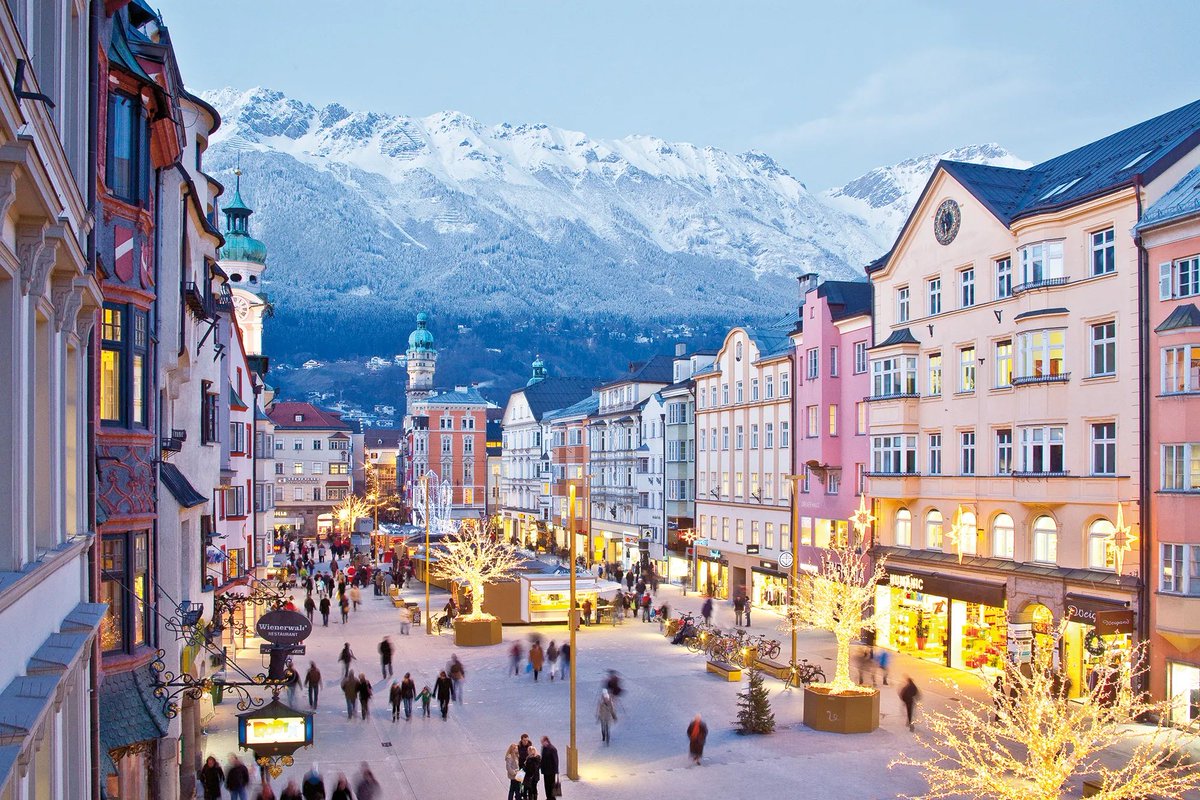
I'm excited to share that I've accepted a position as Professor for #environmental#microbiology at @uniinnsbruck in Austria.
My lab will focus on microbial omics of uncharacterised taxa and on plastic biorecycling.
Will post job ads shortly - for 2x PhD and 1x postdoc
Predicting interactions in plant microbiomes made possible. Metabolic modelling sheds light on bacterial interactions in planta, see the recent work by Vorholt Lab @ETH_en and @realLCSB at EPFL. More: https://t.co/hzWV3ogfjp
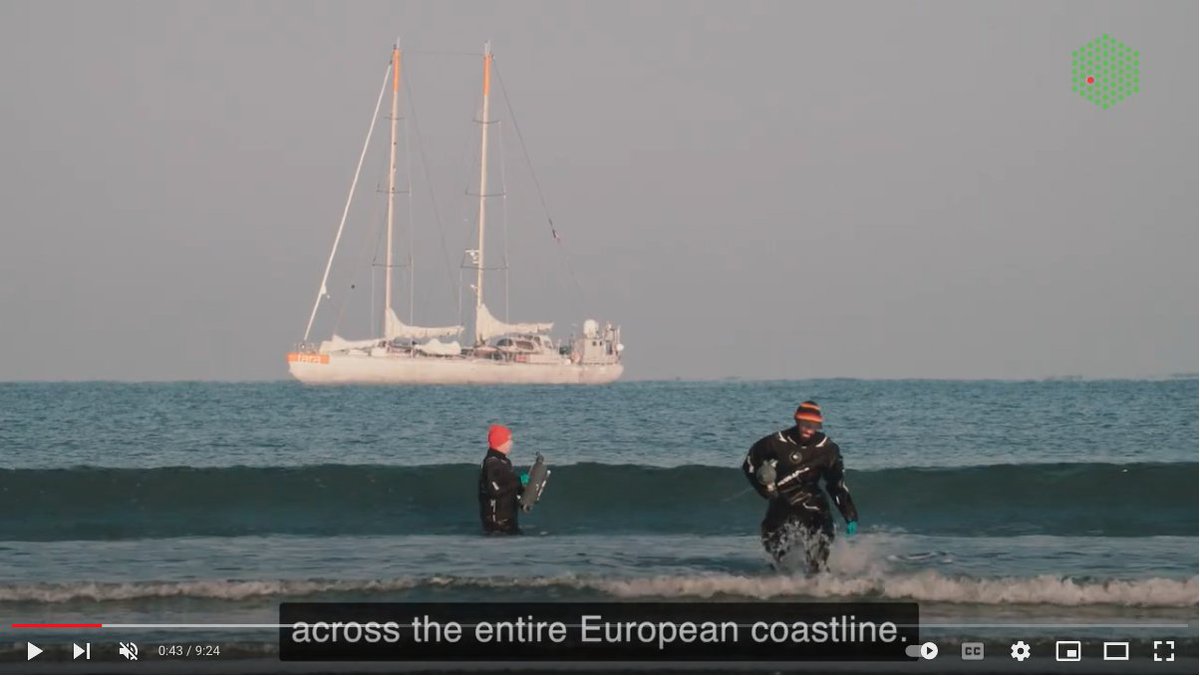
What is #EMBLtrec about? Why did we embark on a journey along the European coastlines? What are the scientific questions we are studying?
Watch our new video to find out!
https://t.co/F1jwRHPkd4
@embl@TaraOcean_@EMBRC_EU
📸 Kinga Lubowiecka / EMBL
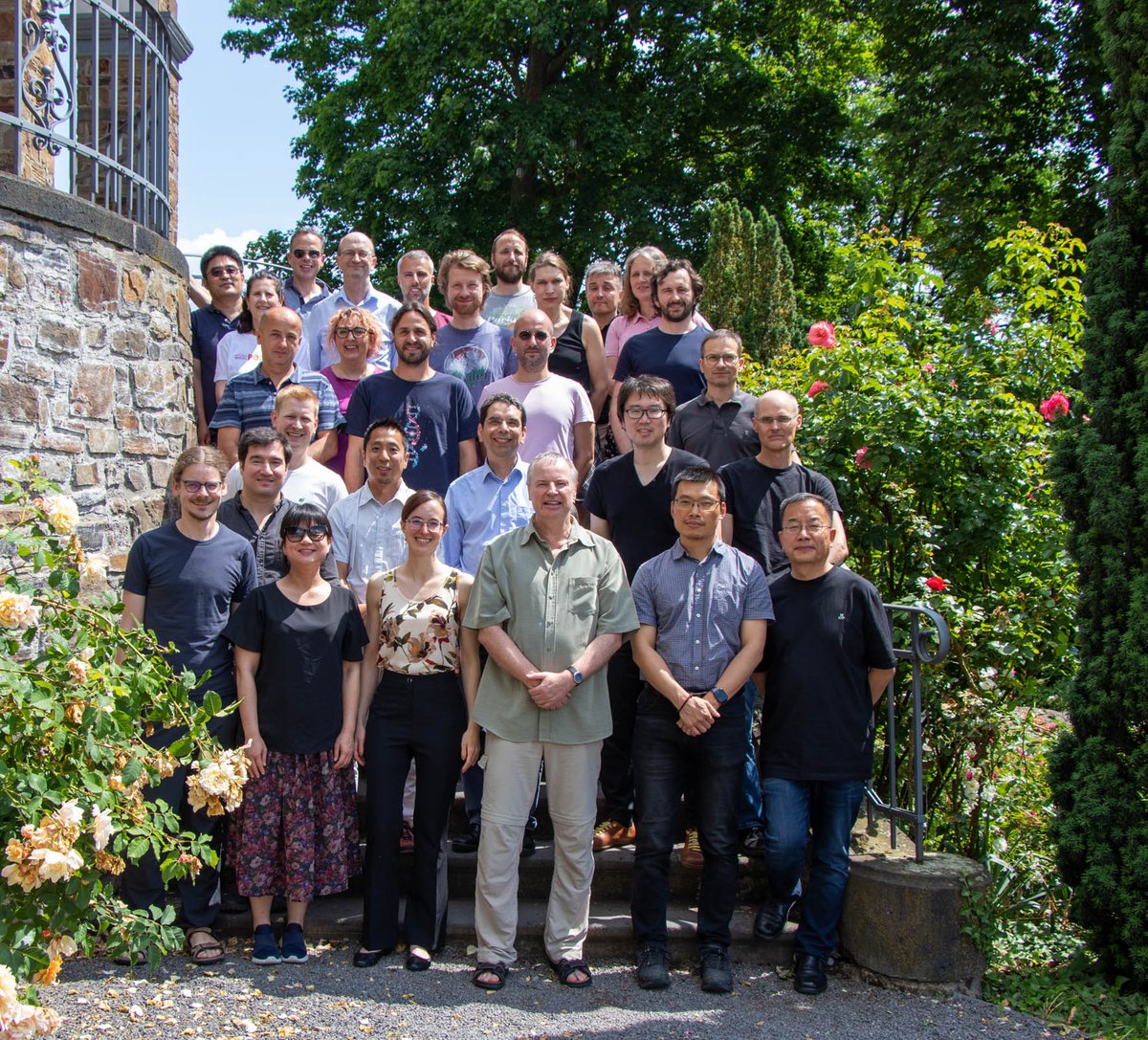
So many creative ideas and forward looking plans at the 2nd symposium on federating bioinformatics tools and resources last week. Truly thrilled to be part of this group of scientists
📣Open postdoc position📣 in our group
@Microbio_ETH to work on marine protist-microbe interactions. Lots of opportunities for networking! See job ad for details:
https://t.co/5RI5R6RbzL