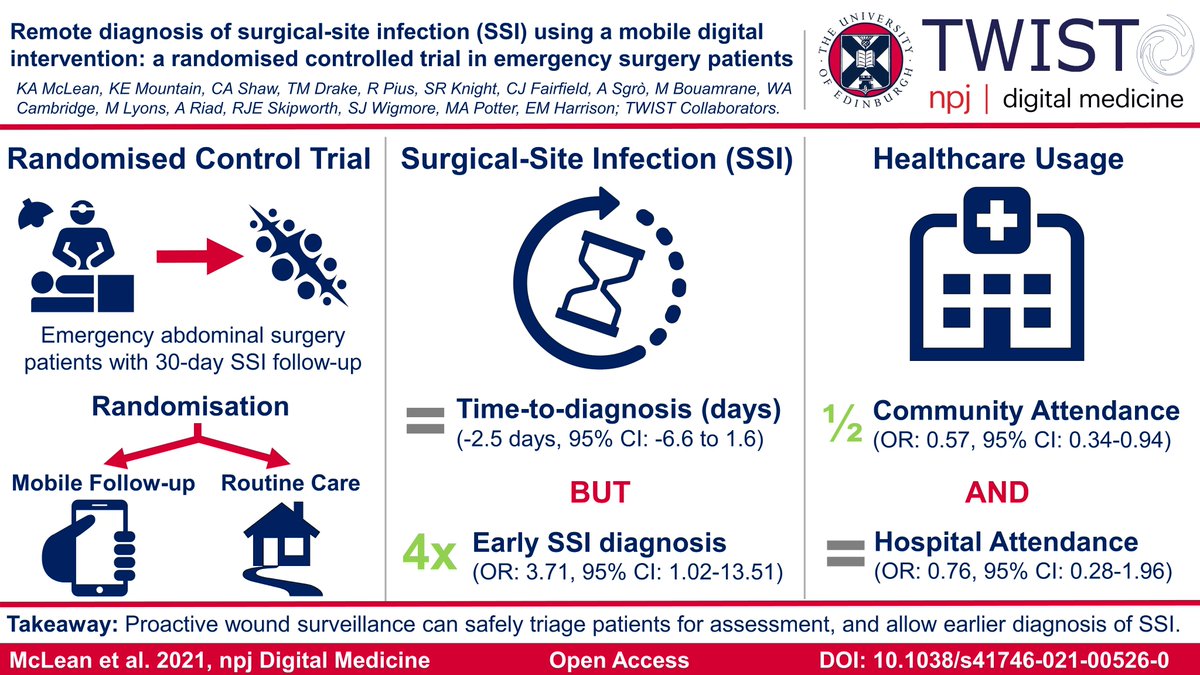
Does #digitalhealth remote follow-up improve postoperative wound care/diagnosis of #SSI? Our randomised control trial published in @Nature_NPJ Digital Medicine shows why this is likely to become the future of surgery https://t.co/3uikh56seq
#SoMe4Surgery#MedTwitter
Fantastic work by @kennethmclean92 and the team showing that smartphone follow-up of surgical wounds is feasible, useful for patients, and reduces the burden on healthcare services. #SoMe4Surgery
Our next paper is out! We ran a genome-wide association study of gallstones (43639 cases) in @uk_biobank, @FinnGen_FI and @genscot. We tested 16M variants and found 75 regions associated with gallstones. https://t.co/K5sgujk2wC
@GlobalSurg 3: Global variation in postoperative mortality & complications after cancer surgery, published in @TheLancet
16K patients underwent surgery across 82 countries.
Better postoperative care & facilities could significantly improve #cancer survival
https://t.co/QBRwGgyhLu
I think it’s completely inappropriate to include a study about patient mortality after surgery in the “light-hearted and satirical” Christmas BMJ. What were you thinking?
Delighted that @RachelGuest1 has been awarded a Career Development Grant (Intermediate fellowship) by @wellcometrust to study IDH mutations in bile duct cancer in Edinburgh @edinsurg 👏🏼👏🏼🍾🍾
Science thrives on competing theories, but these are strange times. Times reflected in the Great Barrington Declaration - a statement that presents theories as facts and has no truck with competing views. https://t.co/KJ0QohzxbB 1/5
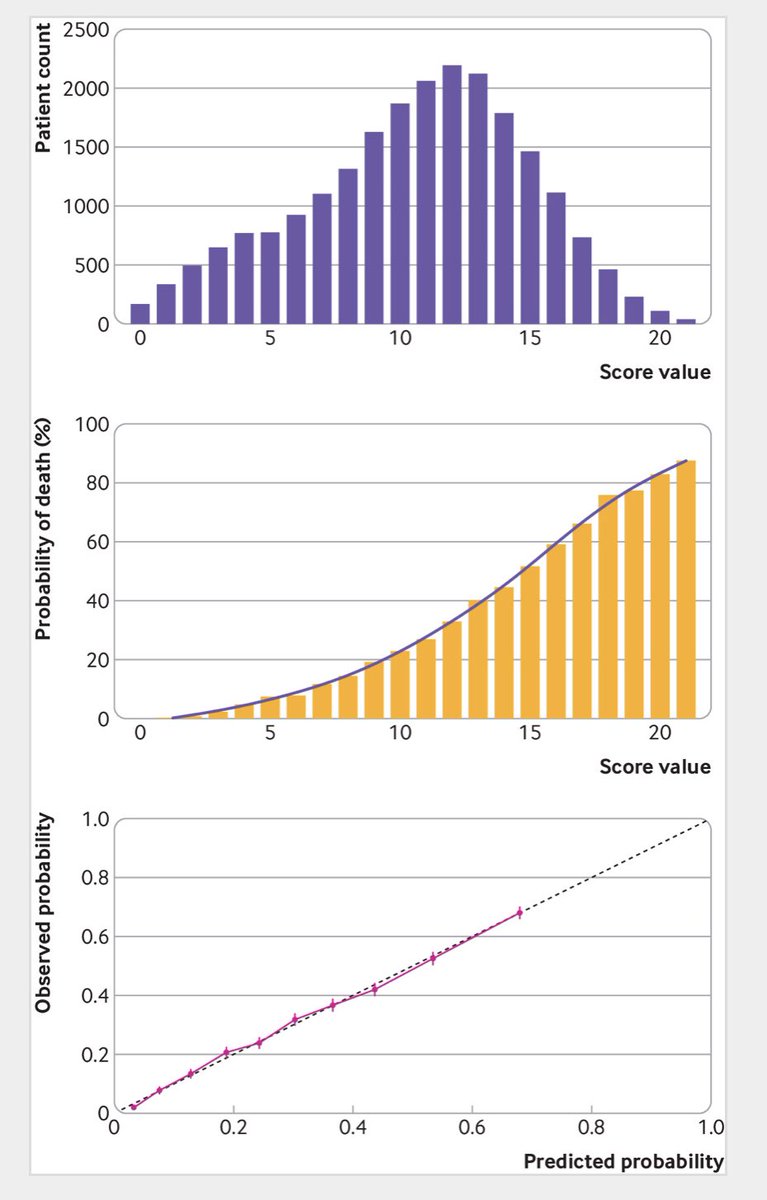
Great to see the 4C Mortality Score launched in the @bmj_latest today. Implementation in hospitals will be important for second wave preparedness.
- Risk stratification of patients admitted to hospital with covid-19 https://t.co/1HdslkiXoQ @ISARIC1@CCPUKstudy@ProfCalumSemple
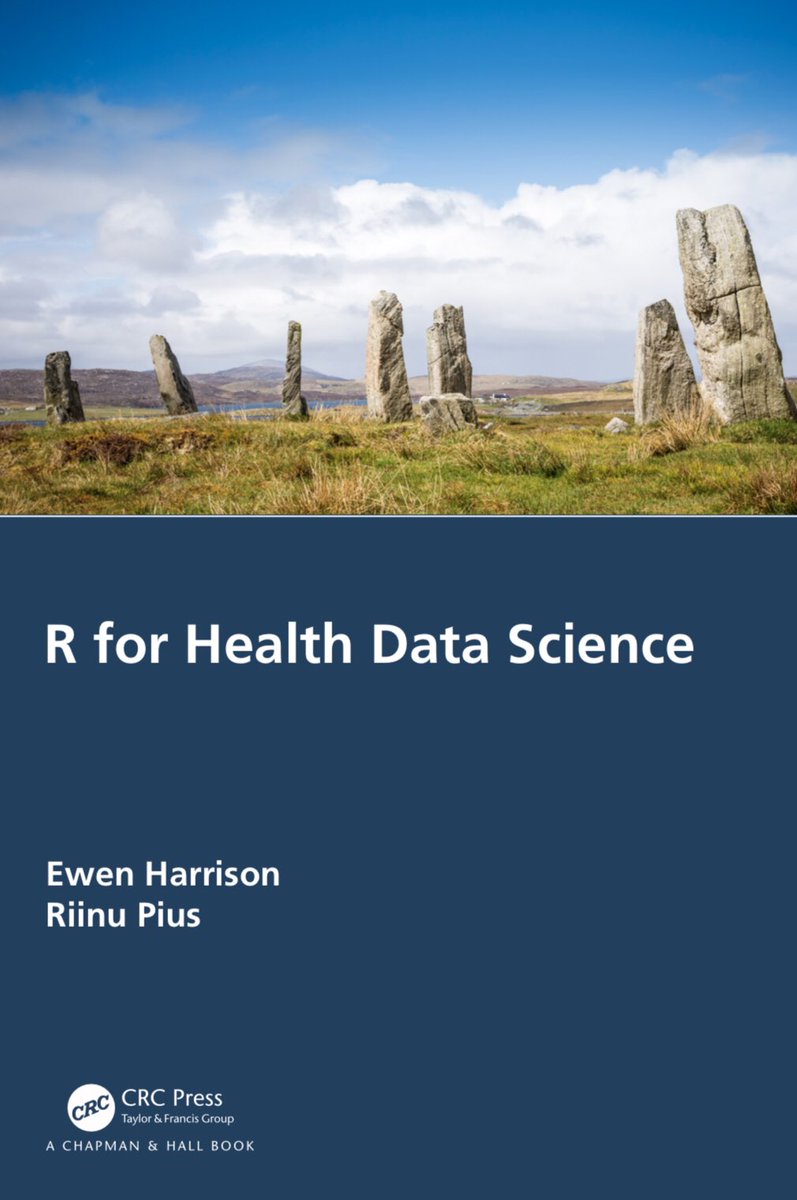
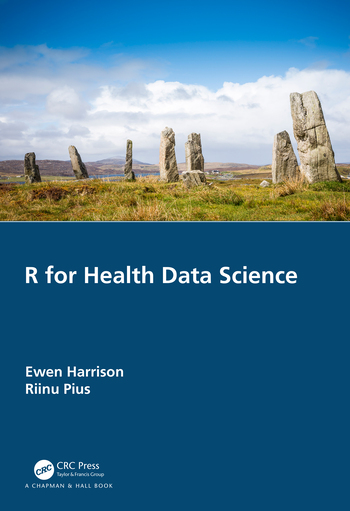
Delighted that R for Health Data Science from @_Riinu_ and me will be available in November!
Yes, hitting the shelves in time for Christmas!
GenRe-busting! 😂
#rstats
Our preprint is out!
We report the detailed clinical characteristics of 451 children & young people hospitalised with covid-19 in the United Kingdom from the ISARIC WHO CCP-UK study @CCPUKstudy
https://t.co/LDZDKbJLti
Here are some of the key points we found:
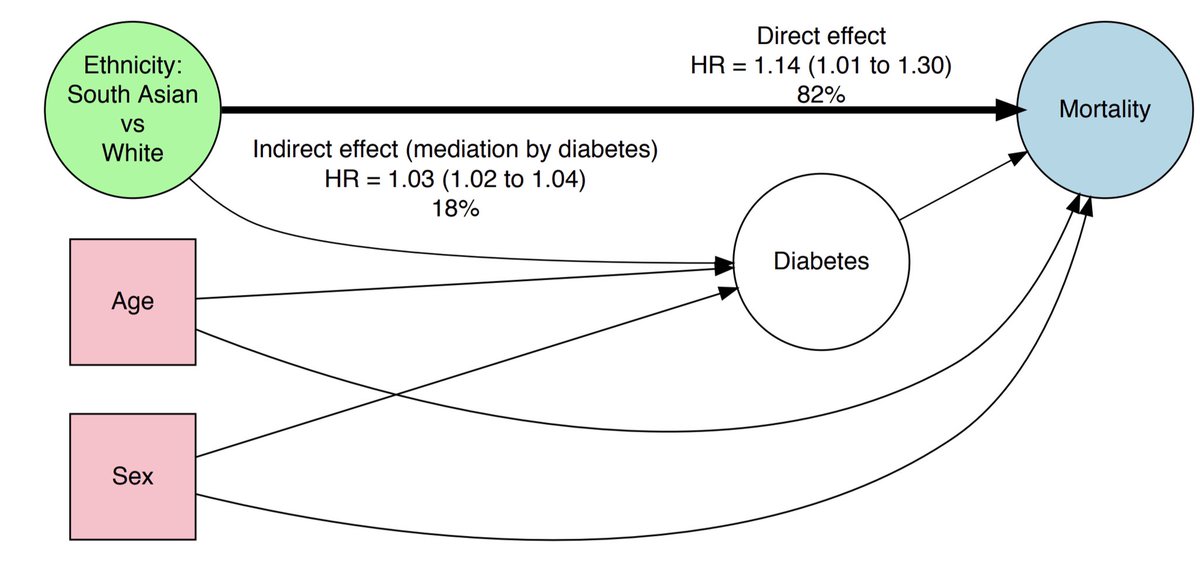
In the largest study of its kind (~35,000) @CCPUKstudy, South Asians in hospital with #COVID19 were 19% more likely to die. Higher rates of diabetes may explain part of this. All Ethnic Minority groups more likely to need intensive care and ventilation.
https://t.co/aM43RwxjMR
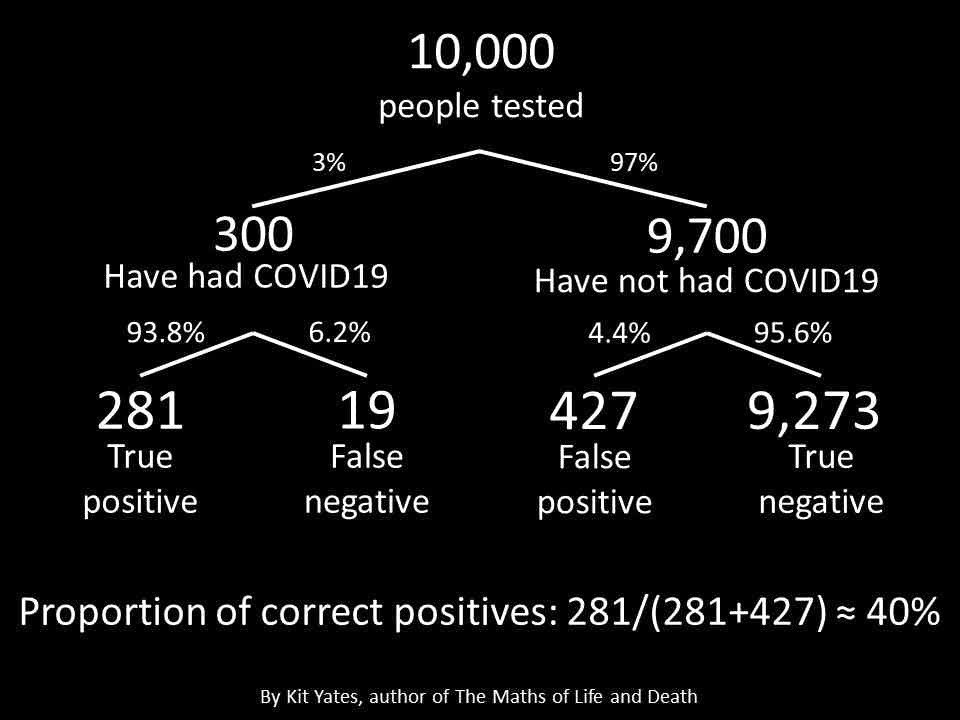
Important time to remember the maths of testing. When screening a low risk population, a positive COVID-19 swab is correct only 40% of the time! #Covid_19#COVID19#bayes