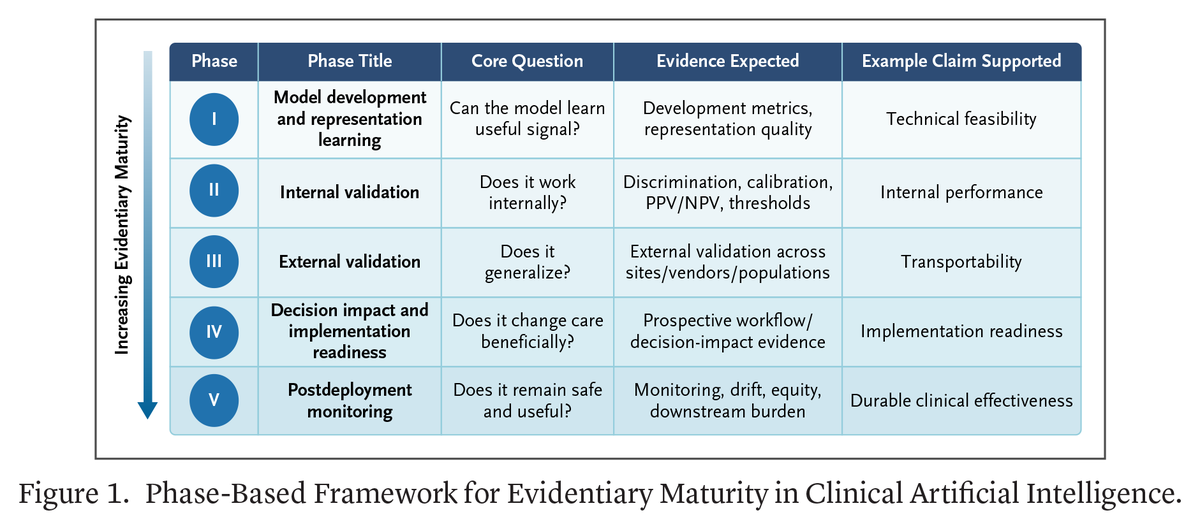
A new Perspective proposes a five-phase framework for evaluating the evidentiary maturity of clinical AI to help distinguish technical performance from clinical readiness and align claims with evidence needed to support safe, effective use. Learn more: https://t.co/XO4kKykZLH
Perspective by Lars Masanneck, MD, MSc, and Sibylle C. Mellinghoff, MD: Agentic AI Teammates in Medical Research — From Tools to Collaborators — and the Accelerating Digital Divide https://t.co/RnrfNUsvOK
#ArtificialIntelligence#AIinMedicine
A new study evaluates a value-informed LLM framework designed to support surrogate decision-making for patients who lose decisional capacity by comparing LLM-generated treatment recommendations with choices made by patients and their proxies. Learn more: https://t.co/e0rtKQdb2l
Join us to explore how AI is reshaping guideline development and clinical decision-making. Experts will discuss how to harness the strengths of LLMs while preserving clinician autonomy, minimizing bias, & ensuring evidence continues guiding care. Sign up: https://t.co/69n1F15ZEA
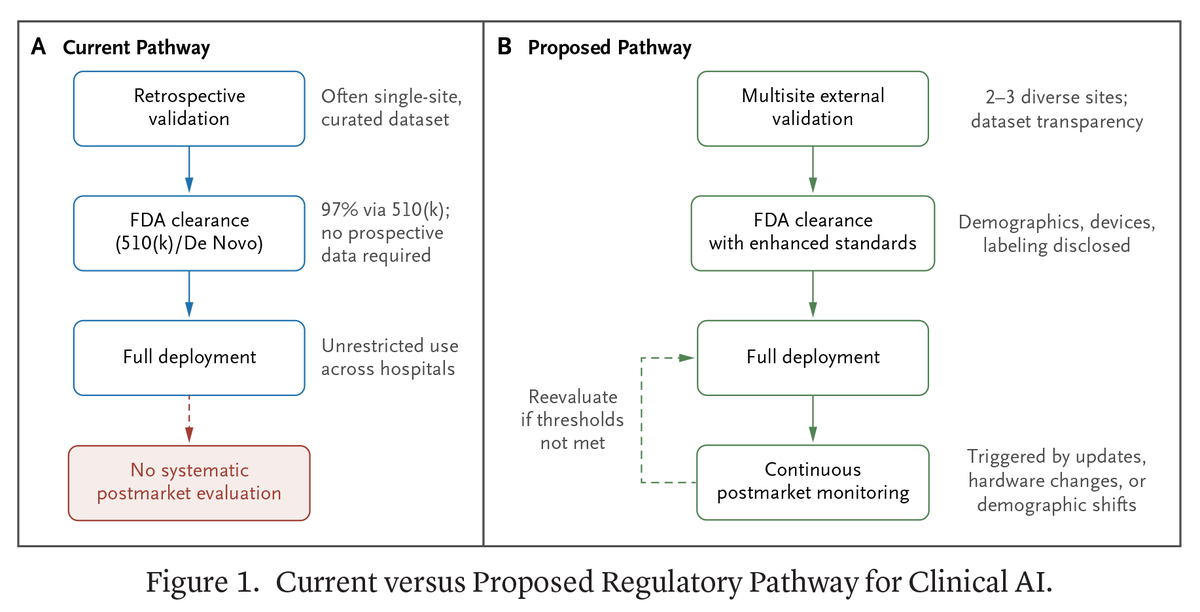
A new editorial examines the limitations of current regulatory approaches for clinical AI and argues for continuous postdeployment oversight as part of an evolving regulatory framework. Full editorial: https://t.co/kwylc9ISS5
#ArtificialIntelligence#AIinMedicine
Cholecystectomy may reduce some of the CVD risk associated with gallstones, although ultimately, further research is needed into whether cholecystectomy does or should have any role in CVD management. 12/12
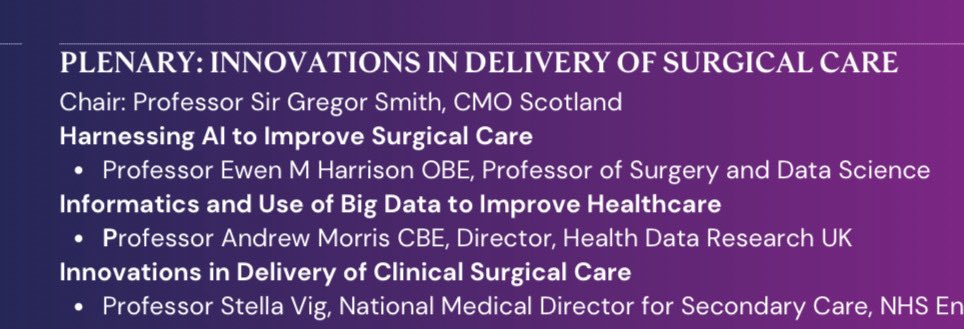
Professor Ewen Harrison will deliver the historic Abraham Colles Lecture at the 2026 RCSI Charter Meeting.
He will explore the role of artificial intelligence in advancing safer, smarter surgical practice.
See the rest of the programme and register ➡️ https://t.co/0MSkesusNe
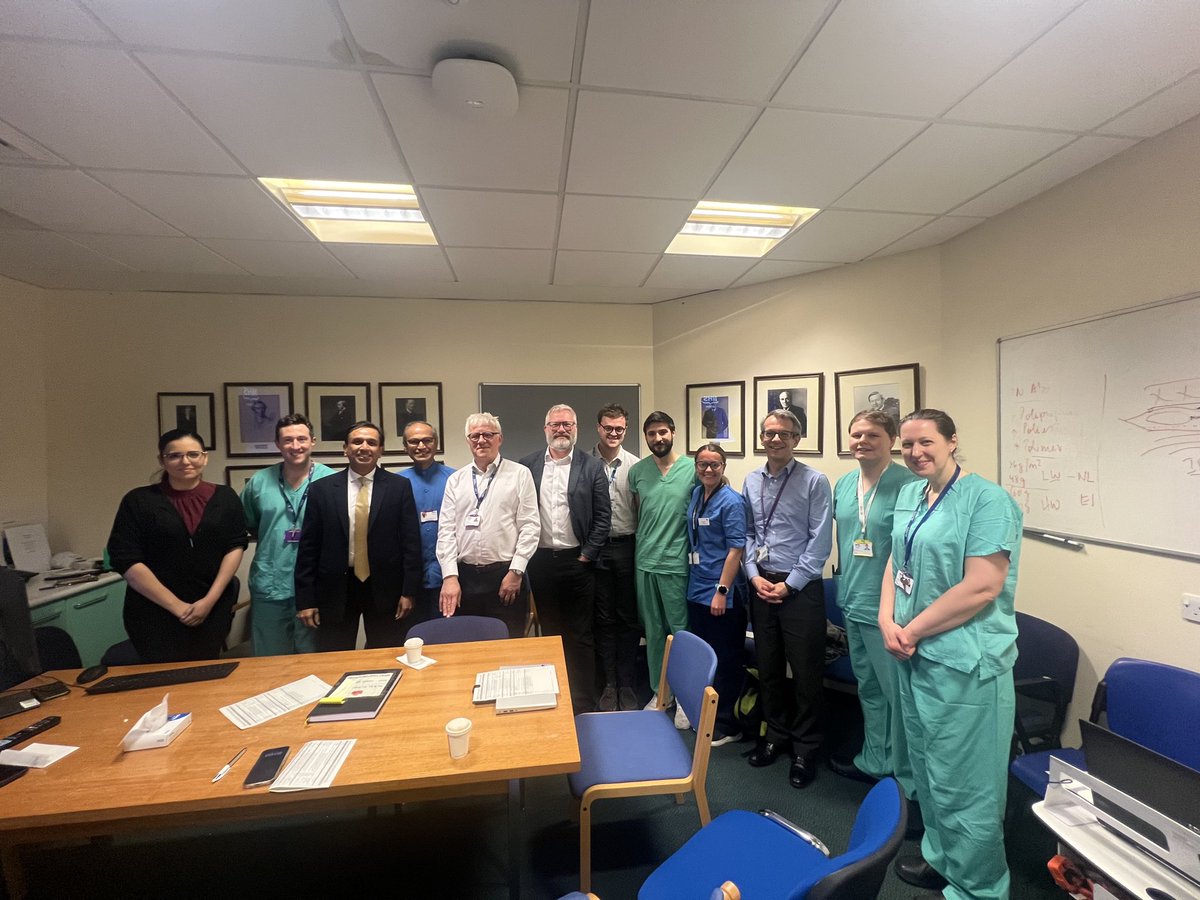
I woult like to thank the @EdinburghUni and @ewenharrison and his team, and @NIHR_GSU for their help in setting up this center that will greatly contribute to the training of our learners. See you from September 1st to 5th for the Workshop on statistical analysis.
Risk factors and mitigating measures associated with bile duct injury during cholecystectomy: meta-analysis
➡️https://t.co/0P1EmMWMoR
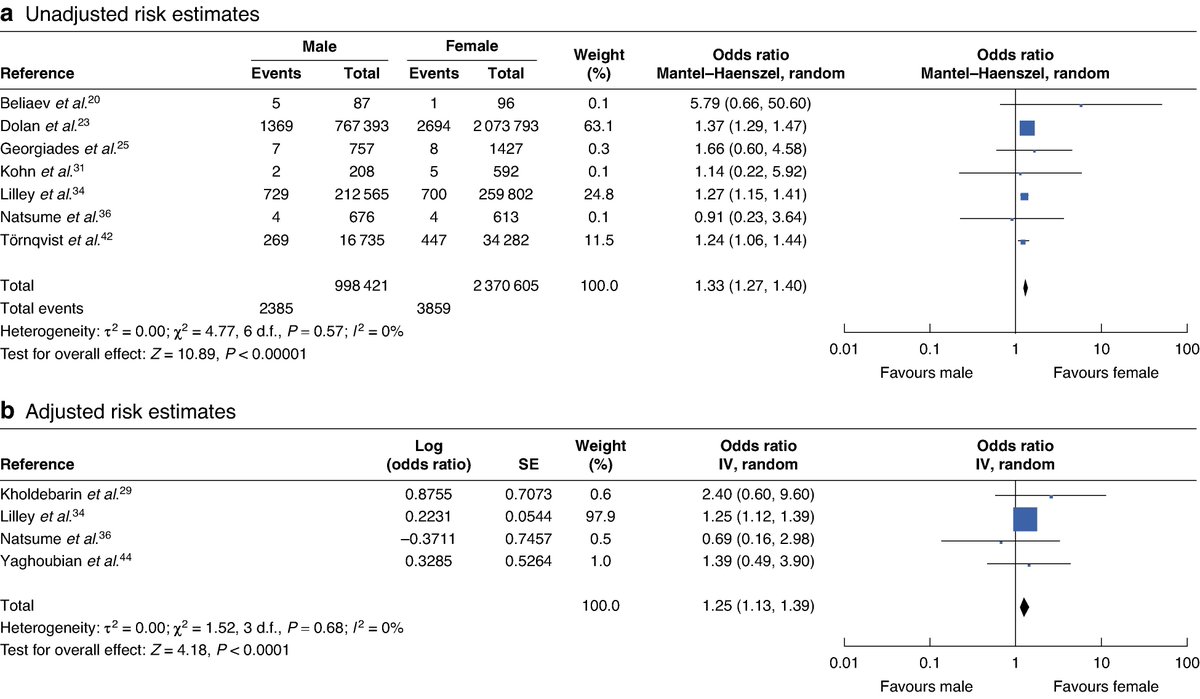
This meta-analysis examined risk factors and preventive measures for bile duct injury (BDI) following cholecystectomy. The results, based on 31 studies involving over 6.5 million surgeries, identified male sex and acute cholecystitis as significant risk factors. The study suggests that preoperative risk stratification could help improve decision-making and potentially reduce the risk of BDI.
👏👏👏Rowan Burns , Katie L Connor , Rachel V Guest , Chris C Johnston , @ewenharrison , @ProfW_edinsurg , @Asherief
#SoMe4Surgery #MedTwitter #SurgEd #Surgery @BJSAcademy@BJSurgery@young_bjs@juliomayol@JJEarnshaw @OUPMedicine #some4hpb #some4tpl @hpb_so #cholecystectomy
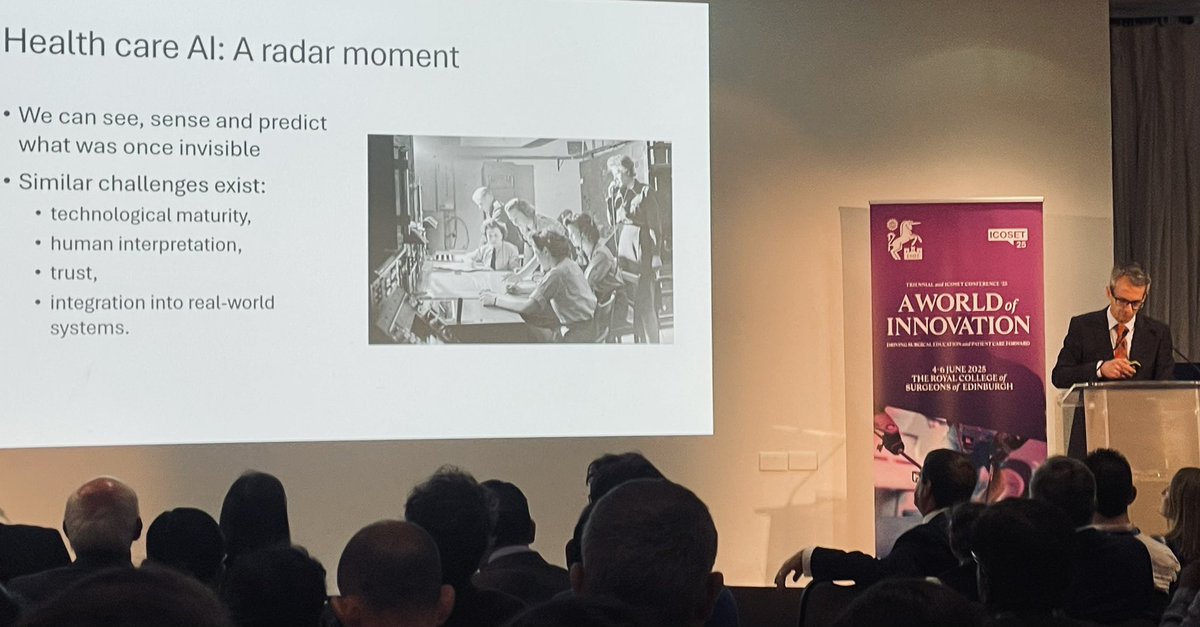
@ewenharrison@RCSEd#ICOSET
🤖 AI in medicine will be more transformative than 💻the internet, perhaps even Edison’s 💡
… but needs the human touch
What an inspiration morning it’s been
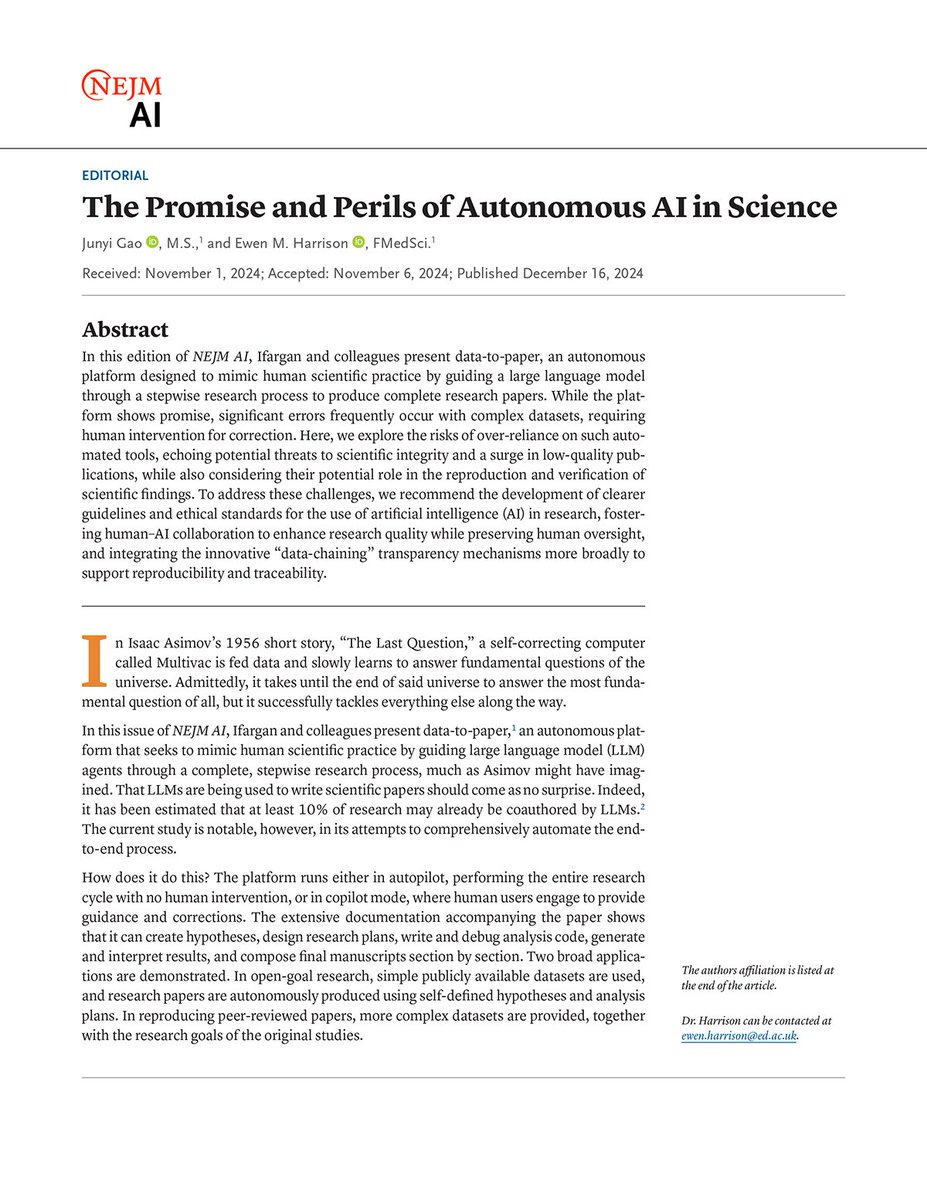
Editorial by Junyi Gao, MS, and @ewenharrison, FMedSci: The Promise and Perils of Autonomous AI in Science https://t.co/HQvrRC4mlb
#ArtificialIntelligence
This would not be possible without the help of @ewenharrison@Katie_Shaw24@NIHR_GSU and the wellcome leap SAVE program, which has made it possible to equip the simulation center of the @fssuac and aims to improve the training of surgeons through simulation
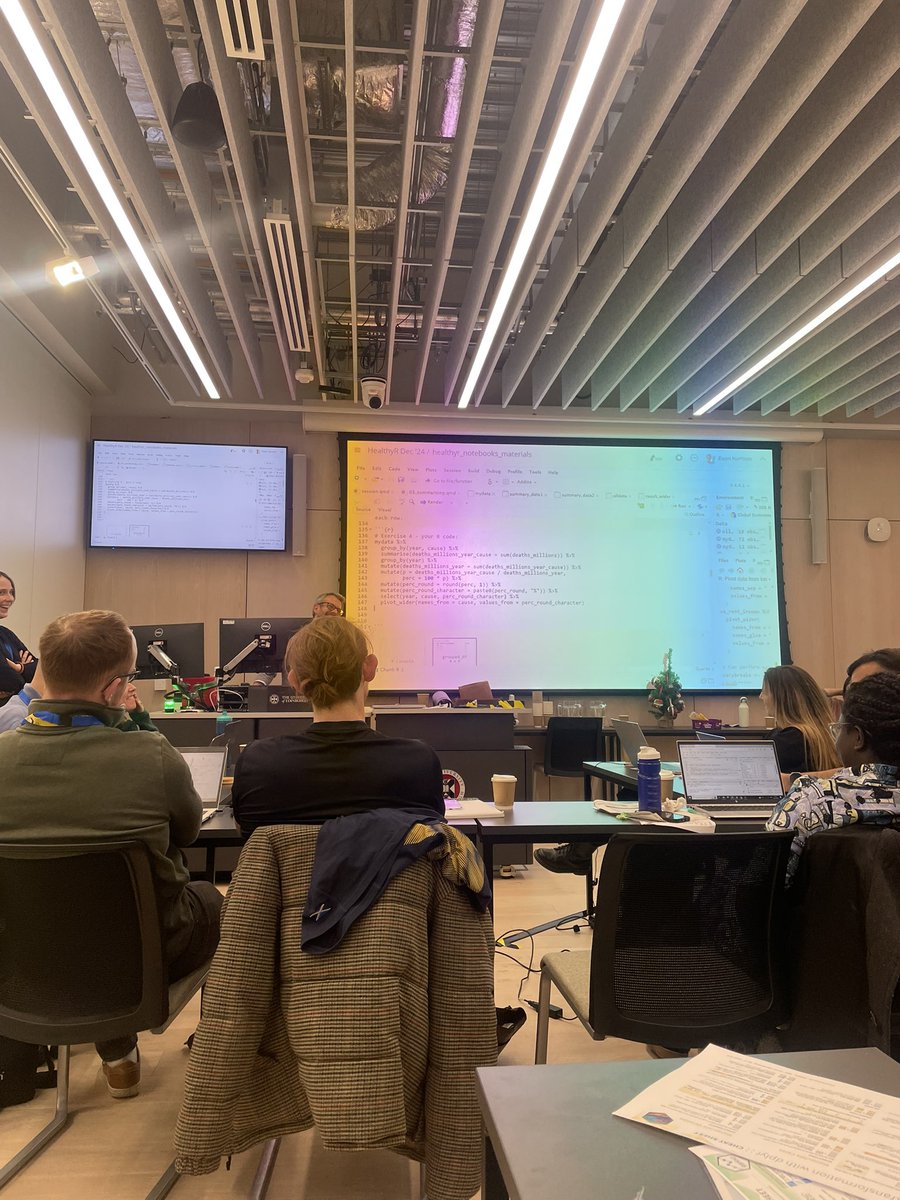
Great experience to attend the HealthyR course last week at @uniofedinburgh
Would highly recommend it to those interested.
Thanks to @ewenharrison and his team.
(Also an amazing city to explore in the evening!)
@dnepo@jakepmann I guess this is the famous plot from Wikipedia which I think makes the point well. We’re not good at judging proportions on a polar axis.
https://t.co/hEOBb4yI01