The word stat is often thought to be an acronym (for example, short turn around time), but rather comes from the Latin word ‘statim’ which means ‘at once’ or ‘immediately’. It was first used in pharmacology, as medications labeled stat were meant to be taken right away.
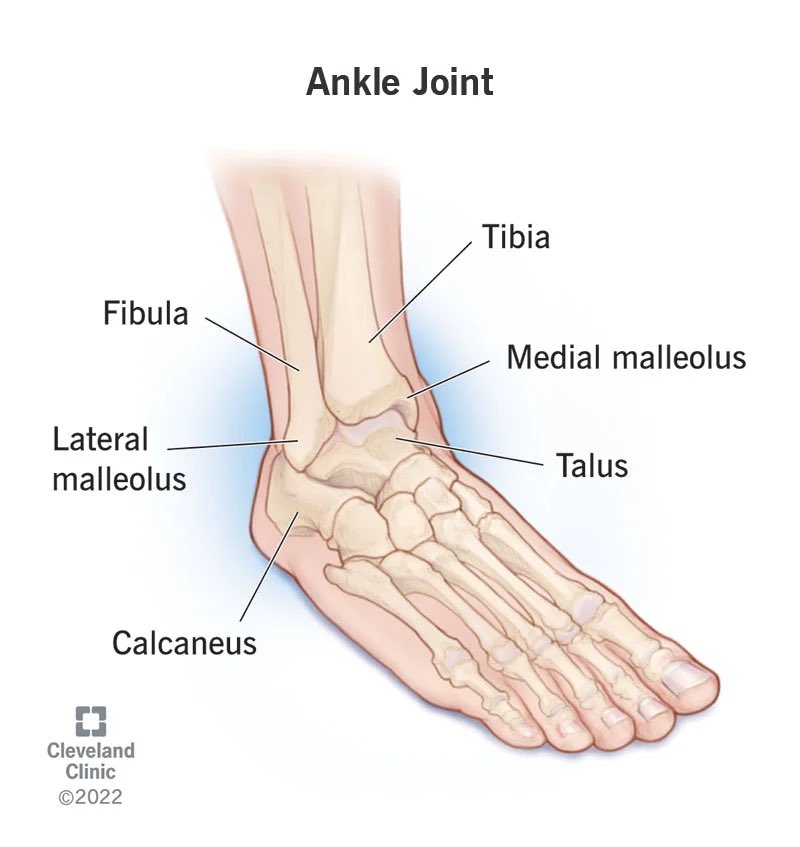
The Latin word ‘taxillus’ means ‘a small die or cube’. Roman soldiers used to make their dice from a large bone in the ankle of a horse, leading to the human bone becoming known as the talus.
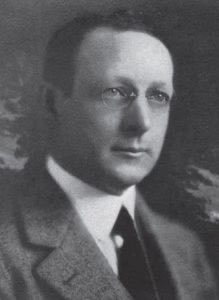
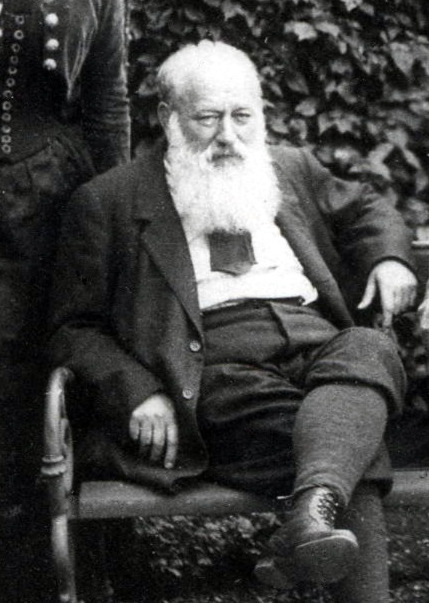
@YoucefOuagueno1 Dr. Sistrunk worked in many areas now considered part of general surgery, including breast and colon operations, as well as other areas of head and neck surgery, such as thyroid procedures. He even advocated for the use of the Kondoleon operation for elephantiasis!
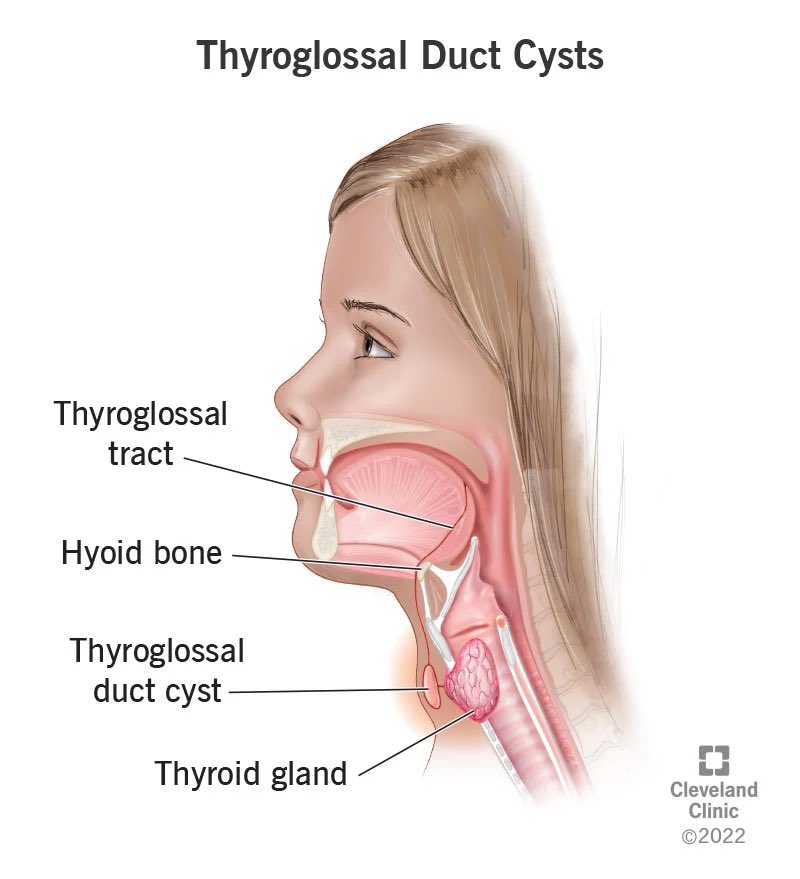
American surgeon Walter Ellis Sistrunk (1880-1933) described the “Sistrunk procedure” in 1920, which included removal of a central portion of the hyoid bone AND a core of tissue around the tract in removal of a thyroglosssal duct cyst, dramatically reducing recurrence rates.
Traditional practice can become outdated.
E.g.
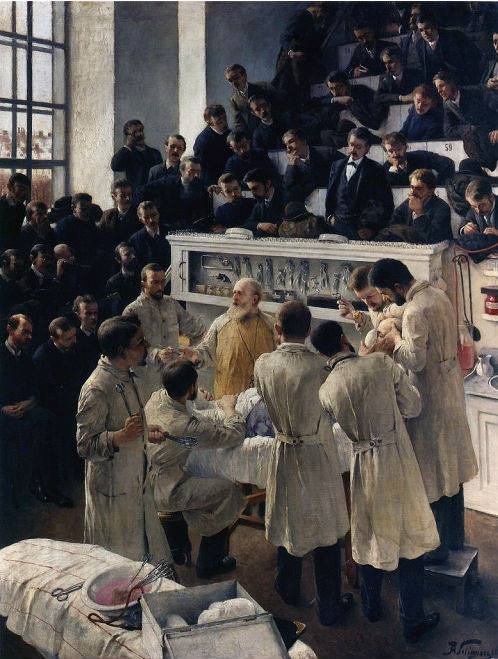
1800s the dirtiest, bloodiest surgeons were revered as the best😱
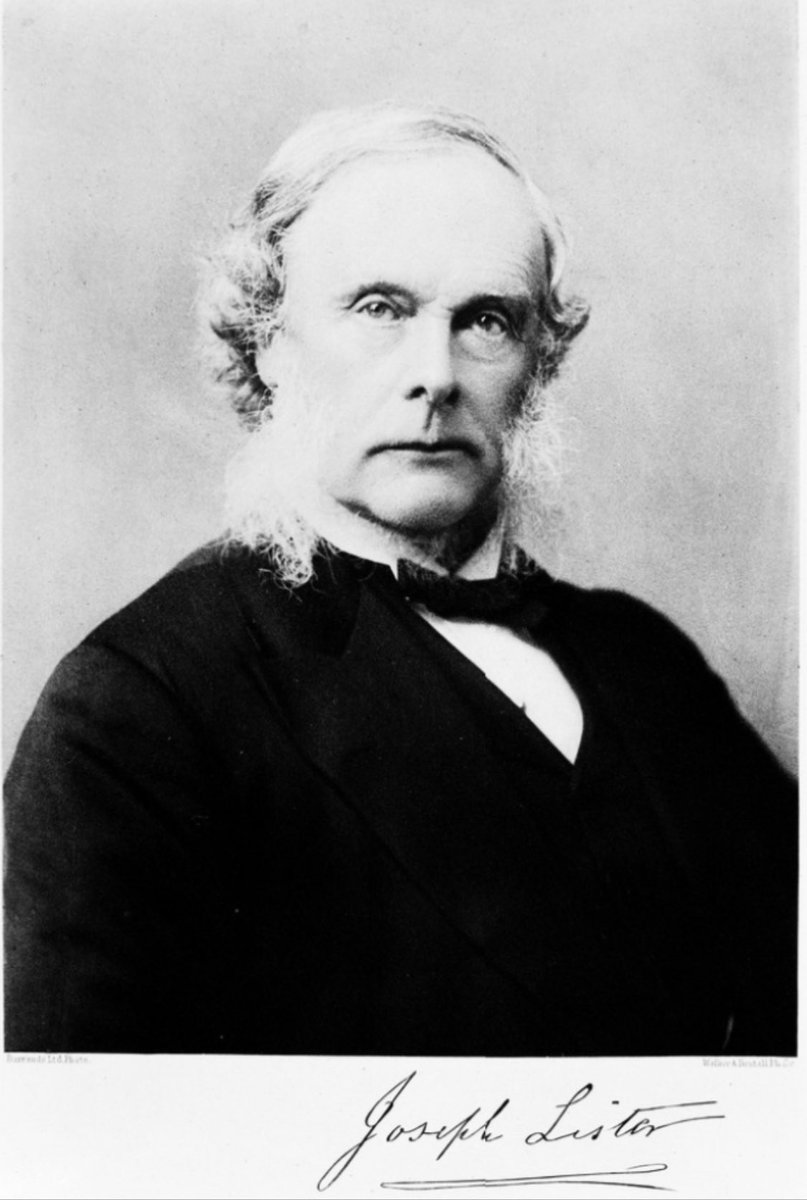
Lister was mocked when he showed hospital gangrene was due to dirt
2023, Lister’s antisepsis theory has saved millions of lives
#ArchiveMisconception#Archive30
In 1974, Dr. Li Shunqiang developed the no scalpel vasectomy in Chongqing, China, and invented a ringed clamp and dissecting forceps for the technique. In 1985, Dr. Marc Goldstein travelled to China to learn the procedure, then brought it back to North America.
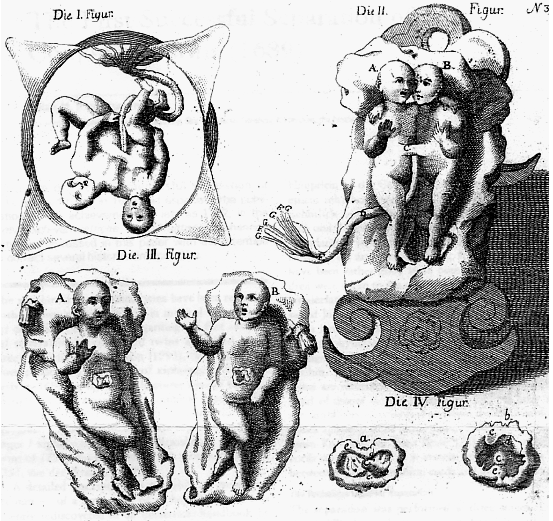
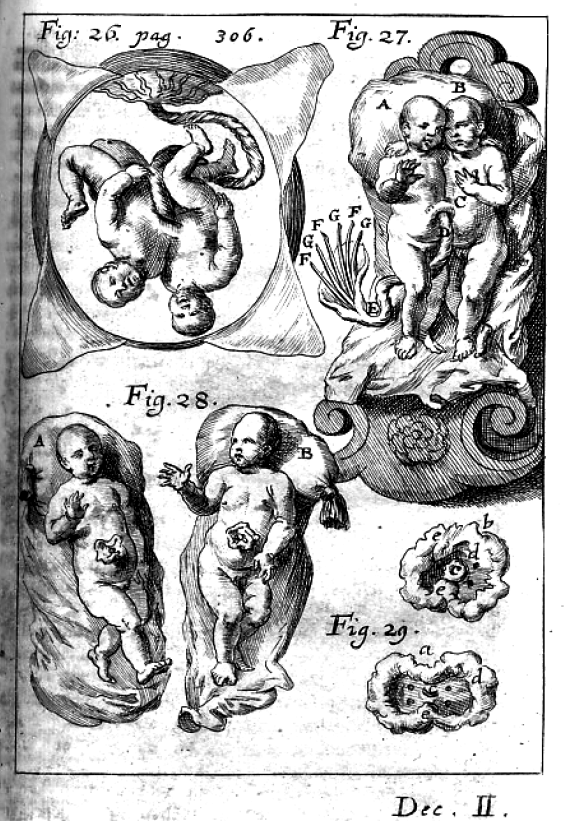
Johannes Fatio was the first #surgeon to report a successful separation of conjoined twins, in Basel on 23 November 1689.
The twins, Catherine and Elisabeth, were connected at birth between the xiphoid process and the navel.
#histmed#historiamedica@SurgeryLegends#surgery
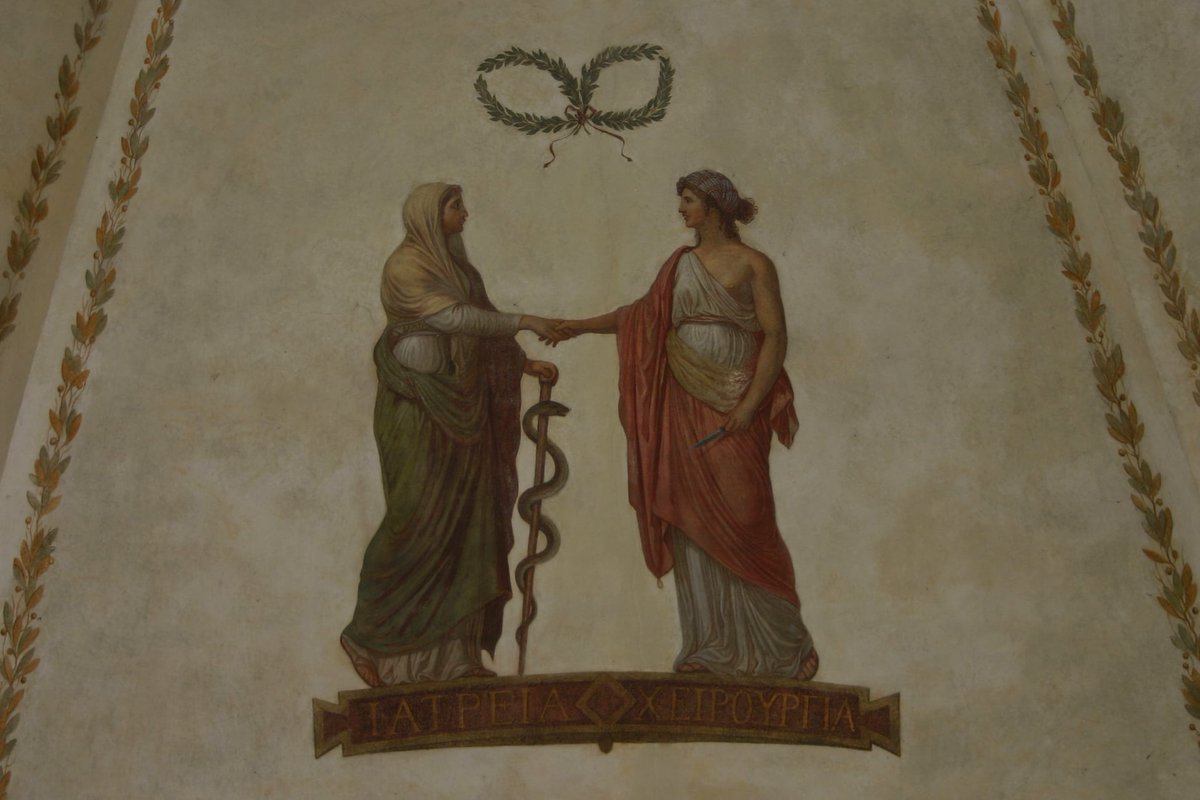
"Antonio Scarpa" hall in Pavia, Italy, depicts the allegory of the harmony between Medicine and Surgery. Medicine (Iatreia) holds the rod of Asclepius while Surgery (Keiroyrghia) holds a scalpel.
@SurgeryLegends
The term ‘orthopaedic’ was coined in 1741 by French physician Nicolas Andry (1658-1742) from Greek words ortho (straight) and paideia (child), as his book was about non-surgical methods to prevent and correct skeletal deformities in children. The frontispiece is now iconic.
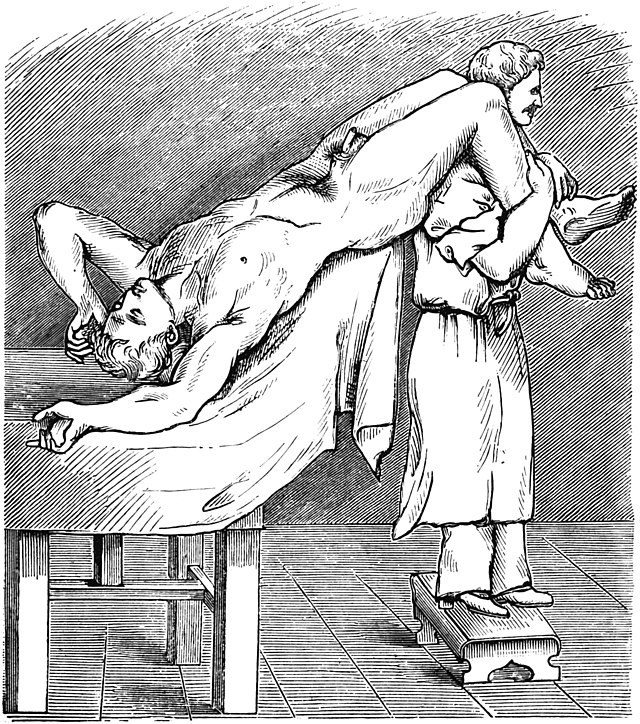
The first description of #Trendelenburg's elevated position was given by one of his students, Willy Meyer in 1885.
Friedrich Trendelenburg described it in 1890, in his paper on vaginovesical fistula #surgery and has since taken its eponym.
#medizin@SurgeryLegends#chirurgia