Koine Greek fluency: fast and free*. For an intermediate φιλόλογος (in the most literal sense) seeking to become fluent. Beginner to Intermediate in the future.
This video heavily references William D. Mounce's work on Greek morphology. His explanations of how verb forms are built made it possible. Thank you, @billmounce
Mounce, William D. The Morphology of Biblical Greek: A Companion to Basics of Biblical Greek and the Analytical Lexicon to the Greek New Testament. Grand Rapids: Zondervan, 1994. ISBN 0-310-41040-1.
Sections referenced:
- §3.3 (p. 8) Quantitative vowel gradation (short and long vowel pairs, ο → ω)
- §3.4 (p. 8) Analogy
- §3.5 (p. 9) Compensatory lengthening (ο → ου, α → ᾱ)
- §24.4 (p. 38) ν before σ drops out
- §25.5 (p. 41) Intervocalic σ
- §35.2–35.3 (p. 78) Thematic and athematic conjugations; the connecting vowel (ο before μ or ν, ε elsewhere)
- §36.3 (p. 79) Where primary endings are used
- §36 chart and notes (p. 80) Primary active endings, regular and alternate; the original forms σι, τι, ντι, αντι; ω as the lengthened connecting vowel
- §36.9 (p. 83) Movable ν
- §40.2.1–2 (p. 84) The second singular ("added back by analogy") and the third plural (ντι → νσι → ουσι)
- §40.3 (p. 85) Contract verbs
- §40.4 (pp. 85–86) μι verbs (the athematic conjugation)
- §41.3 (p. 88) Present paradigm of δείκνυμι
- §43.1 (p. 91) Future active
- §45 (p. 108) Perfect active
The term "assibilation" for the τι → σι change and the "regular / alternate" layout of the endings table are my own framing, not Mounce's. Any errors are mine.
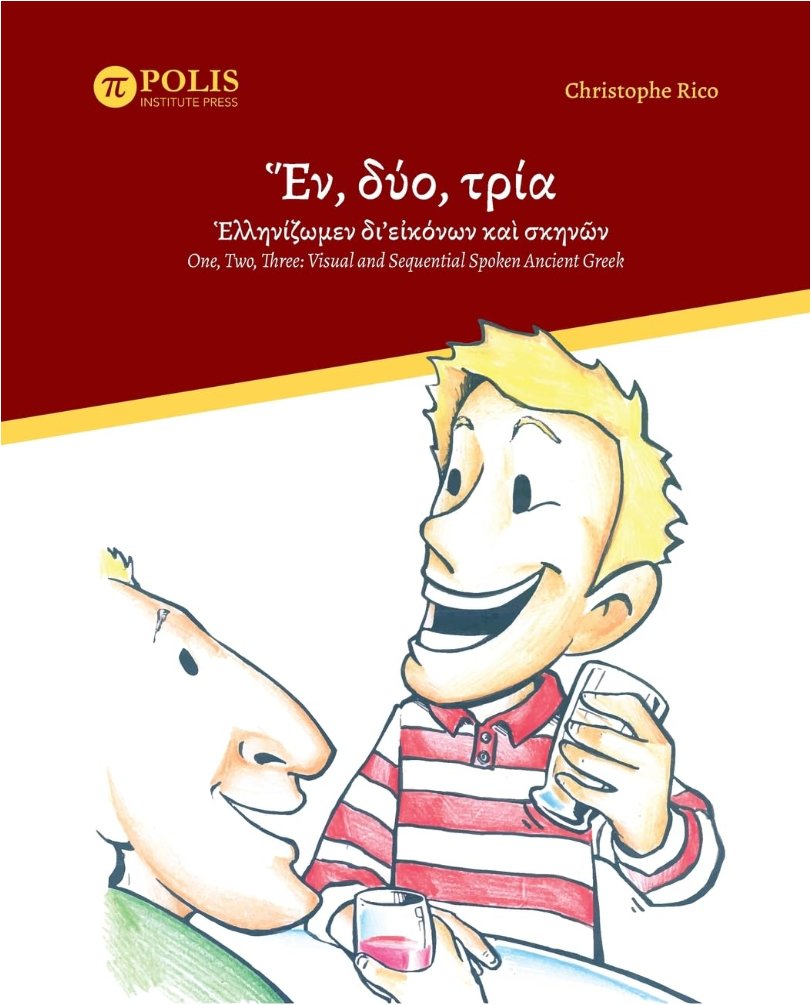
@loveologian I've found Basics of Biblical Greek (and all the resources surrounding the curriculum) helpful when starting. If you want more conversational, Ἕν, δύο, τρία by Polis Institute is great. polýMATHY by Luke Raniri is great on youtube.
https://t.co/LnsvE5cDmi
Beta test sign up link ^
Synesis is an app designed to take intermediate Koine Greek students to fluency through vocab acquisition, form recognition, conversation in Koine, Scripture memorization, and more.
Beginner->Intermediate will come later, but you're welcome to sign up even if all you like is trying to memorize Koine words via pictures.
@TranscendNWO@ApoloJedi_@sola_chad Yes, but it does show that the word has more semantic range than just what you mentioned. When doing word studies, it's important to get as much NT data on the word as possible.
I've posted something similar before, but this may be helpful:
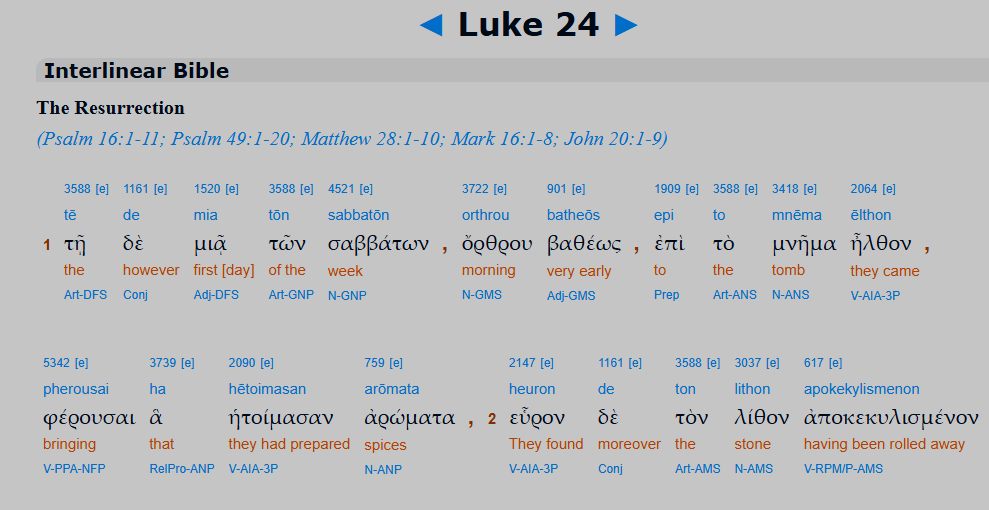
As you said, the word is κεχαριτωμένη here. Tenses really only indicate time in the Indicative mood (think normal verbs), but this is a participle so time doesn't apply in the same way here. I would hesitate to put such a strong emphasis on "past effect brought into present"
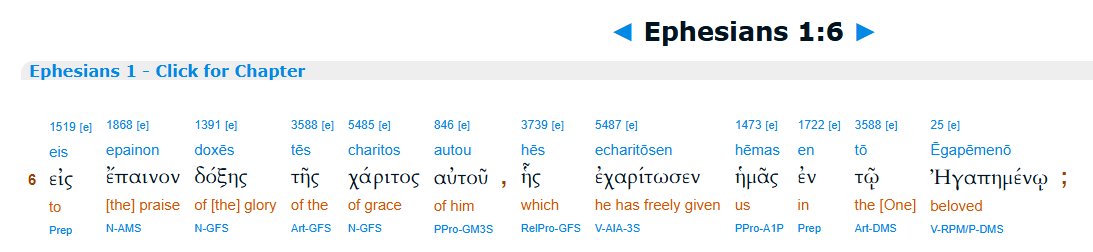
If you want to look into this further, the same word is used in a different form in Ephesians 1:6 (translated as "he has freely given" in the image), and you could look into how Luke and other NT writers use perfect passive participles.