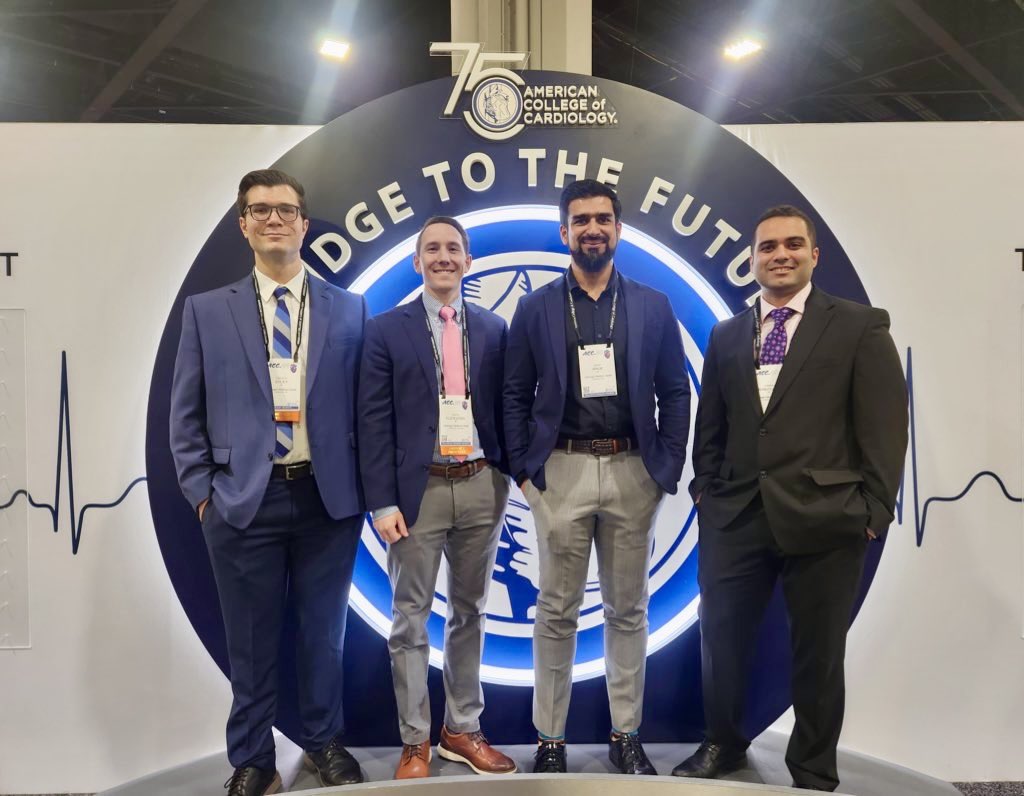
At #SCAI2026 presenting our meta-analysis and systematic review on DOAC vs DAPT after LAAC. DOAC had less bleeding, less device-related thrombosis, and no increase in stroke or systemic thromboembolization @AravJhandMD
Overall, had a blast and it was a great conference
I’ll be presenting an updated meta-analysis and systematic review on the use of intracoronary supersaturated oxygen for the treatment of anterior STEMI.
Acute MI - Session 3, Theatre #2 at 3:06 PM today #CRT2026@AravJhandMD
Today at #CRT2026: Don’t miss these opportunities to learn how SSO2 Therapy can support your #STEMI patients.
@TCShuey_DO @djc795@GreggWStone
See IFU: https://t.co/MCMuUv5mjw
What's trending in #STEMI care? Doing More for STEMI has been top of mind for interventional cardiologists and it's high on the agenda at #CRT2026.
✅ SSO2 Therapy is the only FDA-approved therapy for infarct size reduction in LAD STEMI.
➡️ Check out these insightful sessions on March 8 with the industry experts - Jeff Chambers, @djc795@GreggWStone, @TCShuey_DO - to learn how SSO2 Therapy can support your STEMI patients.
See IFU: https://t.co/PCPujRR82z
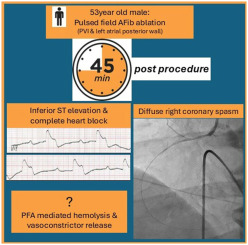
39y/o man experienced intermittent chest pain before collapsing with ventricular fibrillation cardiac arrest. Coronary angiography revealed significant stenosis in the left anterior descending artery. #OCT identified IPH. https://t.co/FnXWnWWrzd #JACCCaseReports#cvCAD
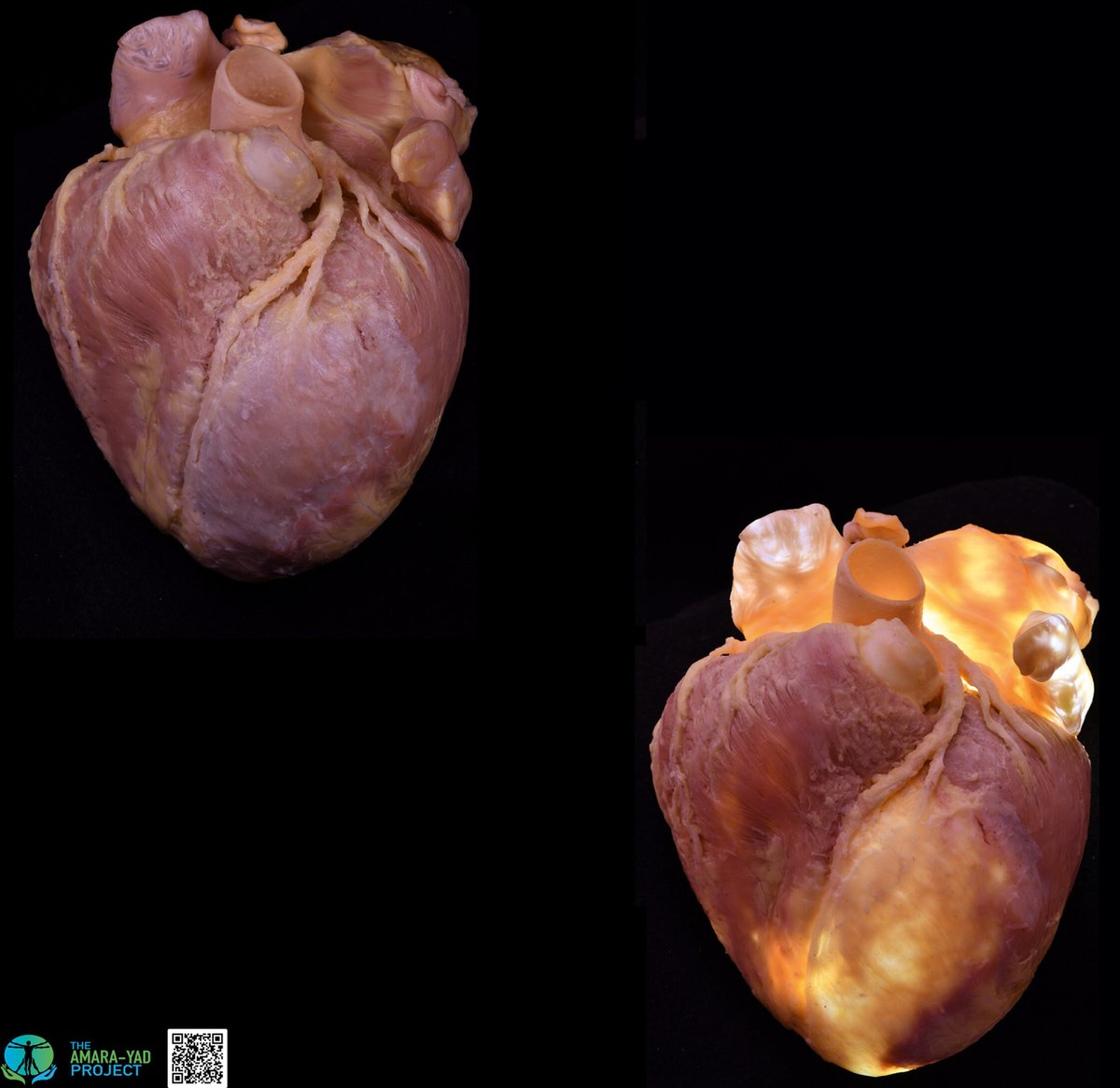
This week's #JACC Amara Yad images show an infarct in the left anterior descending artery territory. Transillumination allows an appreciation of the thinned out heart https://t.co/B8E3eN2gF3 @shivkumarmd#cvMI
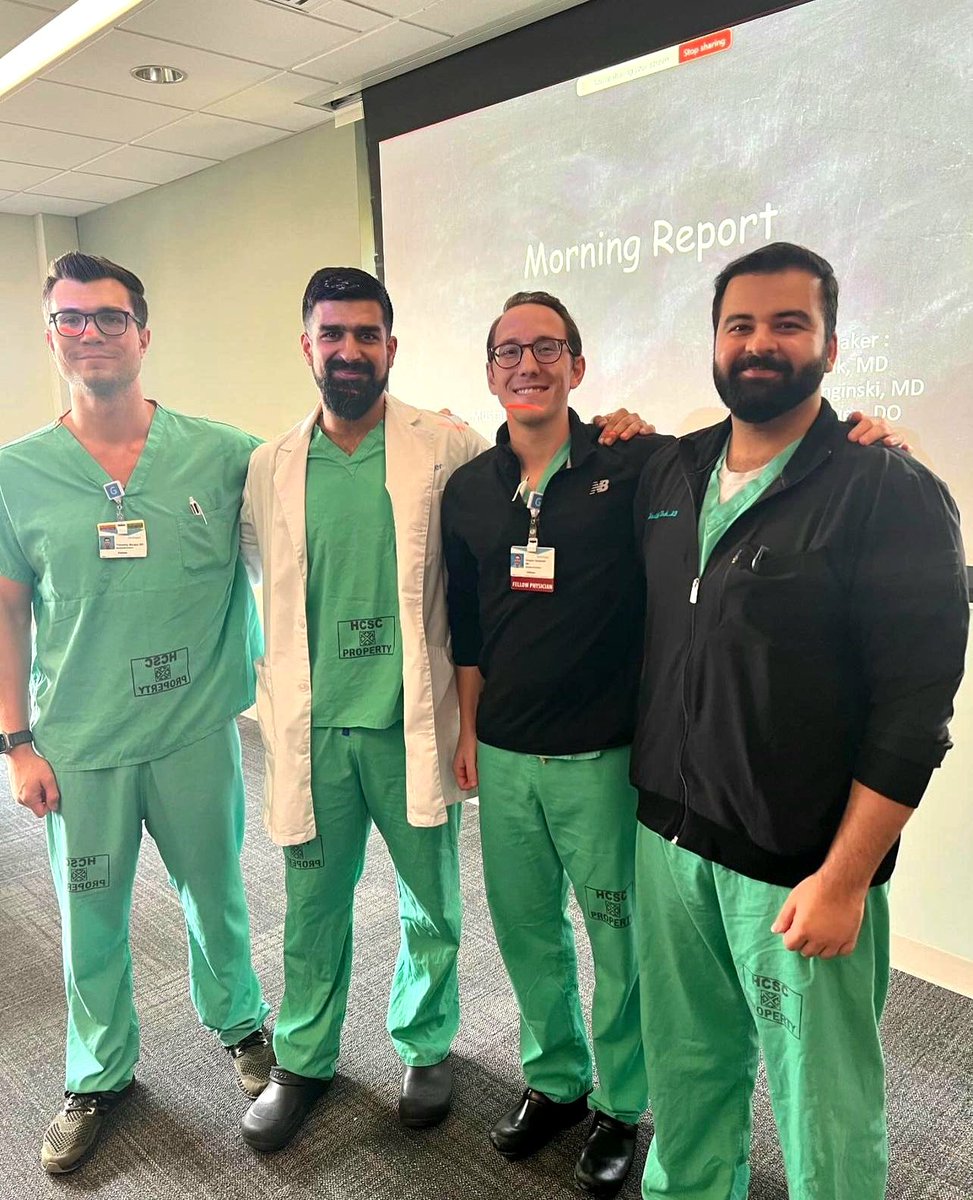
Shout out to our incredible cardiology fellows @saadmalikMD, @GOlenginskiMD & @TCShuey_DO for taking the time to teach internal medicine residents during their morning report. Your dedication to teaching and sharing knowledge is invaluable. We also thank @Geisinger_IM for the invitation and looking forward to our next session.
@CorsAtTheShore Day 2 take aways:
1) IVUS/OCT to Dx etiology of ISR which dictates Tx strategy
2) Most common cause of ISR is stent underexpansion. Prevent by using IVUS
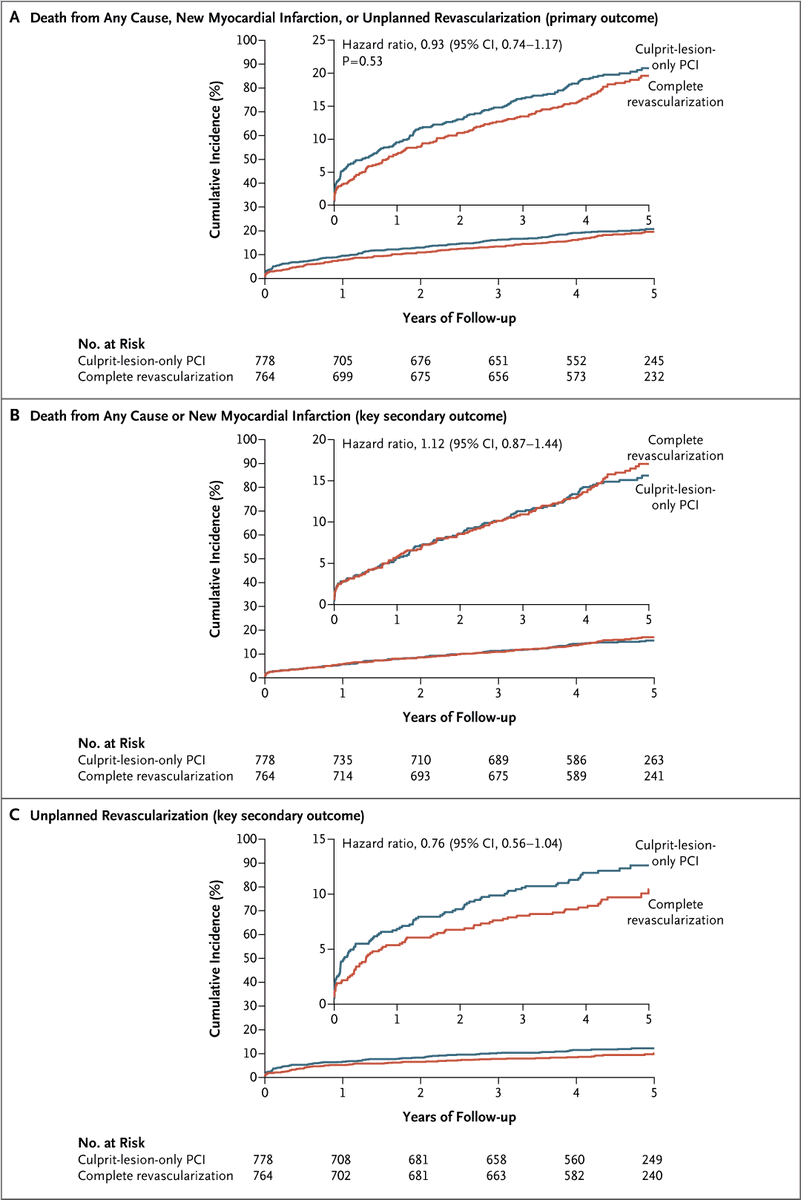
3) Complete revasc is indicated for ACS
4) Supersaturated O2 ⬇️ MVD, ⬇️ infarct size, & ⬇️CHF @ 1yr post-ACS
Great fellows course today @CorsAtTheShore ! A fantastic board review session with @KedarSankholkar was followed by many excellent lectures on a broad range of topics in interventional cardiology. Can’t wait for day 2. @Geisinger_Cards@saadmalikMD
Original Article: FFR-Guided Complete or Culprit-Only PCI in Patients with Myocardial Infarction (FULL REVASC) https://t.co/aXxXd7lvK3
Editorial: Role of Physiology in the Management of Nonculprit Lesions in Acute Coronary Syndrome https://t.co/7GjtdB8kU6
1/12 - Mystery #1
You are seeing a patient recently diagnosed with heart failure and started on GDMT. You notice that their hemoglobin (HGB) has increased (12 → 13 g/dL) in the intervening weeks.
🤔Which medication is the likely cause of this increase in HGB?
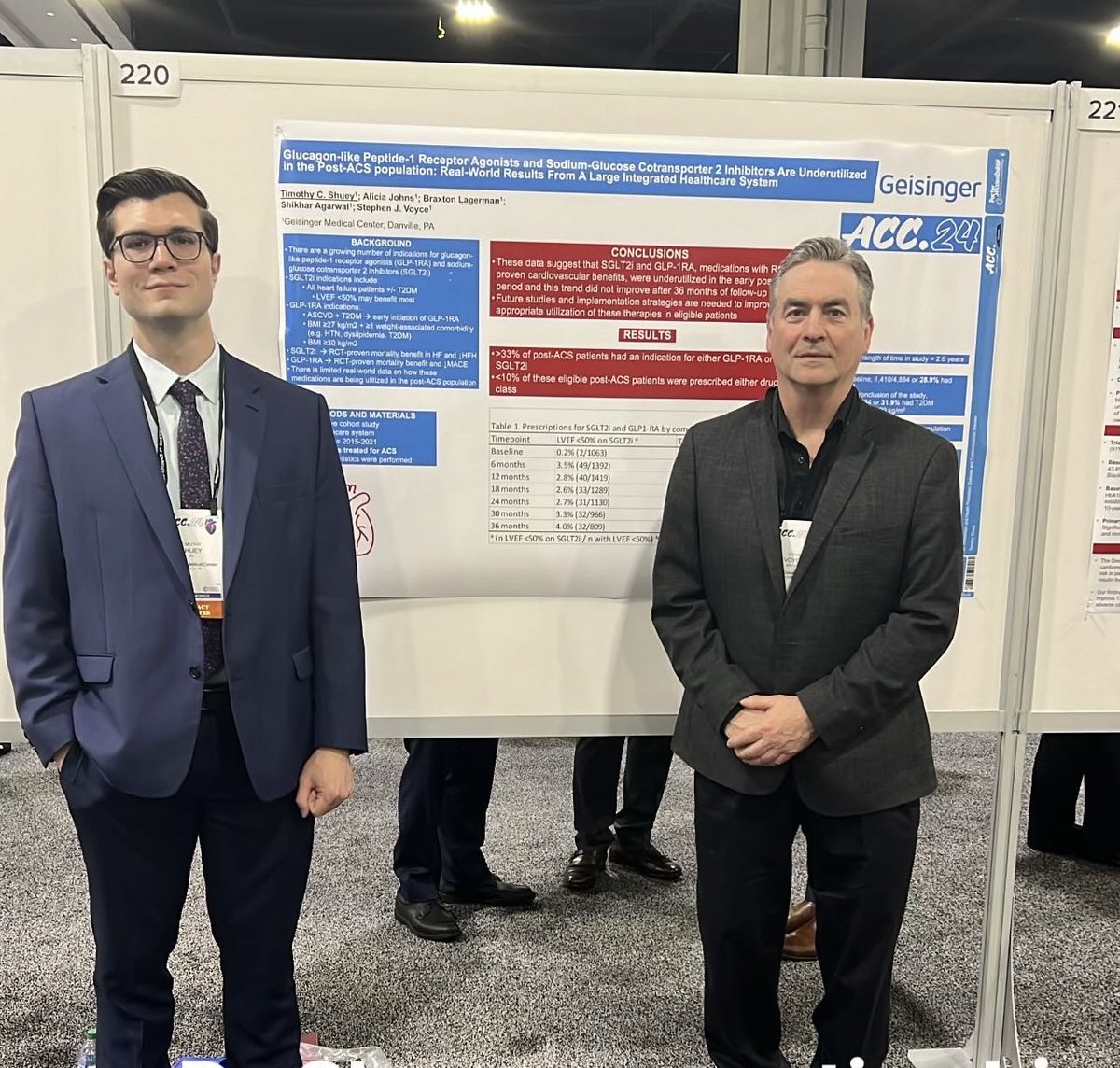
Had a great time at #ACC24. Special thanks to @SJVNEPA and @SAgarwalMD for their mentorship as we had another successful showing of our work on post-ACS care. @GeisingerRsrch @Geisinger_IM
ULTIMATE-DAPT: Most Patients With #cvACS Can Safely Stop Aspirin One Month Post #PCI
Learn more about the results of ULTIMATE-DAPT trial presented at #ACC24: https://t.co/NfihVVL2Iq
Presented at #ACC24:
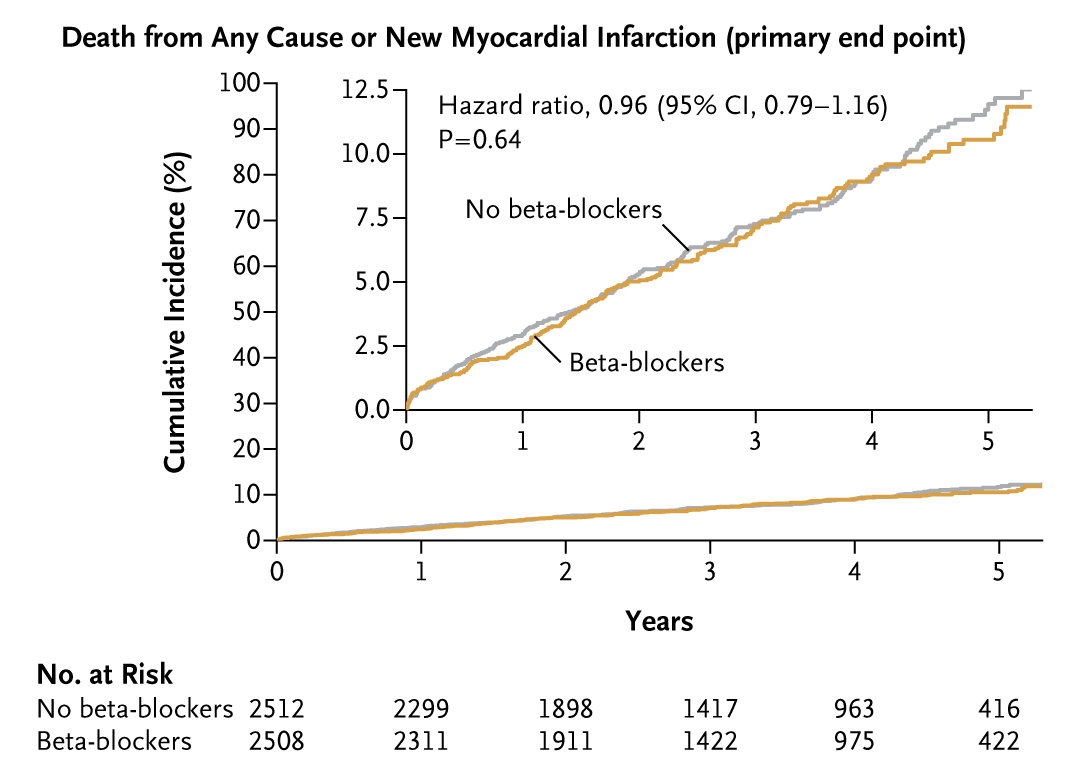
Hospitalized patients with acute myocardial infarction & preserved EF were assigned to receive open-label long-term beta-blocker therapy or not. Beta-blockers did not lead to a lower risk of death or MI. Full REDUCE-AMI trial results: https://t.co/z1NNeAK9Mm