@SahilBloom The investment: ~5 hours a week. Lifting heavy objects 3x a week, 2 work sets per exercise, 2-3 exercises (at least one compound movement) to failure and hiking or jog for an hour or so 1X a week, sprint intervals one day (usually 4 days after leg day…)
… for 35 years
New meta-analysis: Lifting weights beats every other form of exercise for protecting your brain as you age.
Just 2x/week, 45 min sessions → biggest boost in global cognition + inhibitory control.
Likely mechanisms: More BDNF, better insulin sensitivity, reduced inflammation, improved blood flow.
Pick up the weights. Your brain will thank you for decades to come.
I respect Campo as a player and a person but he needs to stop coming out making these silly comments. Doing nothing for his reputation and respect in our game
The more he talks about the game the way he does, the less ppl will remember him for the genuis he was
2 of my followers Gavin Debartolo @debar_gav2021 & Tom Carter @TJOCarter made the list of the top 25 Shute Shield players of the last 25 years. Congratulations 👏👏
Eastwood’s Hugh Perrett was ranked No 1
https://t.co/o9A0P6DEsm
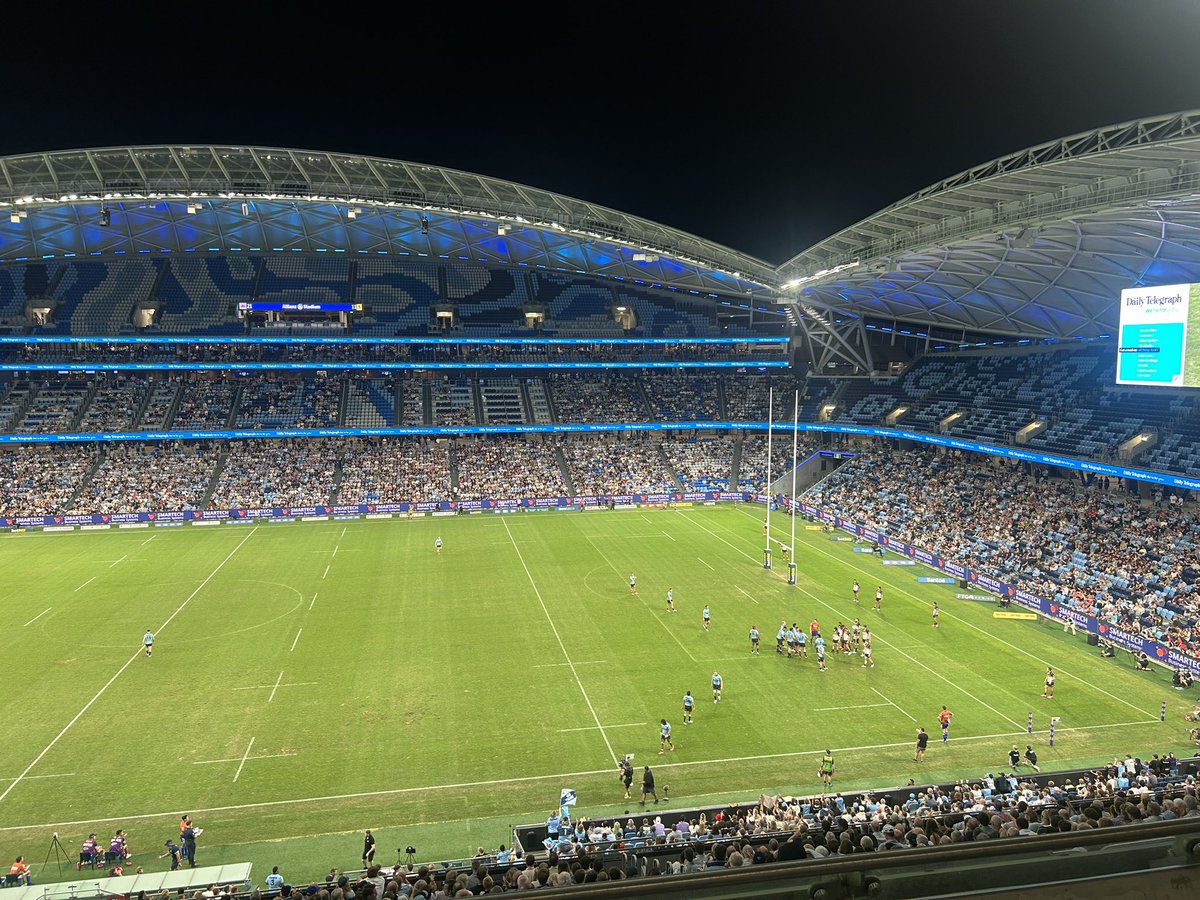
“I’m big on discipline. I’m big on standards.” 😤 Dan McKellar is driving the Tahs forward.
↳ Super Rugby Pacific. Waratahs v Force, Saturday from 7pm AEDT. Every Match. Ad-free. Live & On Demand.
#StanSportAU#SuperRugbyPacific@NSWWaratahs
Regular consumption of moderate amounts of coffee and caffeine has been tied to significantly reduced risk of developing multiple cardiometabolic diseases, including type 2 diabetes, coronary heart disease, and stroke, according to recently published in the Journal of Clinical Endocrinology & Metabolism (doi:10.1210/clinem/dgae552). The study found that consuming three cups of coffee or 200-300 mg of caffeine per day is associated with a 48% lower risk of new-onset cardiometabolic multimorbidity —the coexistence of at least two cardiometabolic conditions.
The research analyzed data from the UK Biobank, which included over 500,000 participants aged 37-73 years over an 11 year period. After excluding those with existing cardiometabolic diseases, the findings were as follows:
*️⃣48% reduced risk of new-onset CM for individuals consuming three cups of coffee per day.
*️⃣ 41% reduced risk for those consuming 200-300 mg of caffeine per day.
The study also found that moderate caffeine intake was linked to lower levels of harmful very low-density lipoprotein.
The protective effect of caffeine from coffee and tea was observed across almost all stages of cardiometabolic multimorbidity development, suggesting the importance of coffee and caffeine in maintaining overall cardiometabolic health.
Wicket no. 5️⃣5️⃣0️⃣ for Nathan Lyon! 🫡
The veteran Aussie offie continues to be among the wickets as Australia eye a clean sweep in Galle! 👏
#SLvAUSonFanCode
There’s so much more in the day of a professional rugby player than most may realise. I chatted with @NSWWaratahs Head of Athlete Performance @TJOCarter about the working week for the NSW Waratahs, and breakdown one specific training day as an example.
https://t.co/OxrkB1ePRU
Men's team locked in for this Saturday's clash with NSW Pasifica 💥
🏟️ Eric Tweedale Stadium, Granville
📆 4pm Saturday 25 January
🎫 - Free Entry
📺 - NSW Rugby TV
#wearetahs
Inside Story - Get to know Tom Carter our Head of Athletic Performance and Waratah #1494🏃➡️
Find out how he’s getting the boys ready for Round 1!
🚨 Full video - https://t.co/Lc4rOnQNMZ
#wearetahs