IN 3 DAYS.💫
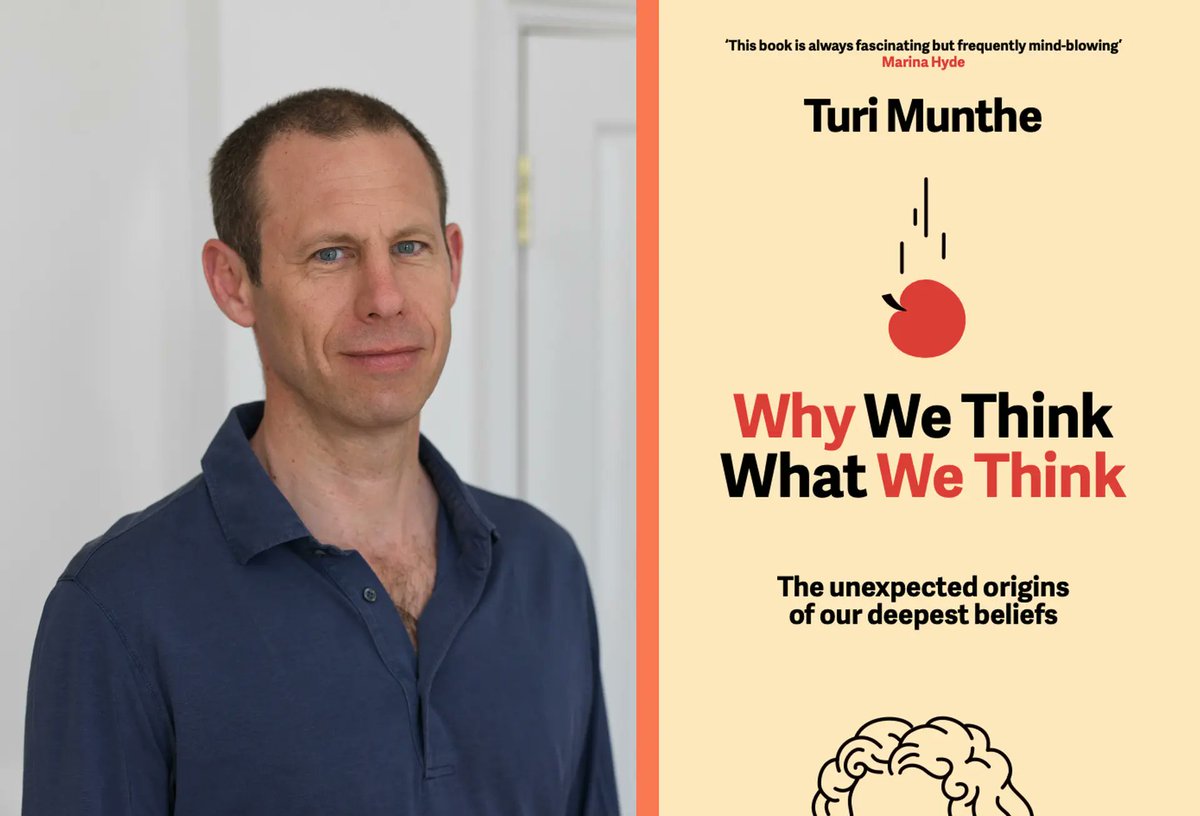
Our deeply held beliefs are rarely the result of pure logic. Instead, factors we never think about—like ancestral geography or the climate we grew up in—silently shape how we view the world.
Scientist and dear Interintellect host @TKPullinger and researcher @turi are breaking down the fascinating data behind why we disagree, and how we can design a society that thrives without consensus.
Join us here:
https://t.co/48VdaufGLN
the majority of people are grossed out by rats and i do sympathize with that view but at times i think they can be adorable so i believe rather than exterminating them we should stick them in a zoo
Yesterday, @IFP and @UChi_MSA launched a tool that the world has needed since at least when I started designing programs to fund innovation nearly 2 decades ago.
Federal program managers, political appointees, and action oriented OMB examiners and congressional staff often struggle with how to fund programs that will trigger the right incentives to actually solve the problem at hand, so they default to what they've always used (grants, cost plus contracts, etc) or the latest fad in funding mechanisms (prizes, AMCs, etc). Often these choices matter much more than the amount of money or effort expended on the program because if economic/contract principles aren't properly considered, you end up with misaligned incentives and stalled progress. Getting those choices right it critical, so IFP and MSA have done the work to read through (literally) hundreds of academic publications and consolidate that knowledge into a simple framework so you don't have to.
The Atlas of Innovation is a free interactive tool that brings that design choice to the foreground. It maps thirteen funding mechanisms (grants, contracts, prizes, AMCs, intramural research, joint ventures, etc) and narrows them with three diagnostic questions about any innovation problem: how well-specified is the problem, how well-specified is the solution, and how good is the selection process. To navigate the online version you'll answer questions about your goal to find the funding approach aligned with the information you have. Each funding mechanism has its purpose for particular technologies and specific moments in development. There shouldn’t be an ARPA for every field, just like we don’t need a prize or AMC for every innovation. The Atlas helps you navigate those tradeoffs.
I am so grateful to have joined a team last month that thinks so deeply (and practically) about neglected but important areas like mechanism design. Props to @matthewesche, @calebwatney , Christopher Snyder, @heidilwilliams_, @mattsclancy , Sarrin Chethik, Claire McMahon, @siddhharia and many more for their work over the last three years to envision this product, develop it rigorously and release it into the world.
It was good to see so many friends in the innovation community last night to celebrate the launch, but now it's time to see it used! Check it out and let us know what you think: https://t.co/2tLheeUSxp
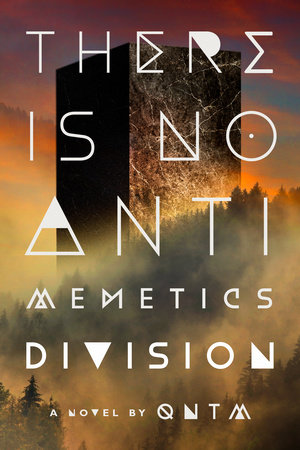
anyway my proposal for a cool internet thing they should turn into a movie after the backrooms is @qntm's there is no antimemetics division, i think this would go extremely hard
@drgurner An interesting corollary is that in any reduced-energy state you have to be more discerning with your to-do list. Especially in 1st trimester when I felt sick all the time I basically had to pick 1-2 tasks to prioritize for the day, and then anything extra was a happy bonus
@drgurner I was thinking that illness, and especially chronic illness, makes this crucial! But didn’t say it because I didn’t want to pathologize pregnancy lol
deeply bizarre behaviour in the bookshop today. dude came in and took a picture of each bay of books. then started talking into his phone: “hey, give me a book suggestion using these images and based of off what we talked about before”.
@rorysutherland@amazon I really enjoyed it too! I’m hosting this event with the author this coming weekend if you’d like to come https://t.co/Pq5qc4uMof
Next weekend I’m hosting an @interintellect_ salon on @turi’s new book Why We Think What We Think. It’s beautifully written & packed with stories about our minds’ underlying influences from geology to genetics. Join us for what promises to be a fun conversation! (Link below)