To live is the rarest thing in the world. Most people just exist. Oscar Wilde (all opinions my own and retweet’s do not confirm agreement - save for Oscar)
Stretching exercises for Mario after a session of trotting transitions. Hard for an ex-racehorse as he learns to bend and build top line. My sweet Mario❤️
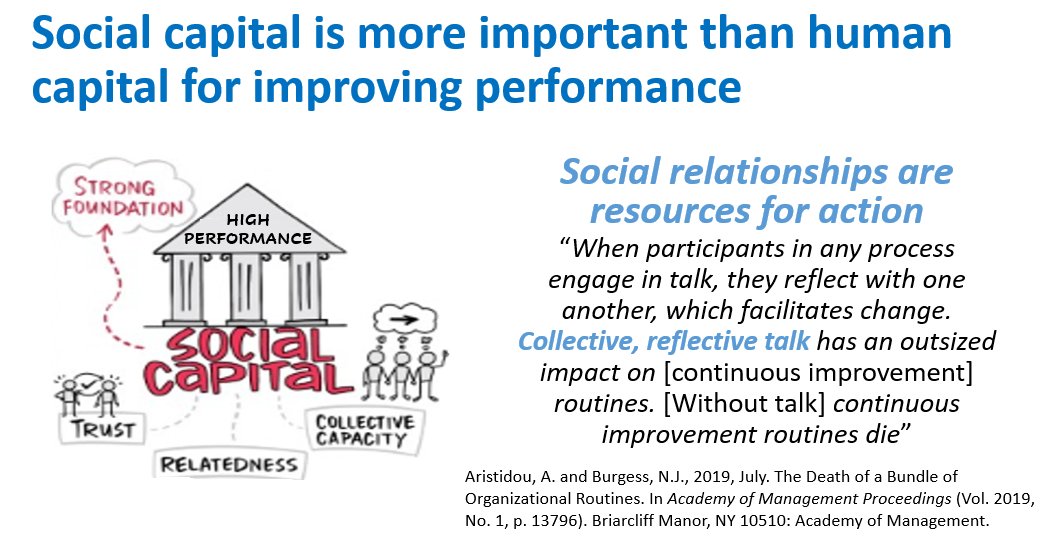
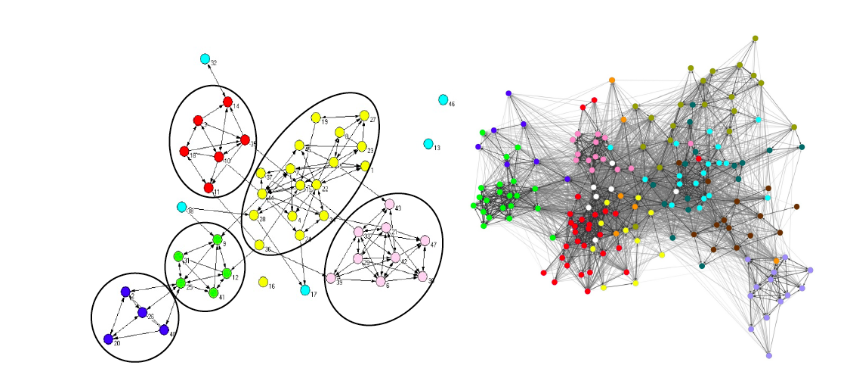
High levels of ‘social capital’ (the value gained when people work well together) create the conditions for high performance in health & care. The evaluation of 5 NHS organisations that undertook whole system transformation showed that social capital is more important than human capital (the skills, knowledge & experience people possess) when it comes to improving performance. Now, research newly published in @HarvardBiz concludes that social capital is at least, or more important, than human capital OR financial capital for high performance in healthcare organisations.
If we want to improve performance & productivity, we need to get serious about:
- understanding social capital (relational co-ordination & social network analysis)
- providing the time, space, focus & leadership support for relationships & connections
- building it into our improvement routines & nurturing & measuring its growth as a key component of our performance strategy.
https://t.co/30h5nDpMYc. Article via @ThomasHLeeMD. Material for graphic from @DrNicolaBurgess
Here are the four compassionate leadership modules developed with and for colleagues in health and social care across Wales. Steal with pride please https://t.co/HRJoCpBw1x @HEIW see also the huge range of supporting resources at https://t.co/CelC4kaXIJ
@ViaerFou@HelenBevan Lost “bed” days are reduced minimising waste of the precious capacity within the “system”. Processes are resources and synchronisation of all resources is achieved at system level.
@HelenBevan@Digitaltonto This is so true. Often the power is simply a resource that has been doing the same role for 15 years and deemed the subject matter “expert”. They can only replicate their own “level of understanding “ hence why wholesale change is hard to effect. Impactful!
Decades of research/insights on change & transformation are largely ignored by those leading change says @Digitaltonto. Transformational initiatives are seen as exercises in persuasion, with leaders designing slogans to “create a sense of urgency” & shift attitudes, assuming that will change behaviours. It won't. We should look for guidance from the bigger studies that show diffusion approaches where ideas are transmitted socially. His advice? Supporting enthusiasts to build their power for change will give better results than broadcasting slogans for change: https://t.co/TfCy8lDPV7
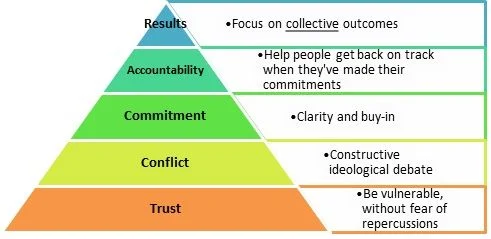
A new article about the classic framework “5 Behaviours of a Cohesive Team” by @patricklencioni, aimed at building strong, harmonious, effective teams. The five are:
1) Building trust
2) Engaging in healthy conflict
3) Commitment: ensuring clarity and buy-in
4) Accountability among peers
5) Focusing on achieving collective results
It's a great reminder. We cannot practice enough with these five behaviours: https://t.co/3JrKVYlT2g Via @PeopleDevelop1. Graphic: @wickdoug
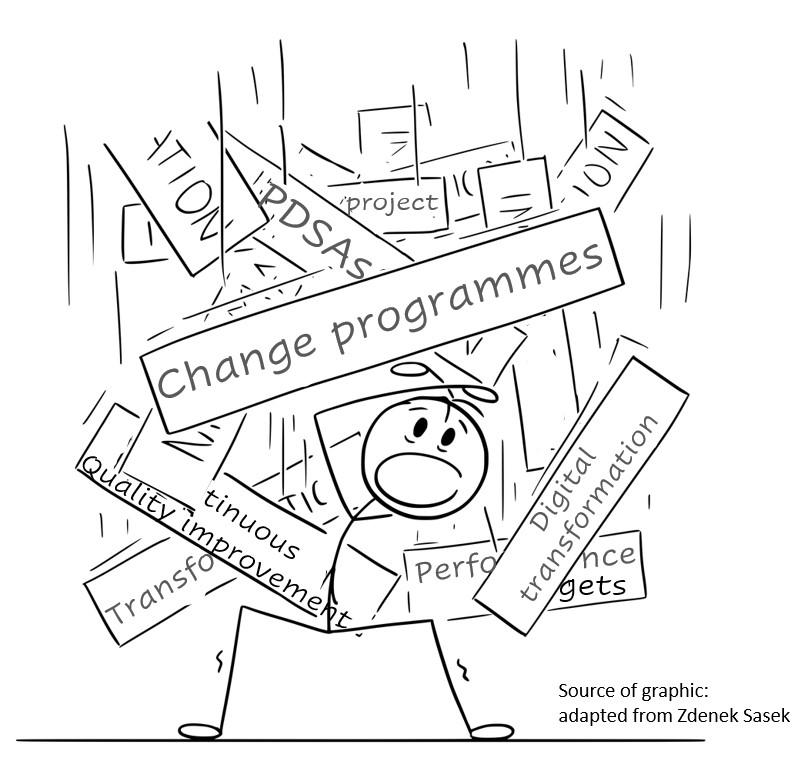
Change fatigue - where an overwhelming number of change initiatives means people feel a sense of exhaustion, passive resistance & apathy toward change - is a growing problem in many organisations. Strategies for leaders:
1) Connect the dots: knit change initiatives together in a meaningful way to show how they're driving key priorities & how different change efforts may augment each other.
2) Truly prioritise: identify key priorities & show the trade-offs that are being made in making these choices.
3) Build and activate a network: engage a broader network of people who support the direction & who will jump in and help.
https://t.co/ihm06o6YnT Via @KotterInc
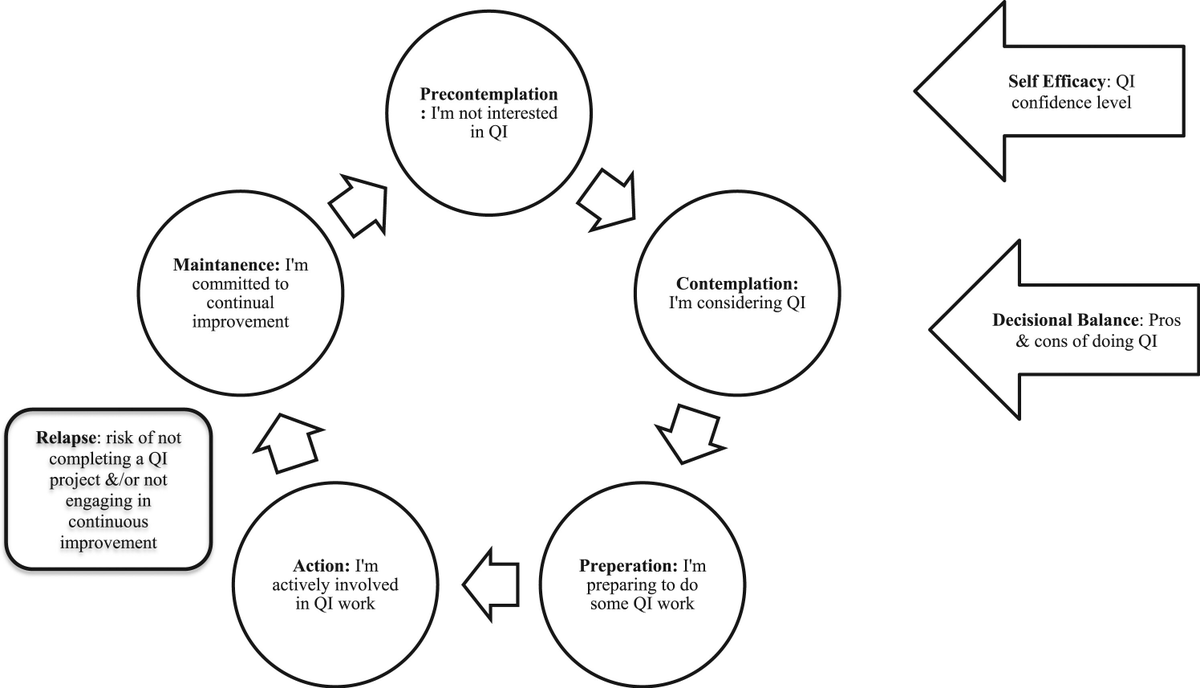
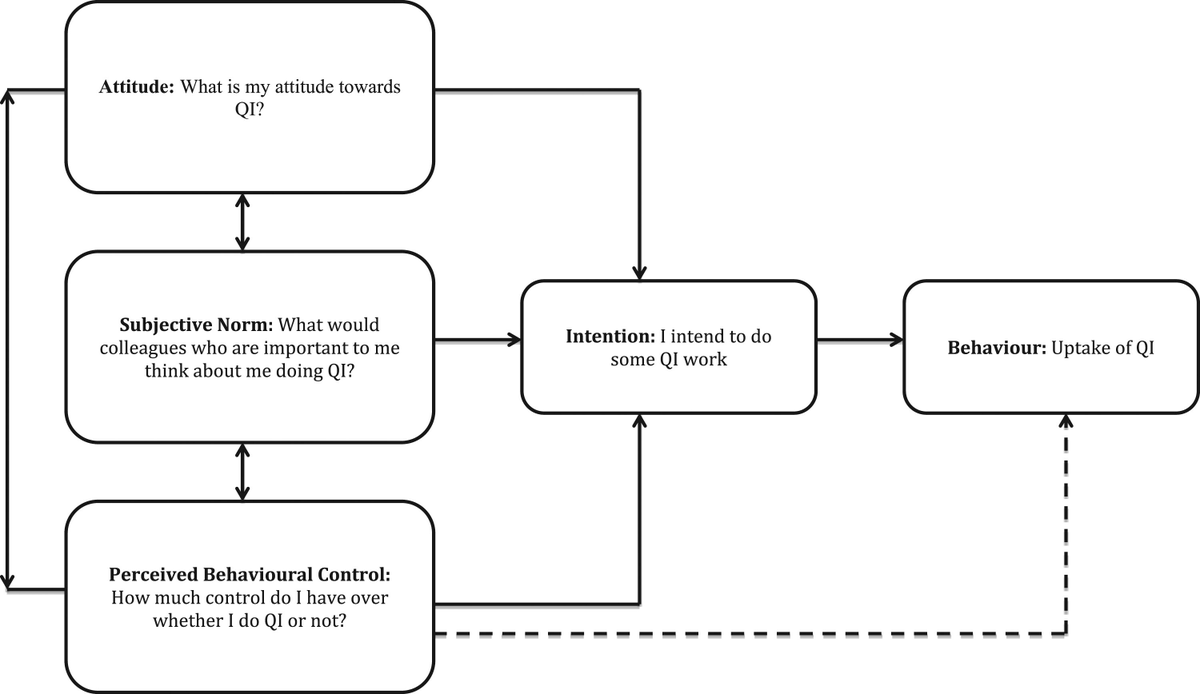
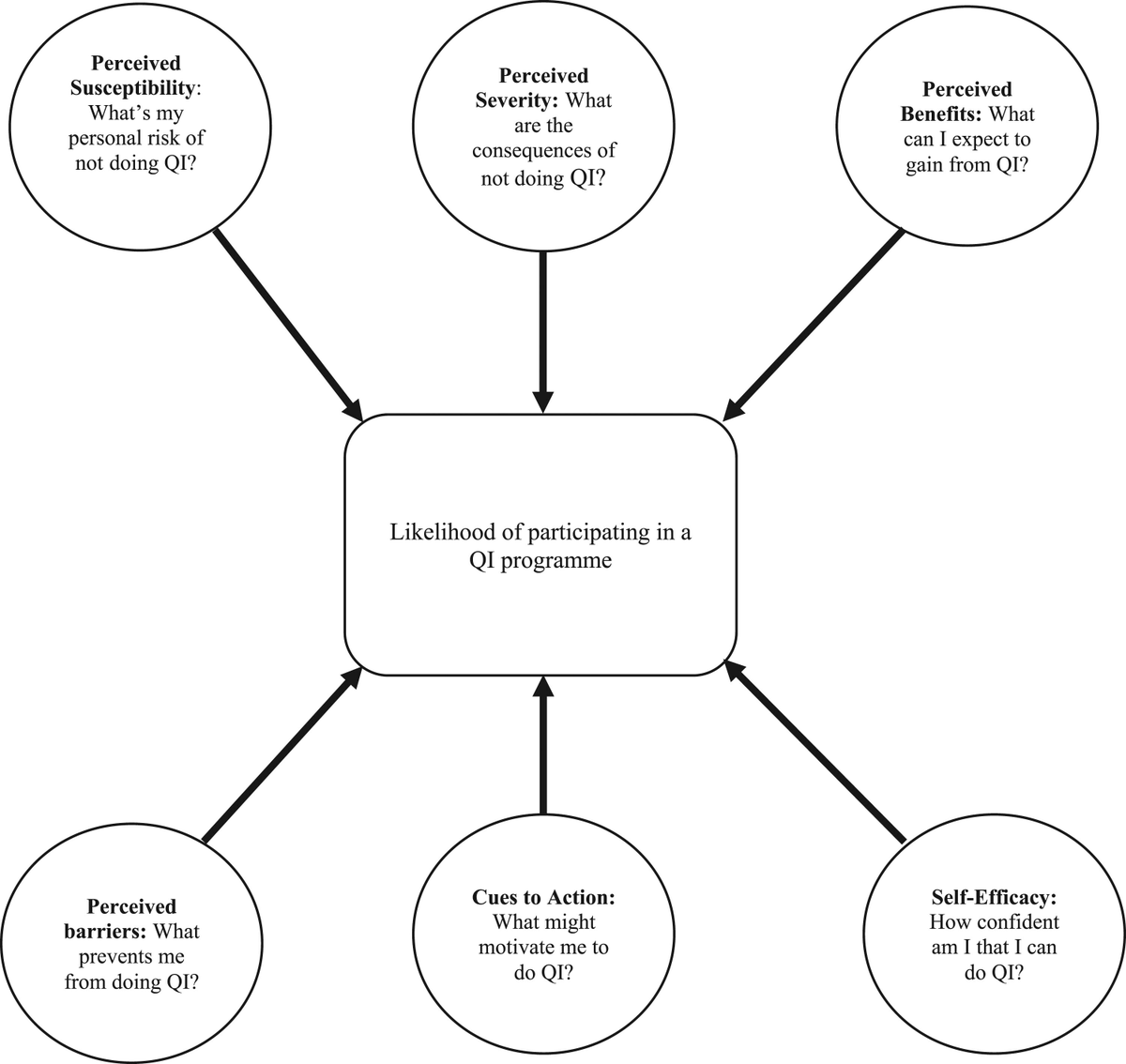
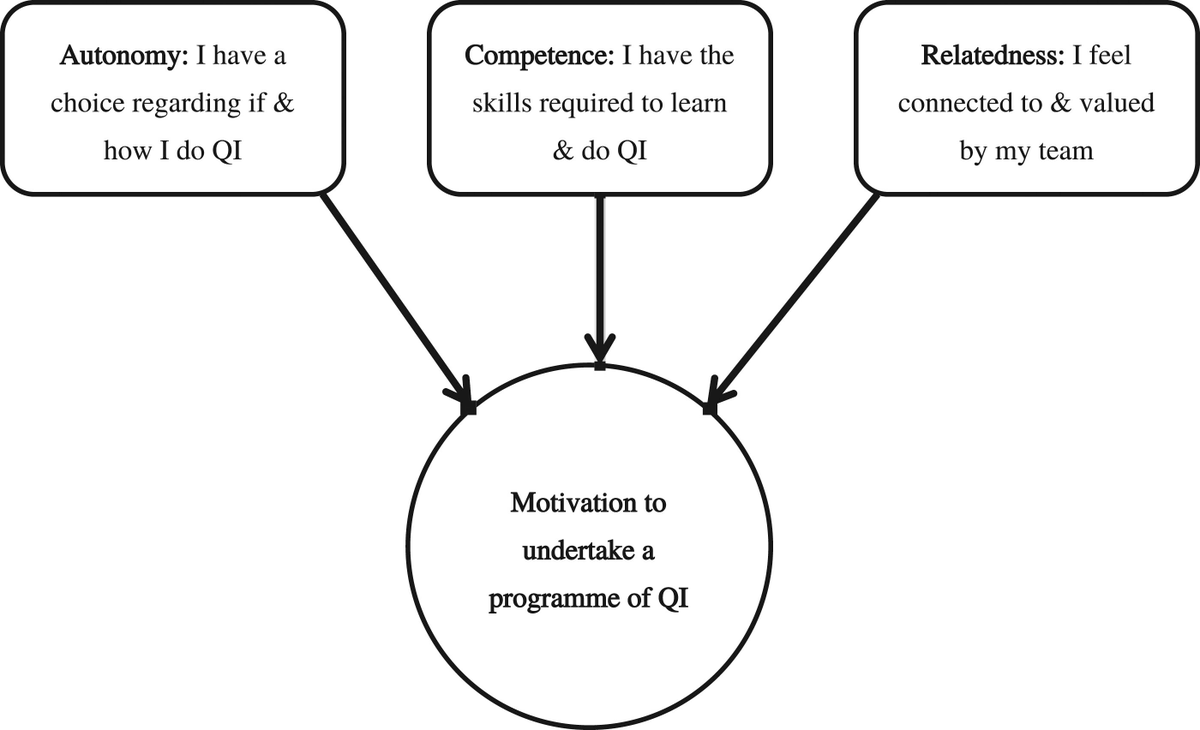
Too often, different approaches to change & improvement live within their own silos. In day to day healthcare quality improvement (QI) practice, the focus is typically on QI models & tools. Learning from the field of behaviour change is often overlooked. So @DrCEHilton sets out how psychological theory & skills can be integrated into QI practice to get better outcomes. It's a long read so grab a cup of coffee & enjoy it: https://t.co/IN2cV7D04T #QITwitter
Riding let’s me wind down and forget everything. Horses have a way of bringing you into the present moment. Let’s hope he’s let of some steam or I’ll be on the deck 😳
@Marktheliverdoc Not having a system that provides visibility across all the key stakeholders involved in the patient discharge journey creates a lack of synchronisation and prioritisation. Check out NECS OPTICA discharge planning tool. Highly recommend.
Just read Leadership Awakened by Samreen McGregor and would highly recommend to aspiring leaders and those already in leadership roles. References to refraction remind me of Margaret J Wheatley and her Leadership and the New Science. Samreen fills the gaps.
Bringing our bad mood to work can have greater impact than we think. Recent research from @LSEManagement suggests that leaders who demonstrate consistent positive emotions at work (as opposed to fluctuating emotions) create the conditions for more positive, engaged teams & better outcomes. The researchers say leaders should:
1) Build emotional intelligence (EQ), including a deep understanding of emotions at work
2) Recognise the power of maintaining consistent positive emotions at work
3) Be aware just how much our own emotions can be influenced by the mood or behaviours of the people who lead us:
https://t.co/TQc1dILrB6
For goodness sake. Opened my phone and thought the grandchildren had downloaded another game like Roblox. I used to tweet like a bird. What do I do now? Hex like an X? 😂 @elonmusk
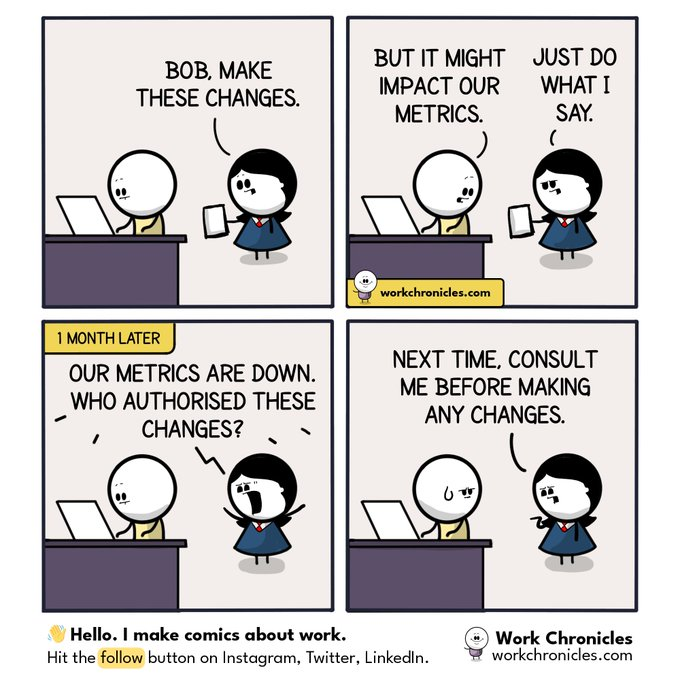
Senior leadership is a team game. Research shows that the tensions created by a "strong" decisive CEO with a centralised approach often leads to failure for the CEO, the organisation or both. This leadership style creates emotional stresses for the organisation, particularly for others in top management roles, which lead to crash and burn longer-term: https://t.co/5DgBJ4YzcQ Via @INSEADKnowledge Graphic: @_workchronicles
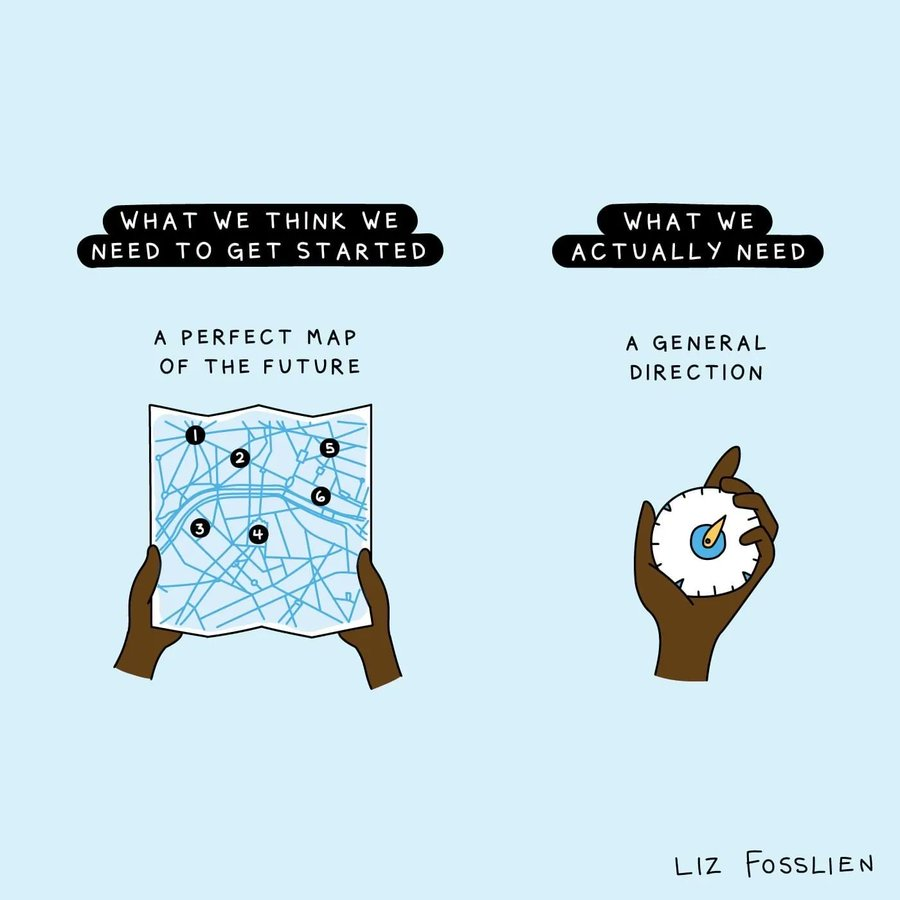
One thing I've learnt over the years is that it's usually a good idea to have a plan for change. The plan gathers people and shows the way. But lasting change is inherently emergent so don’t expect the change to exactly match the plan. The plan needs to be just “good enough” at the start, allowing room for tensions, uncertainties, and learning. Graphic by @lizandmollie
Are hierarchies & silos a bad thing? Or are they a necessary way to govern organisational activities & ensure centres of capability? @Digitaltonto argues that rather than breaking down silos, we need to join them up, through social connections that span boundaries. He defines the job of leaders "to help those groups connect and forge a common purpose": https://t.co/TB45xaP7Vy. Graphic: @EvaKyndt