Excited to share a new publication (from my dissertation @UiB_sampol) Using machine learning, I estimate the most important predictors for satisfaction with democracy in Europe (using @ESS_Survey).
https://t.co/8zWDa5AkWL
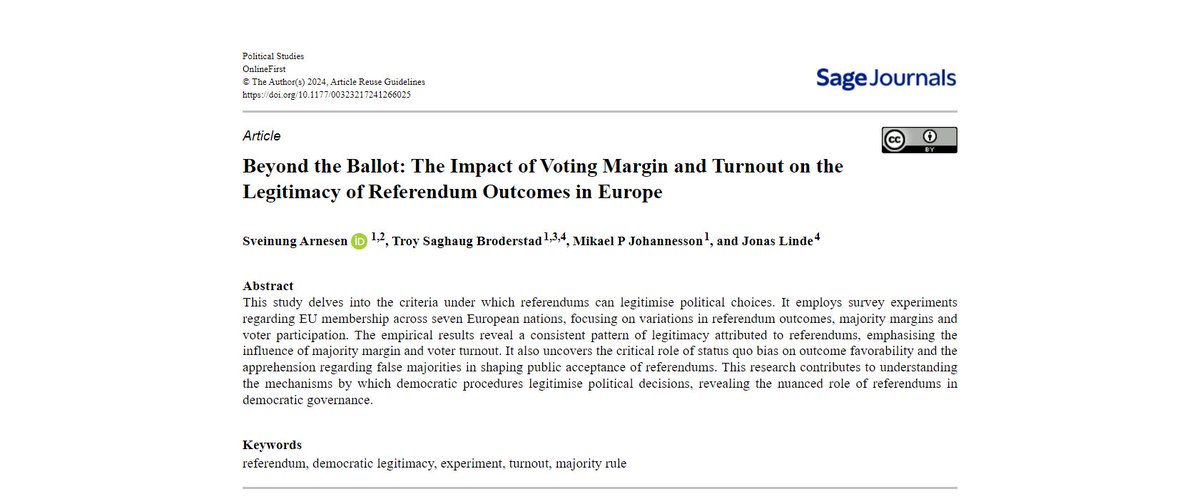
IN NEW ISSUE: Beyond the ballot: Sveinung Arnesen, @JLBergen, @TS_Broderstad & @MikaelPoul examine the impact of turnout, majority size & outcome favorability on perceived ref legitimacy in 7 countries: https://t.co/XEZFKvNL9M (OPEN ACCESS)
@SAGECQPolitics@PolStudiesAssoc
Decided to go through this systematically. Incumbent government performance in wealthy democracies since March 2022, when Ukraine invasion really spiked things upwards: 🧵
Come join our workshop @ the ECPR joint session in Prague 20-23 May 2025! 🔥 Is there a better place to discuss gender and power in parliaments and beyond?
With @CoffeHilde @FrancescaFeo_1 @RMuriaas
👉🏼 Deadline 21 November.
https://t.co/Vj9vUo8toJ
Bli med når High North News med flere holder #sikkerhetspolitisk#valgvake i #Tromsø 5. november. Et mangfoldig panel skal se på hva utfallet av det amerikanske presidentvalget kan bety for #Arktis. Arrangementet strømmes også på HNN. #presidentvalg https://t.co/JklvFM08PP
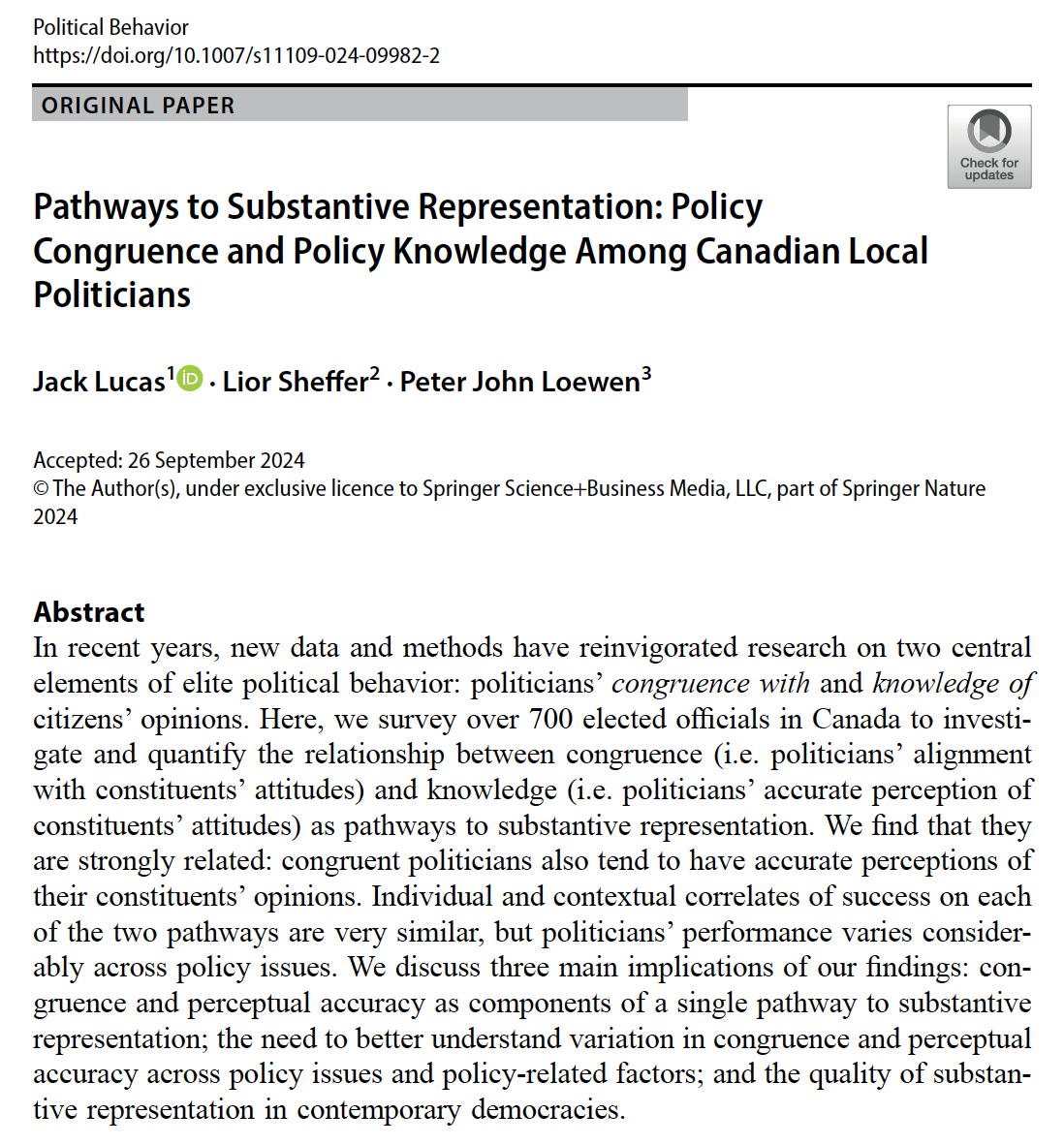
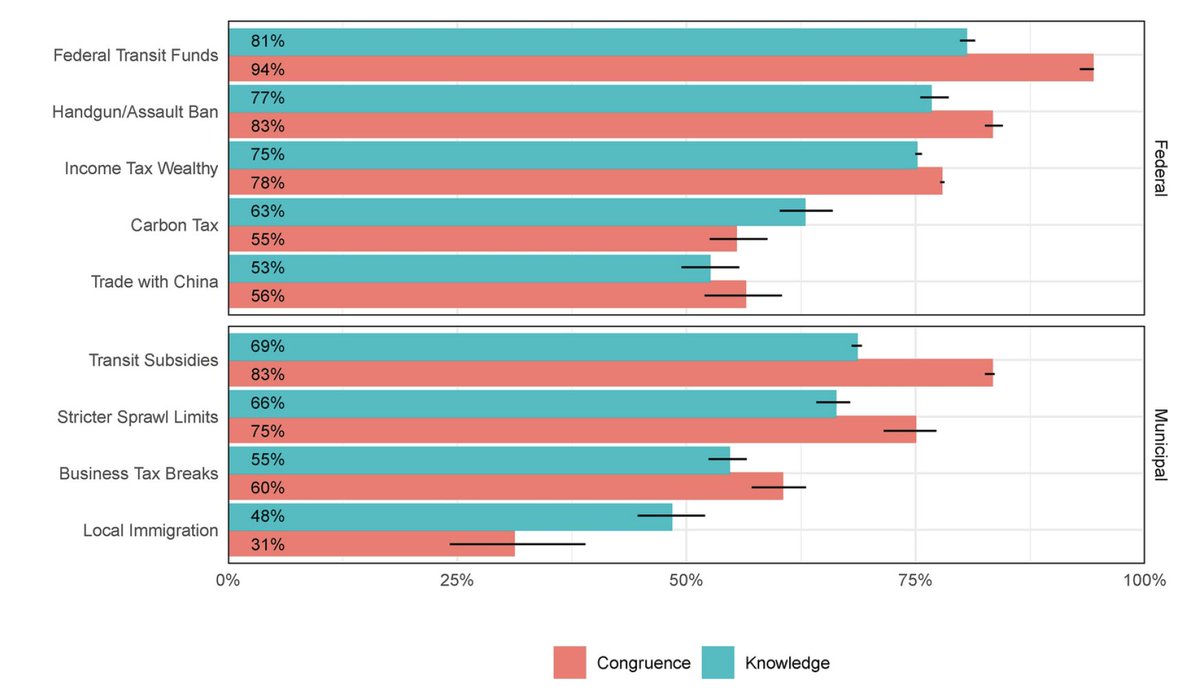
Now in @PolBehavior: How do politicians succeed in representing citizen preferences? In a study with >700 Canadian politicians, we test who relies on having accurate knowledge of what their voters want, and who simply happens to have the same opinions as their constituents /1
New article out with @sveinungarnesen, @TS_Broderstad and @MikaelPoul. Examines the impact of turnout, majority size, and outcome favorability on perceived legitimacy of referendums in seven European countries. Open access. https://t.co/HXnOuGXkUf
We are hiring! 2 PhD positions in comparative politics for full time employment of 4 years. Come and join us in beautiful Bergen and be part of a great project team. More details here👇 https://t.co/EI6YE3T0Bo
https://t.co/aTNqxcJQOR A new project announcement at @UiTNorgesarktis : The Cross-Disciplinary Research in Political Science Handbook, covering various fields such as History, Law, Anthropology, Linguistics, Big Data, AI, Digital Humanities, and STEM.
Come and work with me as a PostDoc on my project “Representing the Future in an Aging Europe” funded by @mohnfoundation. Please share and feel free to reach out with any questions.
New publication w @JosefinaSipinen & @britanlar.Drawing data from FIN,we show that young candidates are more likely to run & succeed in national than in local elections.1 explanation is local affinity voting by the many senior citizens. https://t.co/954OMLxus1
📢JOB ALERT
🔍 Full-time Post doc(s) on my @ERC_Research project on 'Advocacy, Social Media & Political Representation' @Kingspol_econ
Background in polsci, soc data/computer science, polcom, etc.
📅 March 6, start negotiable
Shares appreciated 👏 1/3
https://t.co/W2jryYGjHy
NY publikasjon! Veldig morsomt å se denne artikkelen jeg har skrevet sammen med @TS_Broderstad på trykk i Regional & Federal Studies.
Vi var så heldig å få bruke de fantastiske ressursene som ligger i KODEM-infrastrukturen til å lage et eksperiment om kommunereform,
Thomas Myksvoll og jeg skriver om funnene våre i @KommunalRapport!
Kommunal Rapport - Hvordan påvirker debatten om kommunesammenslåing politikeres holdninger? https://t.co/y5bCbwKVIO
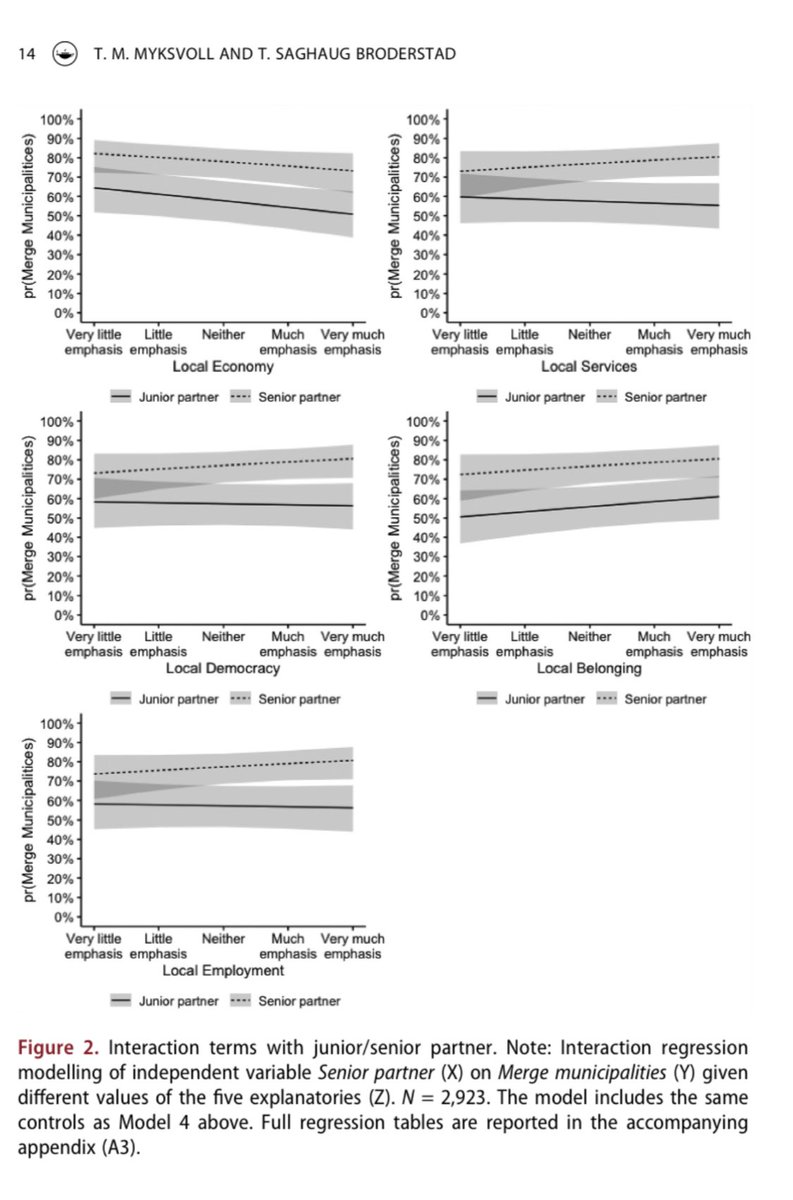
New article with Thomas Myksvoll @NORCEresearch in @LGStudies! We investigate politician’s perception of municipal amalgamation public discourse and how this correlates with merger preferences.
🧵1/3
Open access: https://t.co/rWaxP2duyK
@UiTNorgesarktis
3/3 However, some issues correlate with representative’s likelihood of supporting amalgamation, but this correlation is contingent on some attributes with the municipality.
New article with Thomas Myksvoll @NORCEresearch in @LGStudies! We investigate politician’s perception of municipal amalgamation public discourse and how this correlates with merger preferences.
🧵1/3
Open access: https://t.co/rWaxP2duyK
@UiTNorgesarktis
2/3 Using survey data collected from elected representatives in Norway, we find that not a single issue (local democracy, local belonging, local employment, municipal services and municipal finances) was perceived to have dominated more than others.