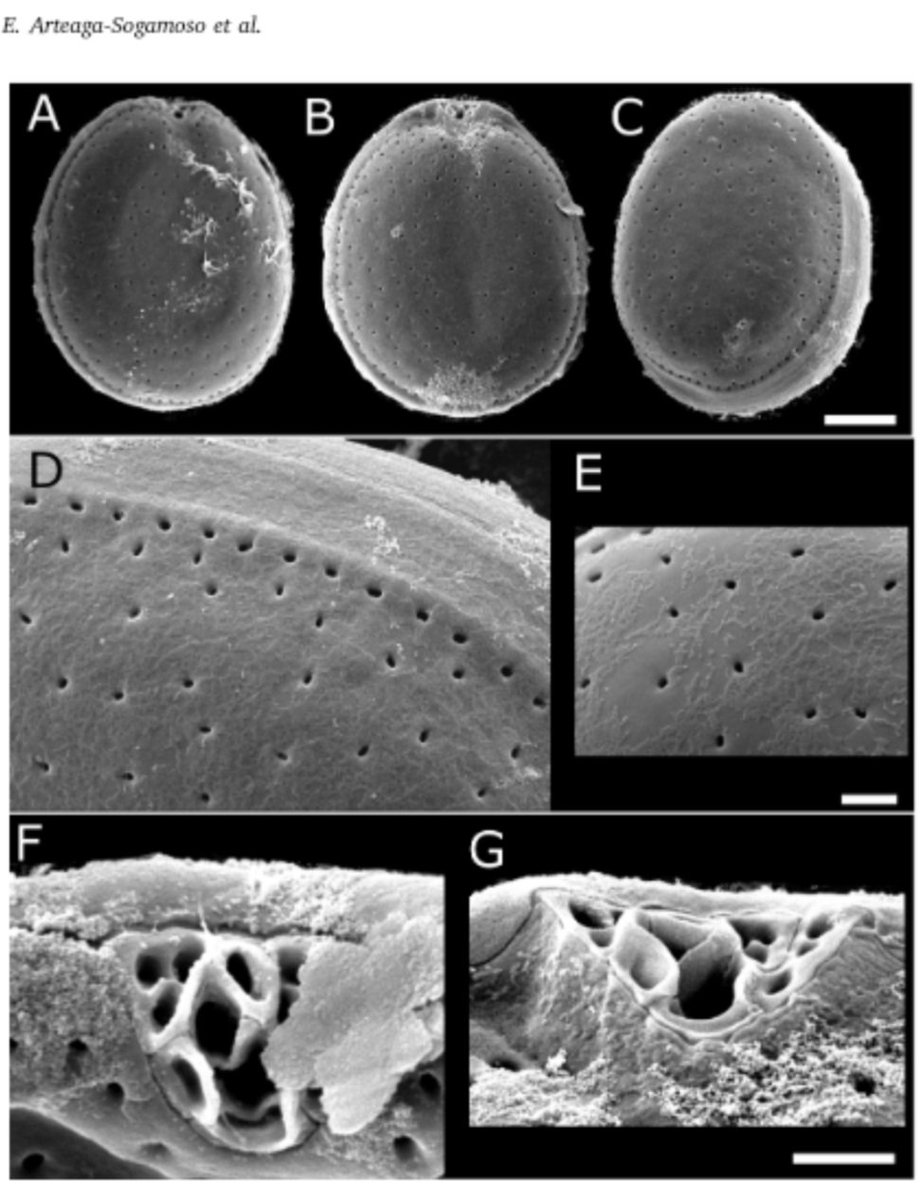
Very excited our paper is just out! The latest classification was applied in the phylogeny. "Update of the Planktonic Diatom Genus Pseudo-nitzschia in Aotearoa New Zealand Coastal Waters: Genetic Diversity and Toxin Production" https://t.co/wQdZhl72VM
@Toxins_MDPI @Cawthron_NZ
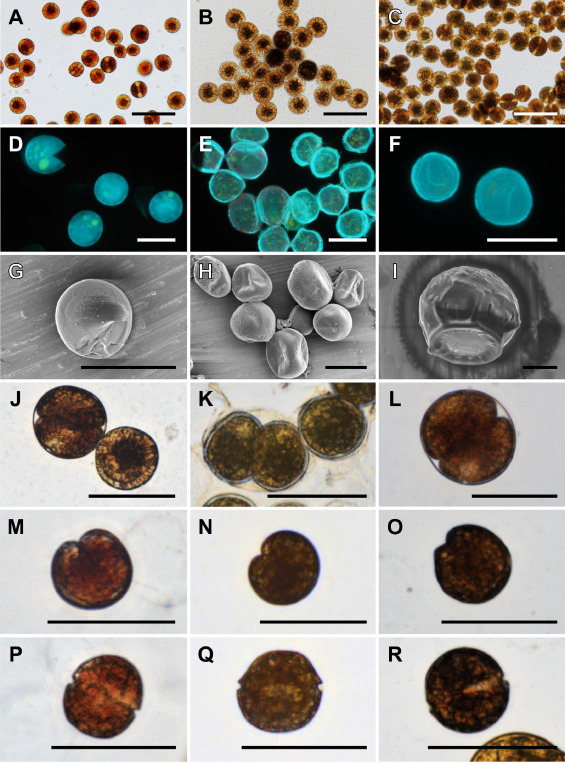
Our new publication about a new marine benthic #dinoflagellate species, #Prorocentrum porosum sp. nov., from Colombia/Brazil/Japan, just came out! It is from a great collaboration between researchers in six countries. https://t.co/Pp1g2Z2Atk
Thank you, @Cawthron_NZ, for featuring our Aotearoa New Zealand – Japan joint research project on the benthic harmful algal bloom #dinoflagellates x #climatechange on the web news!😊
This article from Dr. Nishimura et al. @Cawthron_NZ is one of the most viewed #mdpitoxins articles published in 2021! 😊
"Update of the Planktonic Diatom Genus #Pseudo-nitzschia in Aotearoa New Zealand Coastal Waters: Genetic Diversity and Toxin Production"
This review article from Dr. Anne Rolton et al. @Cawthron_NZ is now being featured on the journal homepage of #mdpitoxins.
📑Effects of Harmful Algal Blooms on Fish and Shellfish Species: A Case Study of New Zealand in a Changing Environment
Full text:
https://t.co/vhp3FgmmYt
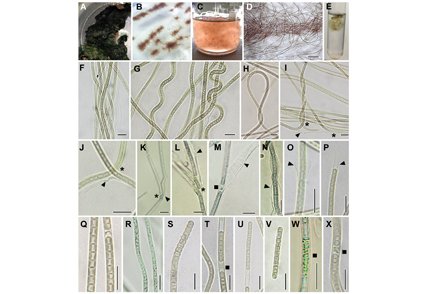
Siamcapillus rubidus gen. et sp. nov. (#Oculatellaceae), a novel filamentous cyanobacterium from #Thailand based on molecular and morphological analyses
#Taxonomy
https://t.co/mhKH139cXX
Very excited our paper is just out! The latest classification was applied in the phylogeny. "Update of the Planktonic Diatom Genus Pseudo-nitzschia in Aotearoa New Zealand Coastal Waters: Genetic Diversity and Toxin Production" https://t.co/wQdZhl72VM
@Toxins_MDPI @Cawthron_NZ
Exciting research now out. Great team effort. 'Using qPCR and high-resolution sensor data to model a multi-species Pseudo-nitzschia (Bacillariophyceae) bloom in southeastern Australia' https://t.co/VrM4VZLSvL @SeafoodSafe_UTS @Cawthron_NZ @nswdpi
qPCR and high resolution sensors working together to provide potential for early warning of harmful algal blooms in SE Australian estuaries - new publication out now! @foodagility @Cawthron_NZ @nswdpi
Thank you to Fisheries Research Devt Corportation for funding our new work examining rapid test kits and laboratory precision to detect diarrhetic shellfish toxins #frdc
First report of Alexandrium (Dinophyceae) associated with marine macroalgae off Japan: Diversity, distribution, and toxicity https://t.co/HBUfC9QQJz #protists#algae
Super exciting! Finally, our paper has been published!
This research took over four years, and many colleagues joined this project. I hope this paper will contribute to unveil the diversity of BHAB dinoflagellates! #BHAB#dinoflagellate#Prorocentrum
https://t.co/Mvci80EosI
The latest issue of @IocUNESCO Harmful Algae News is online. Edited by B. Reguera @IEOvigo and @BresnanEileen #MSS it contains latest HAB news from around the world.
Check it out 👀⬇️
@OCSAM_Scot@BillTurrell1 @ICES_ASC @b_berx
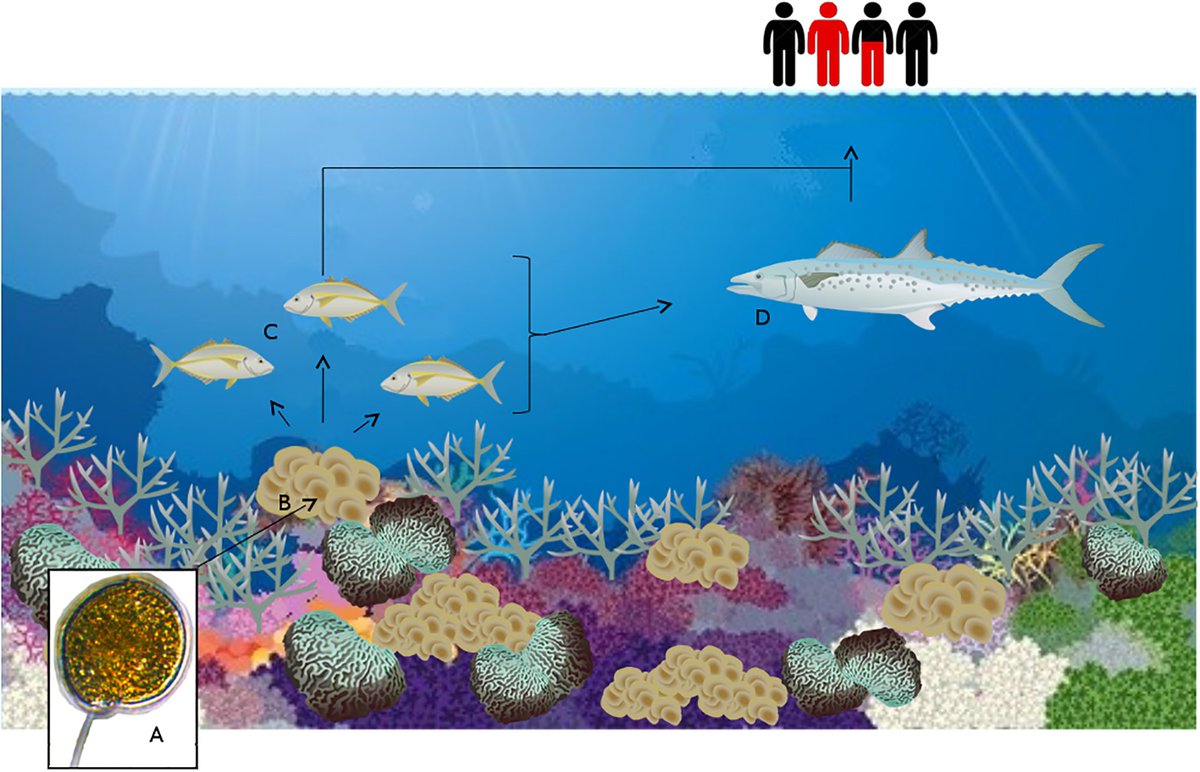
Monitoring potential #ciguatera risk in tropical regions just got easier thanks to development of new rapid test for #Gambierdiscus sp. Ciguatera Fish Poisoning is debilitating and long lasting. @uts_c3@UTSResearch@hydra_hamster @C3SeafoodSafety https://t.co/Yc22ENsIPE @PLOSONE