So proud of @LongPan61162464, PhD work now out in @NatureComms
Please read his thread below 👇
To me, this is the most comprehensive molecular classification of HCC available today.
Want to explore multiomics data of 529 HCCs? Try our interactive app:
🔗 https://t.co/nYRyBHzWD9
Delighted to share my PhD work is now published in Nat Commun! 💯
We established a large HCC dataset including 529 tumors from 461 patients treated in Western countries, integrating WGS/WES, RNA-seq, DNA methylation and proteomics data.
https://t.co/PikMHtqIQC
To facilitate data exploration, we developed an interactive web-based tool: https://t.co/suyOEQONyG (built in one month — probably much faster nowadays with AI 😀).
Delighted to share my PhD work is now published in Nat Commun! 💯
We established a large HCC dataset including 529 tumors from 461 patients treated in Western countries, integrating WGS/WES, RNA-seq, DNA methylation and proteomics data.
https://t.co/PikMHtqIQC
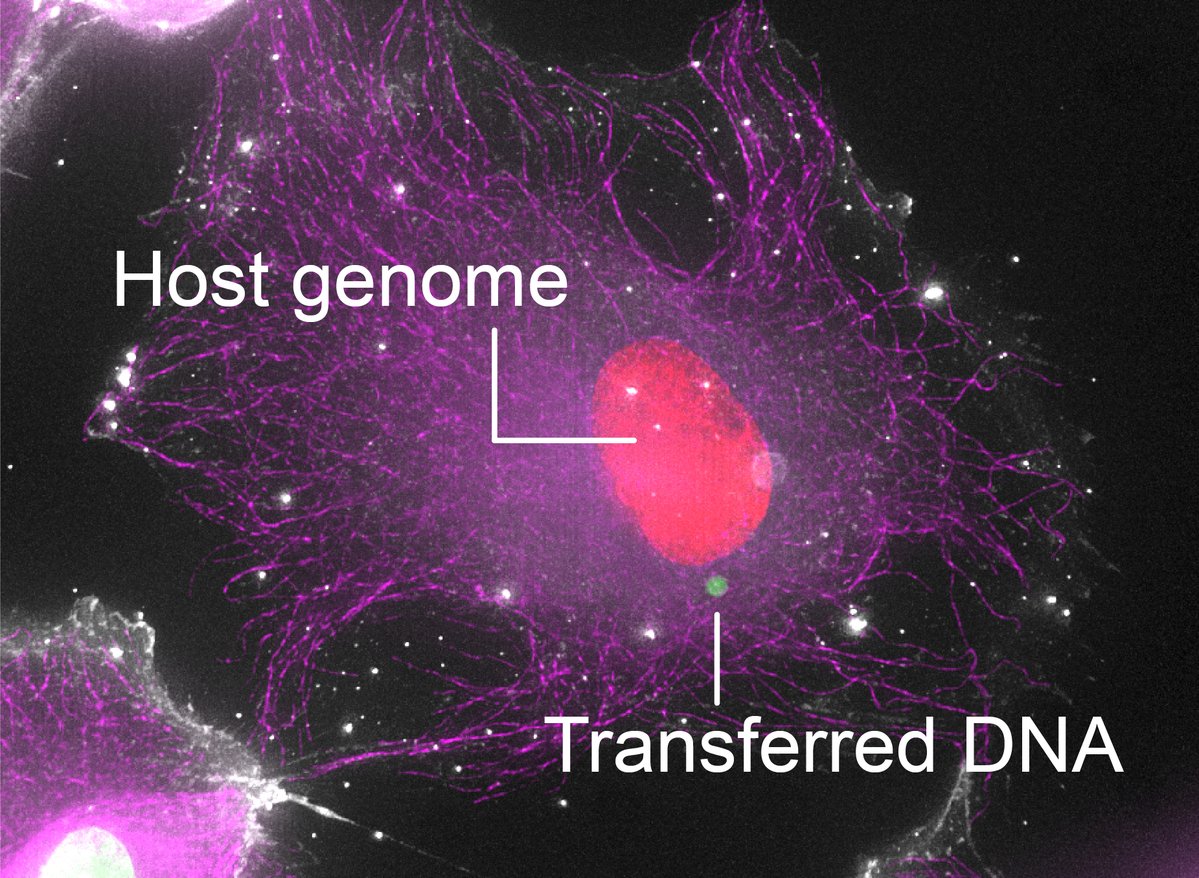
Excited to share our latest paper, out today @CellCellPress. We found that large pieces of the human genome can transfer between cells upon direct contact, endowing recipient cells with heritable phenotypic changes. (1/7)
https://t.co/SbshGhofN0
🧬 New paper out in @Nature! We used CRISPR to selectively kill cancer cells based on a single-letter mutation in their RNA. The story I want to highlight: KRAS — one of the most notorious drivers of human cancer. A short thread on what we found 🧵
Excited to announce our study (w/ @RukmanThota & @MaxKrummel) published today @Nature:
Macrophages “hold our living identities” by taking tiny bites from living cells and presenting this information to CD8 T cells.
https://t.co/9XENtFrB4h
#immunology#cellbiology@immunox@ucsf
Thrilled that our manuscript ‘Evolutionary characterization of Lung Cancer metastasis’ in #TRACERx & #PEACE was published in @Nature today. Here is a summary:
Saying it because @kenjmloi didn't:
This is really close to a RNA system that targets protein sequences because of wobble bases in codons.
Truly amazing discovery!
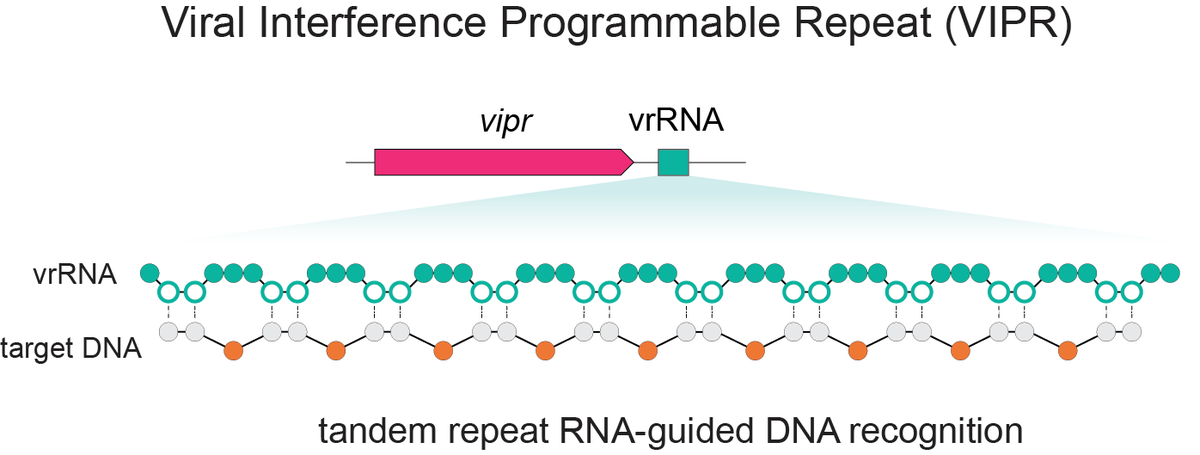
Excited to share our discovery of a new programmable RNA-guided DNA-targeting system hiding inside bacteriophages that predates CRISPR.
We call it VIPR (Viral Interference Programmable Repeat), and it uses an entirely new logic to find its targets.
Thread + link below.
Excited to share our latest work. Applying advanced single-molecule and single-cell DNA sequencing methods, we uncover an extraordinary landscape of somatic mutations in immune checkpoint genes in autoimmune lymphocytes. [1/n] https://t.co/8kQZ0NWl7X
Our global, multi-institutional re-analysis confirms the absence of the DNAJB1::PRKACA fusion in hepatoblastoma https://t.co/GaRbtH5lFx via @Cancers_MDPI
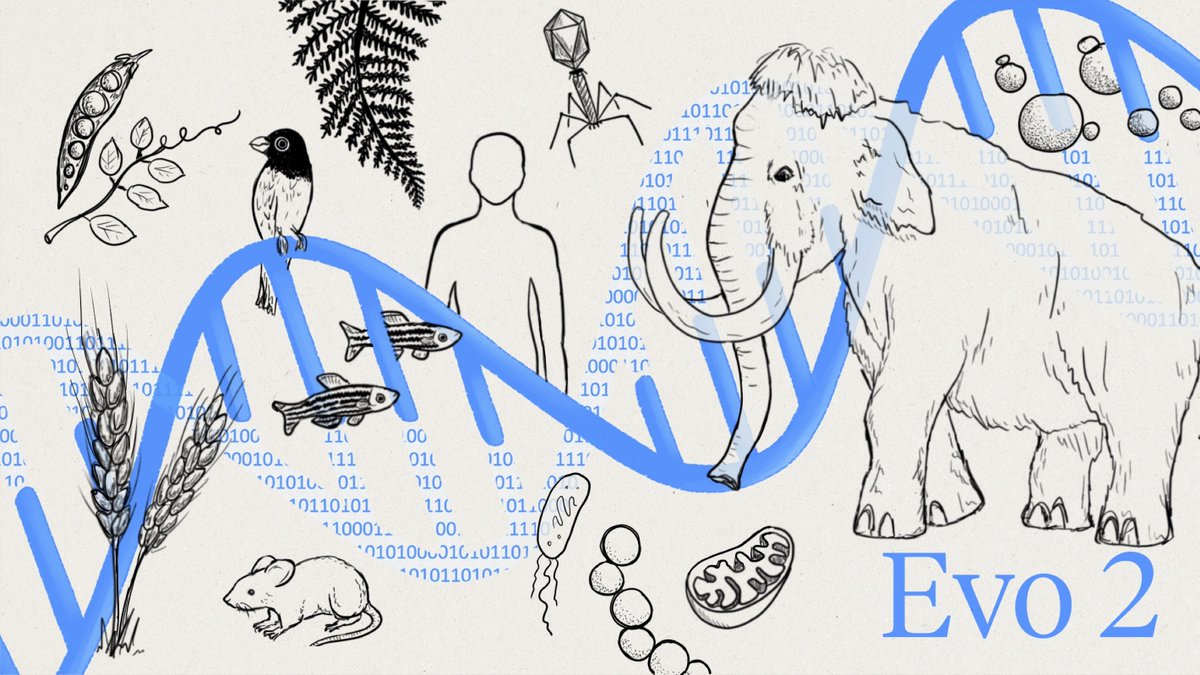
Evo 2 is out in Nature today, showing that genome language models can predict and design across the full complexity of life, from phages to eukaryotes.
A few surprises from the project, including how ignoring trillions of nucleotides was key to getting a good model. 🧵
INTERESTED IN SINGLE-CELL LINEAGE TRACING?
New review @NatureRevGenet from the @FraticelliLab. 🎉🎉
https://t.co/v3oa8gUUNj
With @VictoriaParreno we tried to update the modern manual for genetic tracing and clonal analysis. ENJOY!
Read link: https://t.co/amrOWuQvVs
In 1999, Tom Maniatis discovered something remarkable: neurons achieve self-avoidance via stochastic methylation of the protocadherin gene cluster.
We've just discovered this locus is an evolvable in-vivo barcode across the human tissues: https://t.co/DMyHA5TIS0 🧵
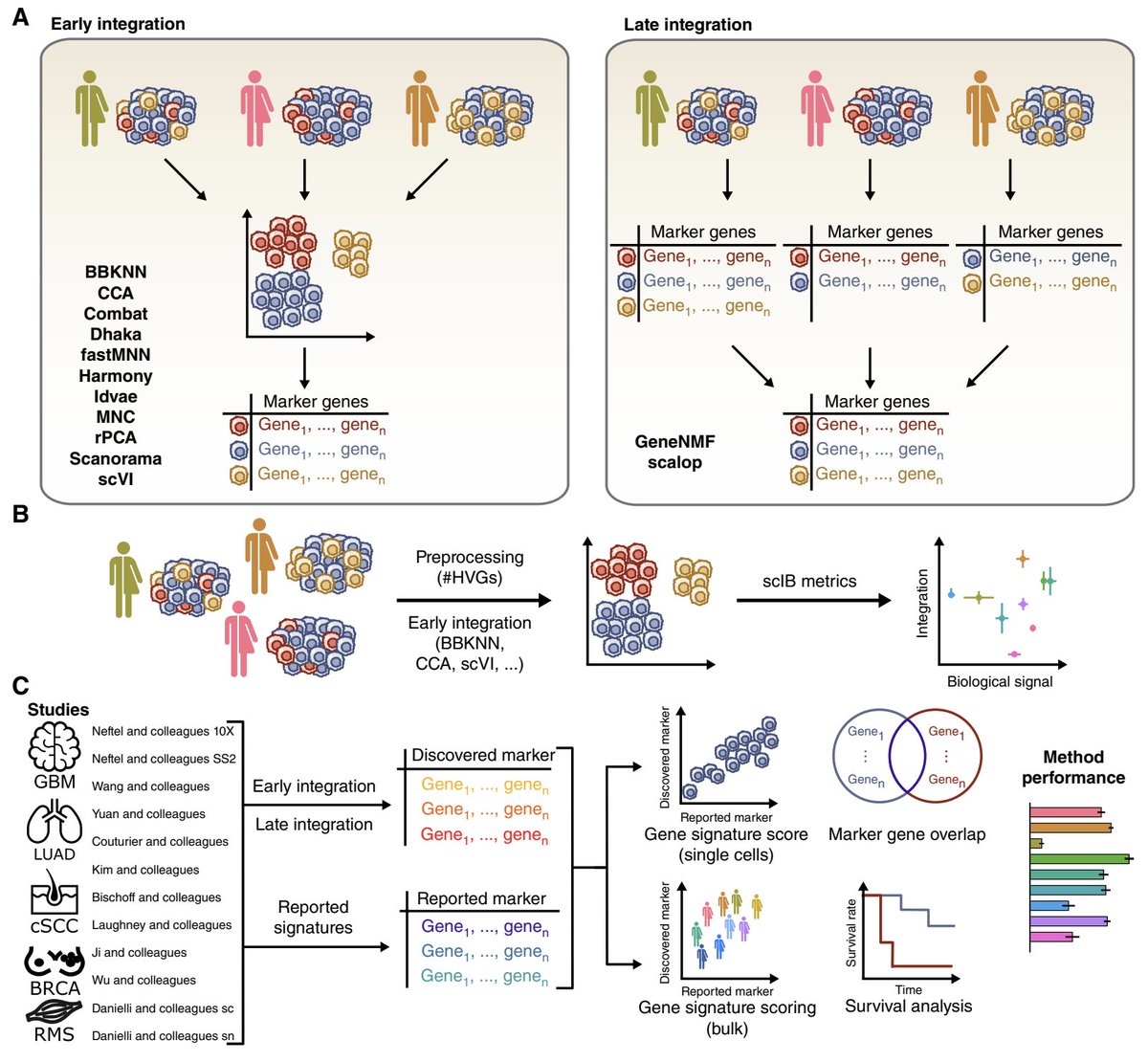
🧵 New paper from the Boeva @val_boeva lab!
How can we reliably identify cancer cell states from single-cell RNA-seq?🤔
Florian Barkmann and I, with our co-authors, tackle this in our new CanSig benchmark, published in Cancer Research
https://t.co/K3Db9EJdbn
Biopsies provide just a single snapshot of the underlying tissue. In our recent work published in @Nature, we made progress in estimating tissue-level dynamics from a biopsy using spatial proteomics.
https://t.co/fLQgUqvNNC