China makes nearly all the world's magnesium. Magrathea wants to change that - from seawater.
@magratheametals - Featured on YesPress
https://t.co/zxwof2T1E0
"[Magnesium], for instance, unlike aluminum, you can interrupt the smelting process. It doesn’t freeze into a crystalline state if the temperature deviates a few degrees.
So what these guys [at Magrathea] had figured out was that in a place like California, which now has a big surplus of electricity in the afternoon, and hence it’s very cheap, they could run their smelter during the afternoon, turn it off at night, come back the next day and run it again.
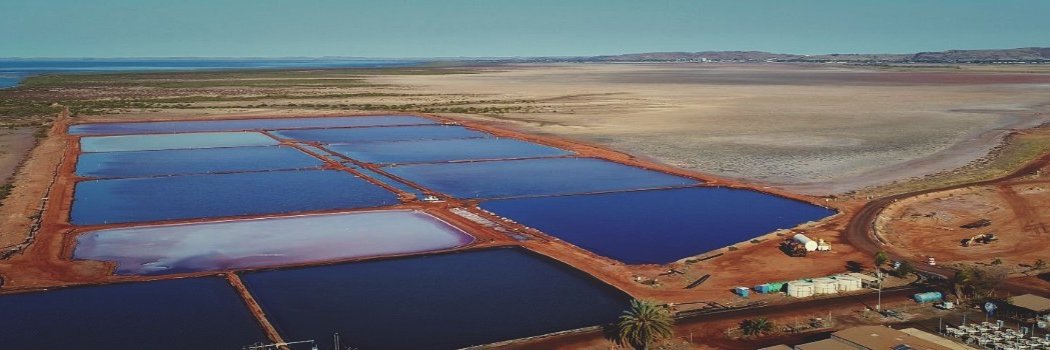
They were making metal out of sunlight and seawater."
- @billmckibben
https://t.co/XTyp7rr01P
The Magnesium Supply Problem
The United States has not maintained meaningful primary magnesium production capacity. The U.S. Geological Survey reports that the country’s only primary magnesium smelter in Utah stopped production in 2022. In the same 2026 summary, USGS estimated U.S. net import reliance for magnesium metal at nearly all of apparent consumption in 2025.
That matters because magnesium is not optional for the industries that use it.
It supports aluminum alloys, automotive castings, machinery components, steel desulfurization, aerospace materials, electronics, and defense-related systems. When production capacity disappears, the issue is not only price. It is resilience.
The global picture is just as concentrated.
USGS estimated world primary magnesium smelter production at 1.1 million tons in 2025. China accounted for an estimated 950,000 tons of that production.
This is the magnesium supply problem.
The material is widely used. The natural resources are widespread. But the technological ability to produce magnesium metal at scale is not distributed evenly.
For the United States, this creates a strategic gap.
Magrathea is working to close that gap by deploying an electrolytic process to produce magnesium metal from seawater and brines. In 2024, the Department of War awarded Magrathea $19.6 million through Title III of the Defense Production Act to rebuild America’s magnesium metal supply base. In 2025, Magrathea announced that metal produced from its pilot had met the Department’s purity target.
Magrathea’s work is not only about producing a metal.
It is about rebuilding the capacity to produce a material the industrial base depends on.
The supply problem is not that magnesium is rare in nature.
It is that dependable domestic production has been allowed to disappear.
Magrathea is building to make that supply American again.
Sources
U.S. Geological Survey, “Mineral Commodity Summaries 2026: Magnesium Metal.”
https://t.co/3LVxGRjdW5
Magrathea, “Magrathea meets purity targets for US Department of War.”
https://t.co/seoP1NhkxF
Magrathea, “Magrathea backed by $100M to rebuild American magnesium production.”
https://t.co/ARFSx1yAqH
U.S. Geological Survey, “Interior Department releases final 2025 List of Critical Minerals.”
https://t.co/W129bTr2ao
The State of Utah has successfully argued that US Magnesium is ‘unable or unwilling’ to protect the Great Salt Lake as judge appoints outsider to run the company.
https://t.co/fCxQfZrErO
How should emerging light metal smelters leverage intermittent operation to secure similarly favorable PPAs from abundant wind/solar generation? Asking for a friend 👀@magratheametals
China plans to tighten export controls on key "dual-use" technologies and items in two weeks, including raw materials and metals such as tungsten, graphite, magnesium and aluminum alloys used commonly in tech supply chains. https://t.co/L2LSG6ABLp
To those who suffer the crippling symptoms of SDS (Solyndra Derangement Syndrome) because of ONE failed DOE loan guarantee 10 years ago, I'd like to share that the Department of War (became the DOD) gave ONE company NINE BILLION 2024 dollars to make ONE metal during WWII.
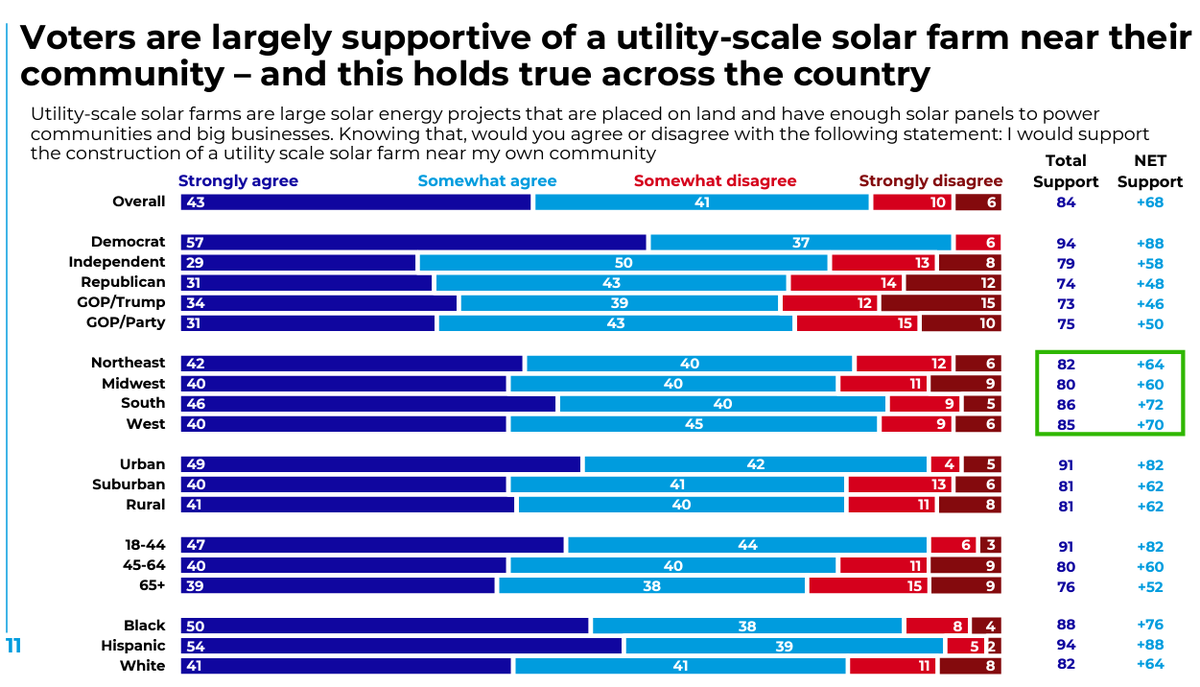
Strong majorities of American voters across political affiliation, geographic location, age, and race support the construction of utility-scale solar near their community. https://t.co/qZ1Tkgypeh
Aluminum is a key ingredient in clean energy tech. But the ubiquitous metal is very dirty to make. In my two-part @CanaryMediaInc project, I look at the high-stakes quest to decarbonize this essential material. Today’s piece takes us to eastern Kentucky 1/
https://t.co/CliL8z8gMD
Fascinating data analysis from the Economist looking at 7.5m US car crashes
The chart below shows likelihood of you dying in a car crash by weight of your car (grey line) and weight of other car (red line)
So it’s in our own self interest to get a heavier car (slight reduction in chance of our own death) but definitely not in society’s (big increase in chance other driver dies if our car gets heavier)
Potential case for additional tax for cars over 4000lbs (from that point on there’s little extra safety for the driver but a lot of risk for others)
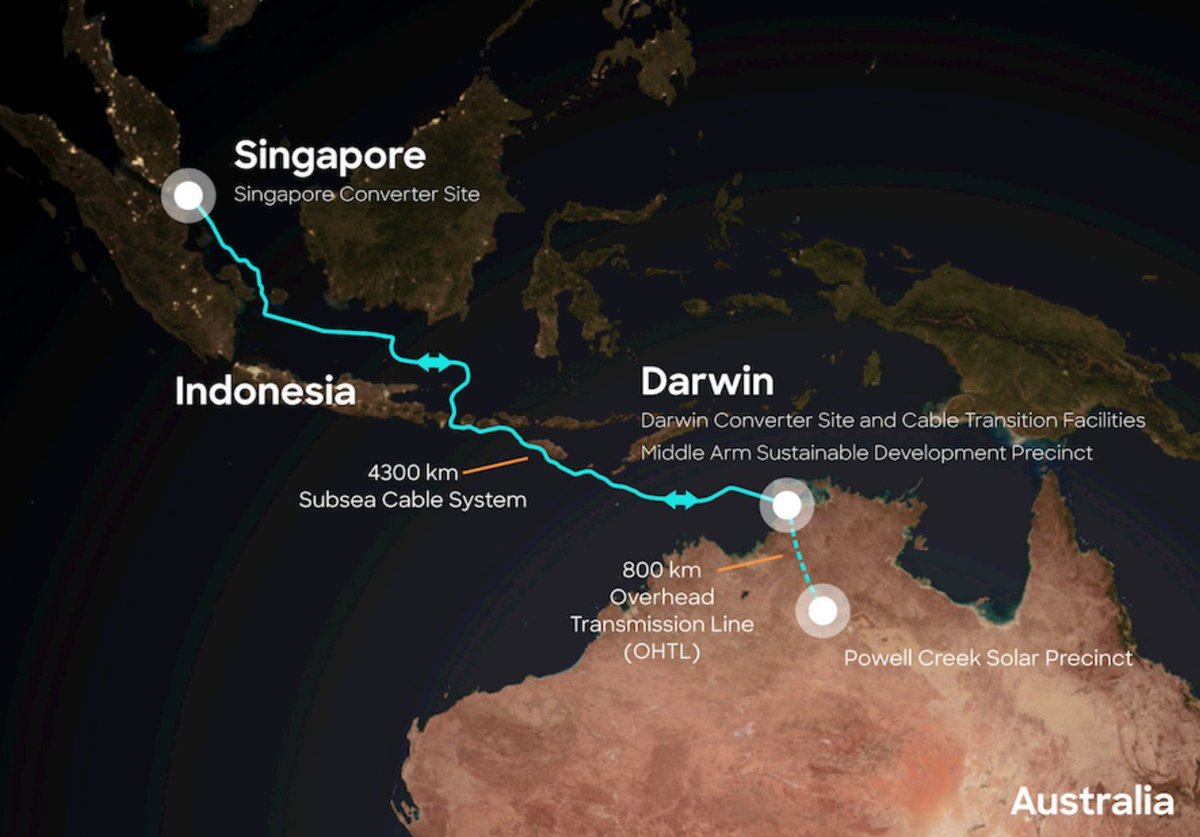
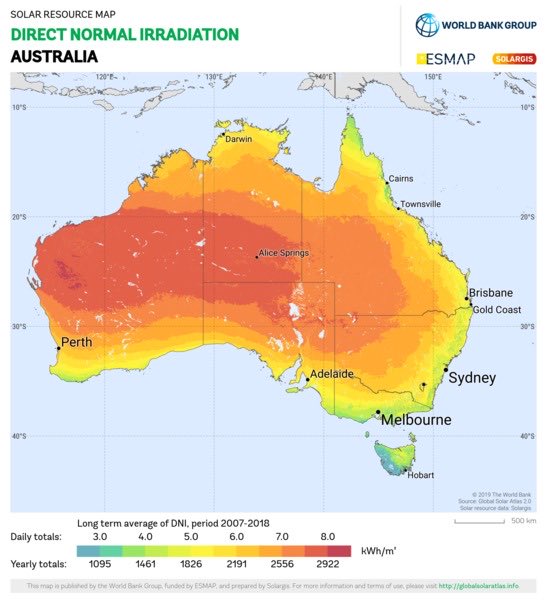
Congratulations to @mcannonbrookes, who just received government approval to build the world's largest renewable and storage project. Sun Cable is a preposterously large (24GW+) solar and wind farm plus an improbably long electricity cord.
https://t.co/gveXctXh6V
A 10-year-old magnesium supply contract between a Chinese producer and Western foundry operator was terminated overnight by the Chinese partner.
https://t.co/aPqodnJFHQ
Jost Gaertner from Alumag Automotive, sees a path for Magnesium alloys to cost below 1$/kg through sea water extraction
Today
Aluminum price ~ $2.30/kg
Magnesium price ~ $3.40/kg
@biglithium@magratheametals
Outcomes of electrification are non-obvious
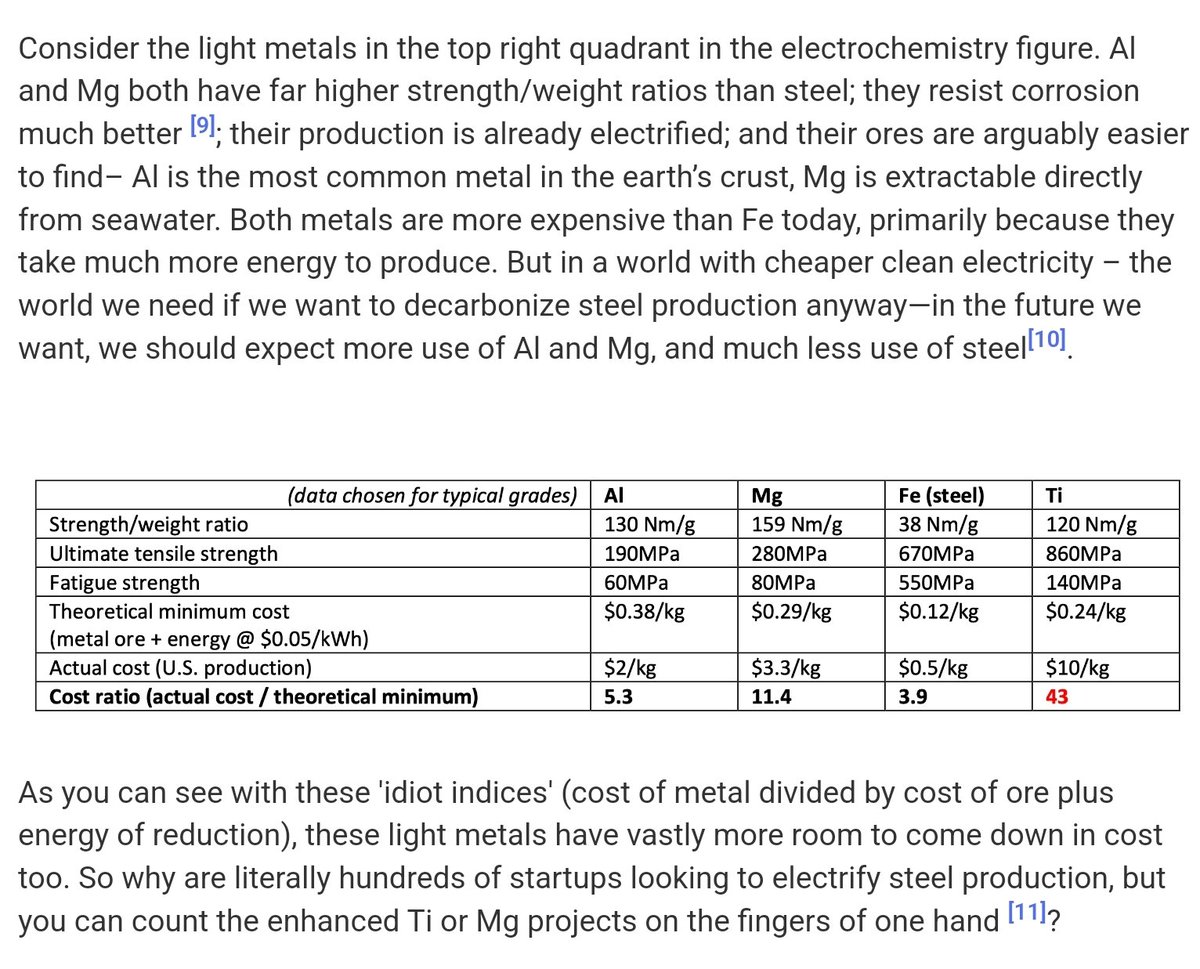
"in a world with cheaper clean electricity – the world we need if we want to decarbonize steel production anyway—in the future we want, we should expect more use of Al and Mg, and much less use of steel[10]. "
https://t.co/4bjYDLziER
@CJHandmer Unfortunately it's not a heat issue, it's a thermal gradient issue. Alumina/cryolite melt is too corrosive to be contained in anything but frozen cryolite so you need a strong thermal gradient across the wall at all times to keep your cell from dumping molten material everywhere.