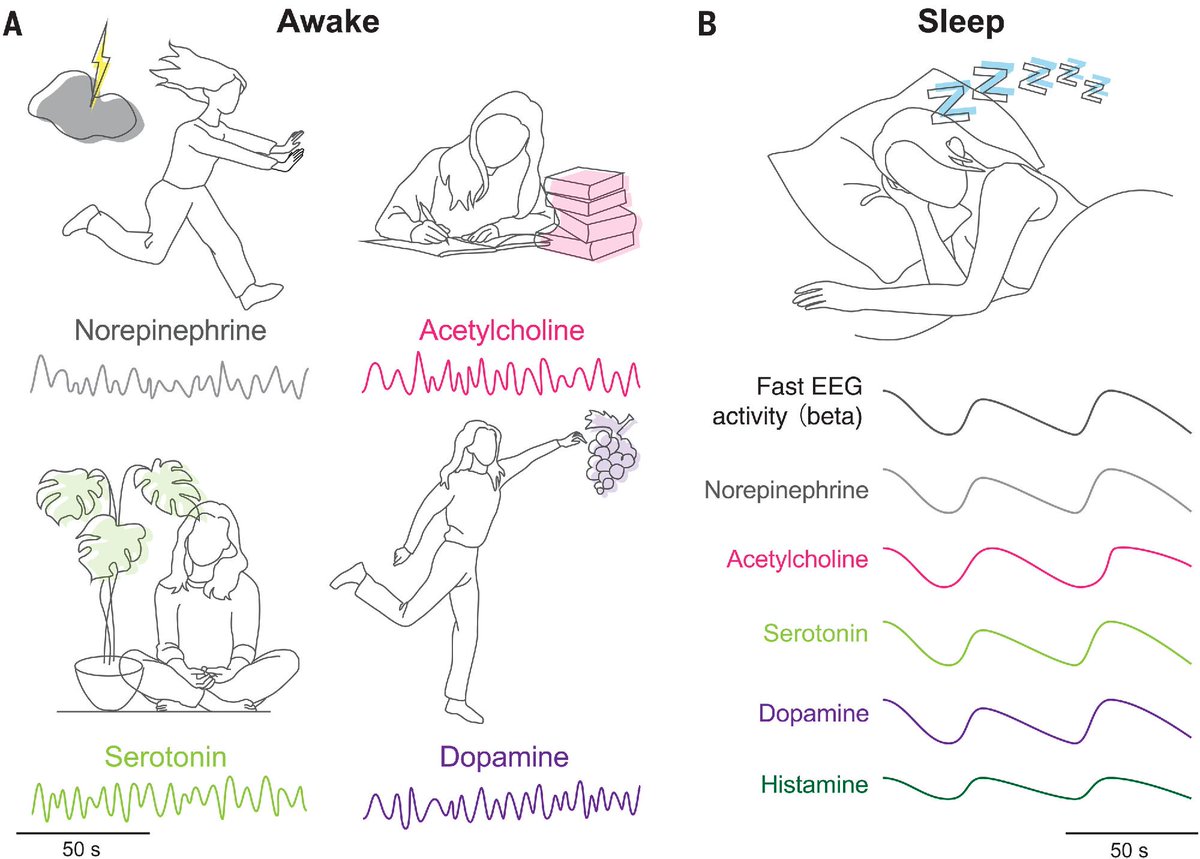
Recent studies have revealed the synchronization of neuromodulators including norepinephrine, serotonin, acetylcholine, dopamine, and histamine during sleep.
A new #ScienceReview explores what potential role the synchronization of these oscillations may play in health. https://t.co/fcDdHm1SDP
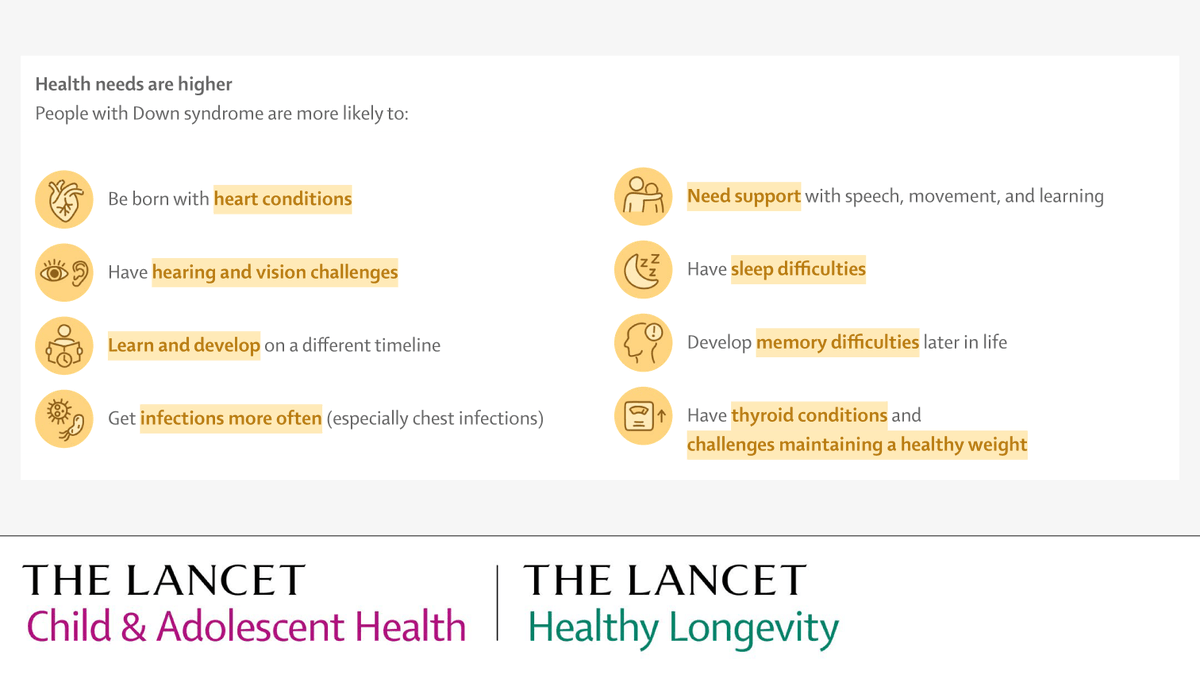
People with Down syndrome can live long, healthy, and meaningful lives. But this only happens when health care works well at every stage of life.
A pair of Review papers from @LancetChildAdol & @LancetLongevity explore how we can strengthen health-care pathways for people with Down syndrome.
▶️ https://t.co/LNZMwaYkKc
▶️ https://t.co/GB8RDtLooR
Tight junction protein ZO-1 is our #CellLineOfTheWeek!
Our human iPS cell lines & plasmids – fluorescently-tagged to illuminate structures – are openly available to accelerate discovery: https://t.co/E2LFqh0yKq
📦 Distributed by @Coriell_Science & @Addgene#OpenScience
Ever wondered what cells and DNA really look like up close?
With our 3D animated textbooks, you’ll explore biology at true scale—making complex science easy to see and understand.
Dive in and experience learning like never before! Learn more at https://t.co/hjcPcmOkYb
#biology #3D #science #EdTech #STEM
If you were a Minister of Education for a day, what would you change first?
On #EducationDay, youth are recognised as co-creators of education.
➡️ Stay tuned for #GEMReport 2026 Youth Report, Lead with youth, coming out on Jan 23:
https://t.co/V8IjKoRH6f
@UNESCO@UNYouthAffairs
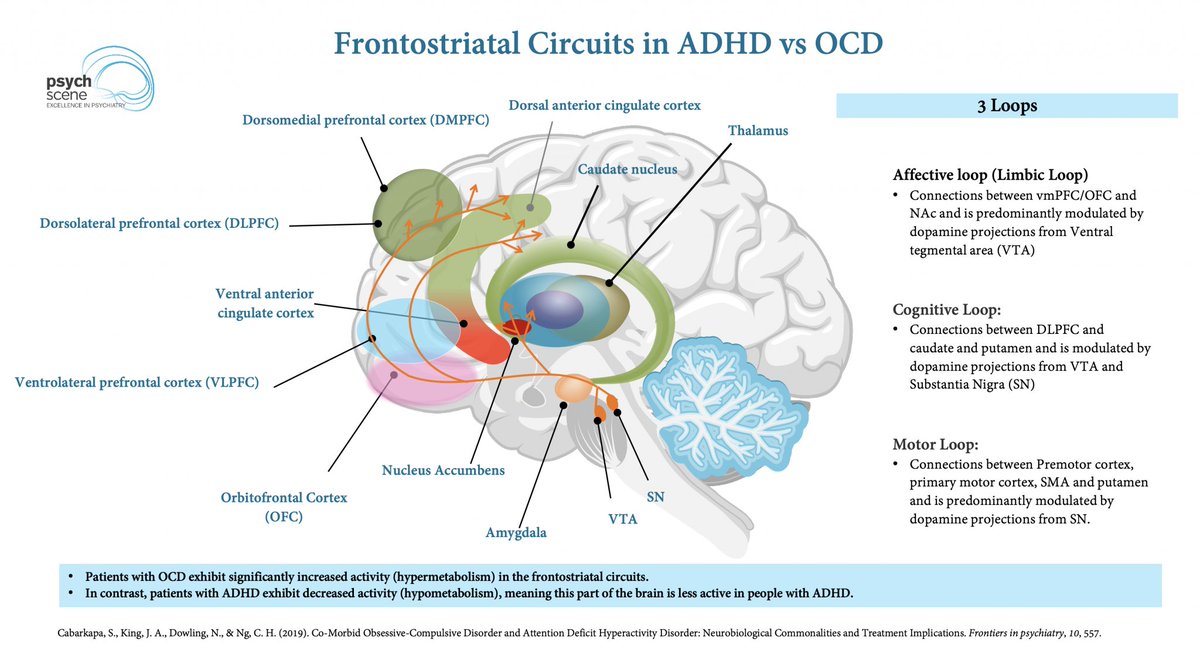
Does ADHD and OCD stem from the same neural circuitry?
Despite their opposing clinical features, ADHD and OCD share frontostriatal circuit dysfunction, suggesting a neurobiological overlap rather than entirely distinct conditions. (Cabarkapa et al., 2019)
Let’s dive in. 🧵⬇️
A recent study explored the use of hologram-based educational tools to engage young learners with neuroanatomy education. The results were impressive! The application boosted knowledge by a remarkable 30%, while also scoring high on usability, motivation, and low cognitive load.
Ankle-Brachial Index (ABI): A Quick Test for PAD!
The ABI is the ratio of ankle systolic BP to brachial systolic BP. It's a fast, easy, and inexpensive way to screen for peripheral arterial disease (PAD).
✅ Normal ABI: 0.9–1.3
⚠️ PAD Indicator: ABI < 0.9
⚠️ Noncompressible Vessels: ABI > 1.4
Indications:
🔹 Leg pain, cramping, or non-healing ulcers
🔹 Suspected PAD in diabetics & smokers
🔹 Pre-surgical vascular assessment
Procedure:
1️⃣ Measure brachial systolic BP in both arms, use the higher value.
2️⃣ Measure ankle systolic BP (dorsalis pedis & posterior tibial arteries).
3️⃣ Calculate ABI = Ankle BP / Brachial BP.
#CardiovascularHealth #PAD #VascularCare #ABI
Generalised Anxiety Disorder (GAD) is, on average, only diagnosed 10 years after onset.
It affects 6% of people in their lifetime, with a functional impairment comparable to Major Depressive Disorder (Andrews et al., 2018).
Let’s look at how to identify GAD, avoid missed diagnoses, and implement evidence-based treatments for better patient outcomes. 👇🧵
Poor sleep may double the risk of depression, impair toxin clearance from the brain by up to 60%, and fuel insomnia, which affects 10% of adults.
Sleep isn’t just rest—it’s a cornerstone of mental health and neuroprotection.
Here’s what clinicians need to know about sleep stages, insomnia, and evidence-based interventions for improving patient outcomes 🧵👇
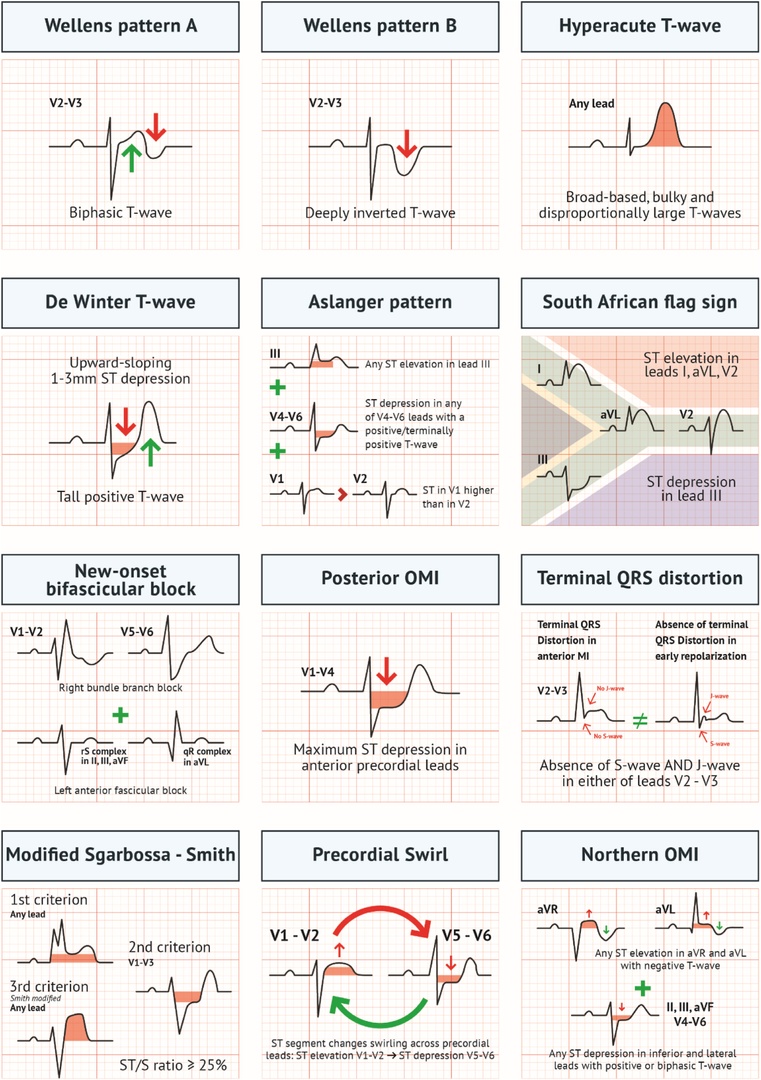
ECG Patterns of Occlusion Myocardial Infarction: A Narrative Review
CCR Journal Watch
https://t.co/Sp06oA6IDG
Get the latest critical care literature every weekend via the CCR Newsletter - subscribe at https://t.co/nitMzacLrj
Get to the root of lower teeth health with #SciePro's insights into the inferior alveolar nerve, vein, and artery. Perfect for #Dentistry enthusiasts and professionals! Explore the anatomy that sustains your smile.
#DentalAnatomy#OralHealth#3dmodel#meded