We provisioned 41 agent workspaces for enterprise teams since January. 23 still have weekly active humans. The other 18 keep paying for agents nobody watches. https://t.co/2yMinIQVAJ
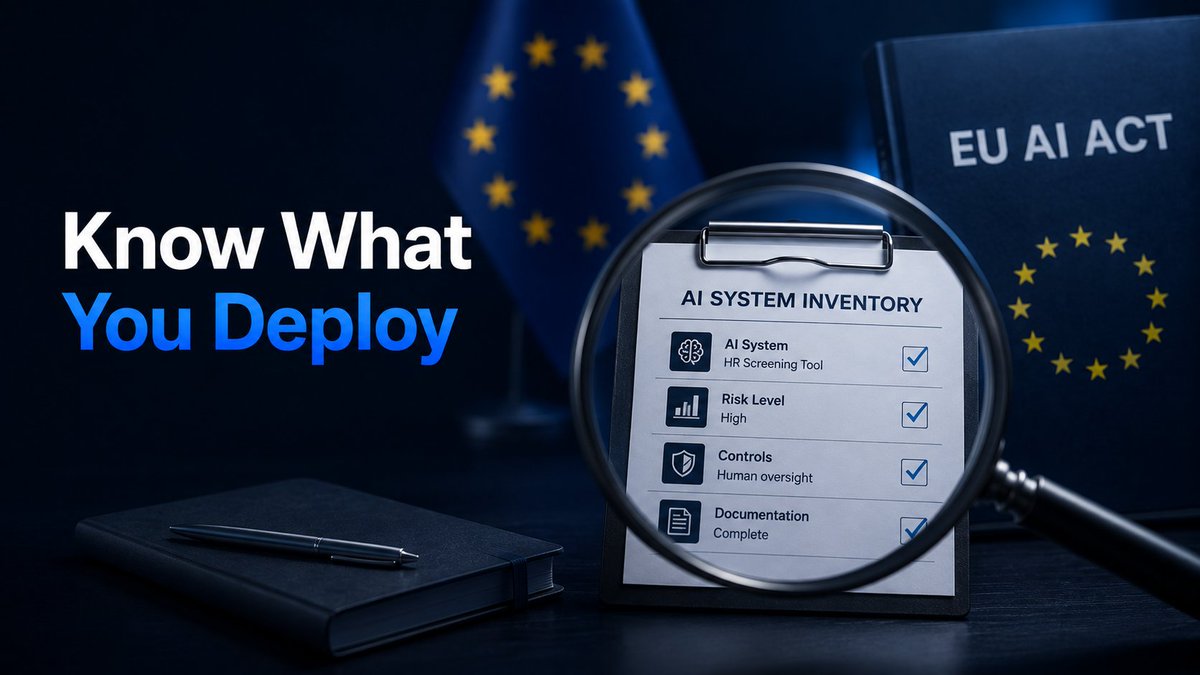
High-risk AI obligations under the EU AI Act are live with an August 2, 2026 deadline. Most enterprises running AI workspaces still have not classified what they deployed.
The Act does not ban AI at work. It demands you know what you run, classify the risk, and document the controls.
New checklist + documentation template: https://t.co/8NnXzXaM35
Has your team completed an AI system inventory? What did you find?
#EUAiAct #AICompliance
"Local stories shape our communities! From small-town events to big regional changes, regional news keeps us connected. What story from your area should go viral? 🚨 #LocalNews#Community"
I think many small businesses approach AI from the wrong direction.
The first question shouldn’t be, “Which AI tool should we use?” It should be, “Where are we losing time every day?”
In most small businesses, the biggest inefficiencies aren’t obvious. They’re hidden in small, repetitive tasks—searching for documents, answering the same questions, rewriting similar emails, or relying on one person who “just knows how things work.”
AI can help with all of that, but only if there’s a system behind it.
If your knowledge is scattered, AI will surface scattered knowledge. If your processes are inconsistent, AI will simply make those inconsistencies happen faster.
For me, the best use of AI isn’t replacing people. It’s removing friction so people can spend less time searching for information and more time solving real problems.
Small businesses actually have an advantage here. They’re still flexible enough to build good habits before complexity sets in.
Don’t start with AI.
Start with better processes, better documentation, and better knowledge sharing.
That’s what makes AI valuable in the first place.
How is your business using AI today, creating real value or just saving a few clicks?