చి.. వైఎస్సార్ సీపీ ఫ్యామిలీ మొత్తం దొంగలే
అసలు వీళ్లకు ఏం వస్తుంది హిందువులను క్రైస్తవులుగా మారిస్తే 😭🙏
వీళ్ళని ఎప్పుడైనా ఒక్కసారి గెల్పించినందుకు తిరుమల కొండల మీద... చర్చిలు కడతాం అంటారు,
ఆంధ్రప్రదేశ్ దేవాలయంలో విగ్రహాలు ధ్వంసం చేస్తారు,
పేద ప్రజలను, పల్లెటూరులోని ప్రజలని మాయ చేసి మత మార్పిడులు చేస్తారు, పవిత్రమైన తిరుమల ప్రసాదాలను అపవిత్రం చేస్తారు 😓
ఇంకా తిరుమల మీద ఎపుడు లేని విధంగా మద్యం బాటిల్స్, డ్రగ్స్ కనపడేలా చేశారు ఇంకొక్కసారి పొరపాటున వీళ్లకి ప్రజలు ఓటు వేసి గెలిపిస్తే అంధ్ర ప్రదేశ్ ను సర్వం నాశనం చేస్తారు 😓🙏
#StopReligiousConversions
#SaveApfromYSRCP
We ASKED ONE QUESTION to YSRSP ON REPUBLIC TV.
THEY COULDN’T ANSWER.
Simple YES or NO—
WAS ADULTERATED GHEE USED IN SRIVARI LADDU PRASADAM?
Every Hindu must know. Every devotee must decide
ప్రసాదం కల్తీ అయ్యిందా?
అవునా కాదా చెప్పండి!
“क्या प्रसाद में मिलावट हुई थी?
हाँ या नहीं—सीधा जवाब दीजिए!”
#TirupatiLadduTruth
#PrasadamAdulteration
#ProtectSanatanaDharma
#FaithBeforePolitics
#JusticeForTirumala
#ExposeYSRCP
#StopSacrilege
#HinduSentiments
#RepublicTVDebate
#ArnabGoswami
A voice raised in hope.
A government that listened.
A journey of faith made possible.
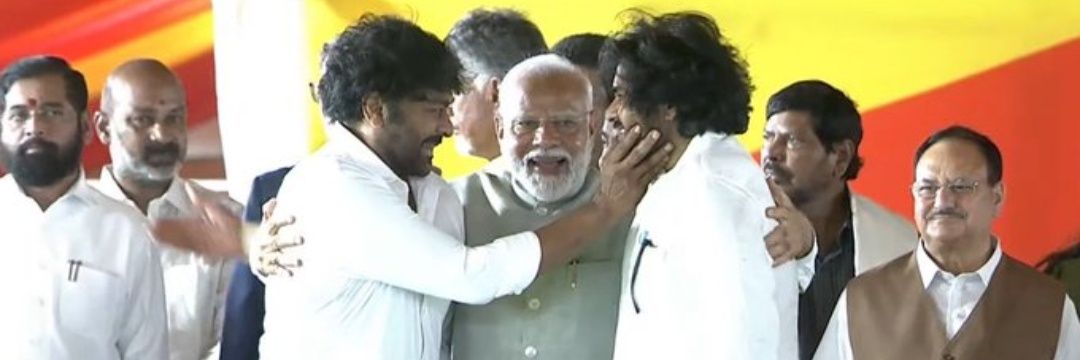
With the personal intervention of Hon’ble Deputy CM @PawanKalyan garu, young travel creator #SwatiRojha completed darshan at Srisailam | Tirumala | Srikalahasti | Vijayawada.
No recommendations. No red tape.
Just instant, humane, responsive governance.
This is leadership that answers. !!
Yesterday, I watched Family Man Season 3.
Two scenes caught my attention, and I wanted to share them with you because they help increase your knowledge for our exam.
Scene One
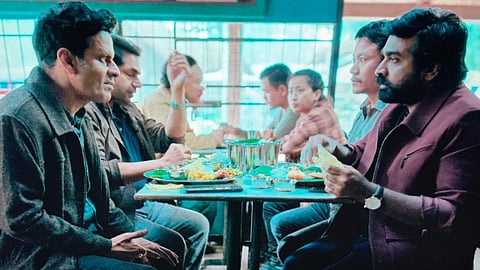
When Srikant Tiwari (Manoj Bajpayee) was about to enter Myanmar from Manipur at Moreh, he ate at a Tamil restaurant. He was surprised to see a Tamil restaurant in the Northeast and that people were speaking Tamil.
This may surprise you too, guys. Now let me explain in detail below.
Moreh, Manipur — India’s gateway to Southeast Asian nations via Myanmar — has a population of approximately 25,000. Among them, Tamils comprise around 3,500 individuals.
So it all started when the British took Tamils to Burma (now known as Myanmar) as labourers for agricultural activities.
Later, the British withdrew, but the Indians remained. They set up businesses, became drivers of the Burmese economy, and became one of the strongest and influential communities in the region. But it didn’t remain for long.
Myanmar has been ruled by a military junta for many of the years since it gained independence from British colonial rule in 1948. The Union of Burma began as a parliamentary democracy, like most newly independent nations in the subcontinent. But representative democracy lasted only until 1962.
On 2 March 1962, General Ne Win and a group of military officers staged a coup d’état, overthrowing the democratically elected government of U Nu and establishing a military junta.
The Enterprise Nationalization Law, passed by the Revolutionary Council in 1963, nationalized all major industries — including import-export trade, rice, banking, mining, teak and rubber — and the Indian government was asked to withdraw its diaspora from Myanmar.
Even local Burmese were not liking this fact that Indians have grown influence in Myanmar
Local intolerance, the coup, and the Enterprise Law forced Indians to leave the country.
Between 1966 and the 1980s, about 250,000 Indians in Myanmar 90% of them Tamils.
Return can be categorised into three groups
One who came back from the ship send by the government of India
Than, PM Lal Bahadur Shastri sent ships to Rangoon — from Kolkata, Chennai, Visakhapatnam and Kochi — to bring back Indians from Myanmar.
Second group of refugees returned and settled in West Bengal, Punjab and Bihar.
Third group came back through the land route, by crossing the land border from Manipur, which led them to settle in Manipur, Moreh.
But they left behind their businesses, wealth and the hard work of so many years in Myanmar.
Some even tried to go back again to reclaim what they had left behind, but this time they were not welcomed and were forced back to Manipur.
This contributed to the growth of Tamil settlements in Moreh, Manipur( Refugees came back from land + Refugees not allowed to enter Myanmar again)
Data also suggests that the Tamil population reached around 20,000 in the mid-60s, outnumbering other communities in the region.
By the 1990s, the number of Burmese Tamils in Moreh had increased to almost half the town’s population. They had set up their own schools, temples, churches and mosques — and celebrated their cultural festivals with great fervour.
Then these Tamilians had to move out again — this time due to resistance from local ethnic groups, which led to a decrease in the Tamil population in the region.But unlike earlier this time migration was not that forceful and many continued to remain to their houses and land in Manipur, but this indeed decreased population of Tamilians in the region.
Today, Moreh’s Tamil population is just 3,500. The community is represented by a body called the Tamil Sangam, and it dominates a grid of lanes with timber and cement houses in the heart of Moreh. Little eateries serving hot dosas, sambar vada and idli line these lanes.
I hope you enjoyed this read. This is the first scene
Remember I told you I’ll discuss two scenes?
Wait for my next tweet for the second scene 😊😃
#FamilyManSeason3