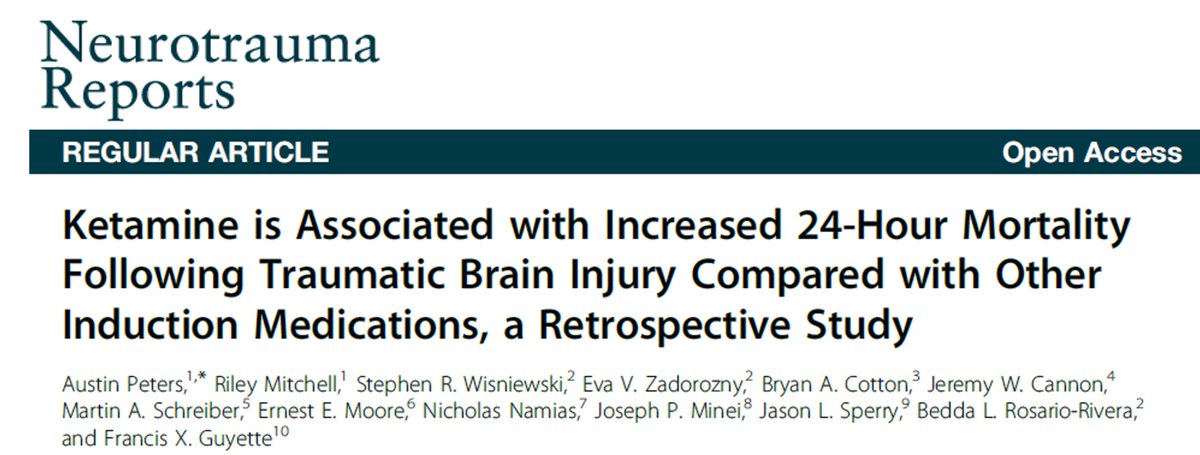
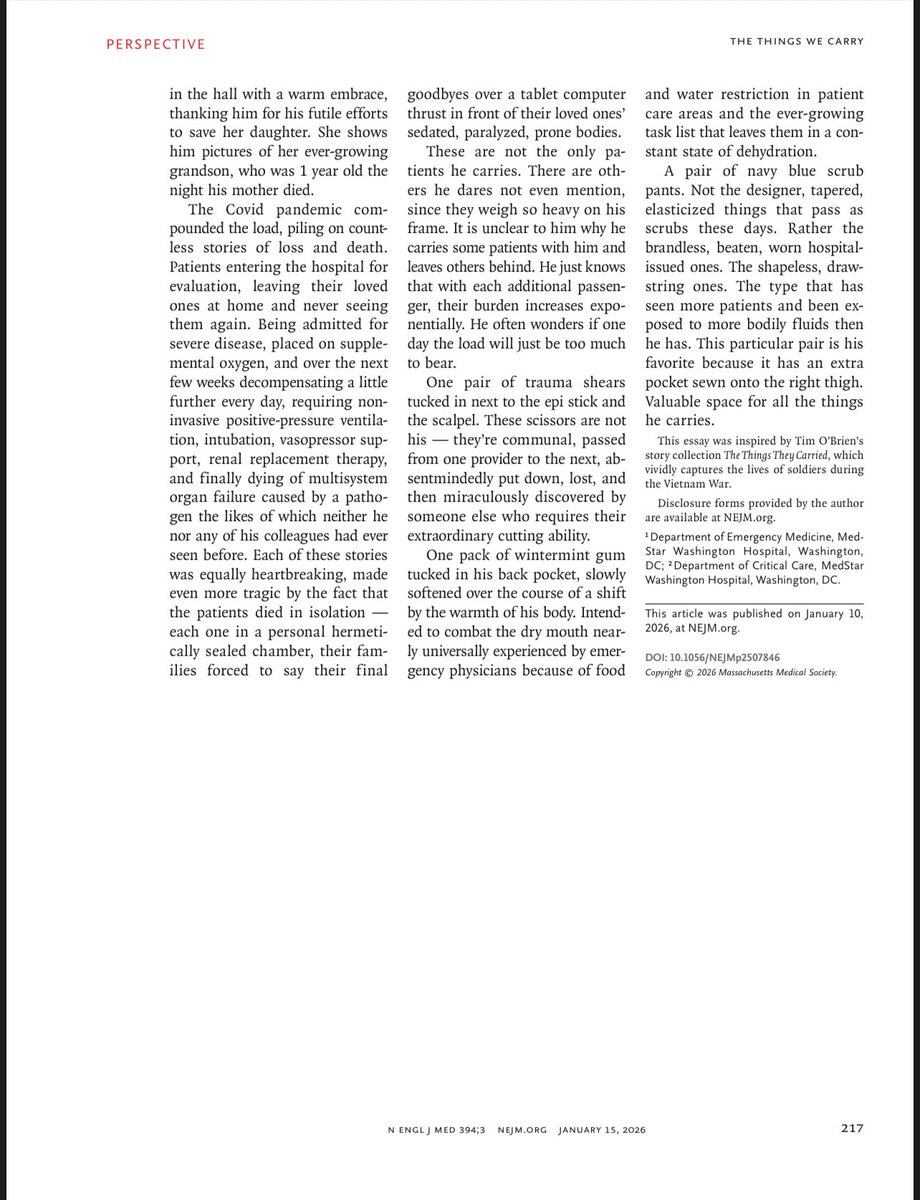
Post-ROSC #epinephrine was not assoc. with ⬆️ odds of prehospital #rearrest compared to #norepinephrine in a 'target trial emulation' study (n=1,893; aOR: 0.93 [0.72, 1.21]). We addressed limitations of prior studies, including drug/rearrest temporality.
https://t.co/mmepropvjV
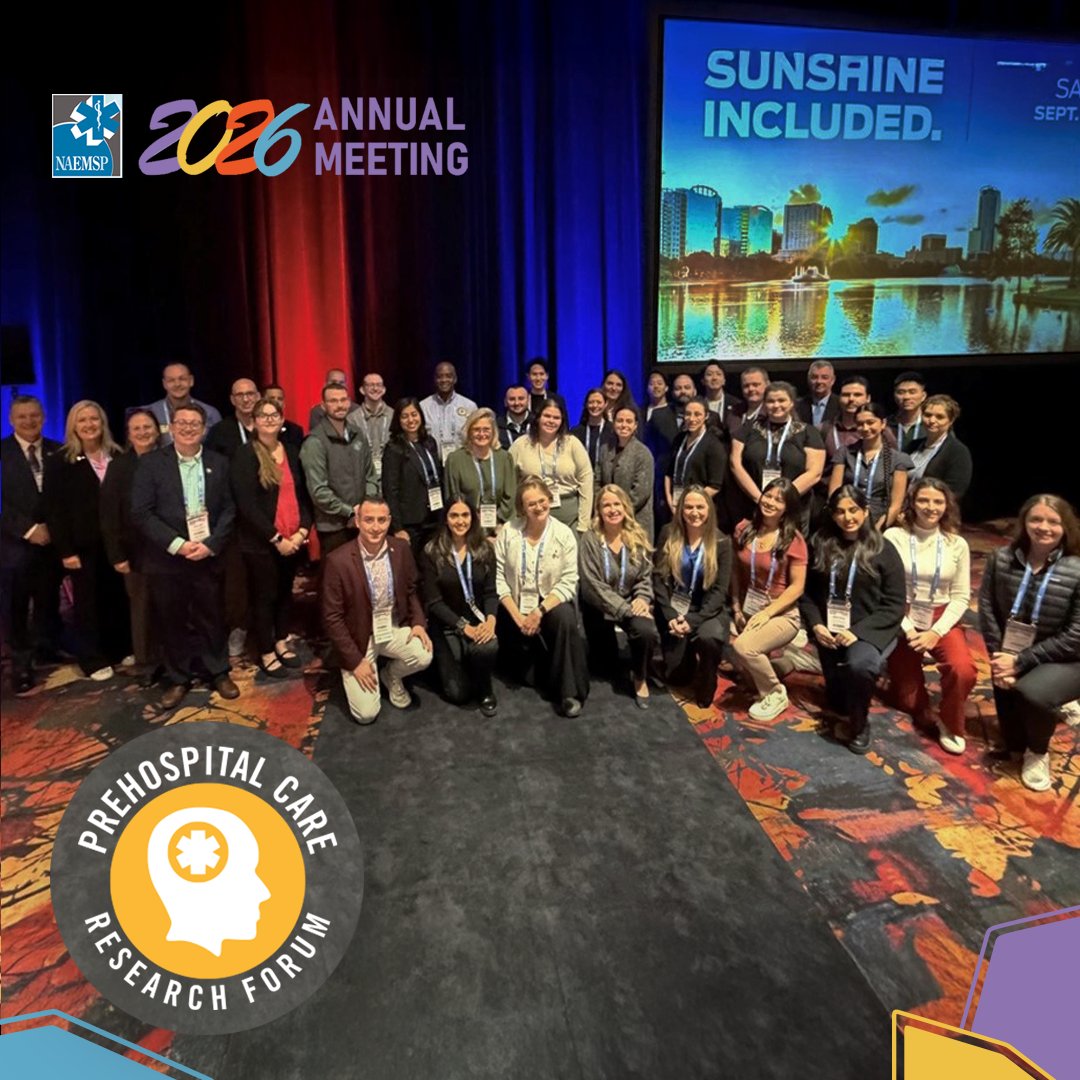
PCRF is grateful to NAEMSP for recognizing us with their Friends of EMS Award. We congratulate all the researchers and partners who make this work possible! #NAEMSP2026#PCRF#EMSResearch
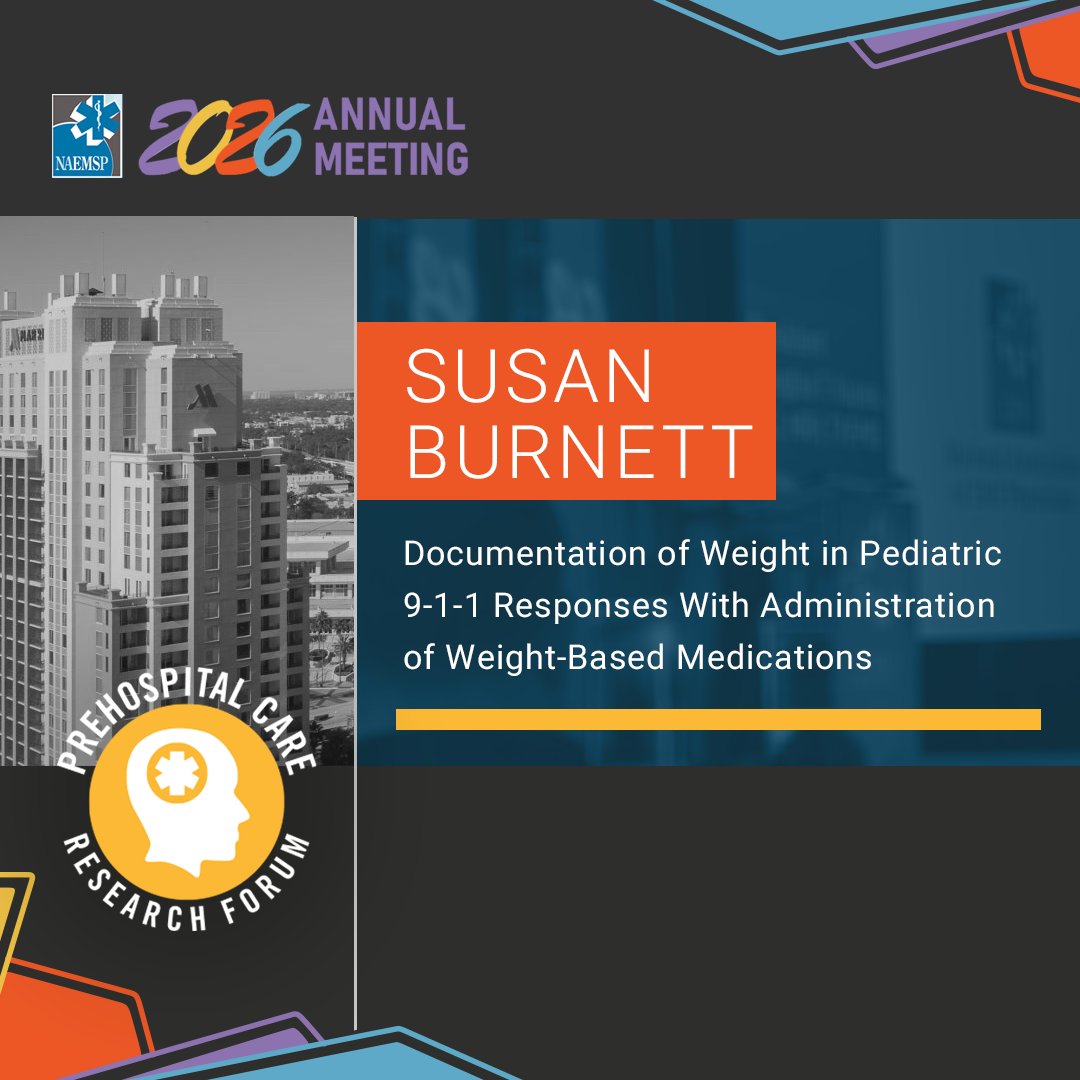
Featured at #NAEMSP2026: Susan Burnett presented her paper “Documentation of Weight in Pediatric 9-1-1 Responses with Administration of Weight-Based Medications,” highlighting an important patient safety issue in pediatric EMS care. Congratulations, Susan!
Refractory ventricular fibrillation can be predicted amidst chest compressions during cardiac arrest resuscitation using artificial intelligence @pmjboyle@NickJohnsonMD#Epeeps
https://t.co/PYZAlpEiSJ
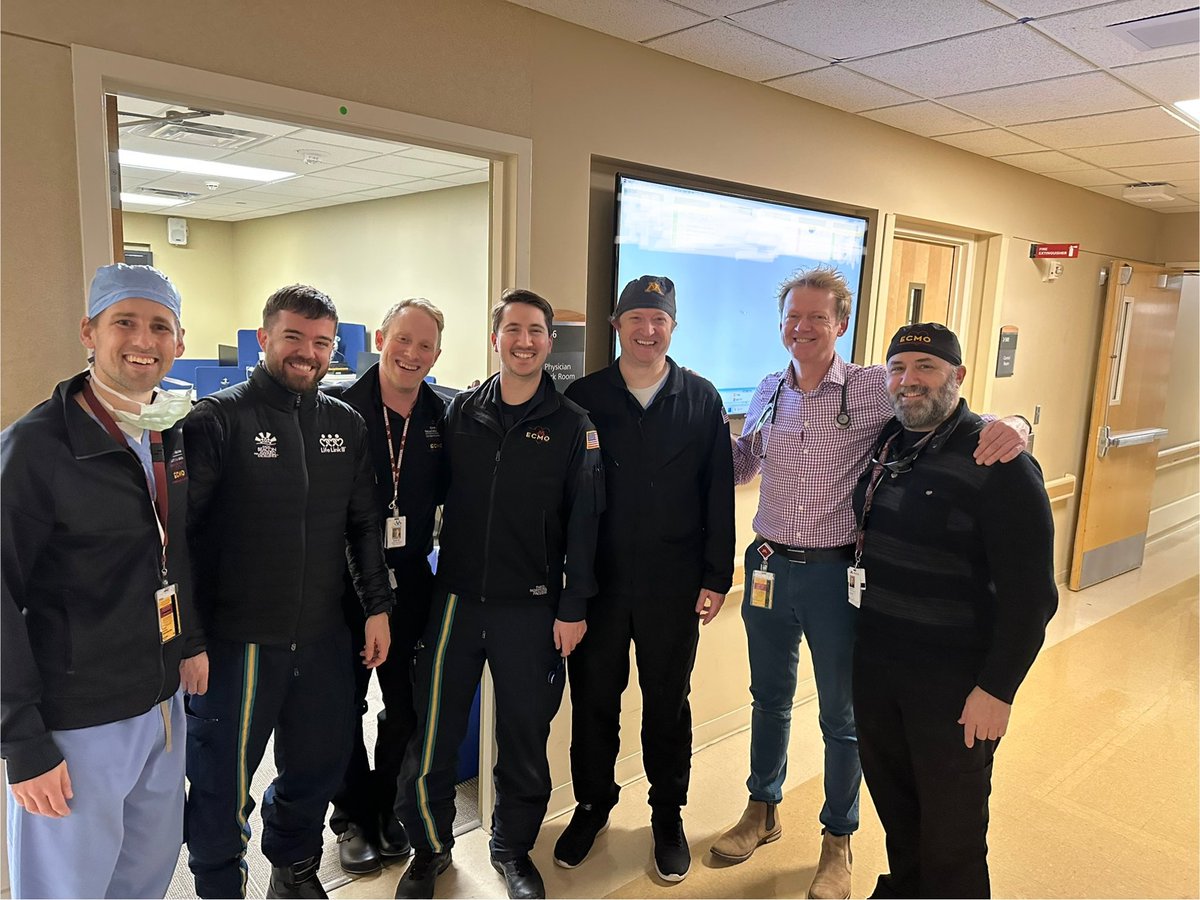
Today marked an important step forward in US resuscitation science!
The Center for Resuscitation Medicine’s MMRC completed the first Helicopter EMS–facilitated extracorporeal cardiopulmonary resuscitation (ECPR) in the United States!
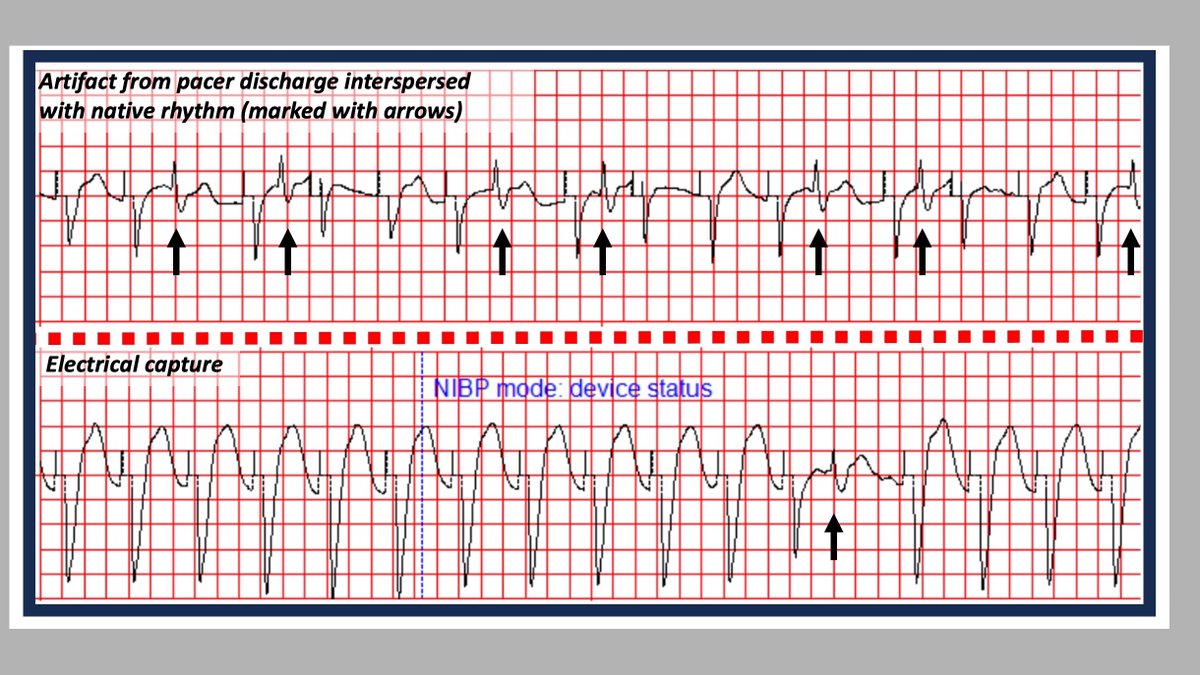
Transcutaneous pacing (TCP) is an intervention for unstable bradycardia. Electrical stimulus is provided ~1/s to increase heart rate. With transvenous pacers and chronotropic meds, TCP is mostly limited to the prehospital setting and low-resource centers.
We suck at TCP.
🧵
Four EMS agencies contributed 299 patients who received transcutaneous pacing. Continuous ECG obtained from cardiac monitors revealed that only 29 (9.7%) patients had sustained electrical capture, and ~75% NEVER had electrical capture!
https://t.co/L1kyccL34a
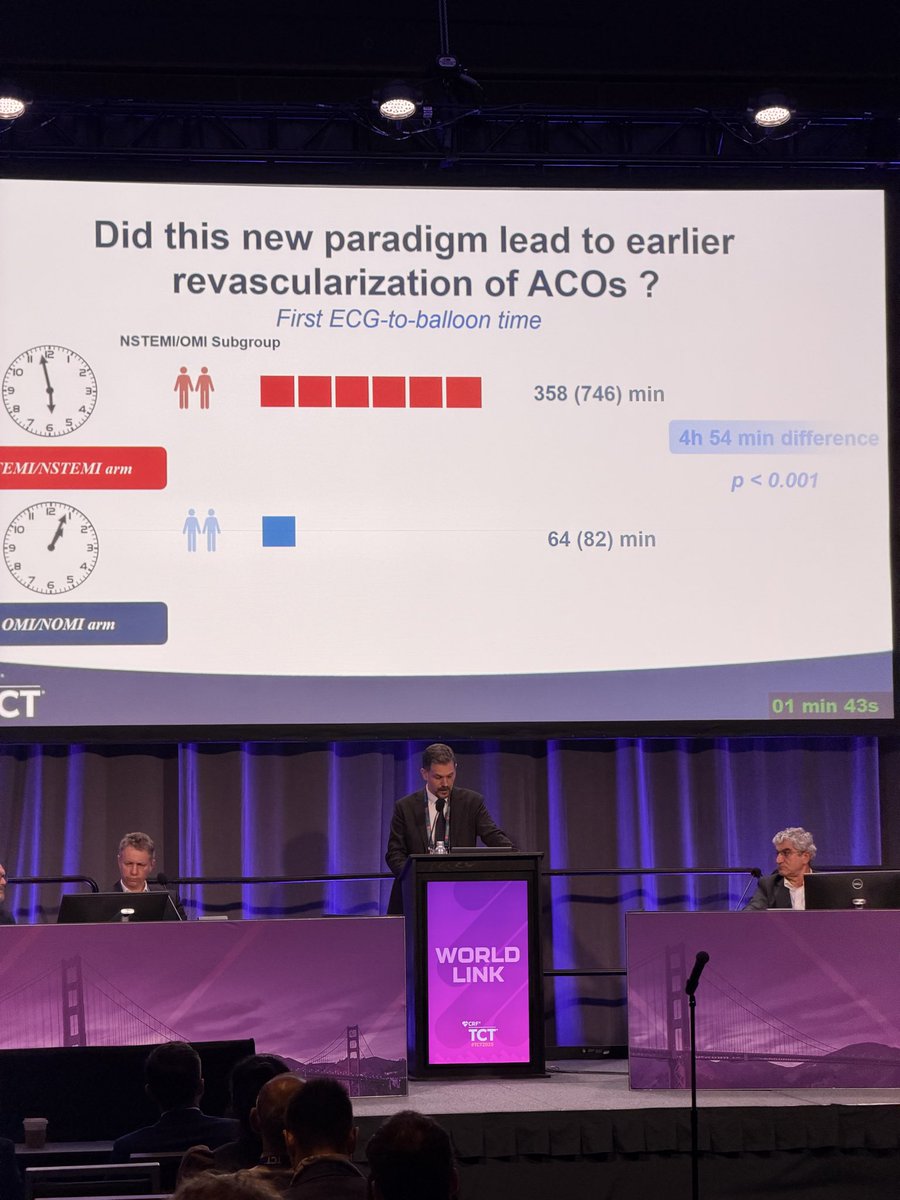
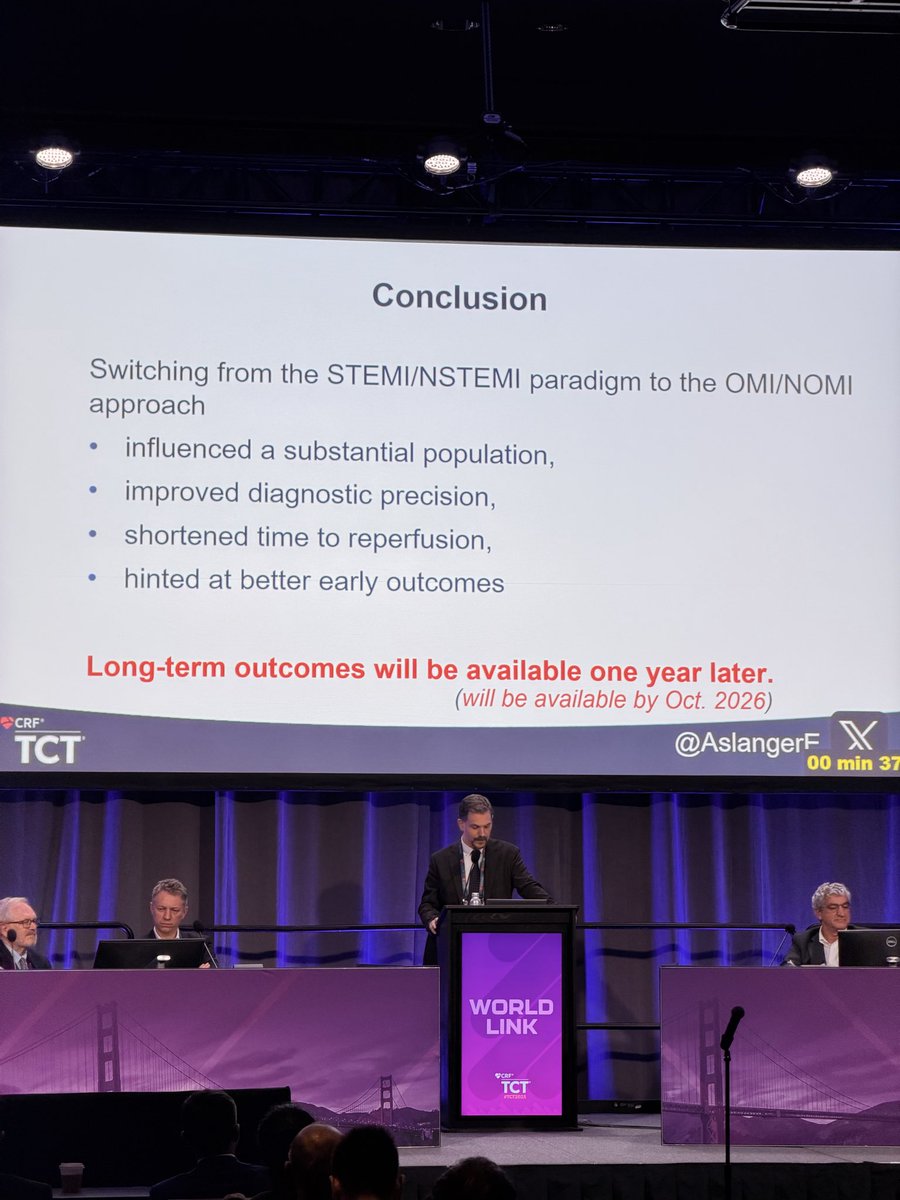
DIFOCCULT-3 RCT shows that an #AI-assisted ECG interpretation accelerates NSTEMI-OMI detection by several hours and hints at improved short-term outcomes!
#TCT2025@AslangerE@PMcardioApp
Defib pad placement is important. Positioning them correctly can double someone’s chance of survival.
Side A is correct. The key difference is that the pad on the left hand side of the chest has been placed on the side of the rib cage, closer to the armpit.
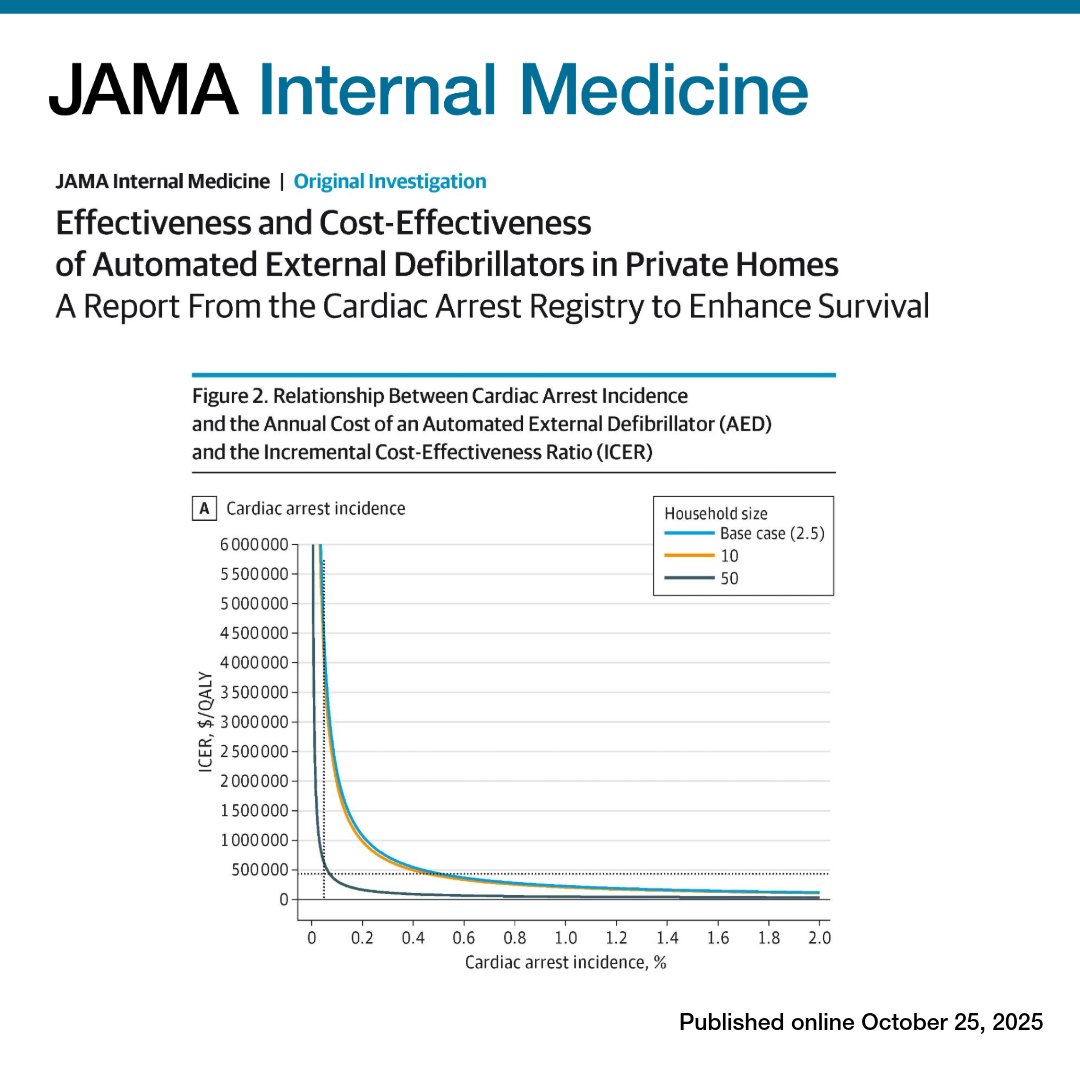
#AED use in private homes improves survival after #CardiacArrest with shockable rhythm but does not improve outcomes for nonshockable rhythm. General AED purchase for homes is not cost-effective at current pricing.
#RESUS25@ERC_resus
https://t.co/HYsKKJDgwb
The myth that will not die
(hint: prevalence = 0)
1. Treat dangerous hypoglycemia immediately. Do not wait for thiamine or anything else.
2. Have a low threshold to treat patients at risk for Wernicke's with IV thiamine.
https://t.co/ov1LYjU370
Thanks to Drs Jenna White and Chris Zahn for talking with us about the ACOG EMS guidelines for treatment of women wtih preeclampsia, eclampsia, and postpartum hemorrhage!
https://t.co/wFalUxuweh
Finally, self-guided robotic intubation. I guess we'll have to figure out something to do with all these airway skills we've accumulated.
https://t.co/yVXzGR9aEi
🗓️ SAVE THE DATE:
💙 The @erc_resus is excited to announce the launch of the Guidelines on Cardiopulmonary Resuscitation 2025, which will take place on October 22, 2025, in Rotterdam. This event is a collaborative effort between the European Resuscitation Council, the American Heart Association and the @Ilcor_org
❤️ We are pleased to present a comprehensive program that highlights the latest advancements in resuscitation science and applied practice.
💯 All the different sessions will be made available via live-stream in parallel, and at no cost to the viewer.
✅ Check our website for all the live stream links.
👉 https://t.co/ASvMq9lwui
👉 https://t.co/S6CzoNddVK
✅ PLEASE NOTE THAT ALL TIMES ARE LISTED IN CENTRAL EUROPEAN TIME (CET).
✅ NO PRE-REGISTRATION NEEDED.
🙏 We look forward to your participation and encourage you to join the sessions that interest you the most.
@HeartCPR
#ERC #AHA #ILCOR #RESUS25 #ERCGuidelines #Guidelines2025 #savethedate #SaveLives #StrongerTogether #Resuscitation
🎧 A must-listen for EMS and emergency care professionals: ESO Principal Research Scientist, Dr. Tony Fernandez, joined the Prehospital Emergency Care Podcast to discuss Adenosine dosing in patients with supraventricular tachycardia (SVT), a common type of arrhythmia. Learn how EMS clinicians saw 12mg was more effective in real-world practice over the standard 6mg.
🎙️ Listen to the podcast: https://t.co/QtYFj926ad
📖 Read the study: https://t.co/QQWNqLeck2
#DataOnAMission













![TannerSmida's tweet photo. Post-ROSC #epinephrine was not assoc. with ⬆️ odds of prehospital #rearrest compared to #norepinephrine in a 'target trial emulation' study (n=1,893; aOR: 0.93 [0.72, 1.21]). We addressed limitations of prior studies, including drug/rearrest temporality.
https://t.co/mmepropvjV https://t.co/mApEOTsYVz](https://pbs.twimg.com/media/GKU9Eyda4AEjuk2.jpg)