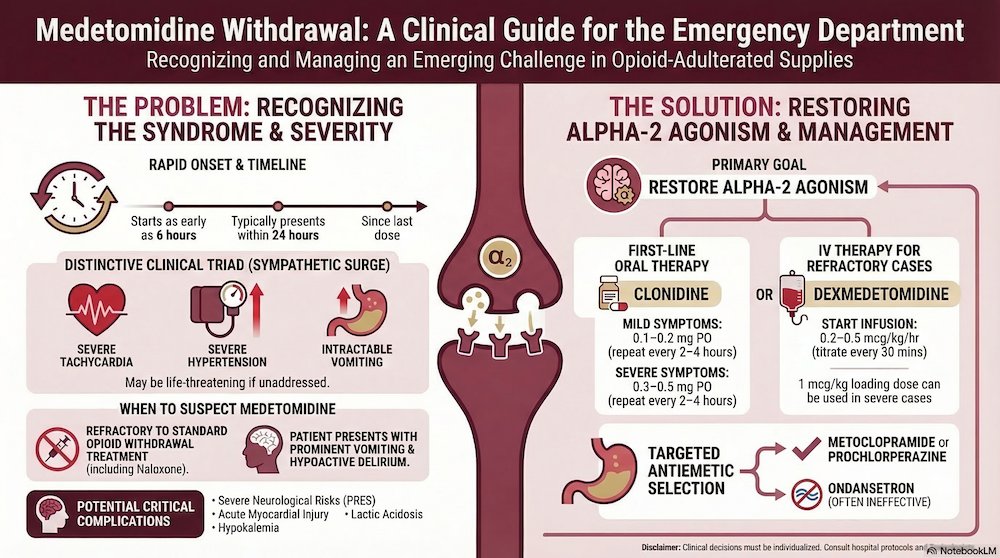
Medetomidine, a veterinary sedative/potent alpha-2 adrenergic agonist and adulterant in unregulated opioid supply is emerging as an important cause of withdrawal syndromes presenting to EDs.
Dr Adriana Rowe delivers in this month's EM Quick Hits podcast
🎧 https://t.co/c0pmCYSotw
🚨 High Yield Infographic Alert 🚨
#528 Hospital Addiction Medicine 3.0 with Dr. Maggie Lowenstein
🎓💊 Become the Medetomi-Dean of Admissions
✅ Methadone dose troubleshooting
✅ Medetomidine withdrawal recognition
✅ Drug supply updates impacting inpatient care
Medetomidine, a veterinary sedative increasingly detected in the unregulated drug supply, presents new challenges for managing overdose and withdrawal in the emergency department.
A recent @CMAJ article, co-authored by members of the CAEP Addiction Medicine Committee, outlines five key takeaways:
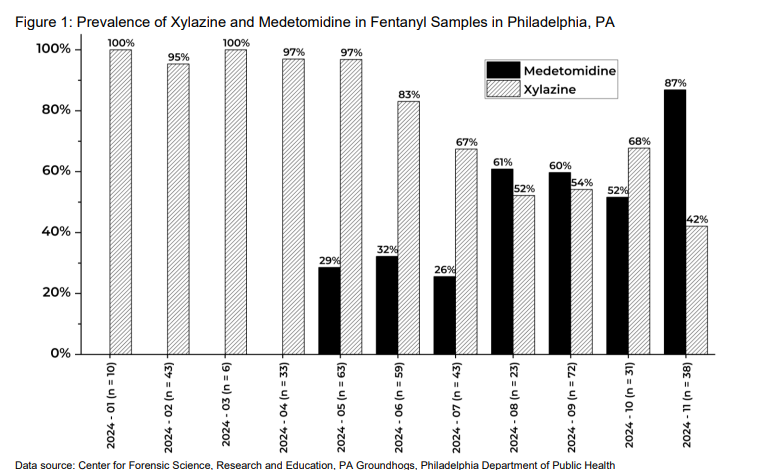
1️⃣ Medetomidine is increasingly found in the opioid supply, including 85% of opioid samples recently tested in Toronto.
2️⃣ Suspect medetomidine when opioid intoxication does not respond as expected to naloxone.
3️⃣ Withdrawal can begin within 4-6 hours after stopping use and may cause significant autonomic symptoms.
4️⃣ Treatment typically involves α-2 agonists such as clonidine or dexmedetomidine, alongside management of opioid withdrawal.
5️⃣ Medetomidine withdrawal can be a medical emergency requiring early recognition and specialist support.
📖 Read the article by Dr. Isabelle Miles et al.: https://t.co/Jpx5XlhqkJ
#emergencymedicine #emergencycare #opioidcrisis #addictionawareness #drugaddiction #addictionmedicine #addictiontreatment
We’re already paying to keep people homeless, and paying far more than it would cost to house them.
This is the status quo: a costly, cruel, never-ending revolving door.
Prison: $150,000+/year
Hospital: $30,000+/month
Shelter: $5,000+/month
People cycle from the street, to shelters, to hospitals, to jail, and back to the street.
We spend enormous amounts managing homelessness instead of ending it. AND after all that spending, none of those places are a home.
Housing isn’t the cost, ignoring people is.
#DidYouKnow: Nearly 3.3 million Ontarians lack a regular primary care provider, limiting timely access to care and increasing pressure on emergency departments and health care costs.
#NPs are eager to provide #PrimaryCare to Ontarians.
🎯EVERYONE: Join our call: https://t.co/WBWdTVfp23
Prescribed alternative stimulants among people who use unregulated stimulants: Examining the association between maximum dose reached and medication discontinuation in the first 3 years of implementation in British Columbia, Canada https://t.co/OyMbhB7B1Y @heatherpalis
May data on #opioid-related deaths in #Ontario from the OCC is now available.
🚨In the past 3 months, there were 633 suspect drug-related deaths in Ontario.
Data available for download at https://t.co/FSCKHAPqIw
We are deeply saddened by the news of Peter Krykant's passing. He was a courageous activist and a passionate advocate for harm reduction and drug policy reform. Our thoughts are with his family and close friends. https://t.co/FmH9meODwR
Medetomidine (the new Xylazine) https://t.co/IrFk3S6zJB #Medetomidine, an animal sedative, appears to be replacing #xylazine as a significant adulterant in #fentanyl. It can cause severe withdrawal experiences but does not seem to cause necrotizing wounds like xylazine.
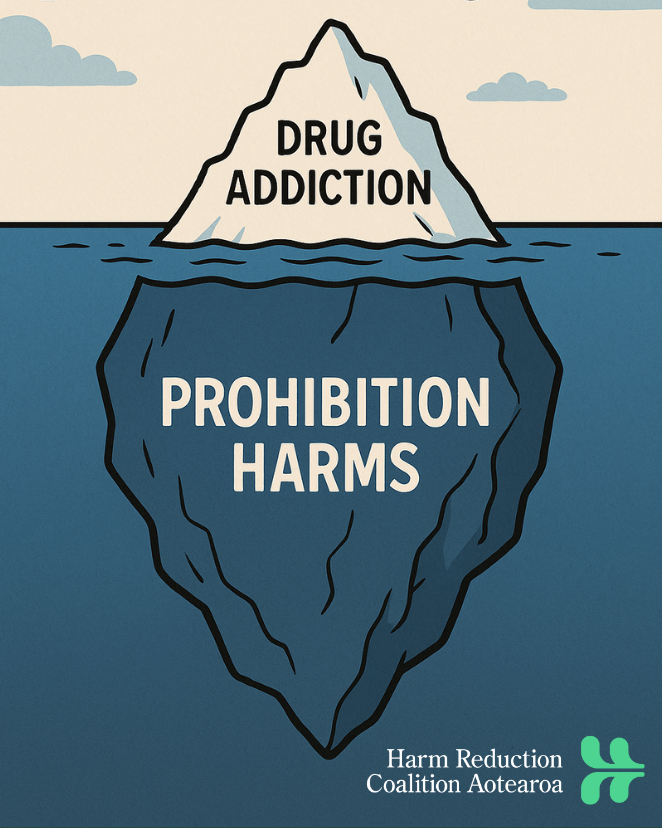
Prohibition is a top down institutionalised system of oppression to protect vested interests.
A system full of smoke and mirrors so people struggle to see the truth of what's going on.
A system not based on research, science, evidence or experience - but a system based on propaganda, prejudice, misinformation, lies and ideology.
Prohibition is not dissimilar to the other top down institutionalised systems of oppression imposed in the past by laws, policies and practices against: women; indigenous peoples; GLBT people; working class; people of colour; people with learning disabilities; or people with mental health issues.
When we see Prohibition as a system of oppression then the endless nature of the Drug War, impervious to evidence, make a lot more sense, not only of what's going on, - but how we tackle it.
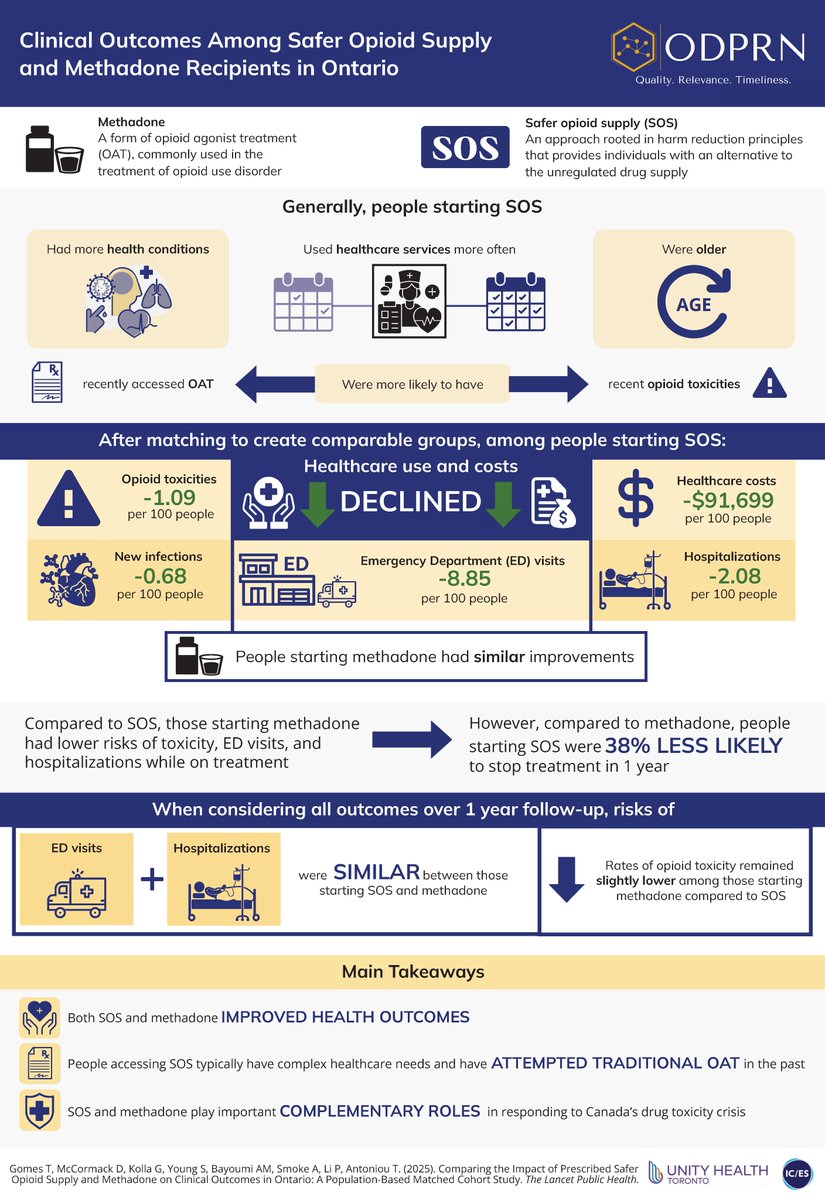
ODPRN researcher @Tara_Gomes talks with @globalnews about our new study that compares the effects of prescribed safer opioid supply and methadone in Ontario, Canada.
https://t.co/QD3AYIdoYp
NEW ODPRN study finds that BOTH Safer Opioid Supply (SOS) & methadone improve health outcomes and play important complementary roles in responding to Canada’s drug toxicity crisis.
https://t.co/L4z9v1Ved2
#HarmReduction#SaferSupply
Wasn't the information provided to prisoners a true reflection of Conservative policies? Prisoners have a right to vote and should be provided with accurate information about the issues they care about. https://t.co/RC7Z6HpIYH
My book is out now. Available anywhere. The audiobook too (which I read). It's part memoir, part manifesto and aims right at the heart of the current Trump / Poilievre right wing backlash against harm reduction. https://t.co/hObgzkoGfo
New Resource: Summary of Substance-Related Toxicity Reports
@CATIEinfo summarized key findings from our 3-report series on substance-related toxicity deaths in Ontario, covering alcohol, opioid, stimulant, & benzodiazepine-related deaths.
Read it here:
https://t.co/5rXYQWbA5B
Most harm is caused not by drugs but by punitive drugs policies that:
Fuel crime; gangs; turf wars, cartels; envornmental damage; overdose; violence; disease; dodgy drug cultures; and ruin people's lives with drug convictions and incarceration.
“Not just fentanyl: Understanding the complexities of the unregulated opioid supply through results from a drug checking service in British Columbia, Canada” by Pablo Gonzalez-Nieto et al (2025) via @ijdrugpolicy…whats in your drug supply?
Link: https://t.co/USrGD9hye1