Built in Detroit. Volunteer Led. Advocating & fundraising for Parkinson’s research-100% proceeds goes directly to The MJFF for Parkinson's Research -100%!!
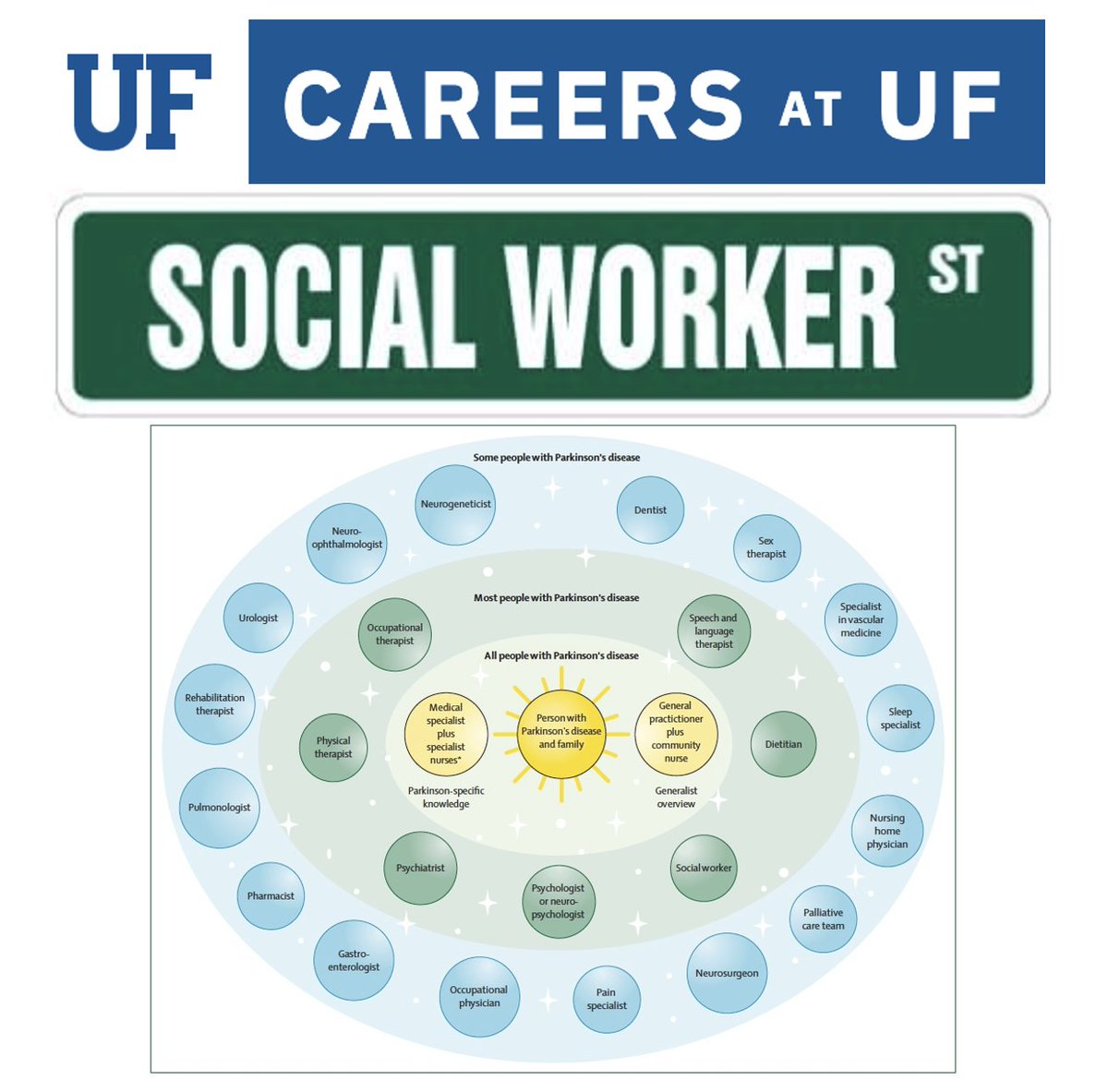
Join the revolution in interdisciplinary neurological care at the Norman Fixel Institute for Neurological Diseases at the University of Florida. We believe the person living w/ disease is the sun, and every member of the care team orbits around helping them live their best possible life. If you are a social worker who believes care should be coordinated, compassionate and deeply human, this is your opportunity to help redefine what Parkinson’s disease, dystonia, Alzheimer's, ALS and movement disorders care can look like. Work side-by-side w/ neurologists, therapists, neuropsychologists, nurses, researchers and families in one truly integrated environment. If you believe the person w/ disease is the sun, then apply for this job:
https://t.co/rX5xPErVK8
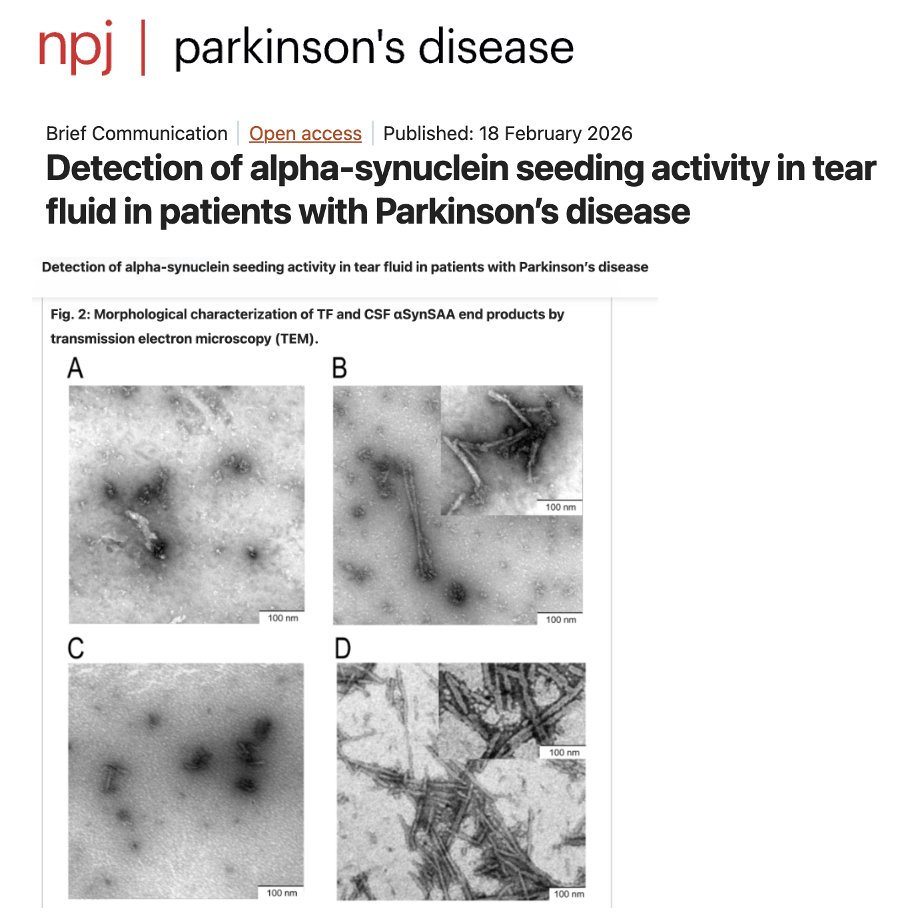
Tears of alpha synuclein? Parkinson’s disease detected in your tears: a new window into brain biology? What does alpha synuclein seeding mean? It refers to a process where tiny misfolded proteins act like templates that trigger other proteins to misfold, allowing scientists to detect disease signals even at very low levels. Sezgi Canaslan and colleagues describe in a new paper that just dropped in NPJ Parkinson’s Disease how tear fluid may reveal Parkinson’s biology using a sensitive protein amplification assay.
Key Points:
- Tear fluid showed detectable alpha synuclein seeding activity in about two thirds of folks w/ Parkinson’s disease, while controls remained negative.
- The assay was able to distinguish Parkinson’s disease from controls and even from prion diseases by using a noninvasive sample.
- Tear based testing had lower sensitivity than CSF, but offered important advantages including ease of collection and repeatability.
My take: This is fascinating however not surprising. The technology is definitely not ready for routine use, however it points to a future where diagnosis and tracking may become simpler, safer, and more accessible. There may be clues in many body fluids and we may be able to harness them for science and for medicine.
Here are 5 points that resonated w/ me:
1- Parkinson’s disease biology can be detected outside the brain; in this case in your tears.
2- Misfolded protein amplification assays are extremely sensitive and can detect disease signals at very low levels.
3- Tear testing is noninvasive, and could be performed repeatedly over time, though making people cry may limit the technique!
4- Current accuracy is promising but not yet sufficient to replace established approaches.
5- The future may include screening and early detection strategies using accessible fluids like tears, saliva or blood.
https://t.co/3G3RUSOywi @ParkinsonDotOrg #parkinson
The people have spoken and the company is listening. We have reached a public health milestone.
“For decades we have warned that certain pesticides increase the risk of Parkinson’s and other serious diseases. This moment proves that advocacy, data and courage can change the trajectory of disease.”
"Fewer people are going to develop Parkinson’s disease in the future.”
"The voices of the Parkinson’s community, the voices of those who’ve been highlighting the toxic effects of this weed killer … are being heard and they’re having an impact.”
Folks w/ Parkinson's, "tell your story," as that is the best way to create impact and contribute to the PLAN. https://t.co/e9eKnkGsxz
https://t.co/5HjTTPlL4l
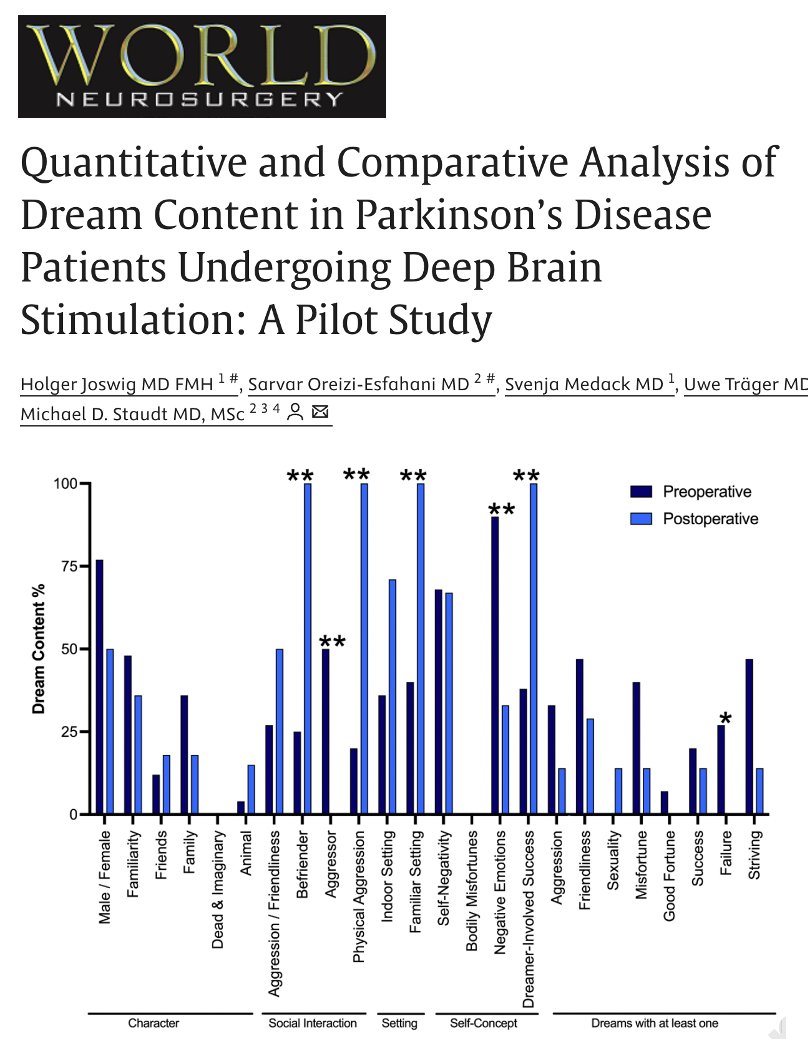
Does deep brain stimulation change your dreams? When brain circuits meet the night shift what happens?Deep brain stimulation or DBS refers to a therapy where small electrical signals are delivered to specific brain areas to change possibly abnormal activity. Joswig and colleagues describe in a new paper in World Neurosurgery how deep brain stimulation may influence dream content in folks w/ Parkinson’s disease by altering brain networks involved in dreaming.
Key points:
– Dream and nightmare frequency did not change significantly after deep brain stimulation.
– Dream content shifted toward fewer negative emotions and aggressor themes and more positive elements such as more friendly roles familiar settings as well as 'dreamer success.'
– Sleep duration interruptions and REM sleep behavior disorder symptoms remained largely unchanged after surgery.
My take: This is a fascinating window into how neuromodulation may reach beyond movement and into the emotional landscape of sleep. Deep brain stimulation did not simply turn dreams up or down. It appeared to reshape their tone. This reminds us that Parkinson’s is a whole brain condition and that therapies may influence lived experience in unexpected ways. Of course the study was a very small sample.
Here are 5 points that resonated w/ me:
1- Dreams may reflect underlying brain network health, not just sleep quality.
2- Deep brain stimulation can shift emotional balance in dreams even when sleep metrics stay the same.
3- Reduced negative dream themes may matter for mood well being and caregiver experiences especially at night.
4- These findings highlight how potentially closely motor limbic and default mode networks are linked.
5- Larger studies are needed but this work opens the door to thinking about nighttime experiences as meaningful outcomes for folks receiving advanced therapies.
https://t.co/GzH8gpwXUu @FixelInstitute@ParkinsonDotOrg@DBSThinkTank@SfNtweets@neurosurgery@TheJNS
Can Christmas calm the Parkinson's brain? Spoiler alert: YES, we can prove it w/ brain signals recorded from actual persons w/ Parkinson's implanted w/ DBS devices. Beta activity refers to a brain signal measured in the subthalamic nucleus that frequently rises when Parkinson’s symptoms are worse and falls when symptoms improve. Feldmann, Neumann colleagues describe in a paper in Movement Disorders how Christmas alters brain signals recorded from deep brain stimulation systems in the setting of Parkinson’s disease.
Key Points:
- Christmas Eve was associated w/ a consistent reduction in subthalamic beta activity when compared to non festive days.
- The strongest signal changes occurred in the late afternoon and early evening, which is a common time for social gathering and celebration.
- Brain network analyses showed these changes were linked to motor circuits targeted by deep brain stimulation.
My take: Social context matters when it comes to brain signals and to disease. I love this paper and for those of you celebrating Christmas today just know it is good for your brain. Here are 5 points that resonated w/ me: 1- Everyday life events like holidays can change brain signals tied to Parkinson’s symptoms. 2- Positive experiences such as social connection, food, music and celebration may increase dopamine related activity. 3- Brain sensing technology facilitates health care providers seeing how real world behavior can affect the Parkinson’s brain. 4- Adaptive DBS systems will need to account for lifestyle patterns, not just for symptoms on clinic visits. 5- Joyful activities are not just meaningful emotionally, they may also influence brain biology in the setting of Parkinson’s and likely beyond.
https://t.co/MALkDcmaOc @movedisorder@FixelInstitute@ParkinsonDotOrg@PdAvengers@DBSThinkTank@SfNtweets@JAMA_current@NEJMClinician@NEJM
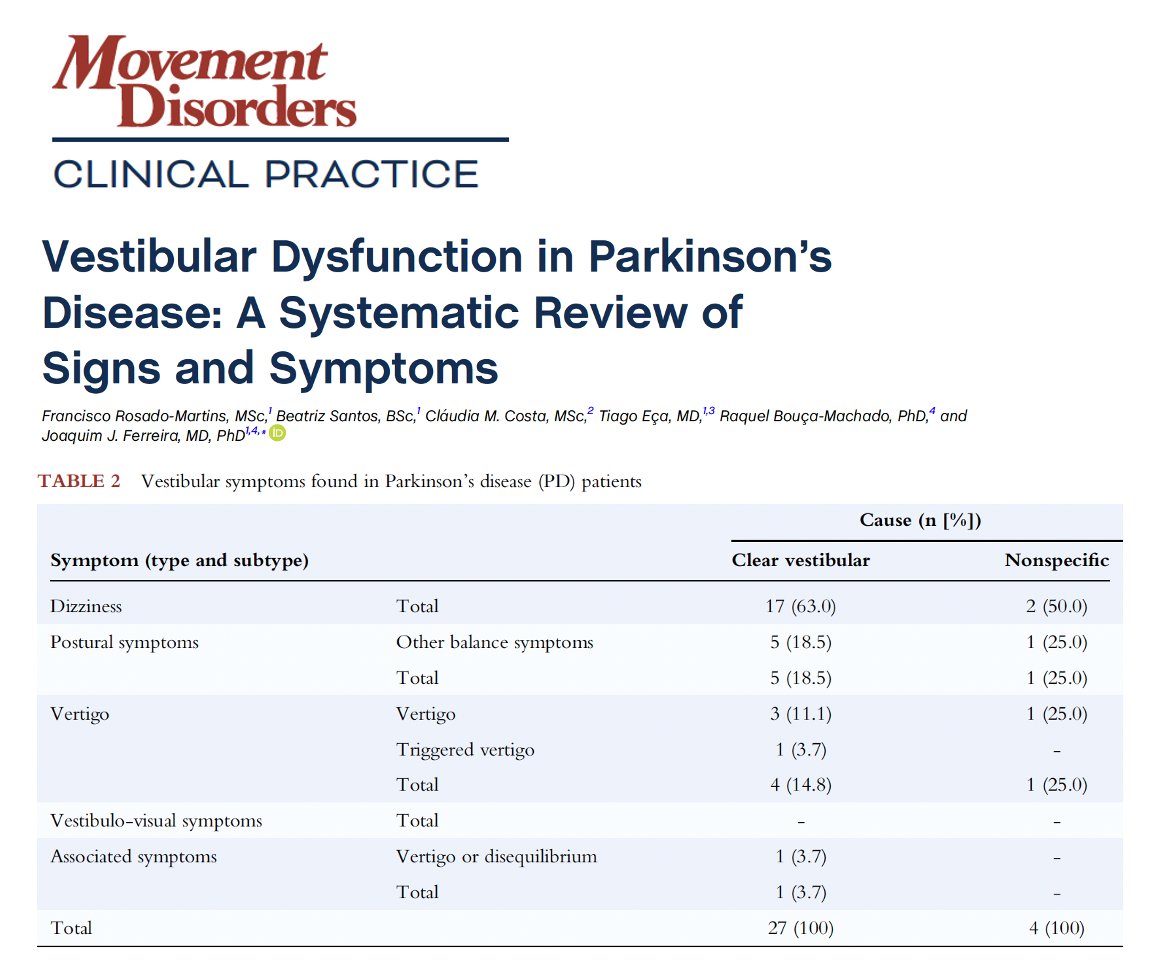
Do you know the 2025 update on vestibular dysfunction in Parkinson’s? Does dizziness plague you? New evidence highlights how the balance system (vestibular system) may play a bigger role in Parkinson’s than we thought. A systematic review was conducted on over 100 studies revealed that vestibular signs and symptoms were common, however too often overlooked in both diagnosis and care.
Key Points:
- Nearly 40% of folks w/ Parkinson’s showed vestibular dysfunction, including nystagmus, oculomotor changes, abnormal vestibular evoked potentials and postural control challenges.
- Dizziness was the most frequently reported vestibular symptom and this was followed by vertigo and balance problems.
- Six clinical tools were rated as recommended for evaluating vestibular issues in Parkinson’s.
- These included the sensory organization test, DHI, ABC scale, BBS, TUG and MiniBESTest.
My take: We get a ton of questions at the Parkinson's Foundation about vestibular dysfunction and dizziness. I was grateful to see this article appear in the literature. Here are 5 points that resonated w/ me from their work: 1- Vestibular dysfunction is common in Parkinson’s and may result in dizziness, imbalance or falls. 2- Not all dizziness in Parkinson’s comes from having a 'low blood pressure.' The vestibular system could be a hidden culprit. 3-Balance relies on vision, sensation and vestibular input. When vestibular function falters, falling becomes more likely. 4- Specialized tests can help uncover vestibular challenges, however awareness is the first step. 5-Addressing vestibular dysfunction will likely open new treatment and rehabilitation pathways for Parkinson’s.
https://t.co/ssAiFu3BAn @ParkinsonDotOrg@FixelInstitute@SfNtweets@movedisorder@AANmember
The Prince of Darkness, Ozzy Osbourne, shined a light on the stigma of living w/ Parkinson's. In our new, just released, op-ed at MedPageToday, Dr. Indu Subramanian and I reflect on how Ozzy Osbourne’s fearless honesty about Parkinson’s disease changed lives. Ozzy didn’t hide. He rose up, spoke out and showed millions they weren’t alone.
My take: We wrote the op-ed to raise 5 important points. 1- Stigma silences people. The tremors, soft speech and masked faces frequently lead to shame and isolation. Ozzy flipped the script by living publicly and authentically. 2- Disclosure is a powerful medicine. Studies show that hiding a Parkinson’s diagnosis (which ~25% do) worsens emotional and physical health. Ozzy’s openness was an antidote to the silence. 3- His life was a stem cell cure reality check. Ozzy shared his real, raw experience with experimental stem cell therapies, highlighting the gap between hype and science. 4- Genes don’t define you. His revelation of carrying a Parkin gene mutation was a lesson. Genetic risk isn’t destiny and stigma doesn’t belong in that conversation. He also took on those who think you get Parkinson's disease from bad lifestyle decisions. he didn't get Parkinson's disease from 'doing drugs.' 5- Caregivers matter a lot. The Osbourne family’s candidness about caregiving struggles gave voice to millions of silent heroes behind the scenes. Let’s honor Ozzy's legacy by erasing the stigma of Parkinson’s for the 11.8 million people living w/ the disease.
https://t.co/qhewURppg4 #parkinson @DrISubramanian@FixelInstitute@OzzyOsbourne #OzzyOsbourne @medpagetoday
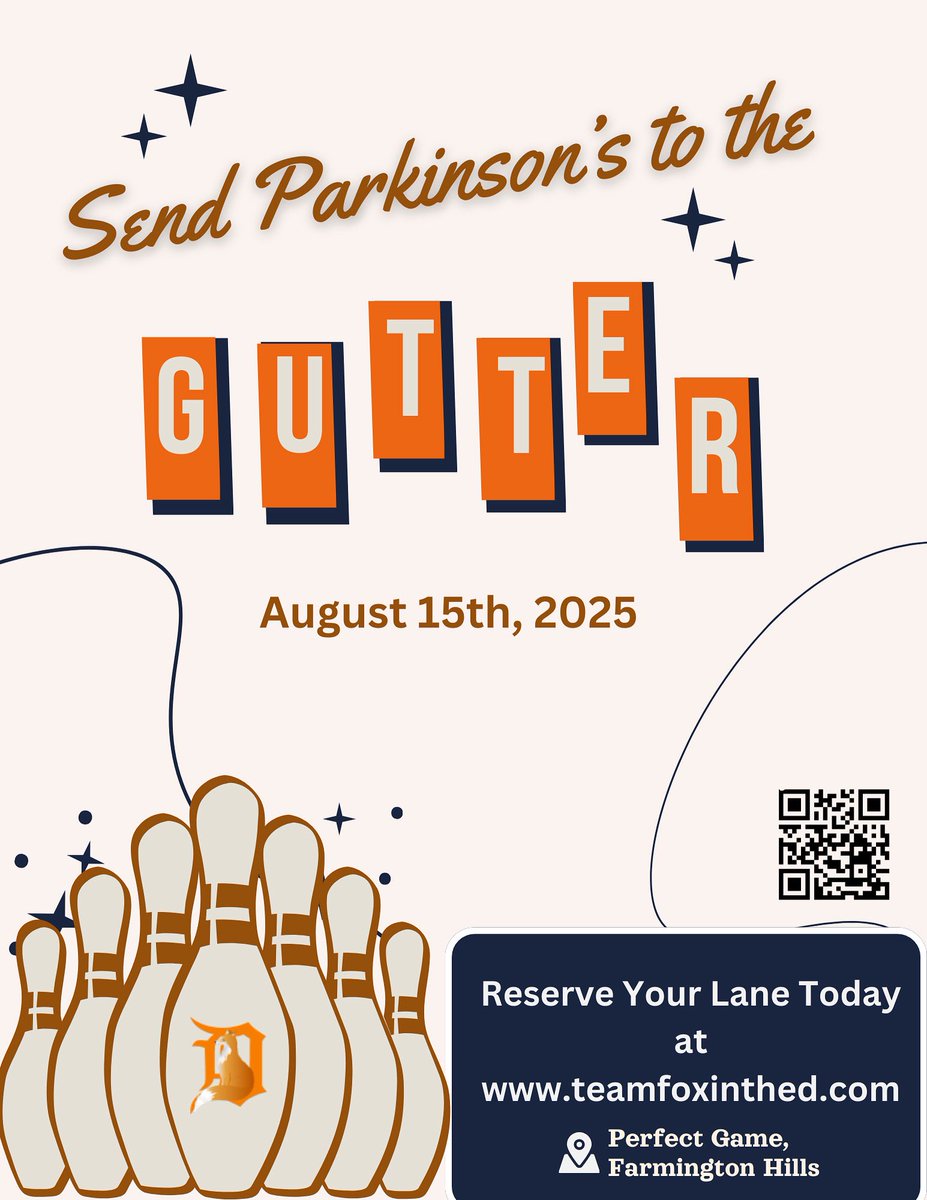
Join us on Friday, August 15th, 2025, at The Perfect Game in Farmington Hills, Michigan, for an unforgettable night of fun, fundraising, and family-friendly competition—all in support of The Michael J. Fox Foundation. Reserve your lane @ https://t.co/tNwiGYvs9p
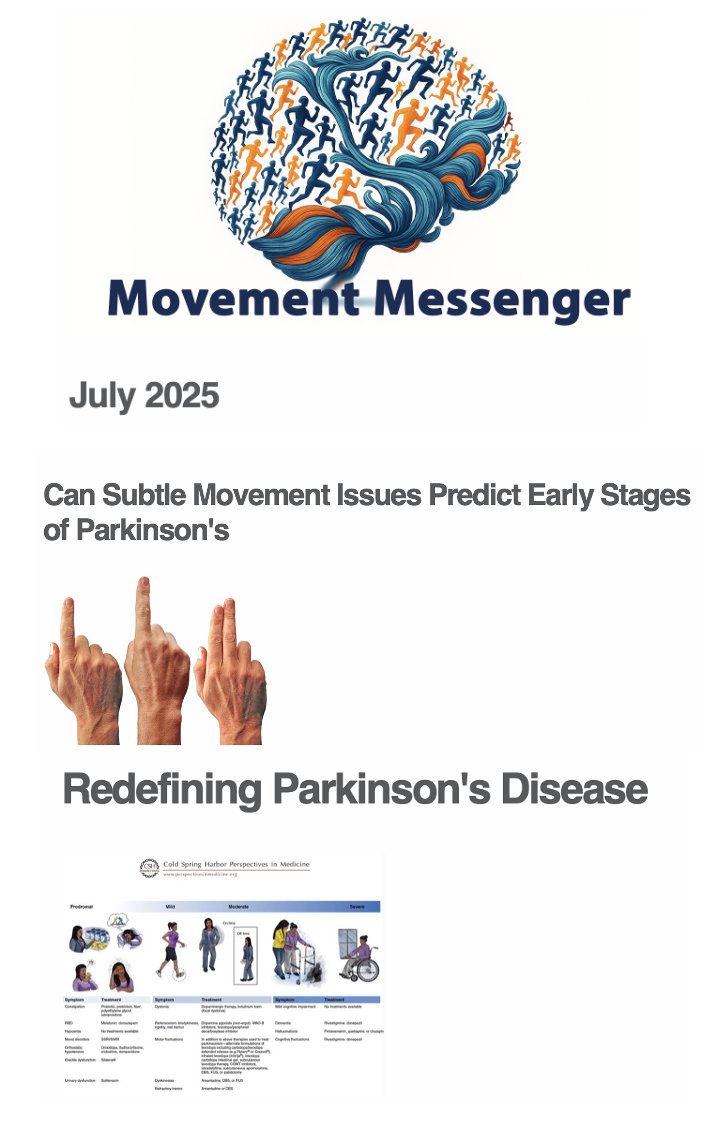
Hope in motion: The July edition of the FREE Fixel movement messenger is out. You can also follow us @Fixelinstitute We dedicated this issue to everyone touched by Parkinson’s disease. This month’s updates reflect where the science is heading, and to the real lives behind that science.
Here are some of the key areas covered this month:
-Prasinezumab heads to Phase III: A potential controversial disease-modifying drug takes another step.
- Redefining Parkinson’s remembering that tremor is just the tip of the iceberg. Dr. Bhavana Patel and her team help to evolve our outdated images.
- Stem cells revived. Two new trials explore the promise of dopamine producing cells from induced stem cells.
- Gut-brain connections. New microbiome research uncovered shared microbial signatures between PD and IBD.
- Early detection. Subtle force-control changes may signal Parkinson's before diagnosis.
- DBS insight. New multi-institutional study explains why patients develop stimulation-induced dyskinesia.
The newsletter has information on:
- 600+ free exercise videos
- Live Fitness Friday: Gait & balance training
- Caregiver strategies, research opportunities, and cutting-edge AI and MEG studies.
https://t.co/krEaetBLw8
#Parkinsons @FixelInstitute@ParkinsonDotOrg
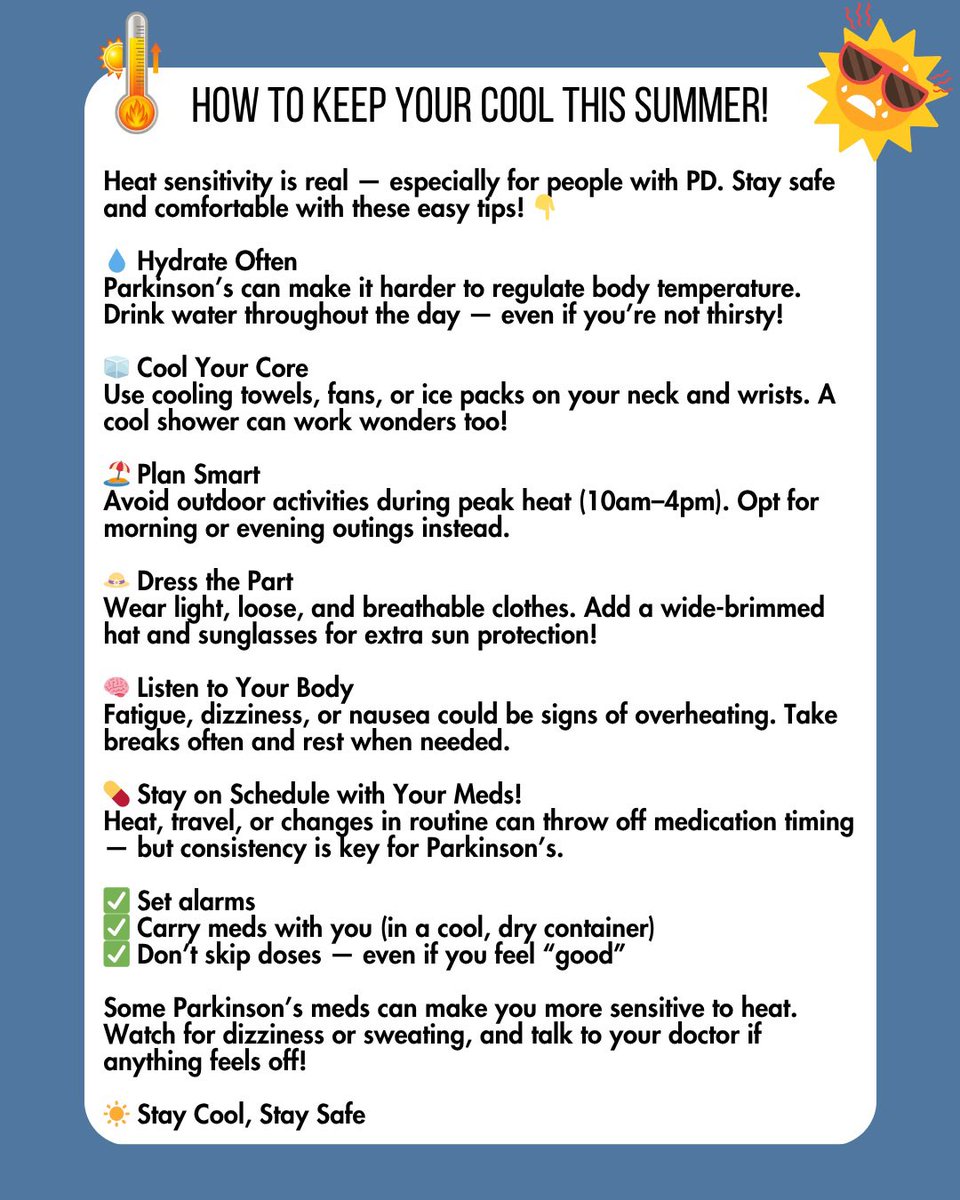
As we kick off today’s Team Fox Scramble, your safety is our top priority — especially with the extreme heat.
Coolers with ice water and Gatorade will be placed throughout the course.
Stay hydrated, pace yourself, and have a great round — all for a great cause!
With high temps on the way, it’s important—especially for those living with Parkinson’s—take extra care.
✅ Stay hydrated
✅ Avoid peak heat hours (10AM–4PM)
✅ Keep cool indoors
✅ Stick to your medication schedule
Listen to your body and don’t push it. Stay safe, stay cool!