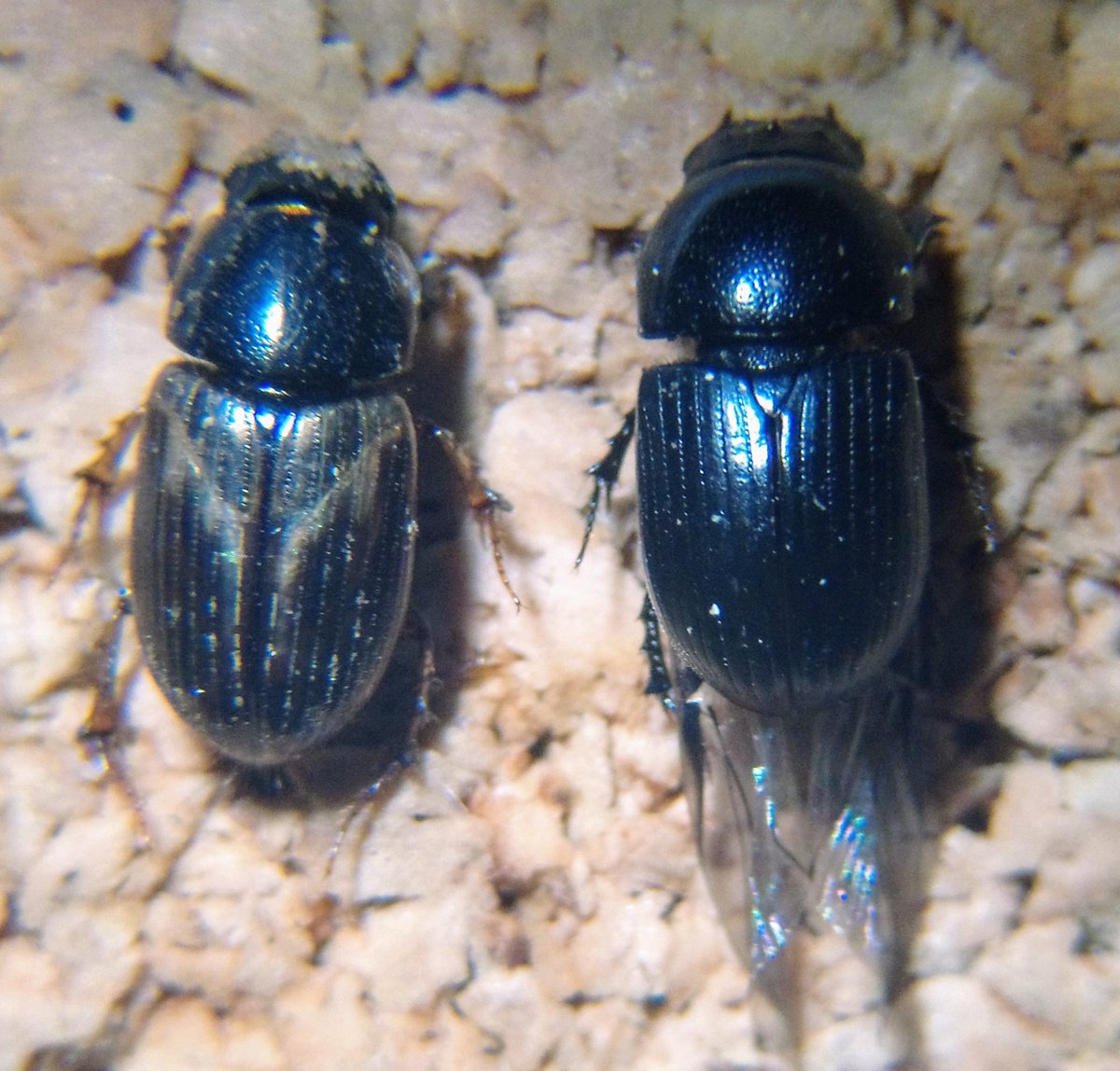
The Oxford University Museum of Natural History Dung beetle UK Mapping Project has now come to an end & there will be no further activity under the DUMP banner.
Thank you for all your support. The project data is available via iRecord https://t.co/hrEMdbPN5x
You may also be interested in:
The OUMNH new insect project https://t.co/2bgtEH2fbw
The Berrycroft Hub https://t.co/EZu3bL6oUc
The Scarab Recording Scheme https://t.co/nHaxLaBjNh
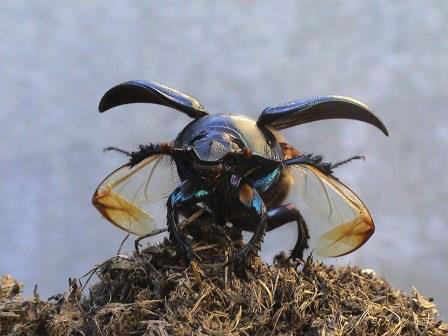
There seems to be some confusion about the recently formed @BScarabs & @Team_DUMP. @BScarabs is a recording scheme for all scarabs & totally separate to @Team_DUMP which is dedicated to the outreach/conservation of our UK dung beetles. In the meantime here’s a poo with a view :)
Did you know we have 60 species of dung beetle in the UK and they save the UK cattle industry £367 million per year?? Intrigued? Check out https://t.co/28DXpb8fhy and learn how to help these amazing creatures @TEAM_DUMP#actionforinsects#wilderfuture@Buzz_dont_tweet
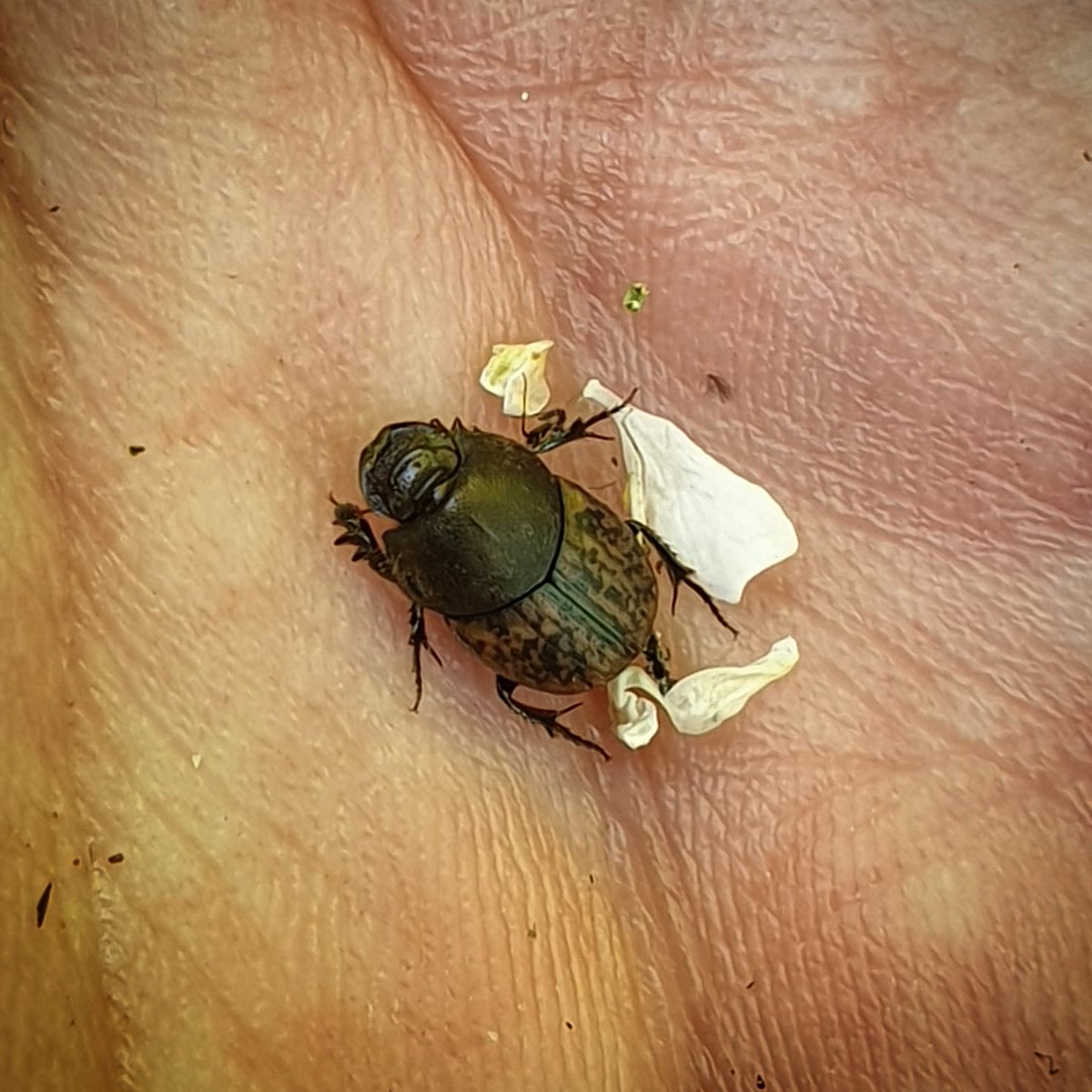
Nice 8m walk across Ampthill & Maulden today resulting in Ablattaria laevigata & Thanatophilus rugosus for @SilphidaeUk a first for me with 2 16 spot Ladybird’s @UKLadybirds some dung beetles for @Team_DUMP and a green tiger beetle to finish off a beetle day in lockdown!
I do everything I can to not work my sheep. The result. Dung beetle mania. Nutrients leaking out. Encourages plantain. Plantain is a natural wormer. I get the feeling nature is better at this than us!
I do everything I can to not work my sheep. The result. Dung beetle mania. Nutrients leaking out. Encourages plantain. Plantain is a natural wormer. I get the feeling nature is better at this than us!
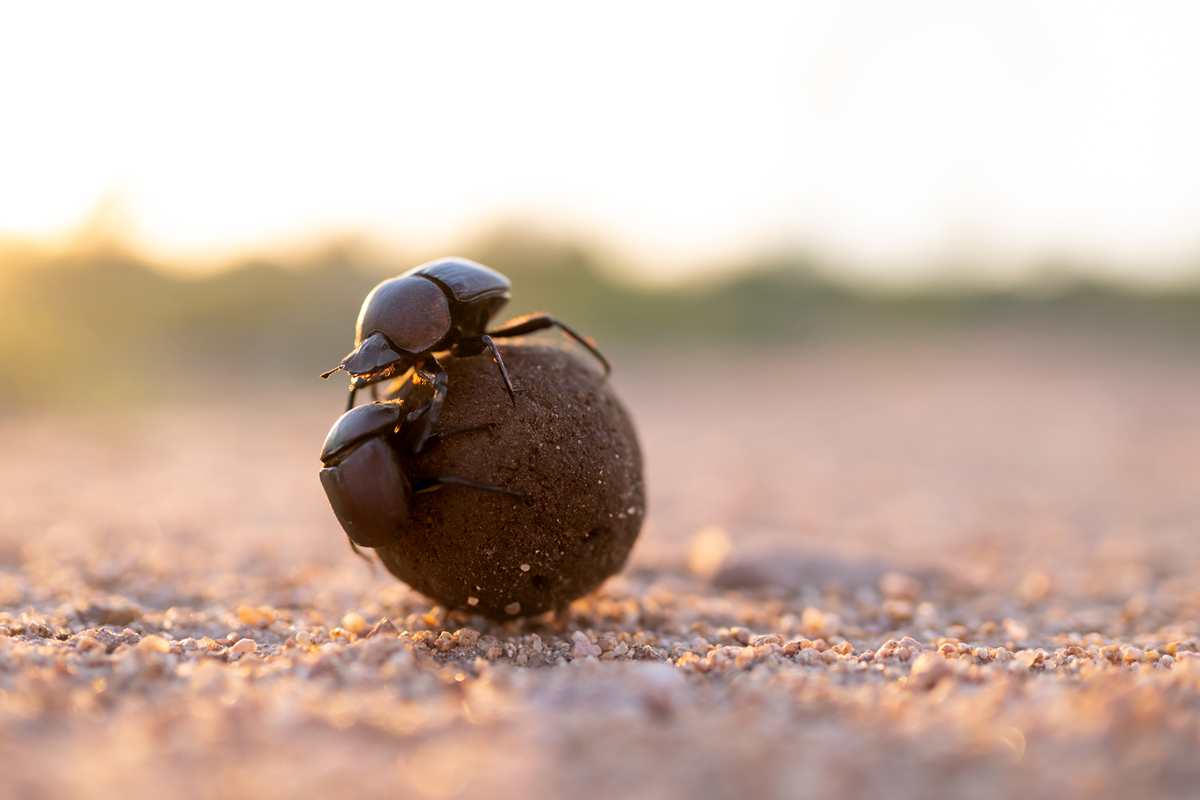
Sadly we have no rollers in the UK - just those that live quite literally in it or under it - which is why not many people are even aware of our awesome native dung beetles!
Dung beetles roll dung for 3 reasons:
1. They roll it up as ‘food balls’ to eat.
2. They use it as ‘nuptial balls’ for females, rolling it into holes where pairs mate and feast on it.
3. It’s used as ‘brooding balls’ formed into ‘cribs’ for dung beetle larvae.
📷: Ross Couper
I started cutting out these pictures when I was pregnant with my 1st kid... who's now 4!
So pleased to finally finish this little project (and I've got LOTS more cut outs to start the next one!)
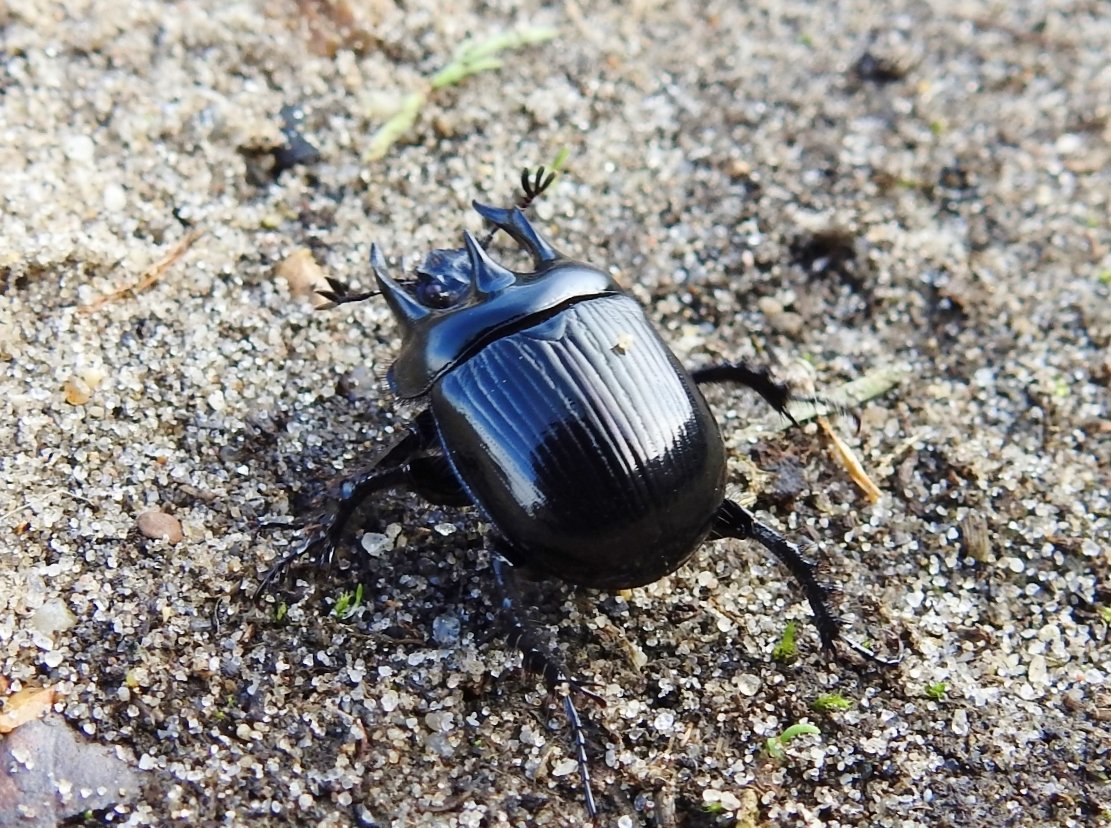
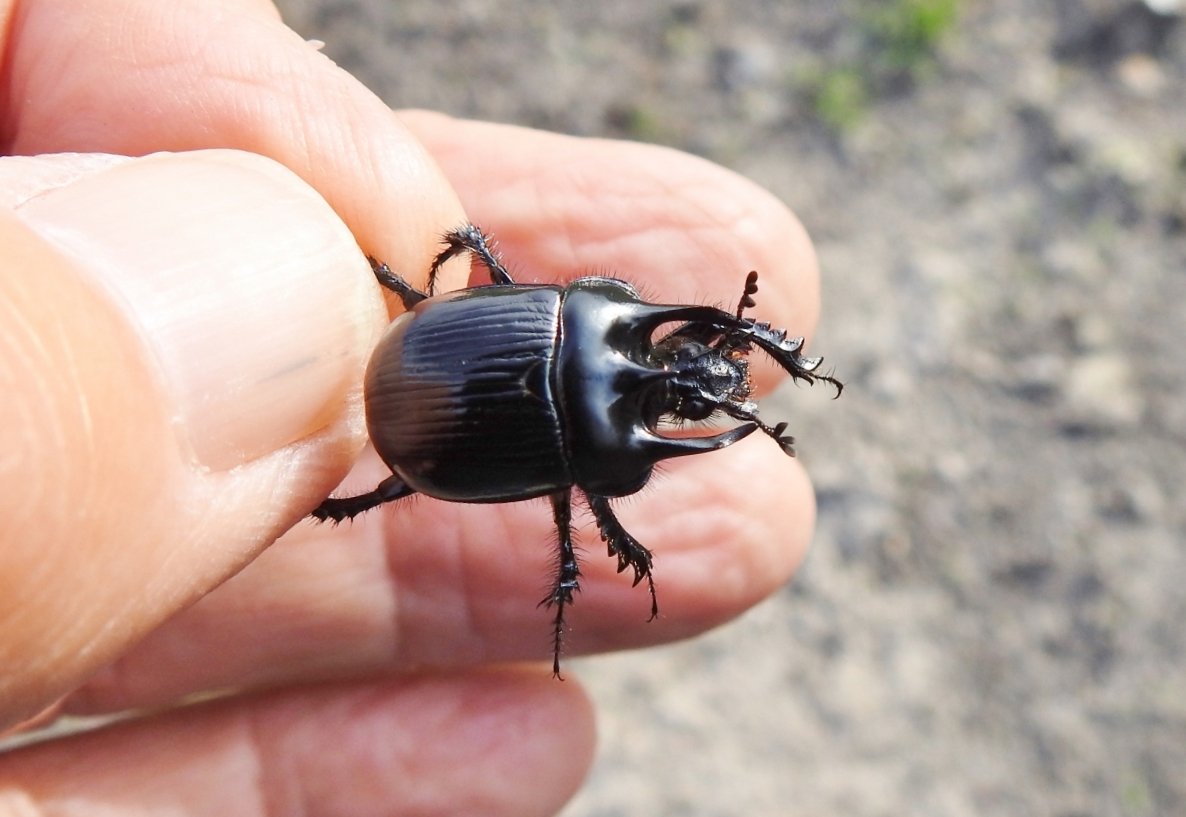
A Minotaur beetle from Sizewell, Suffolk today showing its three bull-like horns. This is a large dung beetle found on sandy grassland and heathland, and take mostly rabbit dung back to their nests for their larvae to feed on.
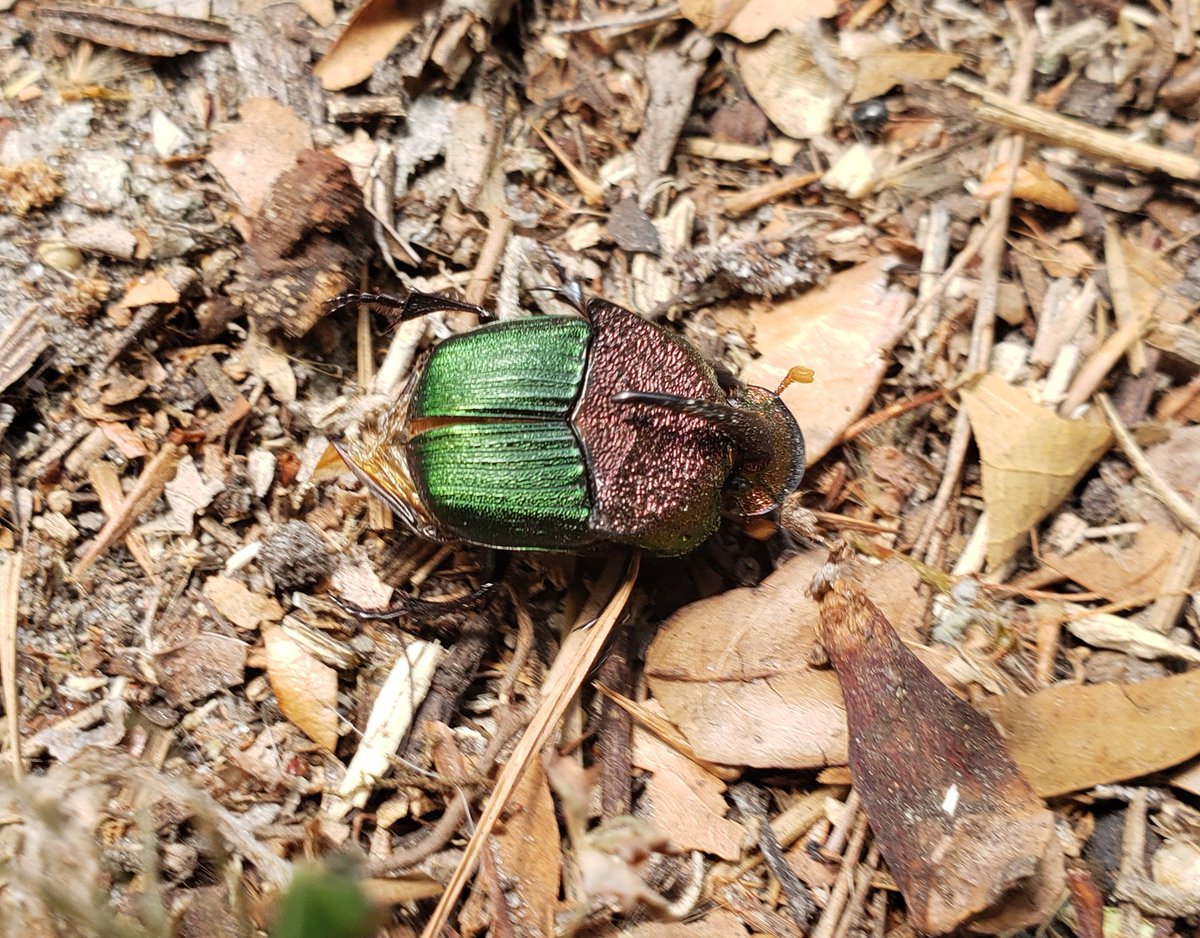
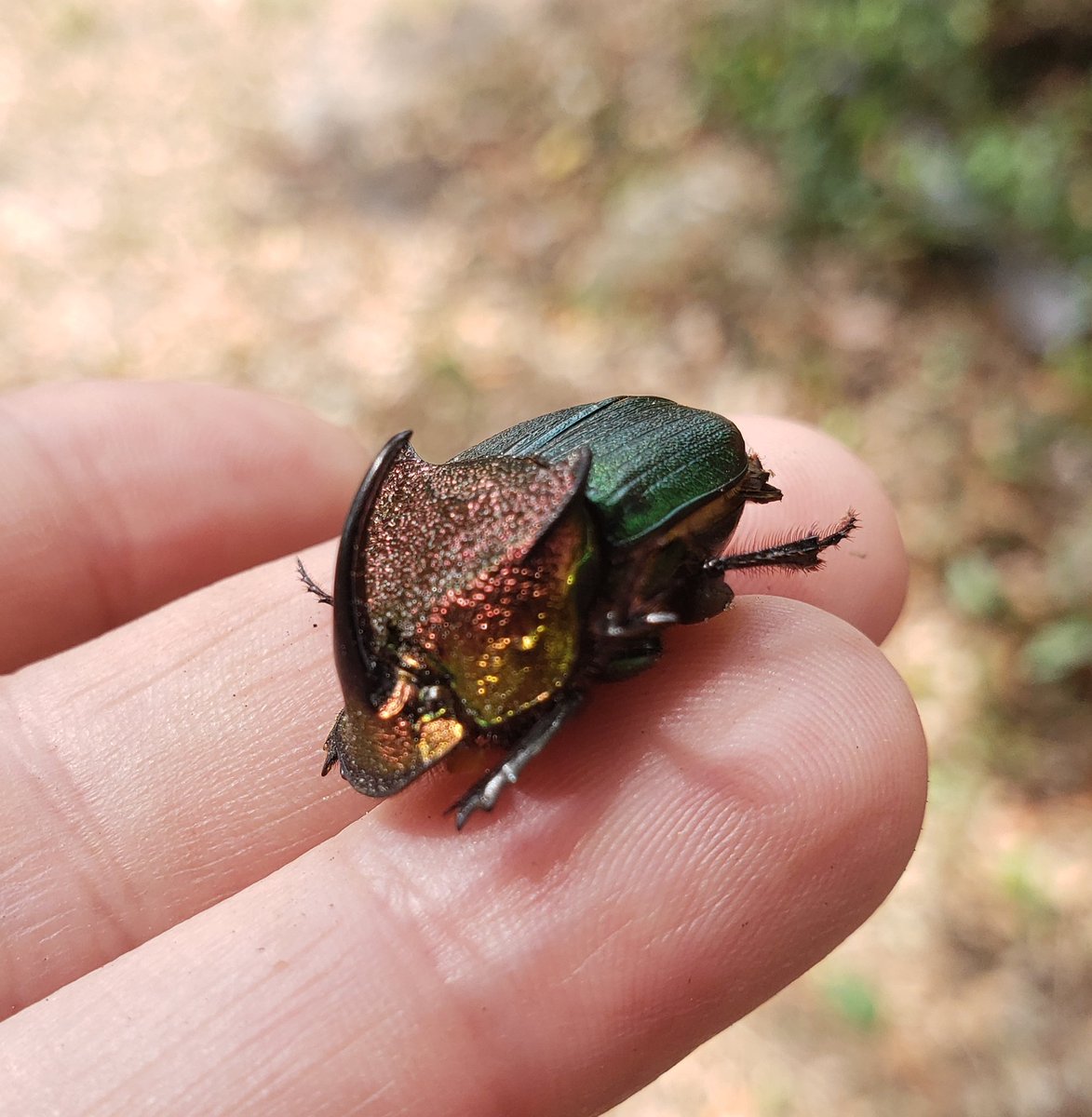
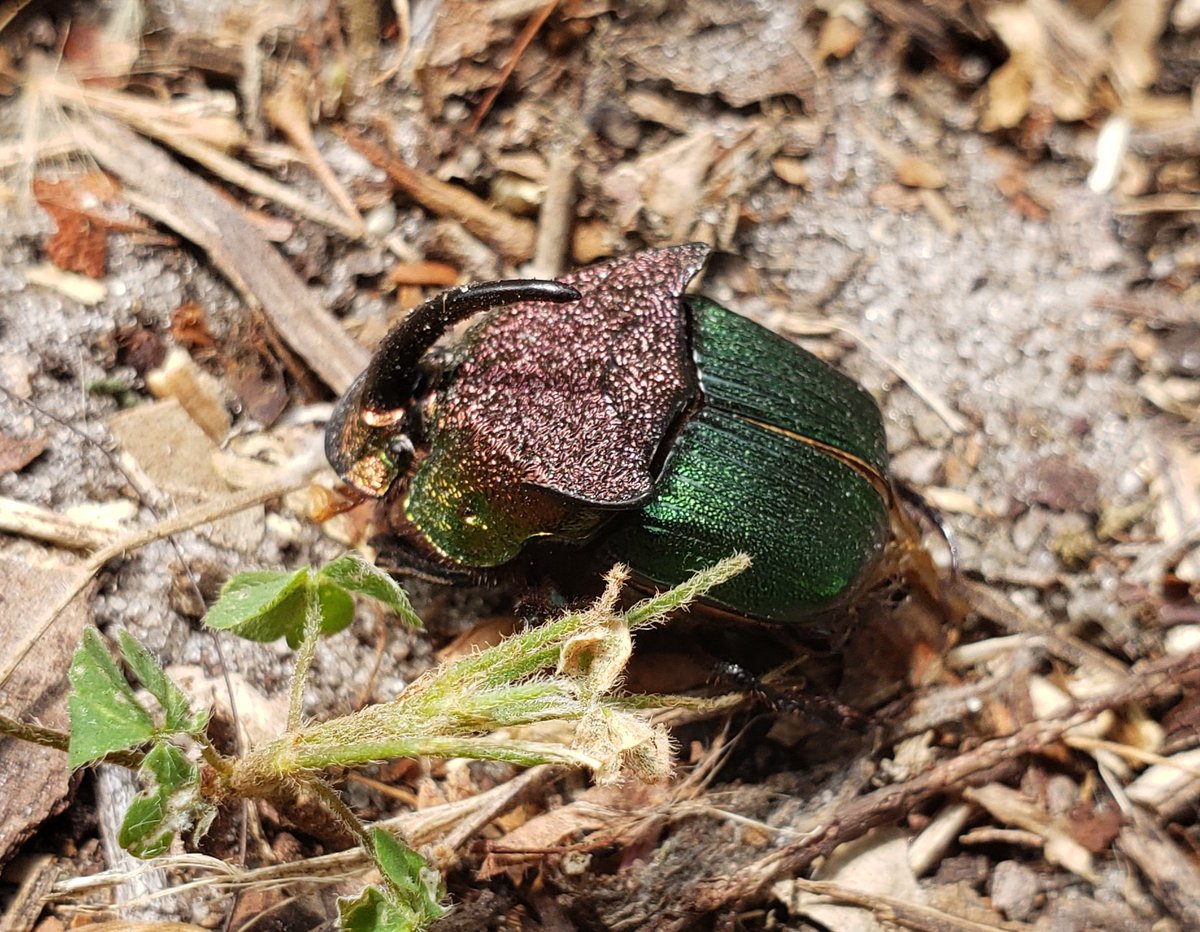
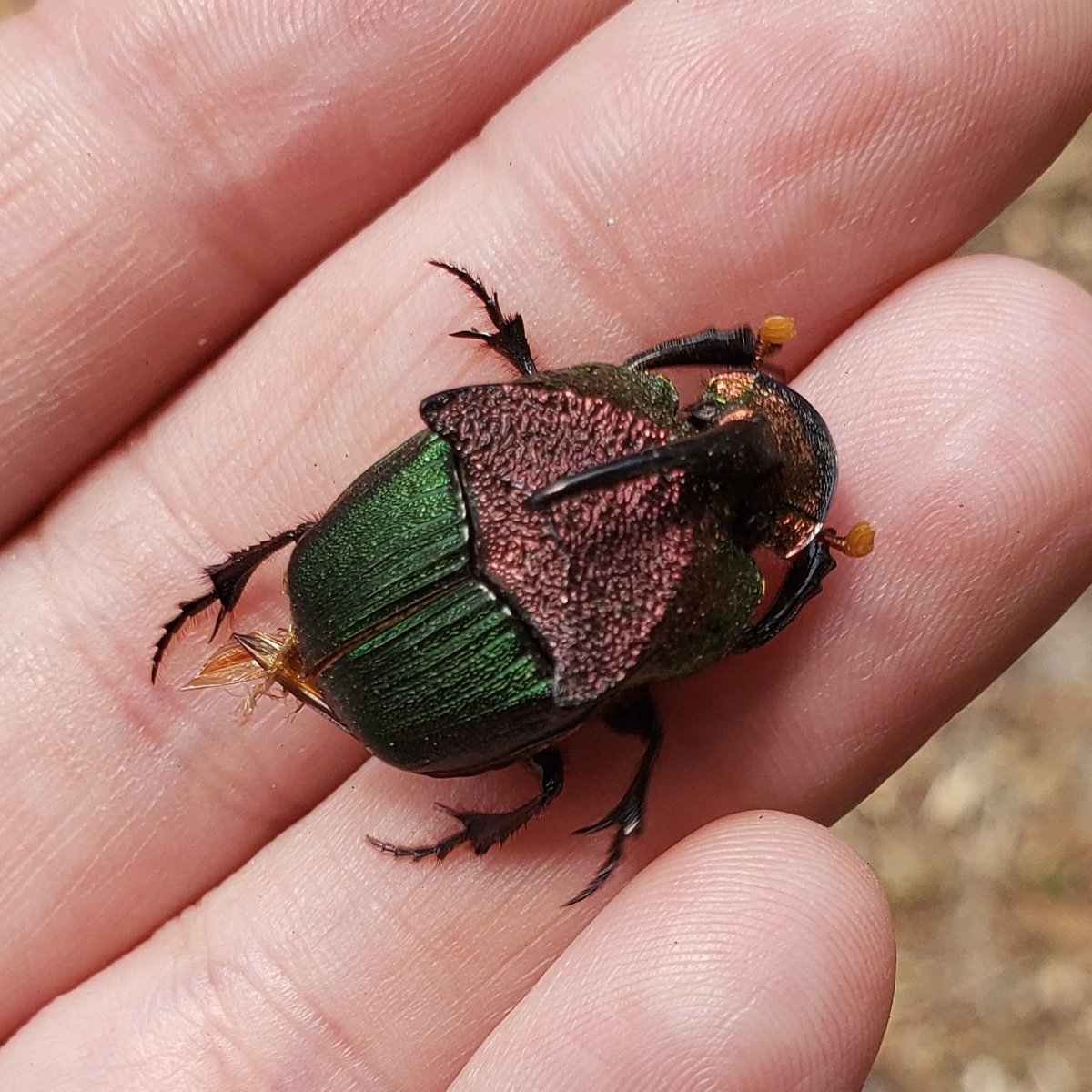
Today's submission for the 2020 #InverteFest : the aptly named Rainbow Scarab, Phanaeus vindex. This beauty was found while digging in my garden... what a stellar dung beetle! #backyardbugs