Fold is now trading on Nasdaq under $FLD.
A bitcoin financial services company built by bitcoiners for bitcoiners with over 1,000 bitcoin in treasury. LFG.
The nuclear power renaissance is in full effect. With energy demands of AI resulting in the increase of data centres across the globe, this is definitely an area to watch. $OKLO $NNE
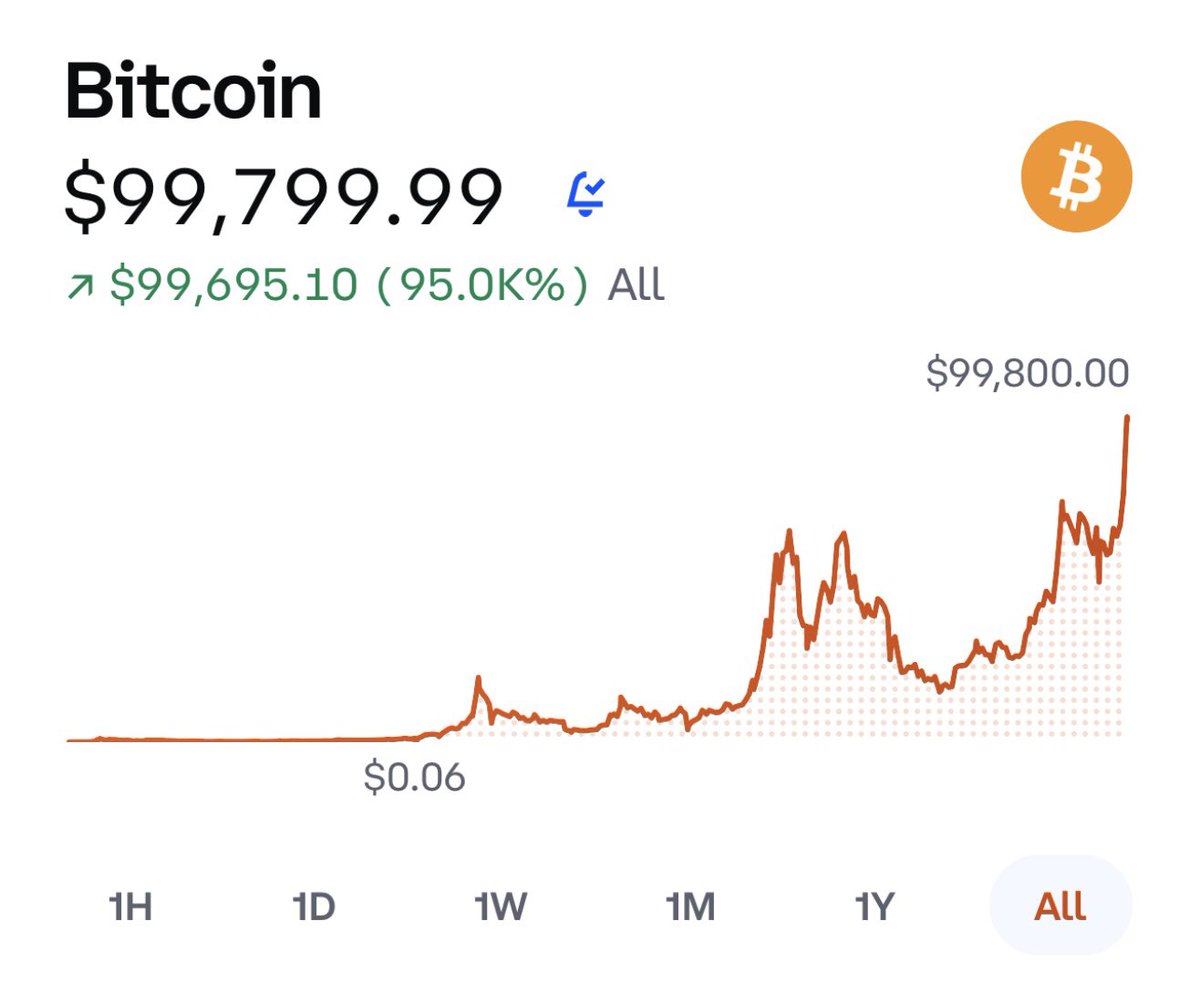
When Bitcoin hits $100,000 I will give 1 BTC to one person who follows me.
The rules are simple:
- like this tweet, follow me and RT
- comment “100k incoming”
Let’s go! $BTC #bitcoin
@gregisenberg For smaller businesses that may not have a support desk, could a similar approach be taken with use of things like google reviews, trust pilot etc?
ideas on how to compete with $100B saas companies:
- intentionally limit features (focus on core value)
- give affiliate program 50% cut until $1M ARR (then lower)
- shift from monthly subscription to "quantum pricing" (dynamic based on usage/value)
- kill your best-selling plan (force upgrades)
- "trojan horse" free tool strategy build a free, standalone tool that solves one problem perfectly use it to capture leads and upsell your main saas
- make your saas more niche than the competition
- turn your website with the sole goal of getting people on webinars (or workshops or whatever)
- offer "family plans" for B2B
- don't automate everything, add human touch (for key touchpoints)
- "micro-saas acquisition" strategy buy tiny, neglected saas products cross-sell to your existing user base
- create an invite-only tier (exclusivity drives desire)
- build physical product companion (expand ecosystem)
- implement artificial scarcity (drive urgency)
- offer "pay what you want" for 24 hours (viral promotion)
- launch a "feature store" marketplace (monetize add-ons)
- implement "use it or lose it" credits (drive engagement)
- offer "on-demand" live product demos (personalize sales)
create "choose your own adventure" onboarding (personalization)
offer a "pause subscription" option (reduce churn)
implement "earn while you learn" tutorials (gamify onboarding)
- "in-app courses" strategy build learning paths inside your tool become indispensable to users' growth
- make cancellation dead simple (build trust)
- launch a "negative roadmap" (set clear product boundaries)
- implement "collaborative" pricing negotiations (for enterprise)
- make your brand loveable (use @DesignScientist or learn to design)
- create an in-app "shower thoughts" forum (community building)
- launch "CEO for a day" customer feedback program (deep insights)
- offer "pay in content" for influencers (marketing leverage)
- implement "feature auctions" for early access (monetize eagerness)
- create "choose competitor" comparison tool (control the narrative)
- create "customer matchmaking" for networking (add auxiliary value)
- "feature deprecation" as marketing publicly remove bloated features position as focused, user-centric
- add a membership program (discounts, other software, community) to lock them in
- offer "subscription insurance" for hesitant buyers (remove objections)
- create a "price match guarantee" with a twist (match + 10% off)
- offer "competitor data migration concierge" (remove switching pain)
-create "customer advisory board" with equity incentives
- launch "seasonal features" (create FOMO and reengagement)
- offer "pay with your data" option (monetize insights)
- implement "feature leasing" (temporary access for specific needs)
let's go.
@Deliveroo how can I get help with an issue for an order? The in app option 'Order help' function is not working (see error). All my food arrived cold an hour after estimated delivery time. And I was sent an incorrect item.
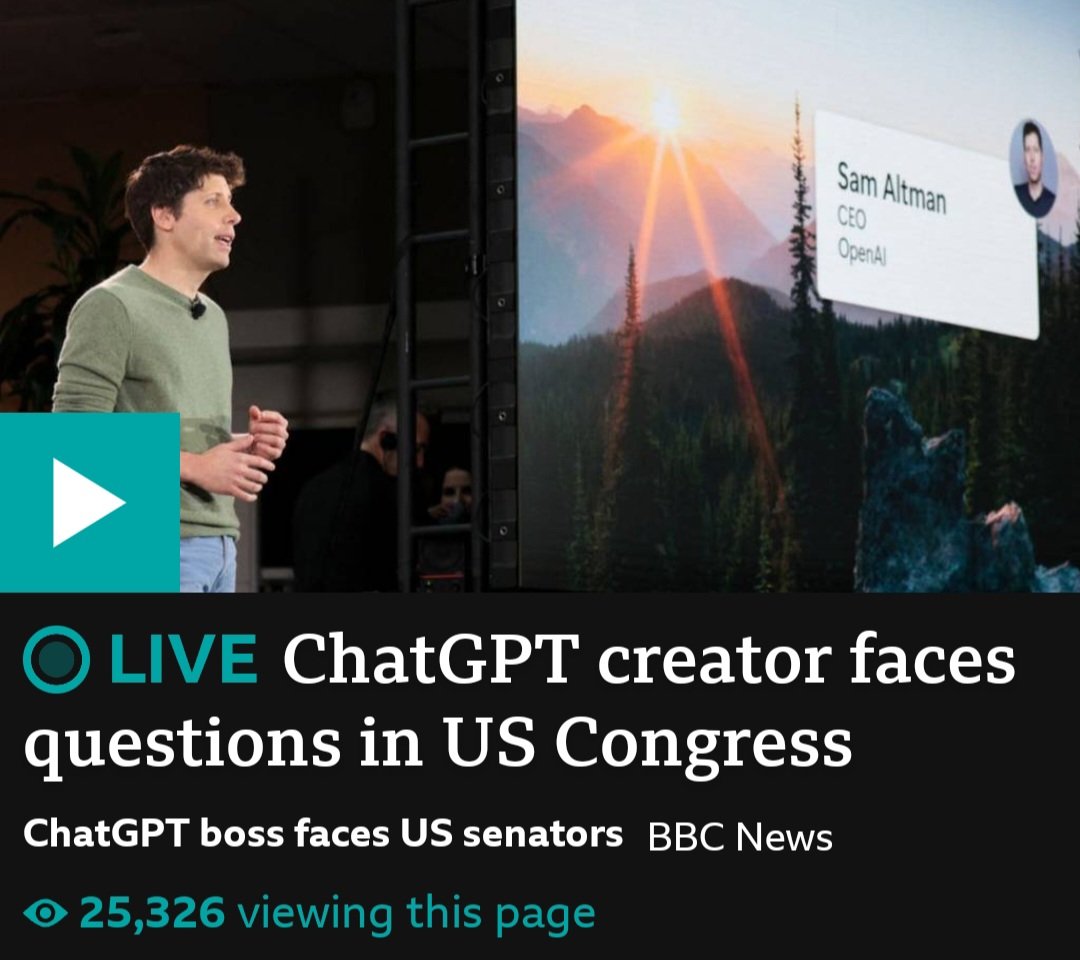
Regulation is required. Even the ChatGPT creator has concerns, and the risks seem to be even worse than predicted. Watch live in @BBCNews: https://t.co/0ostibS50q
build exponentially, explaining the growth. If that is the case, imagine one day we have systems that have been conceptualised and built entirely by AI or with very little human input. 😬
Is doomsday actually on the horizon? It seems the only real threat or negative is AI potentially building and acting without prompts. Although I don't believe the threat is of a Skynet proportion; my only niggling concern is the governance in place that controls the development..
Geoffrey Hinton, an AI pioneer, quit his job at Google, where he has worked for more than decade, so he can freely speak out about the risks posed by AI. “It is hard to see how you can prevent the bad actors from using it for bad things,” he said. https://t.co/ahvSZRavfN
of these tools. I almost feel like there isn't any at the moment?! Plus, the rate at which these tools are emerging is just insane! Where did they come from all of a sudden? They are clearly being built on top of, and on top (and so on), of each other, allowing developers to...