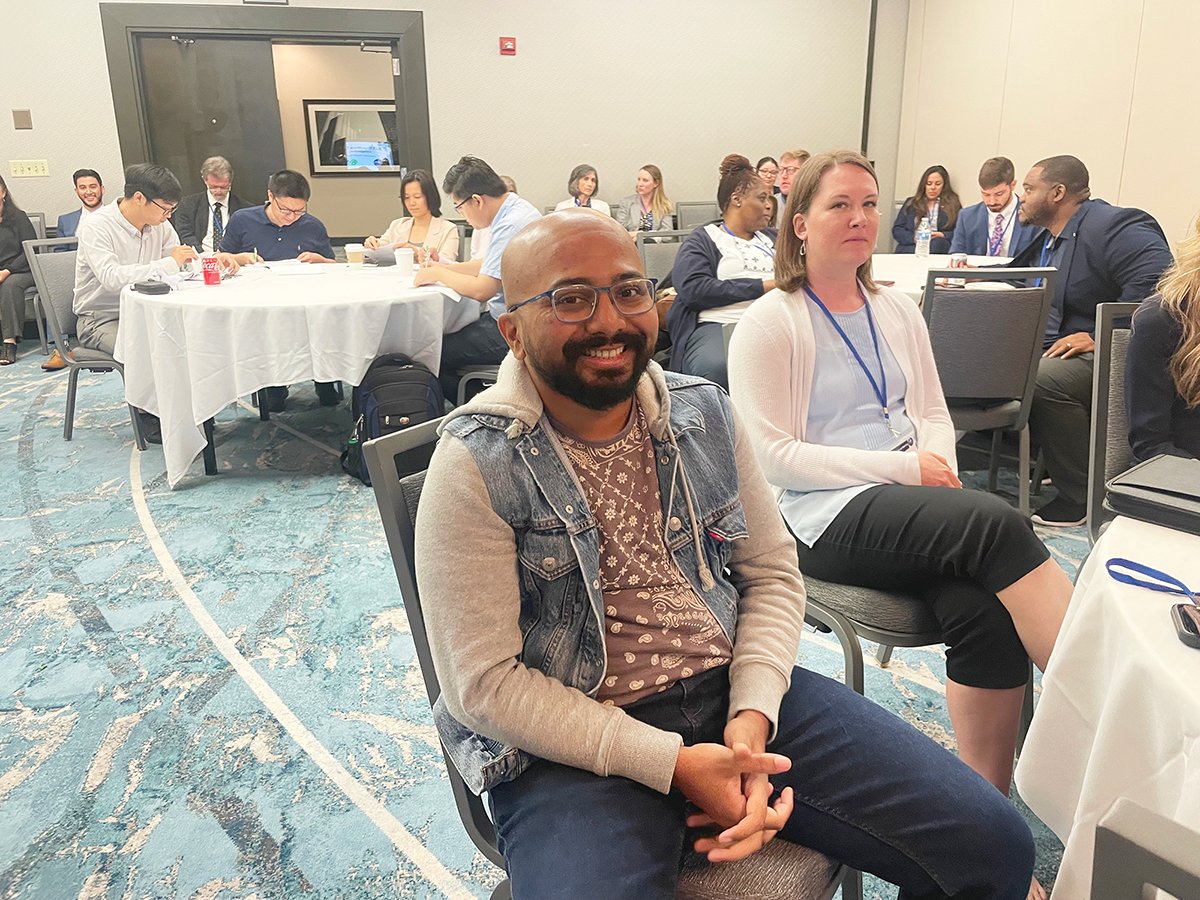
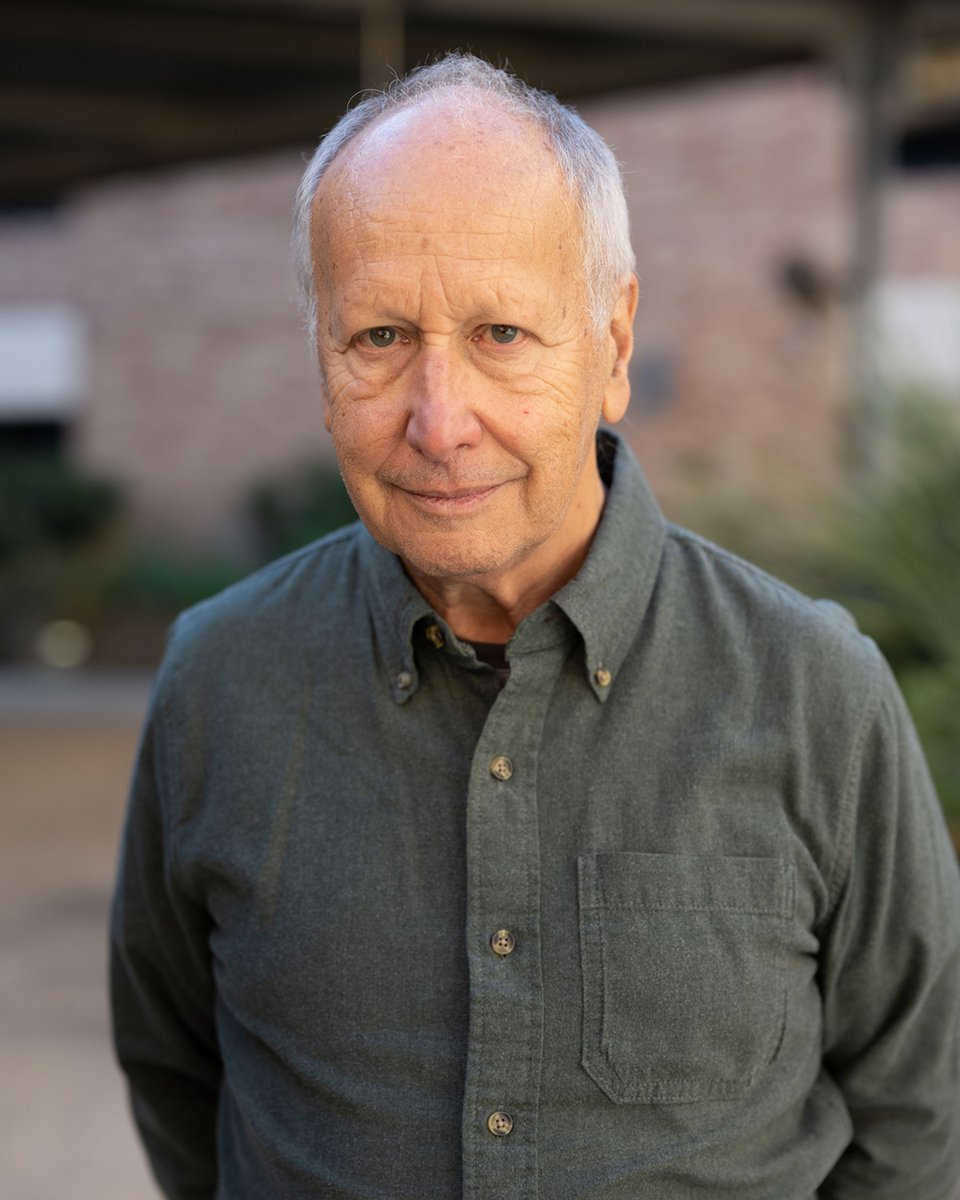
UT chemist Robert Newberry shares how his identity as an out gay man has helped make him a more successful scientist, the importance of challenging preconceived notions and more.
#LGBTQinSTEM#QueerinSTEM#PrideMonth@UTChemistry@UTAustin @UT_DDCE https://t.co/iB3FGn24vr
Doing a literature review takes time — a lot of time.
Here's a new workflow that will supercharge your literature review.
You can learn this workflow in 15 min.
@UTAustin Graduate Students: Will you be an instructor of record or AI in the fall? Interested in creating an inclusive learning experience for students?
Join us and receive a stipend. Apply by June 1⃣8⃣.
@utgradschool@utgsa@TexasPTF@utlibraries
Assistant/Associate Teaching Professor (Professional Track) - Chemistry - Raleigh, North Carolina (US) - North Carolina State University - Department of Chemistry #sciencejobs https://t.co/wqqCDxsycN
Have you heard the news? We're offering a fellowship program for students interested in pursuing careers in genetics! Applications are due in July and you can find more details here: https://t.co/Y9BVlGjXBy
The Welch Foundation is launching a new postdoctoral fellowship program, in conjunction with Life Sciences Research Foundation. The program will support recent PhD graduates from around the world to develop their chemical research careers in Texas. https://t.co/jnrqwgvQnj.
Why Networking Is Vital During Your PhD:
Most people don’t like to network, and it’s often because it feels very “transactional”.
Unfortunately, networking is vital to your career, and you definitely need to put in time and effort during your PhD to grow your network.
So, why is networking so important?
A good way of illustrating the power of networking is to use an analogy, like if you were to buy something. For example, you might be buying a new phone or car.
By default, the only phone, or car, you can buy is one that you know about. You can’t buy something you don’t know about. And the amazing thing is that there may be better phones and cars out there, but you don’t know about them, so you can never buy them.
As such, you are left with only the ones you do know about.
Applying that to your career – if you want to get a job, the only people who can hire you are those who know about you. What’s more, the more they know about you, the fewer questions they have in their minds about you.
For example, one major question potential employers have is, “How well does this person work with others?” If the employer knows you already, then they already have a good idea about you. So, they are more certain about you. That advantage you now have comes directly from networking.
By having a strong network, more jobs automatically become yours simply because you’re known, and other applicants aren’t.
The stronger your network, the better your career will be. So, make sure to network early, and especially during your PhD.
If you want to read more about how networking benefits your career and how to do it effectively, read our book, “100 Tips For Doing Your PhD” where we cover this, as well as 99 other tips to make other aspects of your PhD, like staying motivated, getting a job, and having a good work-life balance much easier and better.
Read it here:
Ebook: https://t.co/x0DDiIVGDL
Paperback: https://t.co/5BGrRswVkX
(We also translated it into Arabic here: https://t.co/UKnrnztbrc
And Spanish here:
Ebook: https://t.co/wRiHDwLTB8
Paperback: https://t.co/I8y2KFJZEv)
We're at the Undergraduate Research Forum today looking for great students that want to stay on The 40 Acres for graduate school.
@FRI_UT@UTexasResearch@TexasScience
This weekend @UTChemistry Ph.D. student Atreya Dey competed in the regional 3MT competition at the Conference of Southern Graduate Schools in Tampa, FL. Way to go! 🤘
Read more about Atreya's win in November that qualified him for regionals: https://t.co/HFwVBZM3P4