Quantifying life cycle emissions can be tricky business, as our fuels program lead @Mittonius explains, but not impossible. Good choices when modeling can prevent the dilution of sustainability criteria and hold airlines accountable. 🛢️✈️🌽
https://t.co/9pCO0acnX9
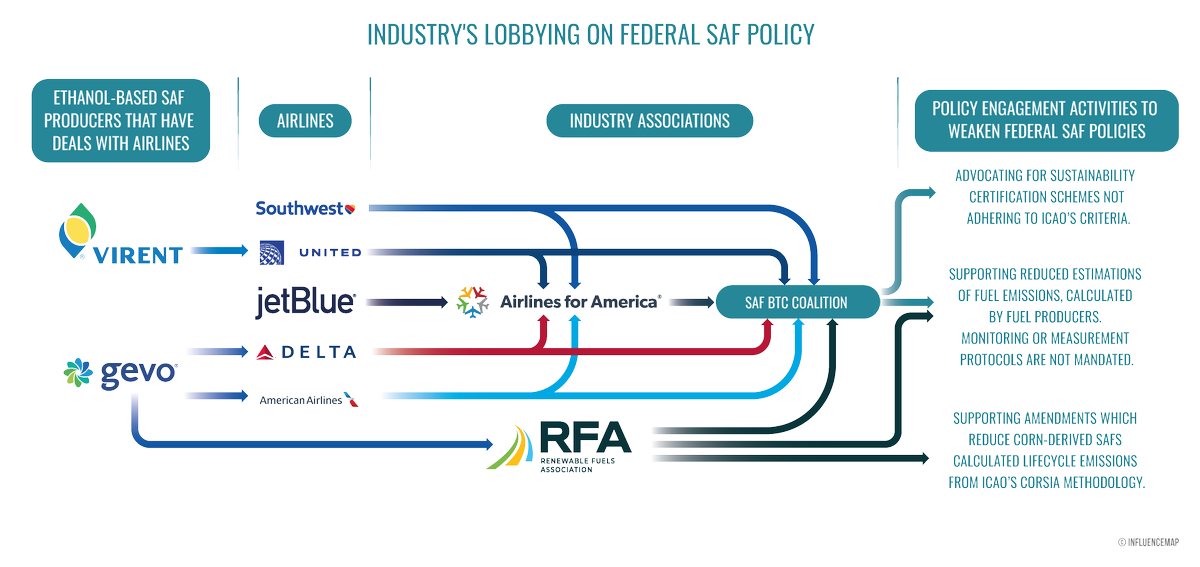
Strongly recommend this fascinating report by InfluenceMap on the lobbying efforts to dilute sustainability criteria for sustainable aviation fuels and direct tax credits to existing, incumbent fuel producers.
https://t.co/zKBjsusvmH
The Fuel EU Maritime regulation introduces GHG intensity reduction requirements for the energy used on board by ships. These reduction requirements range from 2% in 2025 to 80% in 2050.
Recommended reading if you would like to know more about the bold steps that the EU is taking on climate with its trifecta of new & updated fuels policies, the Renewable Energy Directive (RED III), ReFuel EU Aviation, and Fuel EU Maritime. https://t.co/DlmVUqeGbc
We are hiring! Looking for both a Fuels Associate Researcher (DC/SF/Berlin) and Hydrogen Fellow (DC/SF). If you're interested in working on sustainable aviation fuels, advanced biofuels, and hydrogen, please apply by March 15th!
https://t.co/BTkOlHGDJv
https://t.co/ZDXB4q0aj1
📢Over their lifetime, battery electric trucks produced in Europe today emit 63% less GHG emissions than their diesel counterparts.
This is one of the key findings of a 🆕 ICCT lifecycle analysis of trucks 🚚 and buses 🚌 .
Watch our video explainer and learn more 👇🧵
#trucks
My colleague @JayantMukho and I did a deep dive on prospects for decarbonizing CA aviation, and some next steps for reducing aviation emissions via SAFs & Zero-Emission planes. https://t.co/j64nvX5UAr
The #InflationReductionAct gives a significant boost to producers of green hydrogen. But is it enough to create a #green#hydrogen economy?
A new ICCT blog explores the question 🤔💭
https://t.co/yCx0fHer8A
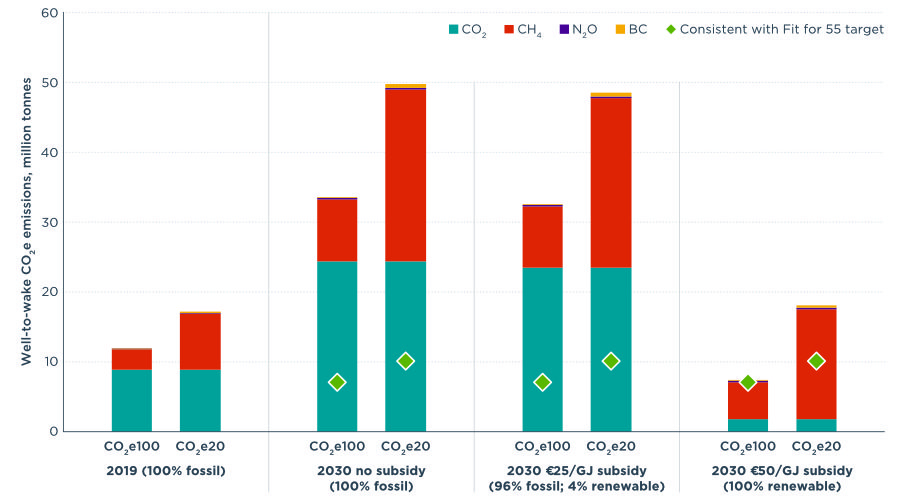
Landmark study by @TheICCT_Fuels,@TheICCT provides sobering assessment of methane emissions for LNG-fuelled ships. Discredits narrative that switch to drop-in fuels like e-methane or bio-methane will reduce greenhouse gas contributions. Free to read https://t.co/IbZ6A64qLC
Careful when switching marine engines to LNG in hopes of a long-term transition from fossil LNG. Deploying renewable LNG to the marine sector may be expensive, supply-constrained and still emit significant quantities of methane.
https://t.co/sLaVoxP393
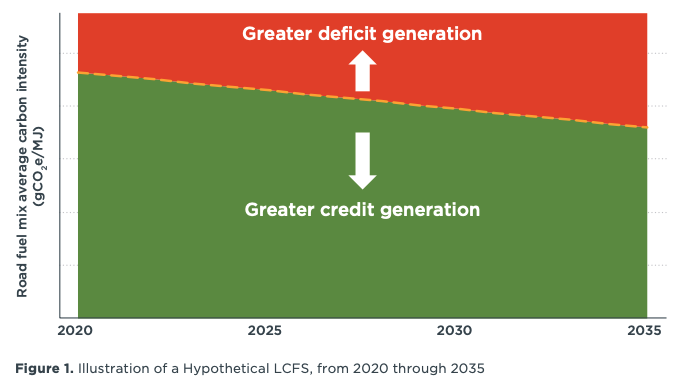
Sept 21st, @TheICCT will host a webinar on the future of the CA Low-Carbon Fuel Standard, with @UCSUSA, @conniedotcho and @cleanaircatf joining us to talk strengthening CA fuel policies, improving equity and reduce reliance on risky biofuels . RSVP here: https://t.co/TWrWudCHEX
Is a National LCFS for the U.S. a good idea? It's not nearly as simple as it sounds. Find out about the opportunities and risks here https://t.co/CFIl48XXKO and our policy recommendations here https://t.co/X67h9AZNe3
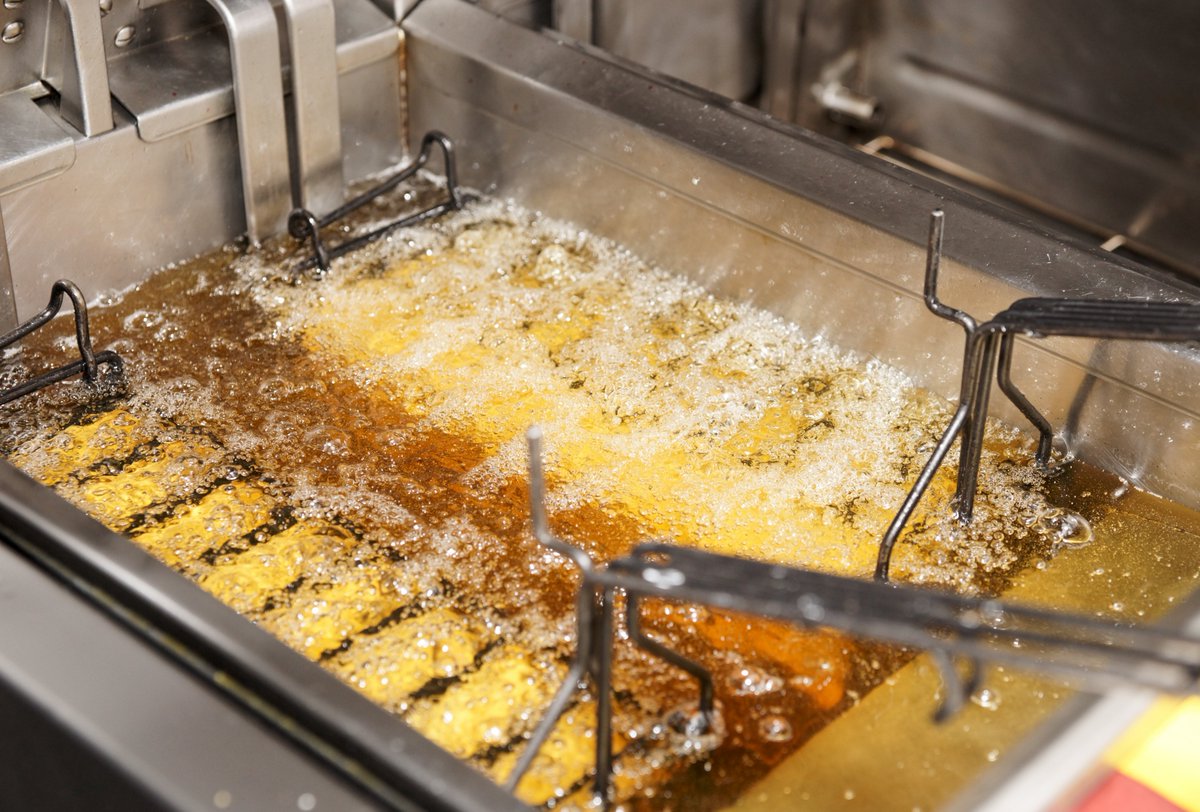
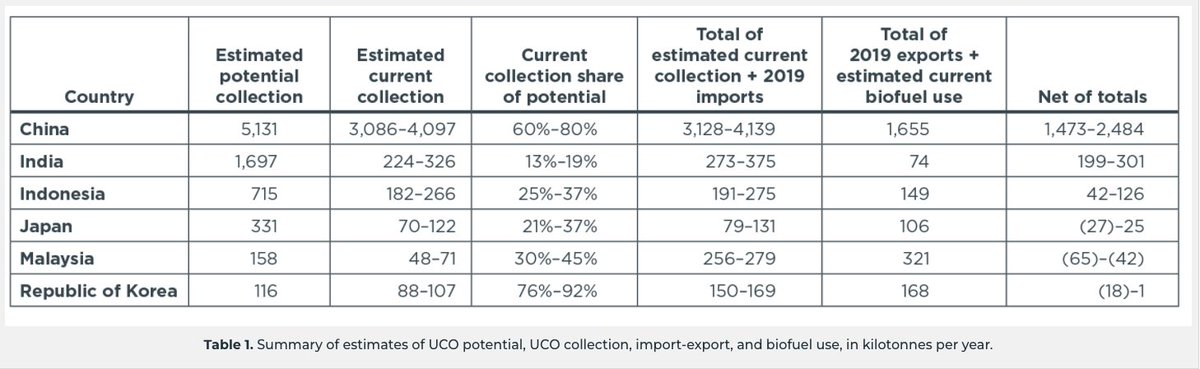
With proposed new 🇪🇺 EU biofuels policies likely to spur more demand for imports of used cooking oil (UCO), NEW analysis estimates availability from 6 major UCO-exporting countries in Asia. Read about why a 1.7% cap on waste oils in new EU regs is prudent: https://t.co/hI2DYJgFFG
It's questionable whether the increasing UCO imports to the EU and US from Asian countries are real - our new in-depth study on Asian UCO supplies and trade shines new light on these doubts and raises the suspicion of fraud: https://t.co/jhQZKYDmdN