Pitt's Surreality Lab was featured in two sessions at AWE USA 2026, a leading conference for extended reality and artificial intelligence. The lab's mixed reality surgical guidance served as a healthcare example in a Dell Technologies and NVIDIA panel, presented alongside Stanford University, and was highlighted by NVIDIA's David Chu during the "Building Physical AI" keynote.
A collaboration between Pitt Neurosurgery and the School of Computing and Information, the Surreality Lab is co-directed by Edward Andrews, MD, and Jacob Biehl, PhD, and develops augmented reality and AI tools that support surgeons in the operating room.
Learn more at https://t.co/CBIpP1YstF
Emerging technology from Carl Zeiss Meditec: Artificial intelligence prediction of nonenhancing brain tumor malignancy based on in vivoconfocal laser endomicroscopic imaging. #Zeiss#Convivo#Neurosurgery#FrontiersInSurgery
https://t.co/57IzueTqX1
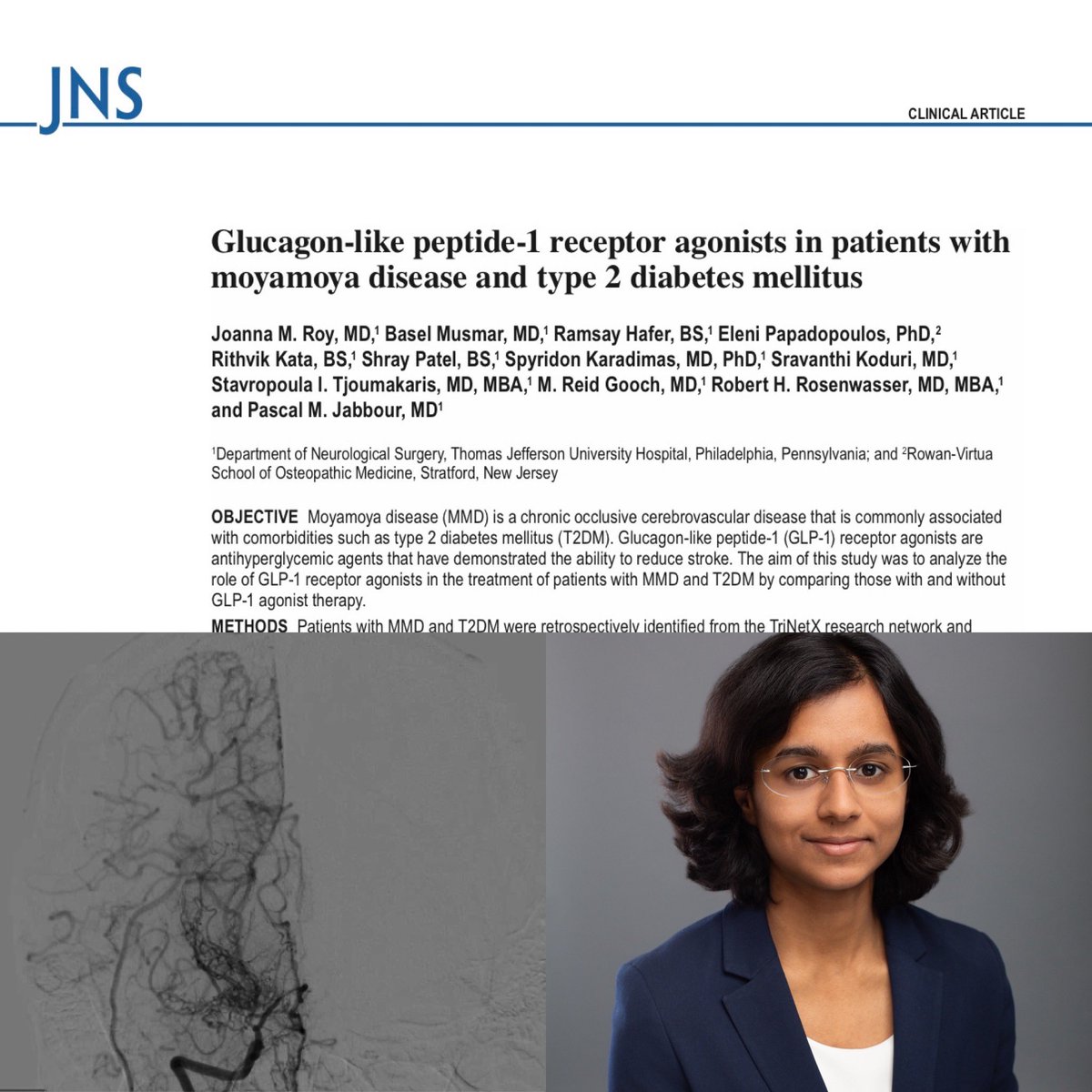
If you have Moyamoya and Diabetes, being on a GLP-1 RA will decrease your risk of stroke by 33%, your risk of ICH by 71% and your risk of death by 66% ! Data curated by the one and only @Joannaroy99 our post doc @TJUHNeurosurg soon to be a neurosurgery resident at UIC @TheJNS
In this @UPMC Physician Journal, see how mixed reality, artificial intelligence, and robotics are being explored to reinvent what’s possible in an operating room. Featuring Dr. Andrews @PittNeurosurg and Dr. Biehl, School of Computing and Information.
▶️ https://t.co/mJjW5GSlVM
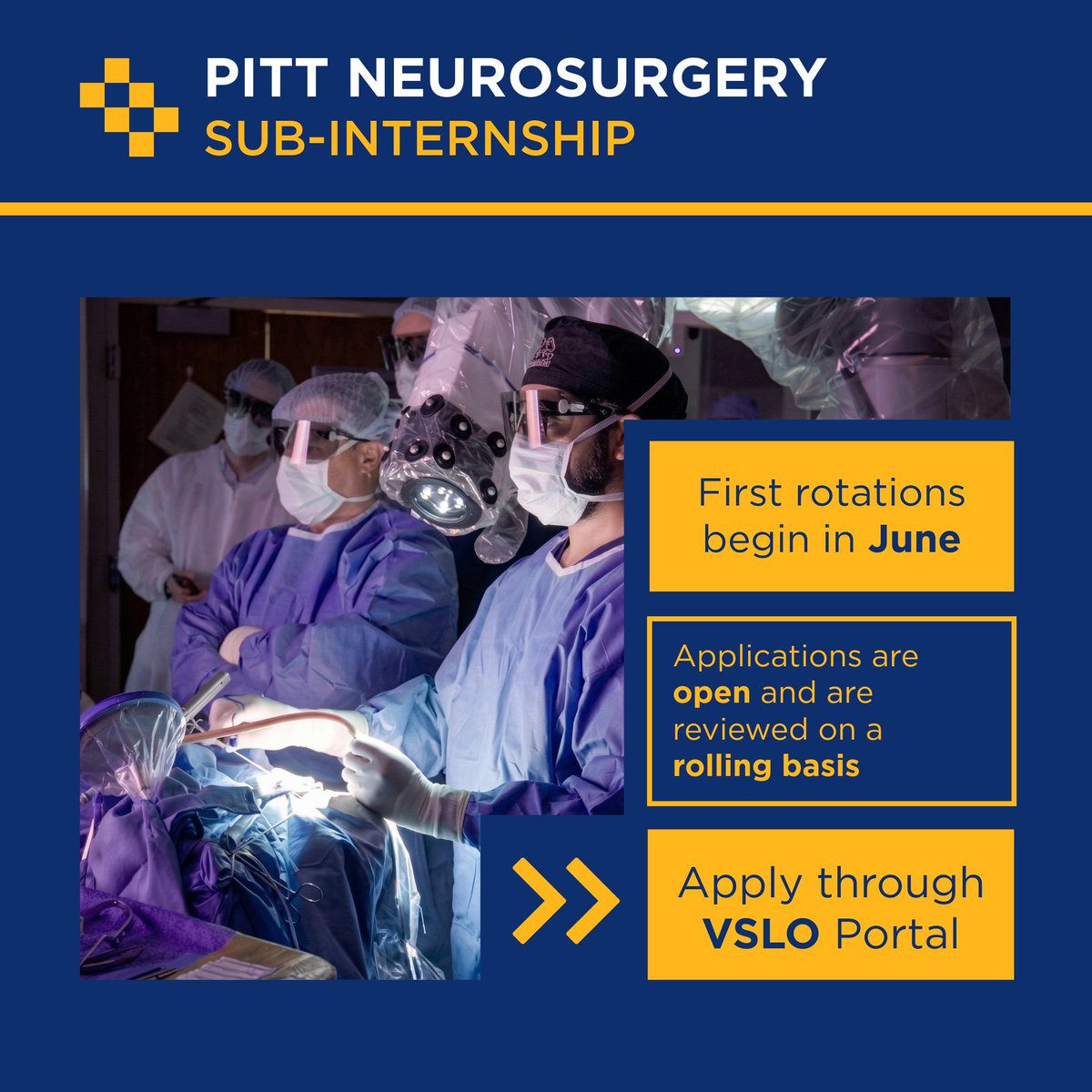
Pitt Neurosurgery Sub-Internship applications are now open through VSLO.
We are currently accepting domestic visiting medical students, with rotations beginning in June. Applications are reviewed on a rolling basis.
Apply early to secure your spot! Read more: https://t.co/LWzEWxy3ml
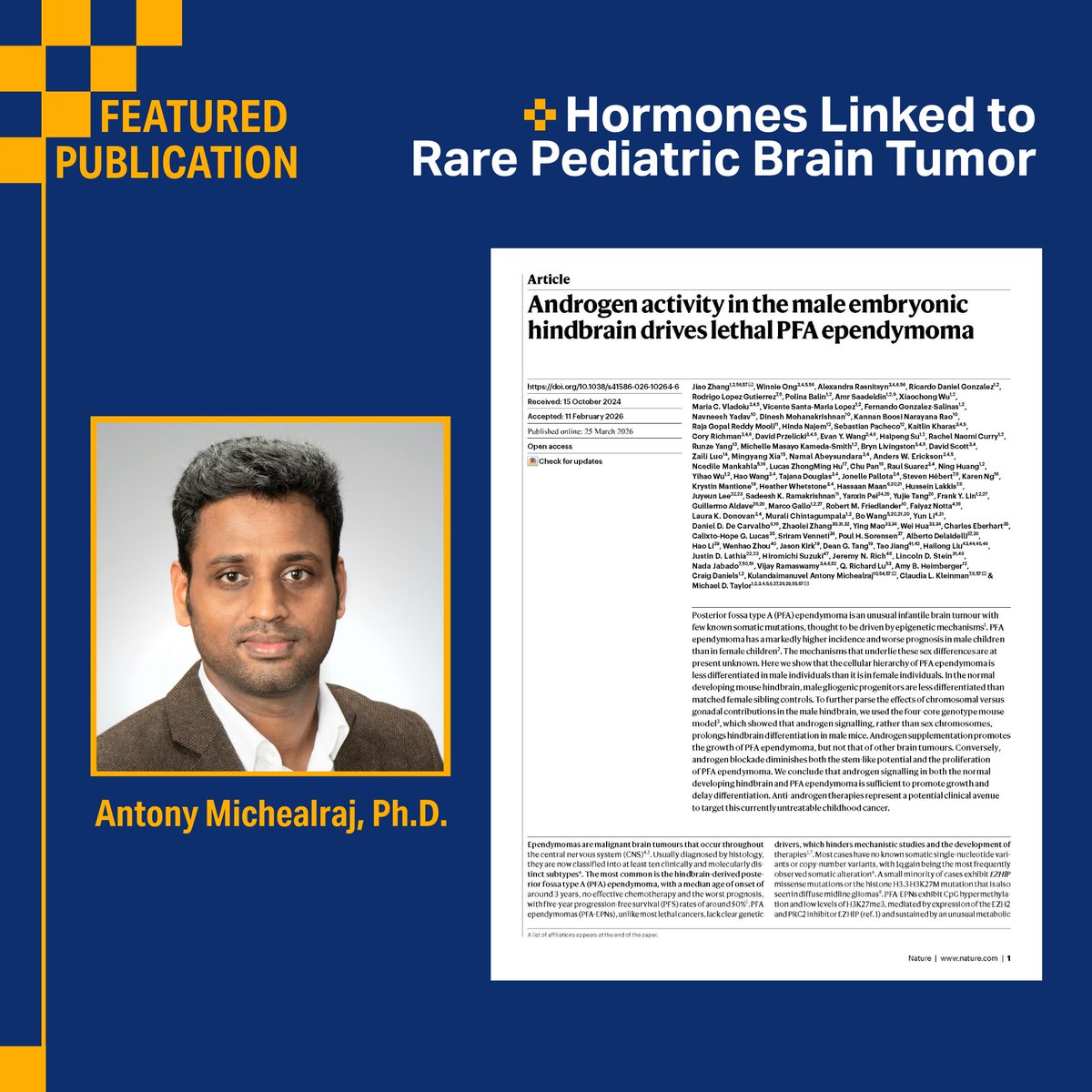
A new study published in Nature, co-led by Antony Michealraj, PhD, has identified androgen signaling as a key driver of posterior fossa type A (PFA) ependymoma — an aggressive brain tumor affecting infants and young children that lacks the genetic mutations typically seen in cancer.
The research explains the tumor's higher incidence and severity in boys and demonstrates that blocking androgen signaling in preclinical models reduced tumor growth, offering a foundation for future therapeutic investigation. This work will continue at @ChildrensPgh.
Read more: https://t.co/5o8I5RCMua
We're honored to welcome Fred Barker, MD, Professor of Neurosurgery at @harvardmed and Visiting Neurosurgeon at @MGBneurosurgery, as the 2026 Peter J. Jannetta Lecturer.
Dr. Barker will present on generative AI in neurosurgical research and skull base oncology during a full day of programming on Wednesday, April 1.
Named in honor of former department chair Dr. Peter Jannetta, world-renowned for his development of microvascular decompression surgery, the annual lectureship celebrates innovation in neurosurgery.
Read more: https://t.co/xhQOlR4OWS
Representatives of our Neurotrauma Clinical Trials Center led by David Okonkwo, MD, PhD, and Ava Puccio, RN, PhD, are honored to be participating in the @ChuckNollFdn for Brain Injury Research symposium at Acrisure Stadium today.
Thank you to this foundation for past, current and ongoing funding for brain injury research.
Read more here: https://t.co/VWssXboF9Y
NEW CLINICAL DATA:
The GammaTile team sat down with neurosurgeon Matthew J. Shepard, MD, for the latest episode of our NeuroNexus Webinar Series, “Local Control and LMD After Resection and GammaTile Brachytherapy for Newly Diagnosed Brain Metastases: Results from the STaRT Registry.”
Dr. Shepard discussed key findings from the Prospective Registry study published in the Journal of Neuro-Oncology, which reported high local control and low overall toxicity at 12 months in patients with newly diagnosed brain metastases.(1)
Watch now: https://t.co/pyW2FBLsk4
Quotes are based on the personal experience and learnings of the featured healthcare professionals.
See full prescribing information at https://t.co/VWHLv1B9xq
REFERENCE: 1. Kite T, Hanft S, Zeller S, et al. Local control and leptomeningeal disease after resection and GammaTile brachytherapy for newly diagnosed brain metastases: results from a prospective study. J Neurooncol. 2026;176(3):199.
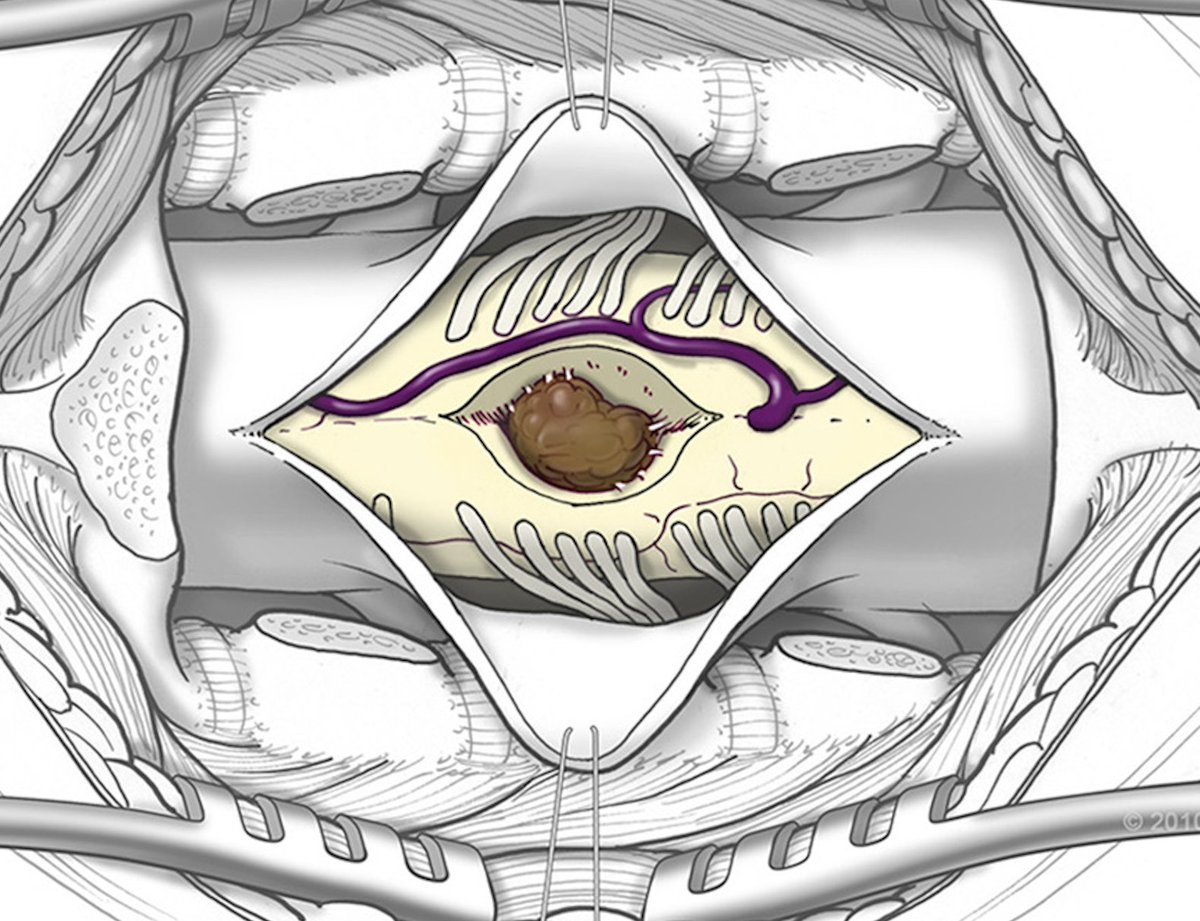
Watch this #SevenSeries video showing this T1-3 thoracic laminectomy, midline myelotomy, resection of spinal cord ependymoma, on our website @BarrowNeuro by clicking on this link… https://t.co/J7JSfScET4.
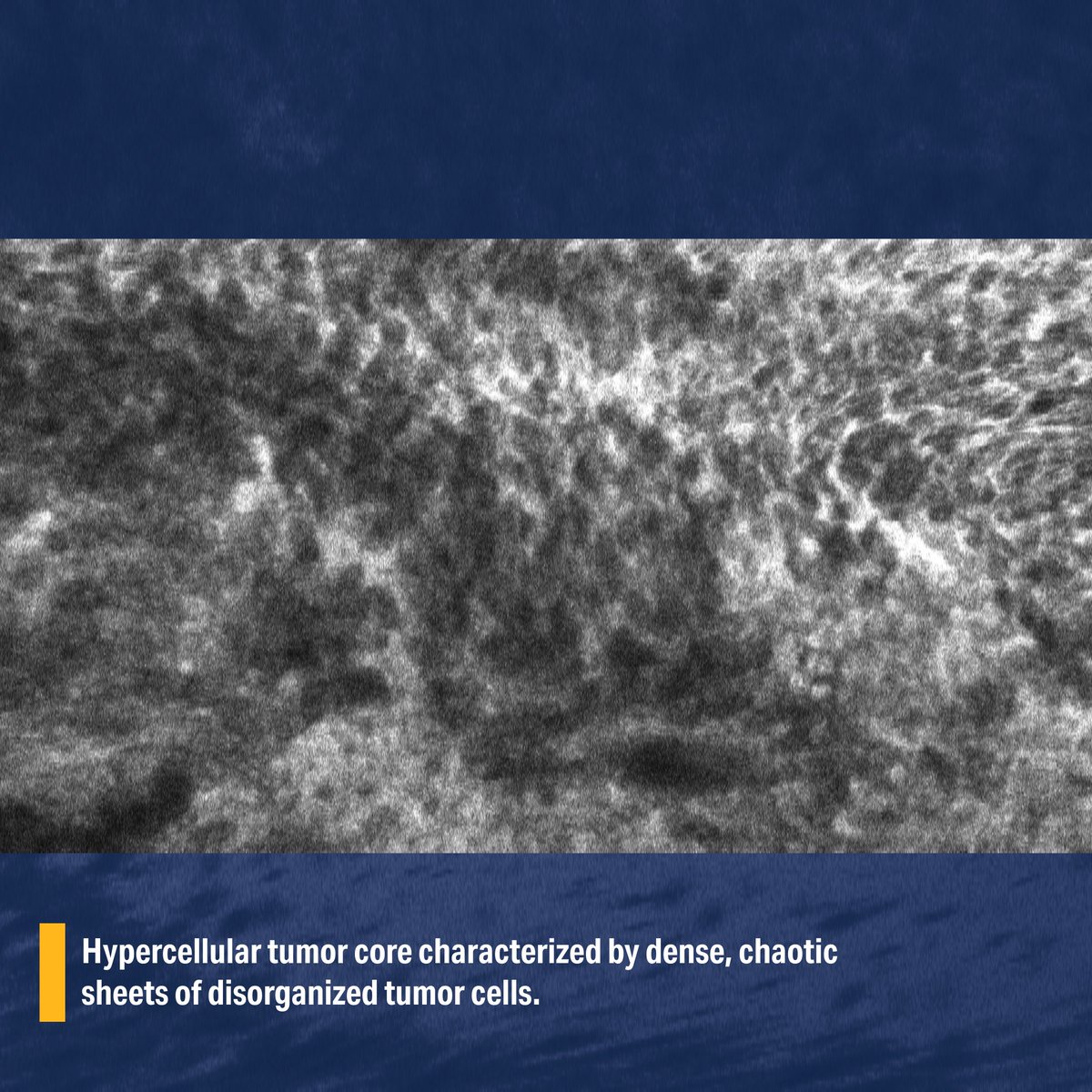
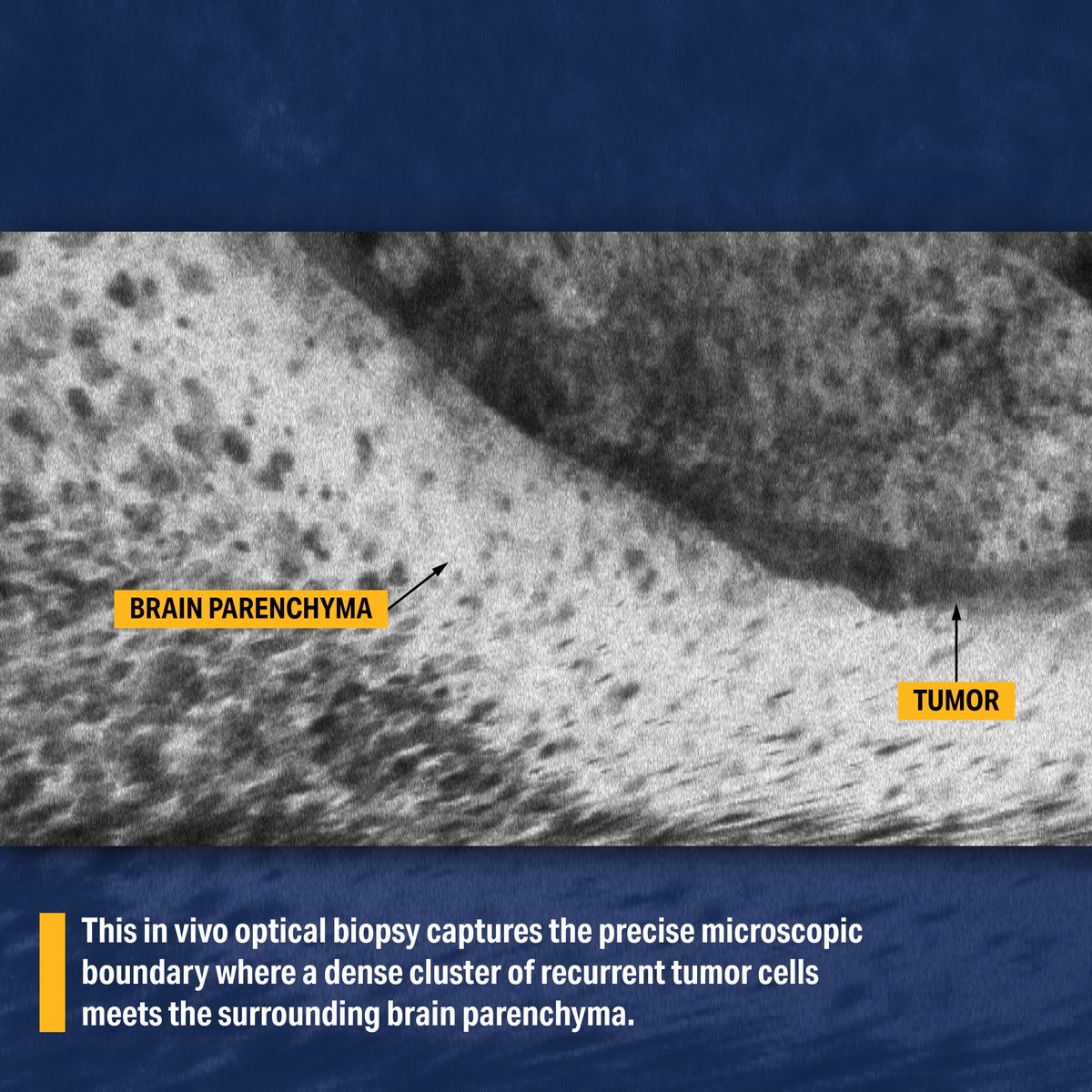
@UPMC Visualizing tumor-brain boundaries, differentiating neoplastic infiltration from white matter fiber tracts, and identifying 5-ALA fluorescent tumor cell clusters at the cellular level.
Click on each image to view more.
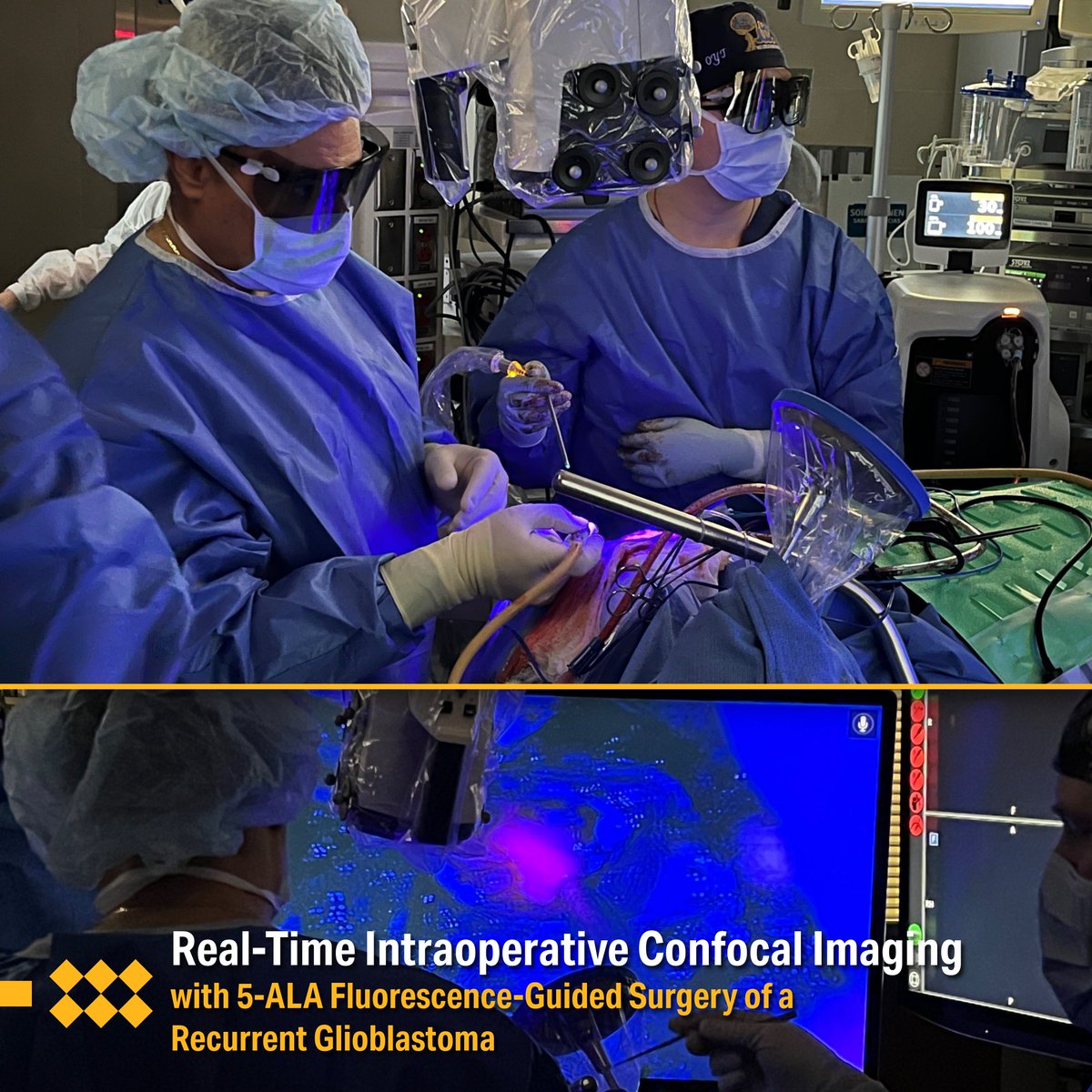
This week, our neurosurgical team performed the first-ever case at @UPMC Presbyterian using CONVIVO intraoperative confocal microscopy, visualizing actual tumor cells at the margin of a recurrent brain tumor in real time, right in the OR.
Combined with 5-ALA fluorescence, this handheld confocal microscope allows surgeons to identify residual tumor tissue at the cellular level during resection, helping guide more precise surgical decisions when it matters most.
Led by Costas Hadjipanayis (@hadjiMDPhD), with PGY-3 resident Oliver Tang, MD, and scrub tech Adam Ferrel.
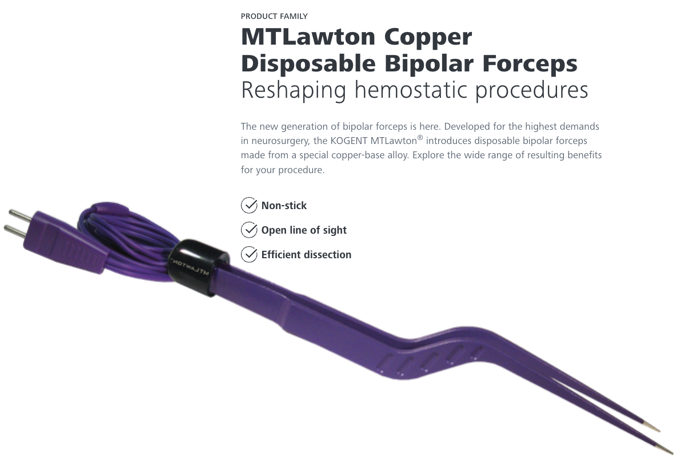
Visualization – seeing exactly what you’re doing – is the essence of microneurosurgery. Illumination and magnification of the microscope is critical, so is hemostasis because it keeps the field clean. Which is why you need the best bipolar cautery in the business: https://t.co/NMf61cZdll
Edward Andrews, MD, will be presenting at @nvidia GTC on Wed, March 18, showcasing how @UPMC and @medivis_ai are transforming the operating room with MAIA, a groundbreaking extended reality and AI platform that gives surgeons real-time conversational access to medical data and advanced image recognition during surgery.
Join Dr. Andrews and Medivis Co-Founder & CEO Osamah Choudhry, MD, for "The AI-Augmented Surgeon: Inside the Operating Room of the Future" to learn how this technology is shaping the next generation of surgical precision and patient care.
Read about the event here: https://t.co/ZiLCU4pfDp
📅 Wednesday, March 18 | 3:00–3:40 p.m.
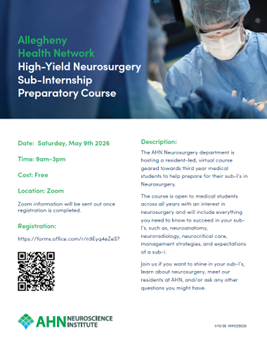
The Allegheny Health Network Neurosurgery department is hosting a FREE resident-led virtual course to help you prepare for your sub-I's on Saturday, May 9th, 2026 at 9 AM - 3 PM. Location: Zoom. Register now: https://t.co/fFzj2PMXhZ
Meet @HannaAlgattasMD!
A skull base & pituitary specialist at UBNS, he trained at Rochester and UPMC, completing advanced fellowships in endoscopic skull base and Sports Neurosurgery. Now serving Western NY at ECMC.
Learn more or schedule via the link in bio.
UPMC Hillman Cancer Center is home to the first-ever U.S. clinical trial using photodynamic therapy to treat newly diagnosed glioblastoma. This groundbreaking approach uses a targeted drug activated by light to destroy residual cancer cells left behind after surgery, while sparing healthy brain tissue.
Featuring @hadjiMDPhD and Jan Drappatz, MD.
Applications are open for the Pitt Neurosurgery Sub-Internship! Rotations begin in June and are reviewed on a rolling basis. Apply through the VSLO portal.
Read more about the process here: https://t.co/C0UgFexN5N