Self-organization in #organoid morphogenesis!
Scientists show that hypoxia-driven metabolic changes trigger cellular responses that drive spheroid-to-planar transformations. @NatureComms
🔖 https://t.co/EpyU29K3zo
This review discusses the recent advances in the use of human #iPSC-derived systems to study #neural repair, spanning 2D cultures, 3D #organoids and assembloids, microengineered axon injury platforms, and in vivo transplantation models. 🧫🧠
🆕: https://t.co/rHrDbAS6rB
🚨 BIG NEWS: The era of in vitro human embryo implantation has arrived! 🧬
We have successfully modeled the earliest stages of pregnancy in the lab using a new 3D "organoid uterus" platform. Published today in @CellCellPress: https://t.co/GSGZiclQRb
Spatial transcriptomics reveals effects of maternal immune activation and microbiome depletion on neurodevelopment
@NatureNeuro https://t.co/71qJW19l4Q
🥳 Congratulations on 1st place in this year's Top Post Countdown!
🧬 This study explores adult bi-paternal offspring generated through direct modification of imprinted genes in mammals.
https://t.co/qyahTEWffy
Our group has discovered a new mechanism that regulates plasticity in the developing brain - led by @NTharuna and team, now online at @NatureNeuro collaboration with @christophkirst@martinucsf@dlswaney https://t.co/3MDiQCYZg5
Loss-of-function variants in the X-linked gene MeCP2 causes #RettSyndrome.
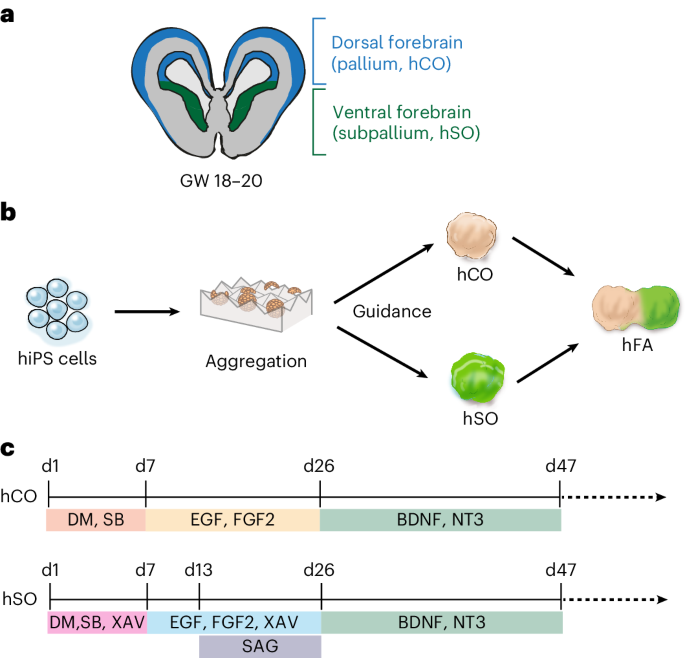
Researchers at @UofCalifornia used hPSC-derived cerebral organoids and human telencephalic assembloids to model early cortical development in the context of MeCP2 deficiency: https://t.co/wNT7lVK8bZ
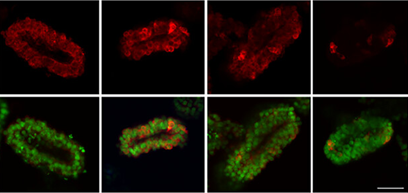
Researchers assessed the effectiveness of multivitamins vs folic acid on prevention of neural tube defects in mouse genetic models and human #organoids.
💡 Discover their findings: https://t.co/2d0jViZ2lu
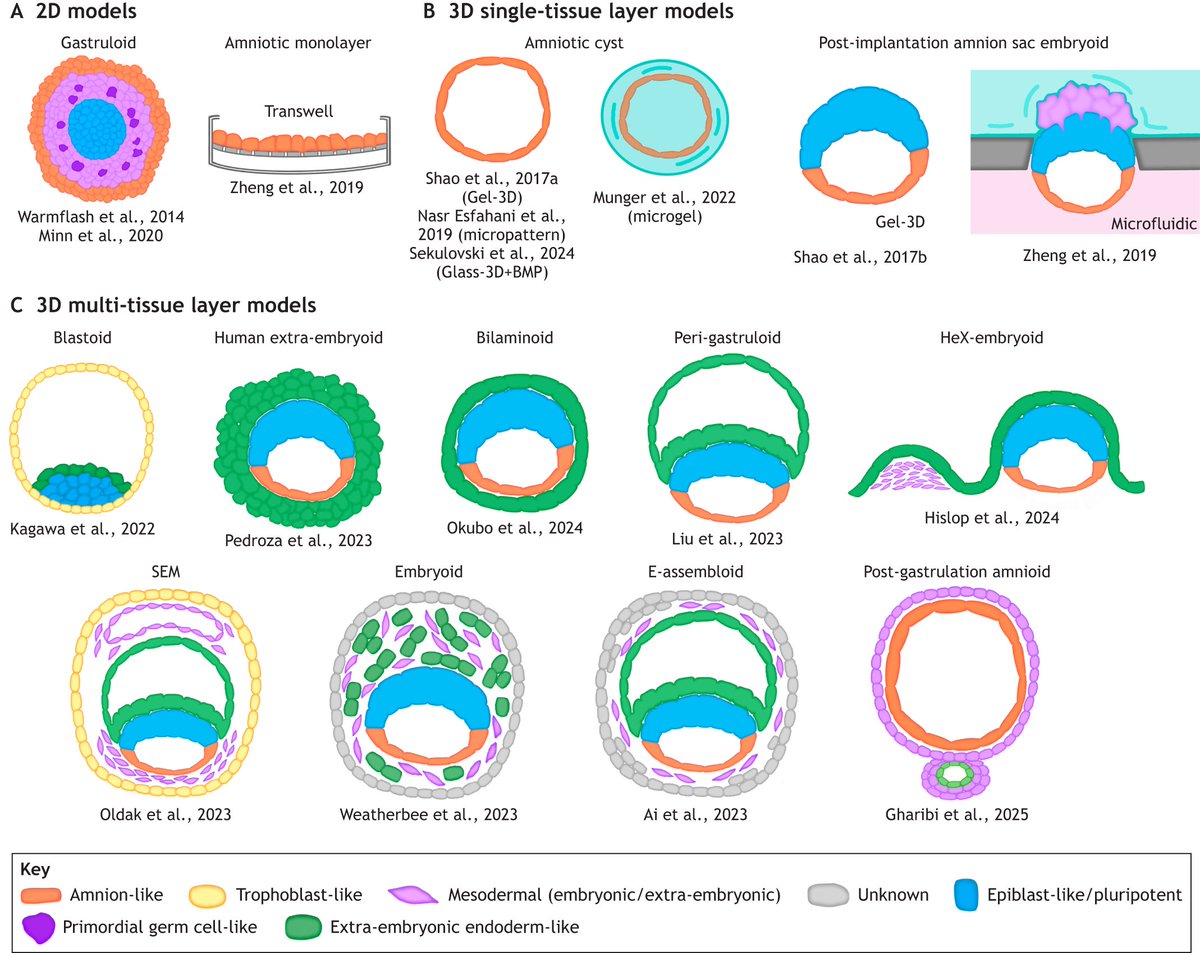
Primate amnion development
In this Review, Nikola Sekulovski, Amber E. Carleton, Chien-Wei Lin and Kenichiro Taniguchi (@TheTaniguchiLab) discuss recent advances in primate amnion development:
https://t.co/4tgC9f5Bxd