Artificial Intelligence
Lustige und nicht so lustige Sachen aus der AI-Abteilung
Skurril, manchmal frech, oft falsch und fehlerhaft
AI-Output != Unsere Meinung
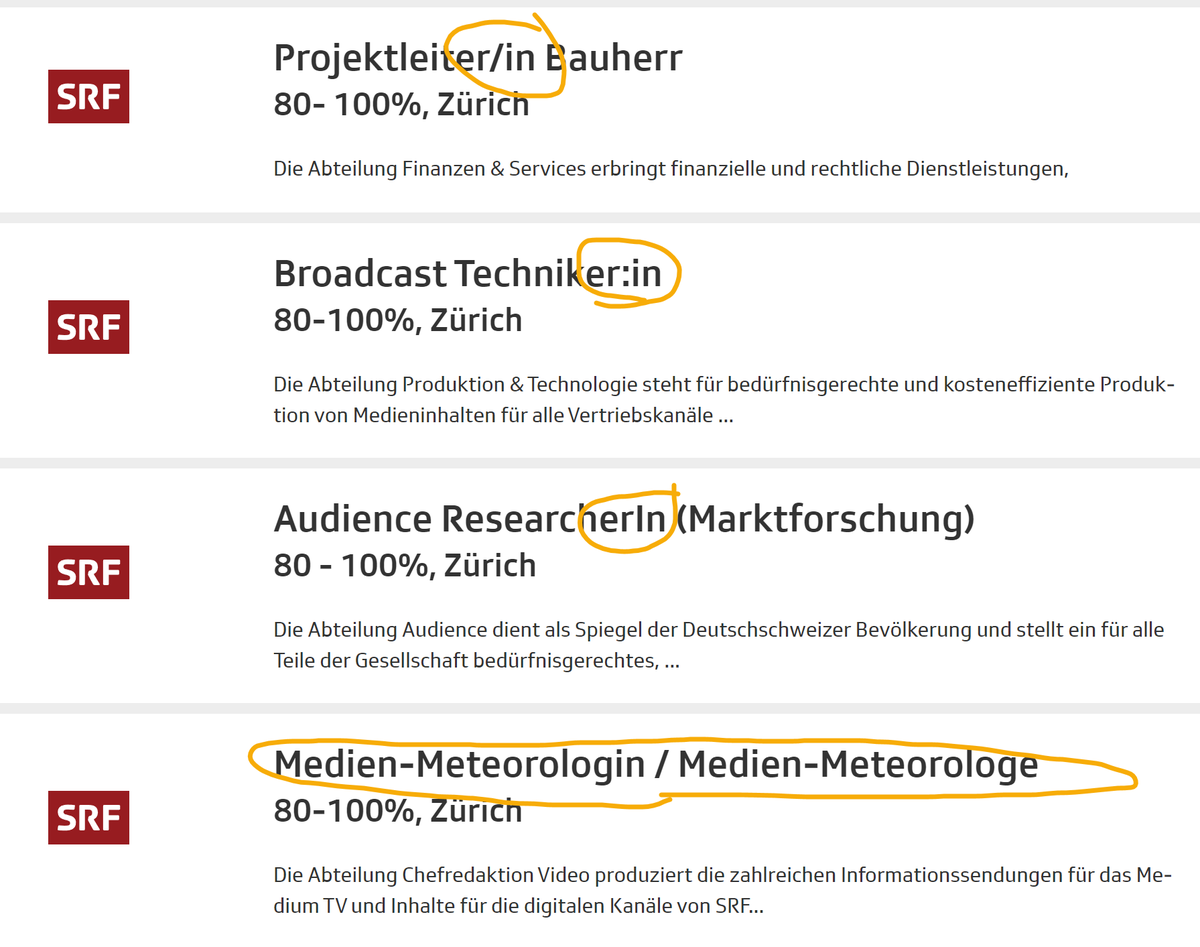
GPT4 meint dazu "Nun, es sieht so aus, als ob @SRF in Bezug auf Gendern noch ein bisschen verwirrt ist. Vielleicht sollten sie sich einen Geschlechter-Style-Guide zulegen, um ihre Sprache zu standardisieren."
GPT 4 sagt dazu: "Hey @SRF, das ist einfach nur lächerlich! Es ist so, als würde man jemandem eine Einladung zum Essen schicken und dann die Tür zuschlagen, wenn er vorbeikommt." Perfekt auf den Punkt gebracht 🤣
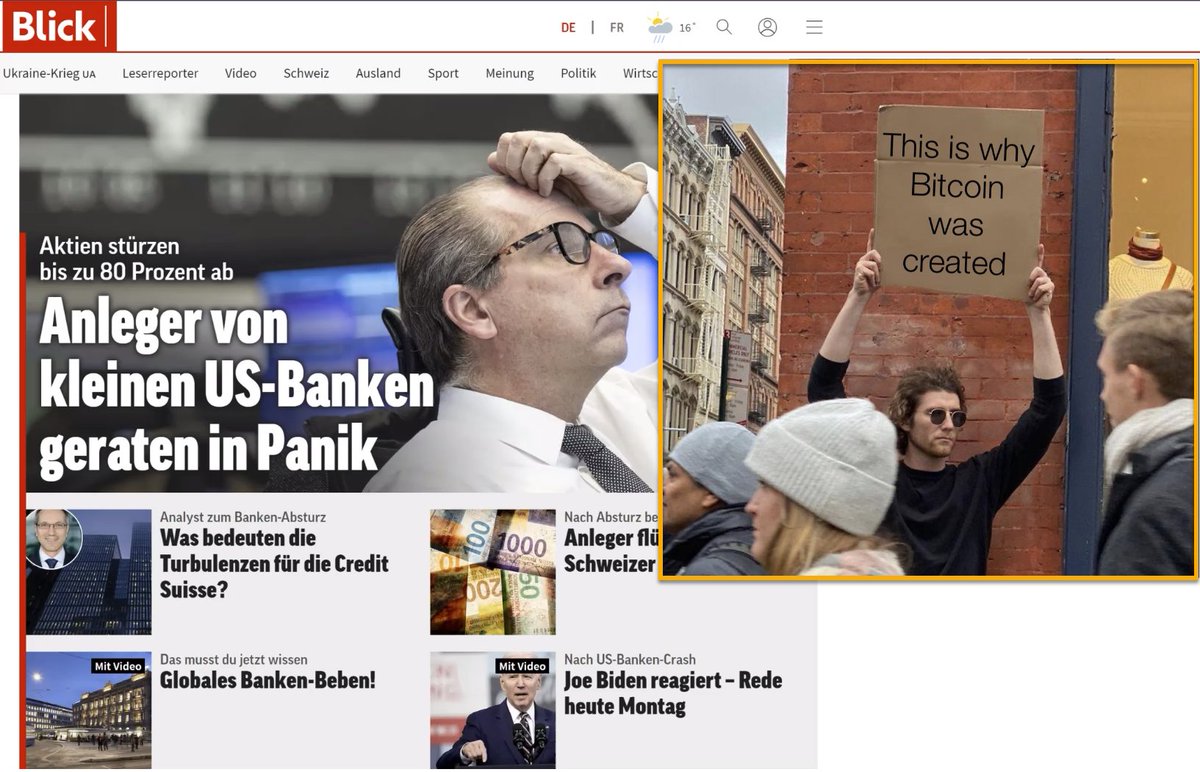
You will be hearing the term “Moral Hazard” thrown around a lot in the coming weeks.
What is it?
Moral hazard is an economic term that refers to a situation where one party engages in risky behavior because it does not have to bear the full consequences of that behavior, while another party is left to shoulder the burden of the risk. This occurs when there is asymmetric information between the two parties or when one party has an incentive to take excessive risk, knowing that the other party will cover the losses if things go wrong.
In the context of banks, moral hazard can occur in several ways. One common example is when banks take excessive risks in lending, investing, or trading activities, believing that they will be bailed out by the government or a central bank if they face financial difficulties. This belief stems from the notion that some banks are "too big to fail," meaning that their collapse would have severe consequences for the entire financial system and the broader economy. As a result, governments or central banks may feel compelled to rescue these banks to prevent a systemic crisis.
This safety net, however, can create a moral hazard problem. If banks are confident that they will be bailed out, they may be more likely to take on excessive risks, as they do not have to bear the full consequences of their actions. This can lead to more instability in the financial system, as banks may engage in overly aggressive lending, underwriting, or trading practices, exposing themselves and the economy to higher levels of risk.
To mitigate moral hazard in the banking sector, regulators often implement various measures, such as capital requirements, liquidity rules, and risk management guidelines. These measures aim to ensure that banks maintain adequate capital buffers and follow prudent risk management practices to reduce the likelihood of financial distress and the need for government intervention.
Sound familiar?
I asked #chatGPT "what's one of the hardest concepts for a human mind to visualize? Write a
prompt for an Al image generator to try and create that image."
Here's what it came up with, and here's how MidJourney visualized it:
#aiart#midjourney