@MithunSarkari yes, sir absolutely every stock is a developing story, how would I trust the management at my first virtual interaction through concall, when finally, we gain trust price runs ahead of fundamentals. Sometimes we get the chance to allocate more.
Wrote a blog on what is ailing this Agchem Giant and what are the triggers that they are building.
It will take time, but doing homework is the priority.
Link to read
https://t.co/9iugtBUVT5
Disclaimer: no recommendation to buy or sell. A pure business analysis.
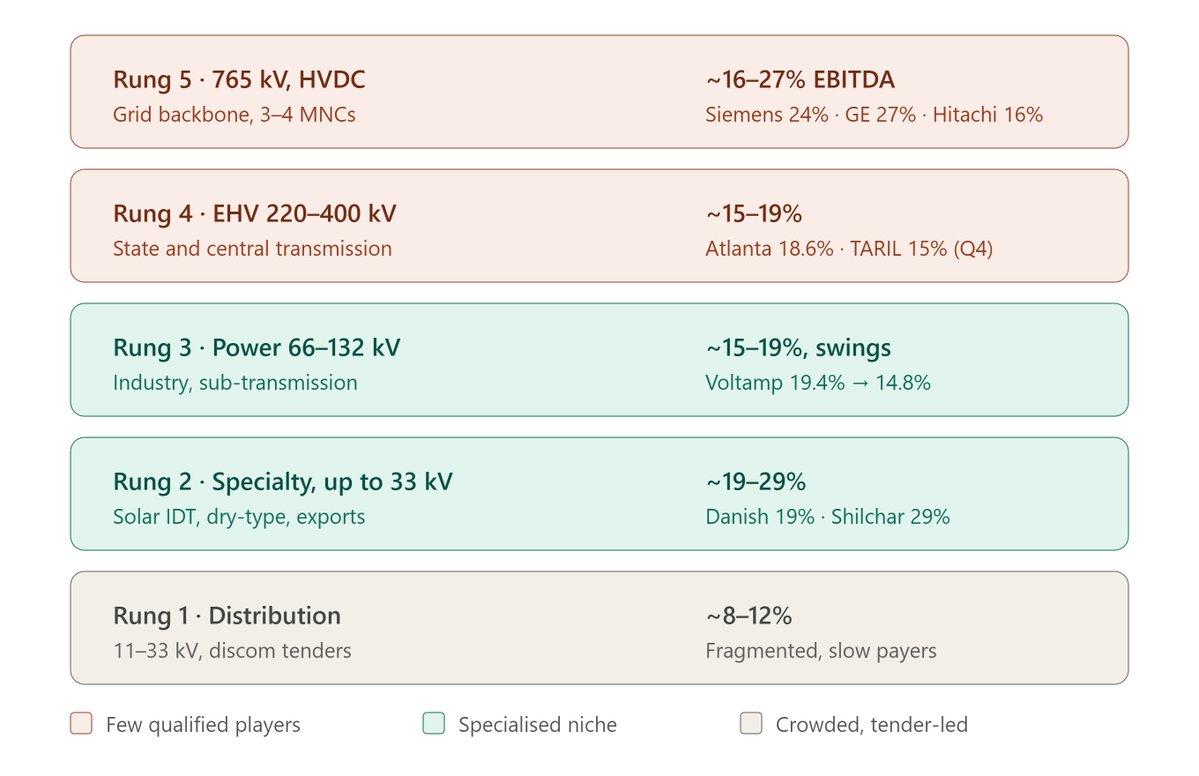
TARIL can build a 1,200 kV transformer. Danish Power's main earner is a 33 kV transformer for solar parks.
FY26 EBITDA margin: TARIL 17.3%. Danish 19.1%
Voltage isn't the moat. Here's the transformer ladder, rung by rung 👇
Rung 1: Distribution. The grey box on your street pole, bought by discoms via tenders. Crowded field, slow payers, ~8–12% EBITDA. Gully cricket: anyone can bat, nobody gets paid.
Rung 2: Specialty. Not a bigger box, a better buyer. Solar inverter-duty, data-centre dry-type, exports. Danish 19%, Shilchar 29% in FY26. Lucrative but fragile: stuck Middle East shipments and a commodity spike cut Shilchar's Q4 margin to 21% and Q1FY27 to a meagre 16%.
Rung 3: 66–132 kV power. Factories and sub-transmission. Margins swing with mix; Voltamp slid from 19.4% to 14.8% in three quarters.
Rung 4: 220–400 kV EHV. The state and central grid, fewer bidders. Atlanta hit 18.6% in FY26 on a richer 220 kV mix.
Rung 5: 765 kV and HVDC. The grid's spine, few qualified makers. Siemens Energy India ~24% in the June quarter. Scarcity is the moat. Everything else is paperwork.
Rung 1 is where the cycle bites first. Hundreds of makers, low entry barriers, lowest-bid tenders. The day discom ordering slows, oversupply does the rest.
Every cycle turns. It just knocks on the door with the thinnest moat first.
Not a buy or sell recommendation
Stay not out
#KnowledgeHandle
Making 1 semiconductor chip needs over 500 different chemicals and 50 different gases. Right now, INOX Air Products makes about 12 of those gases inside India.
Company committed Rs 500 crore to build gas hub right next to Tata fab in Dholera, and plans to add 10 more gases But even after that, 20 to 25 gases still need importing. Getting approved as semiconductor supplier takes 9 to 18 months for each material. Fab itself can start on time, but building all 450 suppliers around it takes years
Tata Electronics signed 16 deals at SEMICON India 2026 to bring global companies into Dholera fab operations. ASML from Netherlands will provide chipmaking machines.
Nexperia will help with chip testing. Fujifilm will start making semiconductor materials locally. Merck will supply very pure chemicals needed for chip production. These partners come from Europe, Japan, Singapore, and India.
India government has received between $11 and $12 billion in proposals from companies that want to be part of semiconductor supply chain here. Each deal brings capability India did not have before
In US, every 1 person working directly in chip factory supports about 5 to 6 more jobs in surrounding economy. Tata Dholera fab in Gujarat plans 20,000 direct and indirect jobs.
Tata assembly plant in Assam adds 27,000 more. Combined, that is 47,000 positions across 2 facilities. On top of that, 450 suppliers will set up inside 363 acre vendor park next to Dholera fab, each bringing its own team.
Rs 91,000 crore investment creates not just chips but full industrial cluster with its own employment base.
just think about Butterfly effect , India will Disappoint yu but surprise yu too :)
@MithunSarkari yes, sir having a considerable capital is also important, when I began that 1% used to be so little. now it is little more, but it has really changed the game
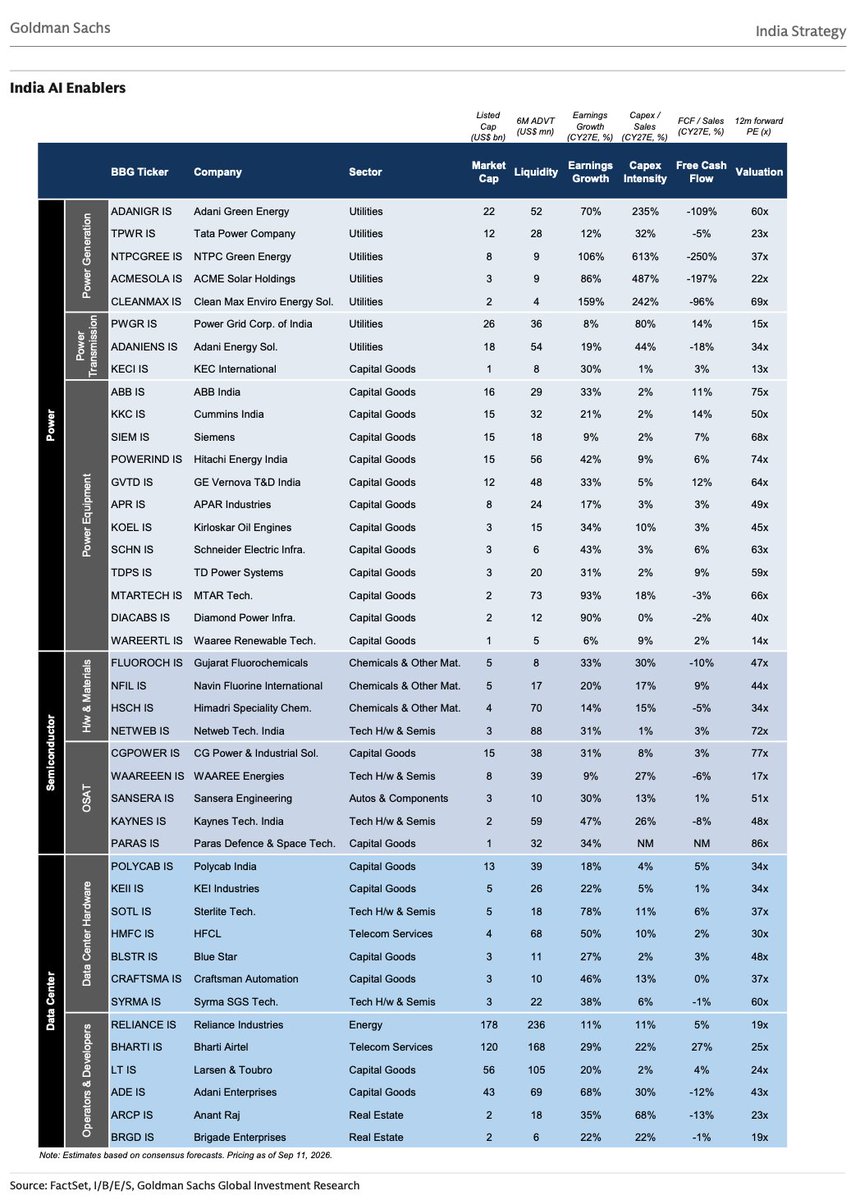
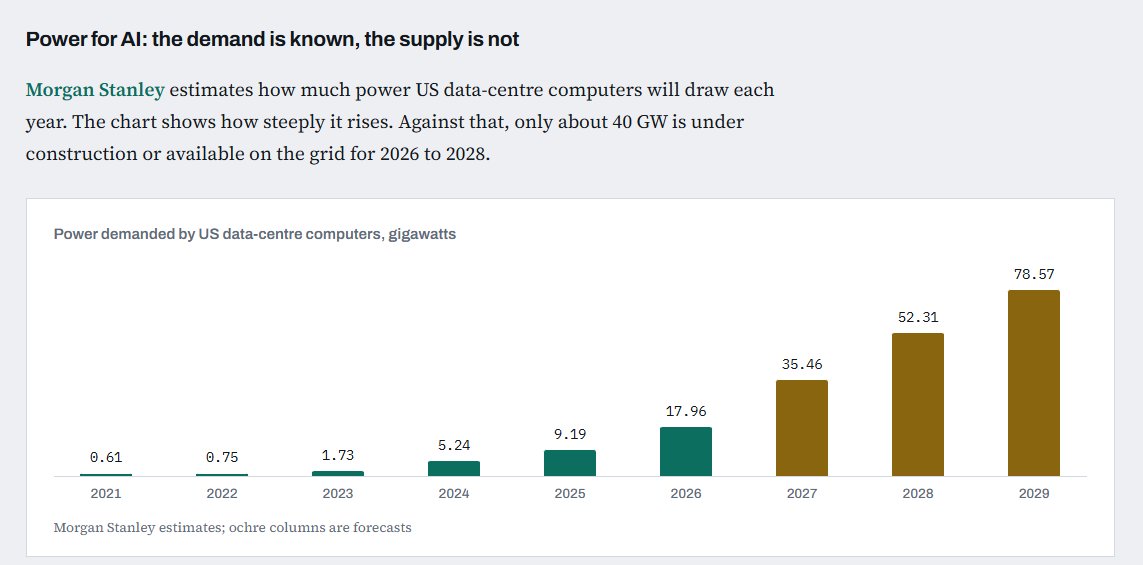
This is why copper, transformers and power equipment are the scarce things in the AI story. The chip makers get the headlines, but a data centre without a grid connection earns nothing. India is trying to make some of these parts at home
India's next Auto Cycle isn't just about EVs.
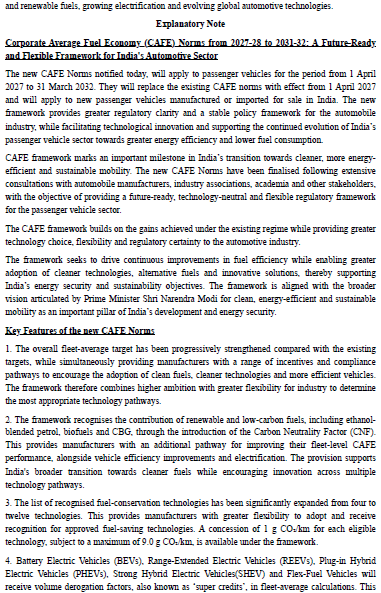
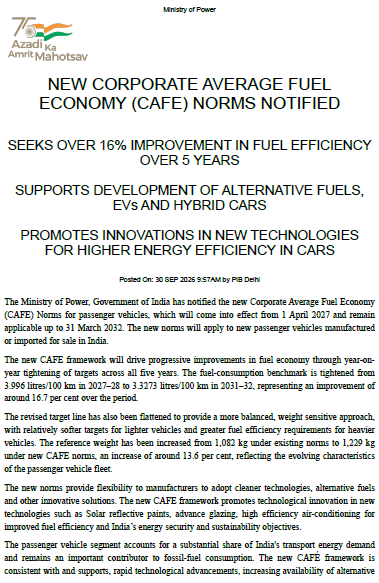
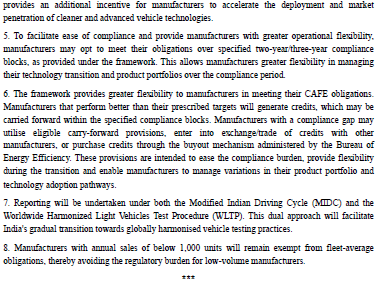
👉 CAFE-III could trigger a much broader technology shift across India’s passenger-vehicle ecosystem.
👉 From 2027-32, automakers will have to progressively improve fleet-level fuel efficiency and reduce CO₂ emissions. That creates multiple technology pathways:
→ EVs
→ Hybrids
→ Efficient ICE powertrains
→ Lightweighting
→ Better transmissions
→ Regenerative braking
→ Start-stop systems
→ Low rolling resistance
→ Efficient HVAC
→ Advanced glazing
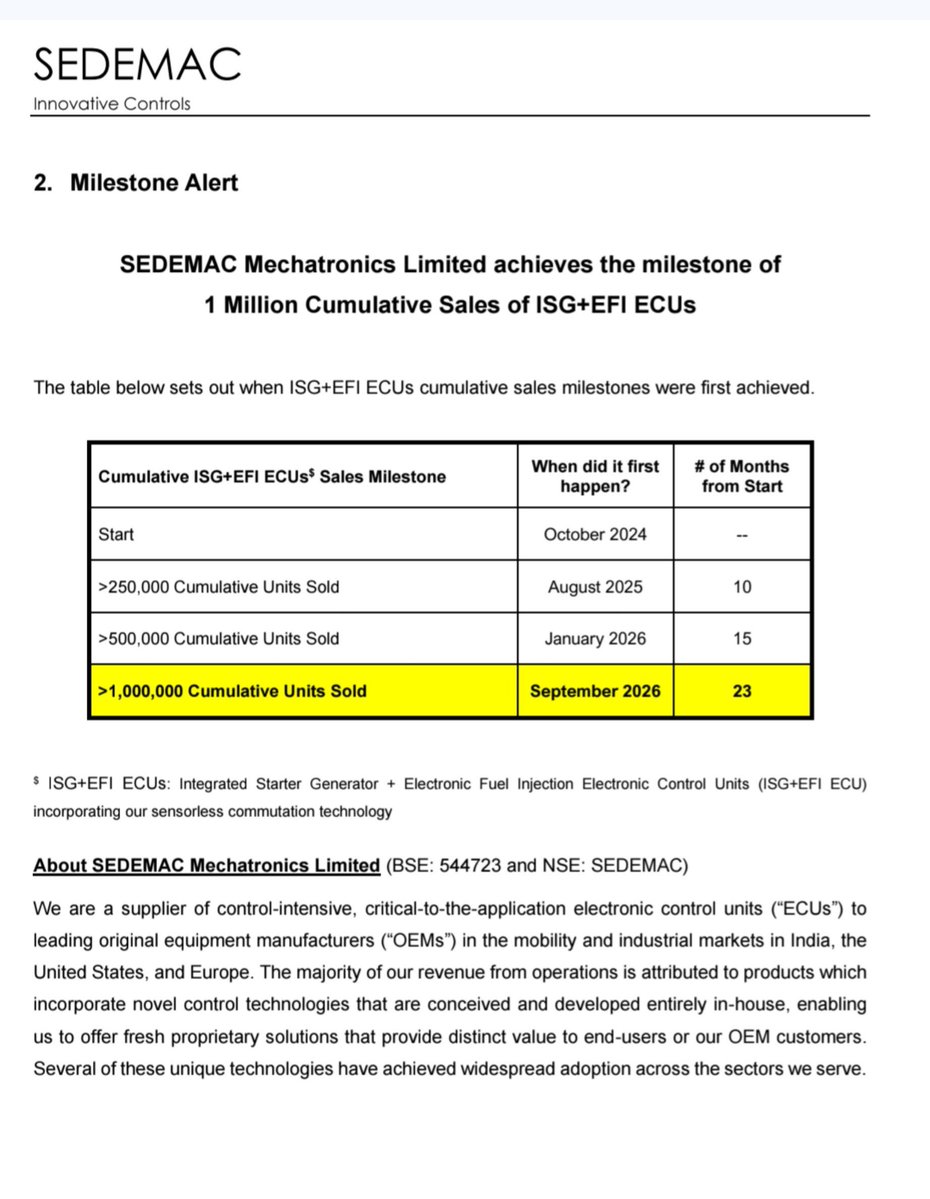
→ Electronics & controls
→ Alternative fuels
👉 The key change: CAFE moves the conversation from “Which fuel?” to “How efficient is the entire vehicle?”
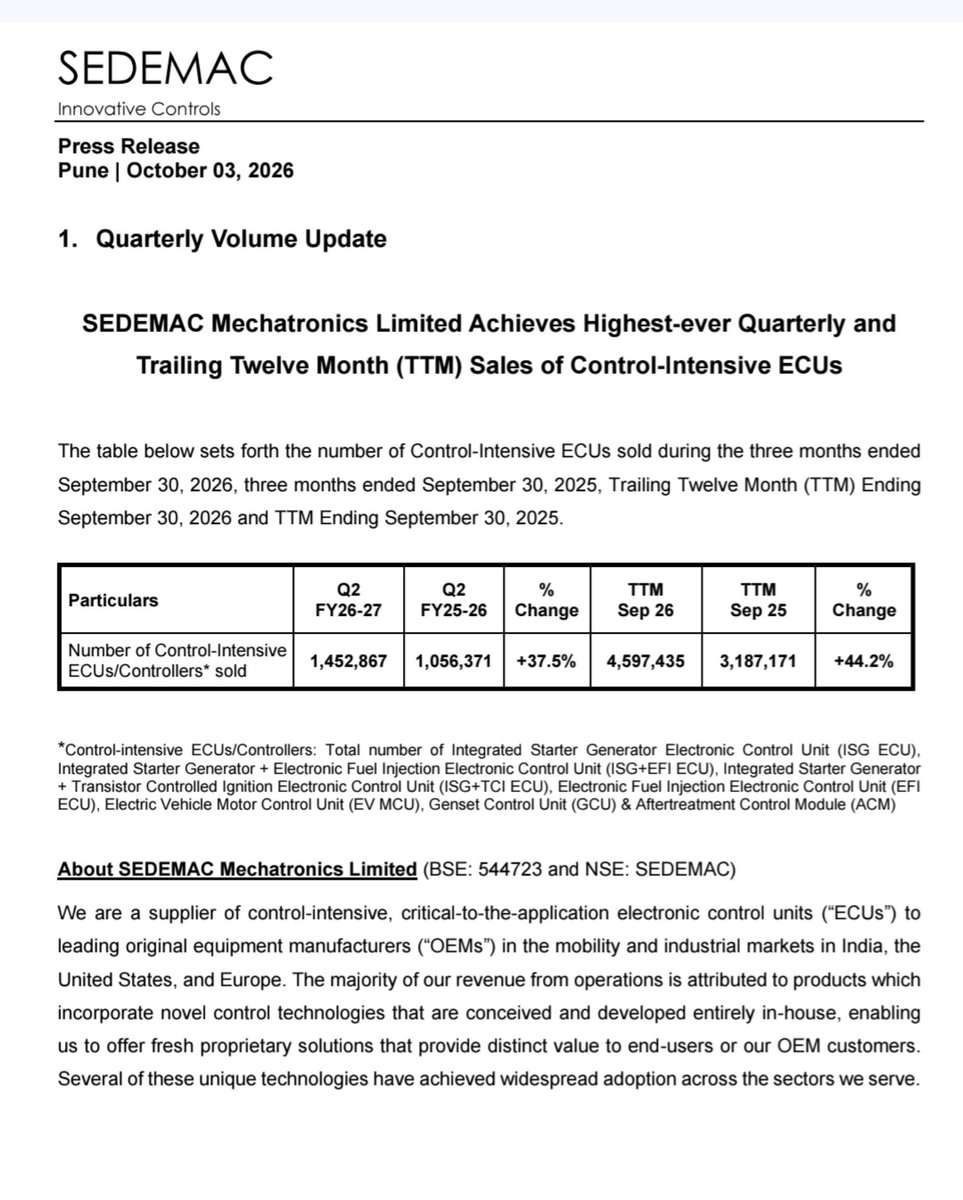
👉 And that potentially shifts more value towards auto-component and technology suppliers.