Tibetscapes is the social media handle for the team at @iitmadras working on different aspects of #Tibet. We share our learnings through our research journeys here. Please do follow us!
Read more about the team behind Tibetscapes here: https://t.co/mboI1uDIqa
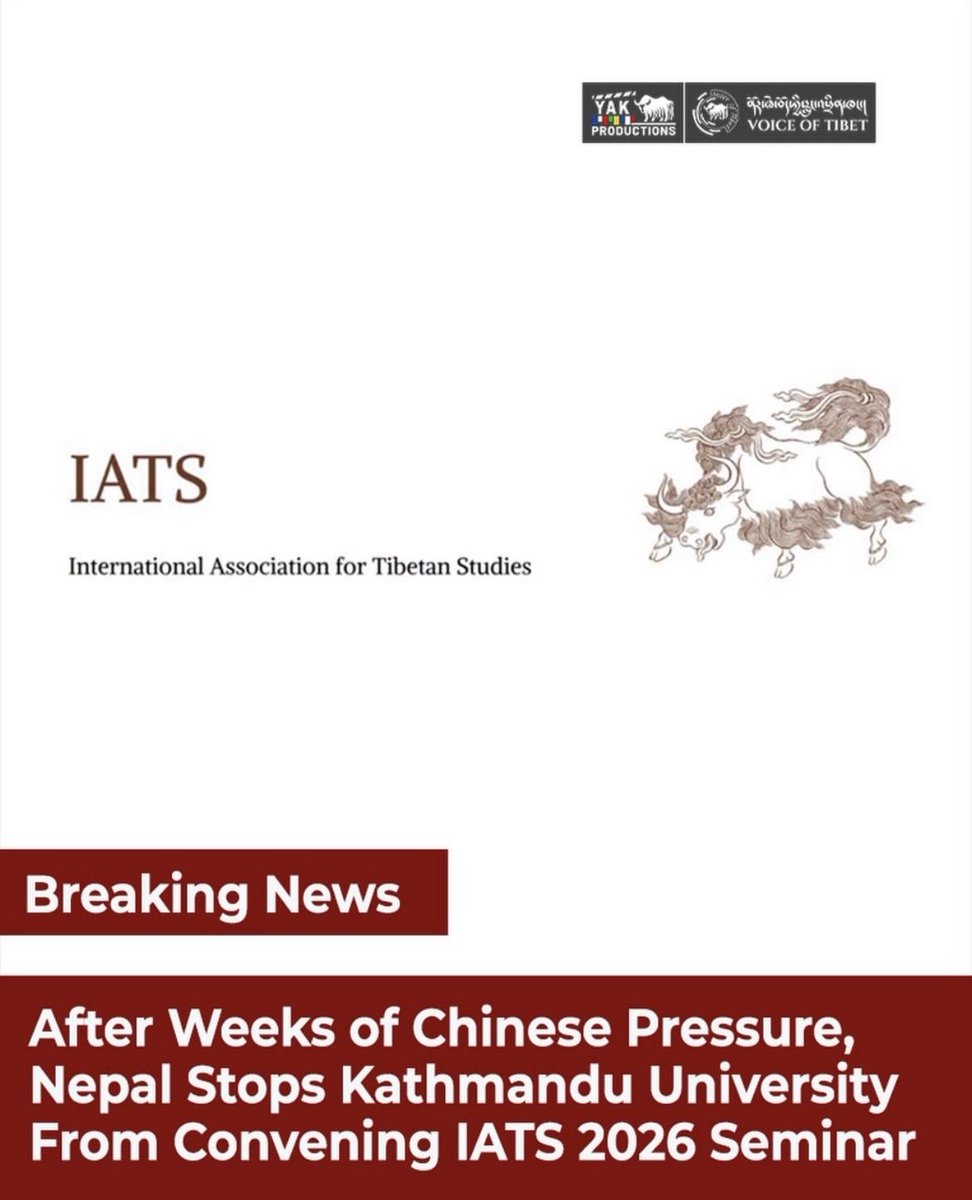
For the first time in its 4 decade history, IATS conference has been cancelled. It was to be held in Kathmandu in collaboration with KU from 23-28 August. The official email cancelling there event acknowledges the Nepalese government’s directive to KU cancelling the conference.
The 17th International Association for Tibetan Studies - IATS set to be held at #Nepal organised by @KU_Dhulikhel and Kathmandu Univeristy Centre is cancelled.
The reason for such being due to Chinese pressure according to @VOT_Tibetan and many other news outlets. With the Panels, Chairs and participate receiving email about this cancellation.
What I find curious is that this seminar was announced several years back and it took #China just a few weekes to cancel it in #Nepal
Why did #Nepal bow down to Chinese pressure?
Why did #China apply pressure and raise issue only now, just a few weeks before the seminar was actually set to take place?
📸 @VOT_Tibetan
Deepa Anappara’s ‘The Last of Earth’ revisits the romance of the Great Game and the pundit explorers, but fails to see beyond enduring notions of Tibet and the Himalaya as empty imperial frontiers. Read Amish Raj Mulmi's (@amish973) review essay on our website: https://t.co/4xIwcIRFyP
Composite image by Aishwarya Iyer
Thousand of Tibetan in Ladakh, borderland between Tibet and India. March on street of Leh to address the oppression in Tibet under communist part of China and pray for the Lobga la, a Tibetan martyrs who has self immolated in front of United nation office, New York. @UN@UNOCHA
Call this an interview if you must but this was only a recorded conversation with Ama la, translated by her granddaughter Tsering Dolma. Informal and brimming with stories about how Ama la fled Tibet in early 1950s and stitched a life across borderlines.
From a prosperous childhood in Utsang to uncertain journeys through Nepal and resettlement in Darjeeling. The conversation centres around intimate acts of survival, gendered spatial displacement and intergenerational transmission of place and belonging.
Former Advisor to MHA on Tibet affairs and Special Secretary R&AW, Amitabh Mathur (@TonyMathur55), argues that the Indian leadership should (could) have broached Tibet with the Chinese leadership in the Mamallapuram informal summit (2019):
The world is being reordered by those who act and those who define. If India wishes to be counted among the latter, it must ensure that its silence does not speak louder than its convictions.
We are living through a moment when the rules of the international system are being rewritten in real time. Assassinations of leaders, the killing of civilians, open assertions of force—these are no longer aberrations but instruments. In such a world, silence is not neutrality. It is read, interpreted, and often misread as consent.
India has long claimed a distinctive space in global affairs—not as an appendage to power, but as a voice shaped by its own civilisational experience and its history of speaking for sovereignty, restraint, and balance. That voice mattered because it was consistent, even when inconvenient. Strategic autonomy cannot mean adjusting our language to the hierarchy of power.
Restraint has its place. Calibration is necessary. But when fundamental questions arise—about sovereignty, about the limits of force, about the protection of civilians—India cannot afford to be silent.
A moral compass is not an ornament of foreign policy. It is its direction. Without it, realism drifts into accommodation, and autonomy into ambiguity.
This war has damaged India’s interests in almost every practical sense. It has raised costs, narrowed diplomatic room, stressed shipping, complicated Chabahar, and injected fresh instability into a region vital to India’s economy and external strategy. Even if New Delhi can cushion the blow, it cannot plausibly claim that the blow itself serves India.
The deeper question is whether India is willing to say so with sufficient clarity.
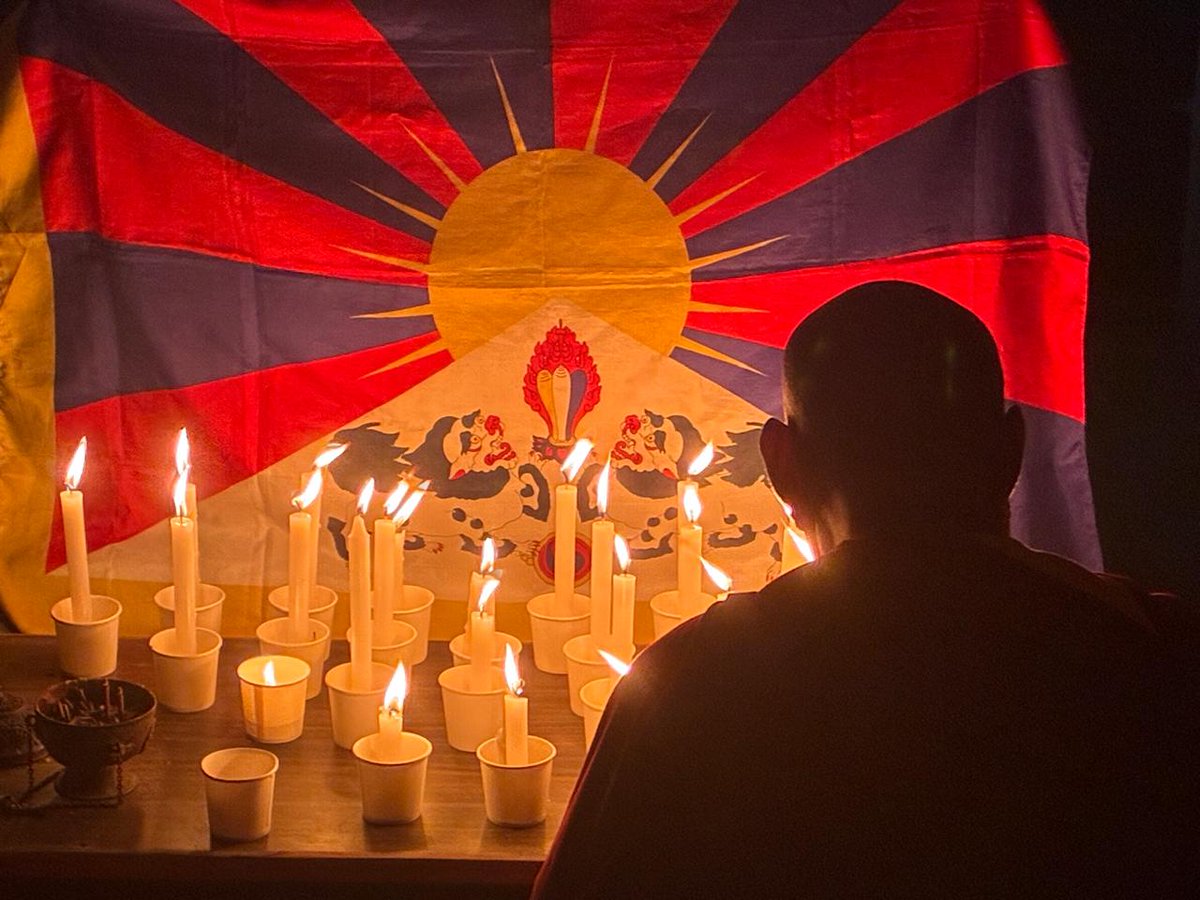
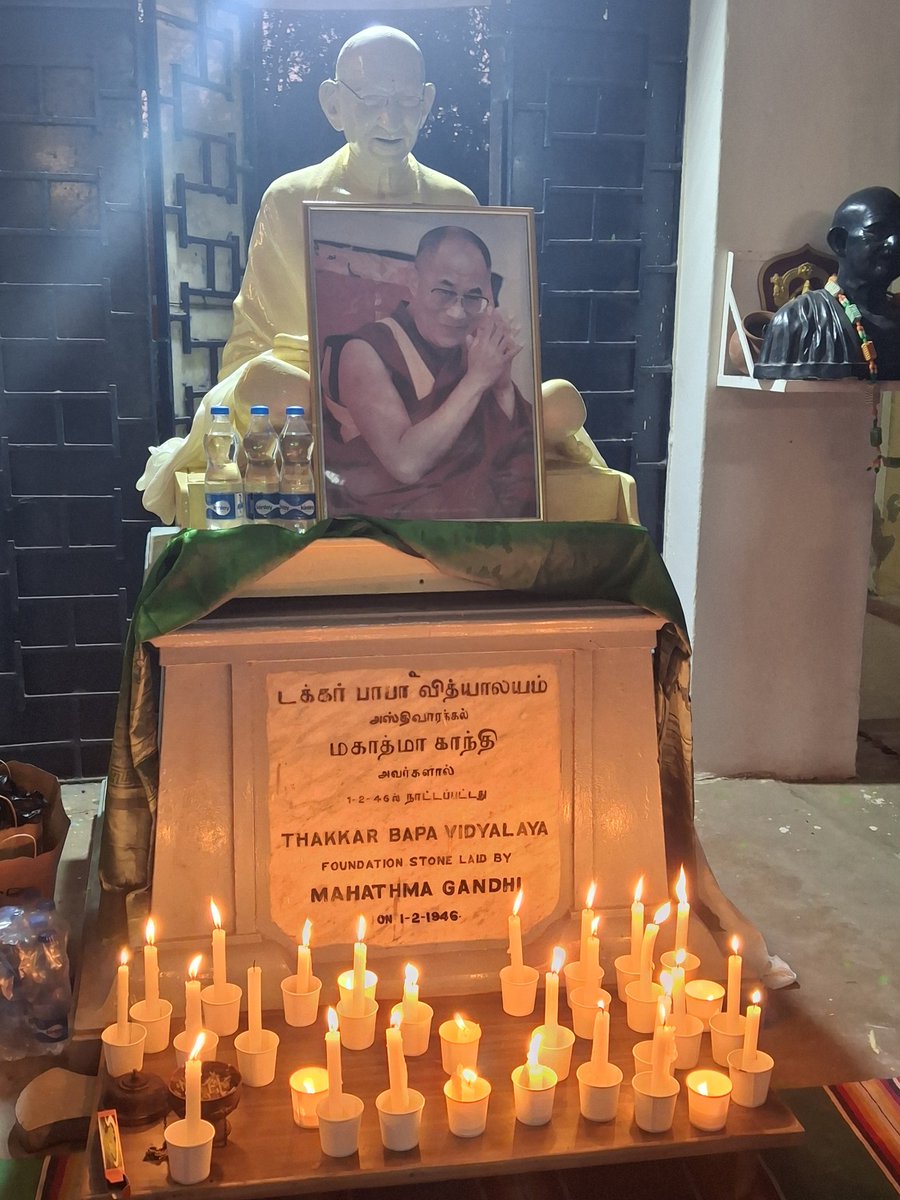
On March 10, 1959, Tibetans took to the streets of Lhasa to protest the Chinese occupation of their homeland. Today, the 67th anniversary of the uprising was commemmorated in Chennai with a candle vigil.
New post! 💫
The photo essay traces @ashwathy208's journey through Mcleodganj's layered streets, observing gendered subjevtivities in exile and contemplating "home" through Tibetan women's spatial acts of resistance and daily survival.
Read here: https://t.co/l7eJe2c7U3
The Delhi High Court reaffirmed that Tibetans born in India between Jan 26, 1950 & Jul 1, 1987 are citizens by birth, and rejected the MEA’s view that registering as a “Tibetan Refugee” or holding an IC counts as voluntarily renouncing Indian citizenship.
https://t.co/tUscRMDtlm
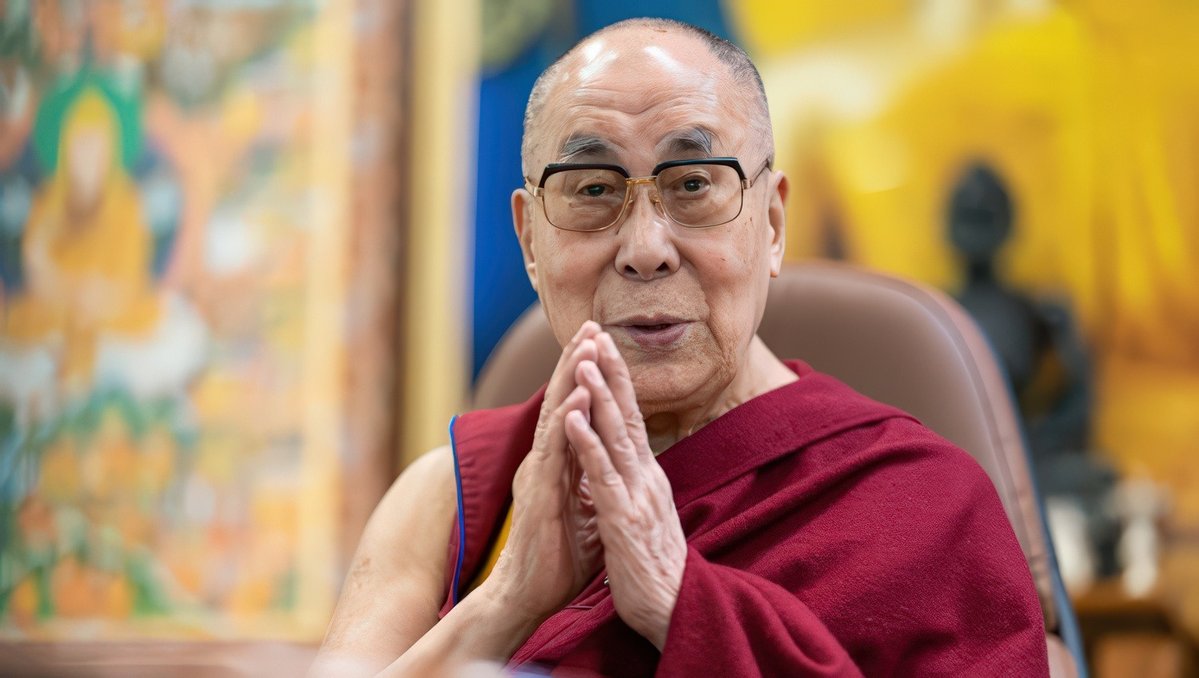
His Holiness the Dalai Lama Receives Grammy Recognition Highlighting Universal Responsibility and Compassion
Grammy Award Best Audiobook Narration - Meditations: The Reflections of His Holiness the Dalai Lama.
I receive this recognition with gratitude and humility. I don’t see it as something personal, but as a recognition of our shared universal responsibility. I truly believe that peace, compassion, care for our environment, and an understanding of the oneness of humanity are essential for the collective well-being of all eight billion human beings. I’m grateful that this Grammy recognition can help spread these messages more widely.
Alexander Davis explores the production of borders in memory through institutions such as war memorials & museums.
He argues that tourism is reconfiguring the landscapes to enact and reinforce sovereign territorial claims.
Next @_SonikaGupta_ explores the Vibrant Villages Program (VVP) as a new governing order in Zemithang.
She argues the army is 1st actor, bringing its infra. This creates codependence b/w the army & borderland communities, furthering legitimacy crisis for civil admin in the area.
On our panel ‘Colonial & Postcolonial Bordering Technologies in Arunachal Pradesh’, Ruth Gamble (@WaterThe_Planet) starts the story 60 million yr ago!
She studies the cartographic & political history of Pemako through geopolitical competition & the production of the McMahon Line
We are thrilled to be attending the Asian Borderlands Research Network Conference at Taipei!!
Looking forward to 3 days of discussing Asian Borderlands & multiplicities of sovereignty, mobilities and actors!
New post alert! 💫
A chapter authored by Gokul K.S and Sonika Gupta, titled
"Loga’s gau in Dreaming Lhasa" has been published in the book titled "Among Tibetan Materialities".
Access the book chapter from the following link: https://t.co/LRGa2n0xun