1/⚡️How to assess tricuspid valve by TOE #echofirst?
➡️What's the role of X-plane?
➡️How to get the best 3D image?
➡️Tips and tricks about transgastric view
➡️What we need to know about pacemaker lead
Take a look this thread 🧵
@NMerke@iamritu@hahn_rt@denisamuraru@lpbadano
Sports Cardiology is placing increasing emphasis on shared decision-making in the management of arrhythmias and risk. The importance of arrhythmia management in athletes is explored in our Harvard Grand Rounds on Sports EP.
Watch Now 👉 https://t.co/U4B7wcpxMp @MGHHeartHealth
Sports cardiology concerns interactions b/w heart disease & exercise. This interaction can lead to arrhythmias requiring a skilled electrophysiologist.
Thrilled to welcome Dr. @eugenechung01 to our Sports Cardiology Team and Cardiovascular Performance Program @MGHHeartHealth!
Do you really need CPET to estimate exercise capacity?
Deep learned representations of the resting 12-lead electrocardiogram to predict at peak exercise https://t.co/R5NCu1rDrg
#SportsCardiology#CPET#PeakVO2#deeplearning#exercise
One of most viewed this month:
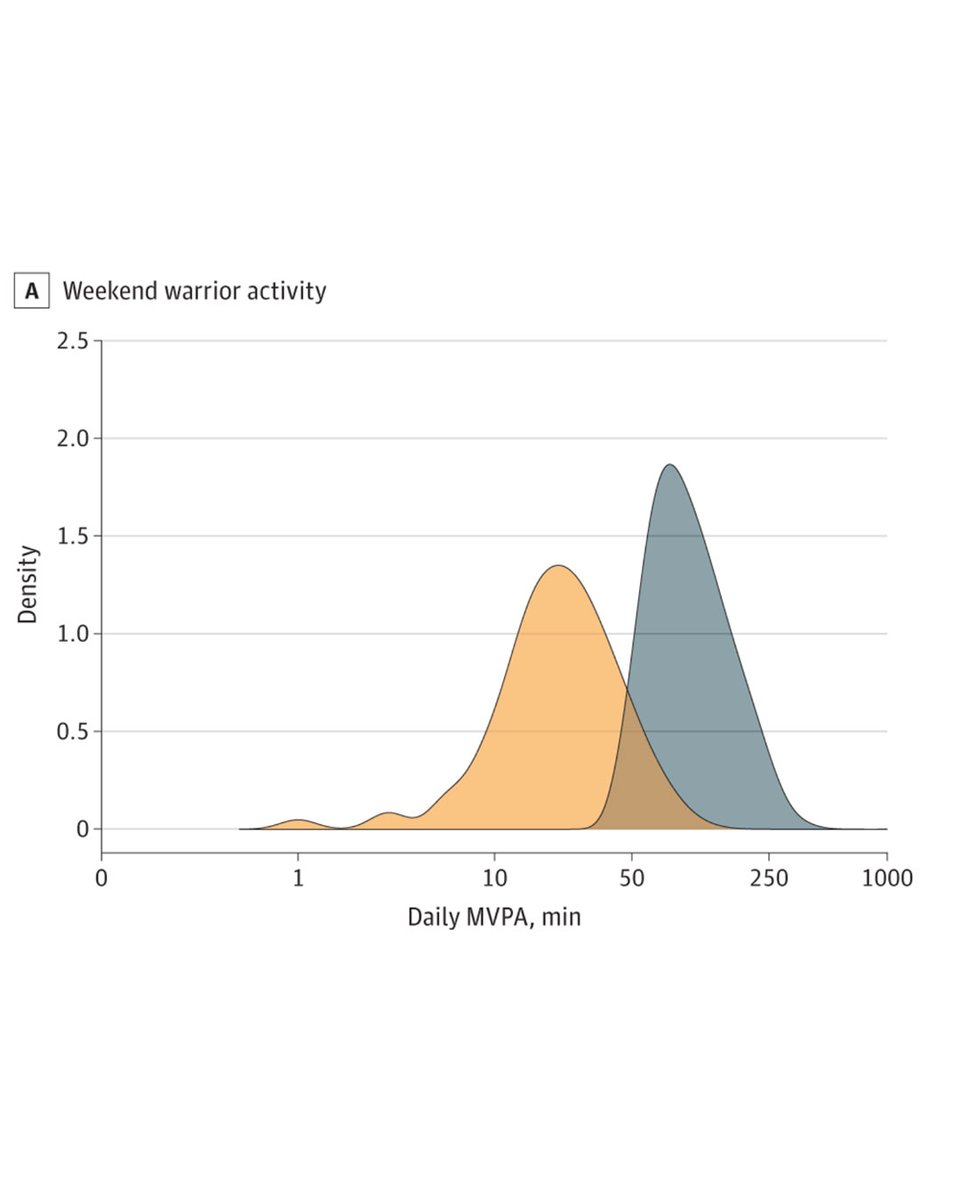
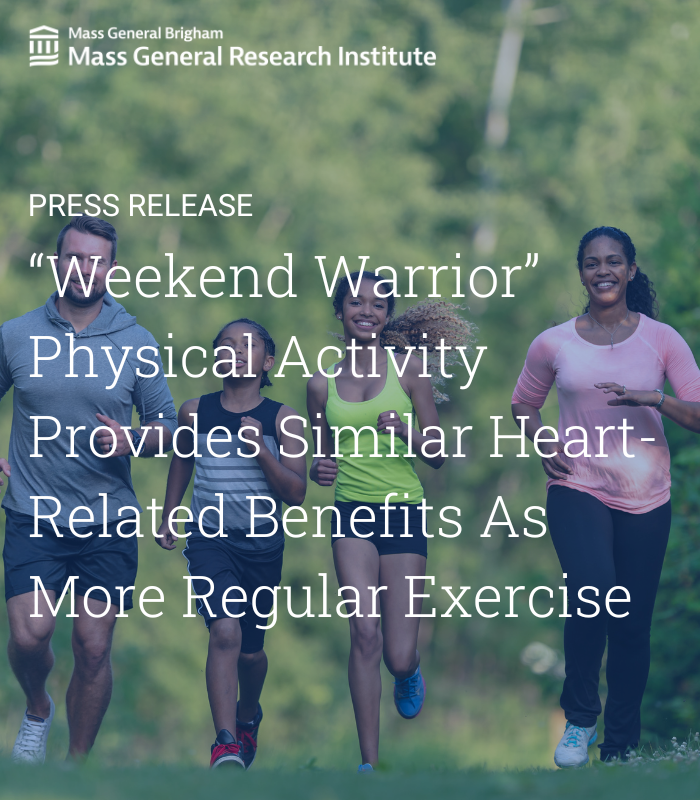
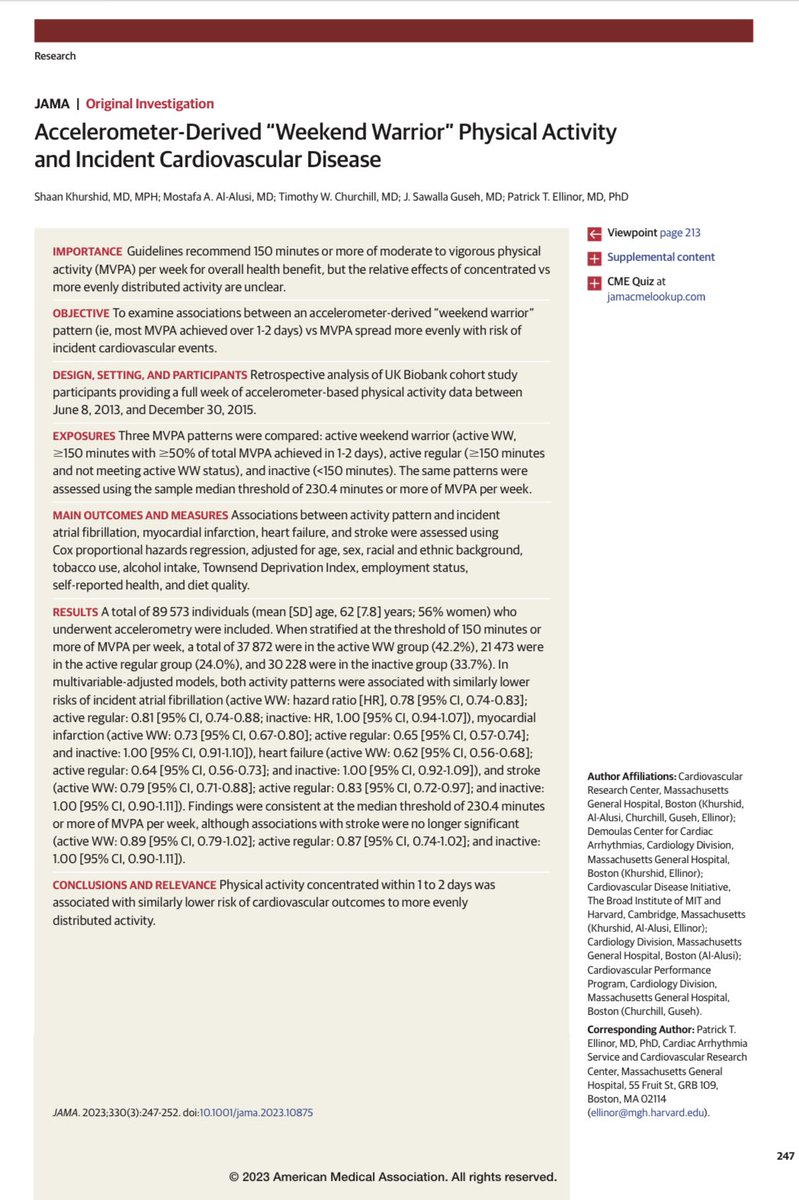
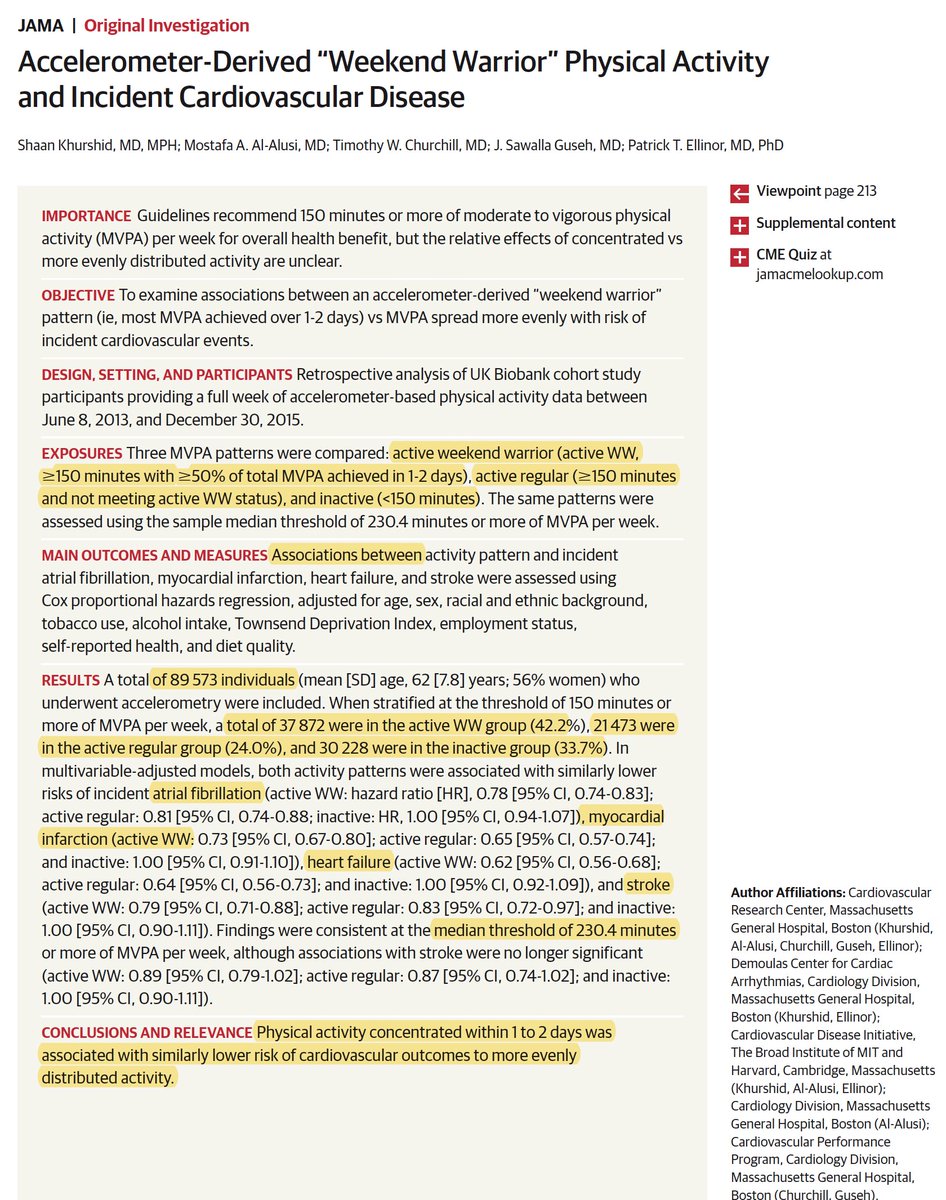
Accelerometer-Derived “Weekend Warrior” Physical Activity and Incident CV Disease
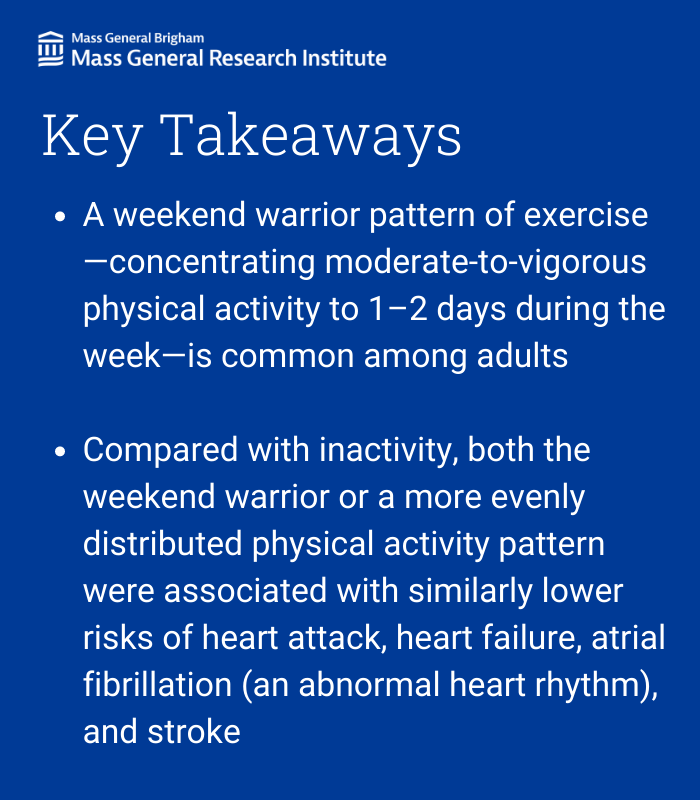
Physical activity concentrated within 1 to 2 days associated w/ similarly lower risk of CV outcomes to more evenly distributed activity.
https://t.co/kfkWJ2VvIU
Thanks! This is an important area and our big goal here was to stimulate discussion and encourage research on the topic. We would in particular love to explore this on both sides of Atlantic!
@jonathankimmd@TimChurchillMD I think there are lots of aspects open to research on this: is the #SCD risk tolerance the same for all the #athletes or does it change according to #age and most of all type of #sport? This is just an example. Happy to collaborate if wished/useful.
🫀 What is the #SCD risk tolerance among young competitive #athletes in the shared decision-making strategy? This nice paper,in my opinion,raises several questions about the SDM #patient tailored approach #psychosocial impact
👉https://t.co/0afnoQZdP9
#sports#SuddenDeath#EJPC
This is a game changer for discussions with my patients.
MUCH easier to get people moving a few days a week vs 5 or more.
I am pleasantly surprised with these outcomes.
KEEP MOVING.
You'll like this 👇🏾
In @JAMA_Current w/ @Shaan_Khurshid, @patrick_ellinor, and team
1. 89.5K @uk_biobank accelerometer data
2. Weekend Warriors with similar cardiac risk reduction
3. No diff in musculoskeletal injury
🧵 : https://t.co/NySXho0QDS
Paper: https://t.co/Ob1XxvnadM
Debunking the myth of the weekend warrior risk.
Same cardiovascular benefit for ≥ 150 minutes of physical activity/week, irrespective of number of days
@patrick_ellinor@MGHHeartHealth@shaan_khurshid
https://t.co/cvzDCj1T0L @JAMA_current
Exercise every day vs 'weekend warrior'? For busy professionals, an important question.
Led by @shaan_khurshid and using objectively measured physical activity, we share data defining impact on CV outcomes of different exercise patterns.
Worth a read
👇
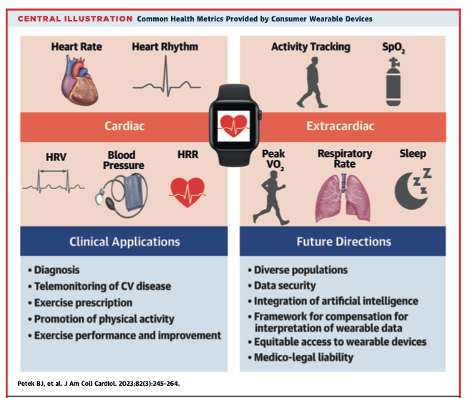
We're seeing an influx of consumer wearables devices in cardiology clinics, with CV clinicians asked to interpret and integrate these data into medical assessments. We've written a review to help demystify this complex subject.
https://t.co/P8gbpO3IWt
We summarize important metrics, how they are measured, and how they may be interpreted, including the important absence in many cases of adequate normative data.