⚠️Tricuspid repair or replacement?
First causal-inference head-to-head of T-TEER vs TTVR (TRIVALVE + TRIPLACE, N=782)
TTVR nearly eliminated TR, but had 81 fewer death-free days at 1 year
Just presented as a Top Late-Breaking Trial at #PCRLV, simultaneously in @JACCJournals 🧵
No single imaging test captures all forms of right ventricular dysfunction in valve disease. New #JACC review: integrate imaging and hemodynamics, especially in tricuspid regurgitation. #cvVHD@OmarChehab1@spinneymd@XGalloo@GAilawadiMD https://t.co/YXCREe8COz
Nuevo 🆕 comentario en "García Fernández te pone al día"
Velocidad de la onda E del flujo tricuspídeo para evaluar la insuficiencia tricuspídea
👓 https://t.co/flAbhV3BVY ◀️
Las guías actuales incluyen una onda E tricuspídea >100 cm/s como dato que apoya una insuficiencia tricuspídea severa
Evaluación Multiparamétrica del Ventrículo Derecho. 🔎🫀💥
👨⚕️💬 La evaluación de la función VD representa uno de los mayores desafíos de la ecocardiografía debido a su compleja geometría, dependencia de las condiciones de carga y mecanismos de contracción longitudinal, radial y anteroposterior. Por ello, ningún parámetro aislado es suficiente para determinar su función sistólica, especialmente en pacientes con valvulopatías.
✅️ El Eco♡ 2D constituye la evaluación inicial y debe integrar TAPSE, onda S′ tisular, FAC y strain longitudinal de pared libre (RVFWLS). Mientras que TAPSE y S′ evalúan predominantemente la contracción longitudinal, la FAC incorpora otros componentes de acortamiento y el strain permite identificar alteraciones miocárdicas que pueden pasar inadvertidas con los índices convencionales.
✅️ El Eco♡ 3D permite cuantificar volúmenes y FEVD sin depender de las suposiciones geométricas del 2D. En presencia de Ins. Tricuspídea significativa, resulta especialmente importante calcular la FEVD efectiva, que considera únicamente el volumen sistólico anterógrado y evita sobreestimar el rendimiento hemodinámico del VD.
✅️ La RM cardíaca continúa siendo el método de referencia para cuantificar volúmenes y FEVD, además de permitir caracterización tisular mediante realce tardío y técnicas de mapeo. Debe considerarse cuando existe discordancia entre los hallazgos ecocardiográficos y la situación clínica, o cuando se requiere una evaluación precisa para decidir una intervención valvular.
✅️ También debemos integrar el acoplamiento VD-arteria pulmonar, mediante índices como TAPSE/PSAP o RVFWLS/PSAP, que relacionan la función contráctil con la poscarga. Cuando la estimación no invasiva de presiones es incierta, especialmente en insuficiencia tricuspídea grave, la evaluación hemodinámica invasiva puede resultar fundamental.
📝🆓️⤵️ State-Of-The-Art Review2026 @JACCJournals 💯
https://t.co/iXoOh322Yg
https://t.co/RrS3GFN7vT
👉 https://t.co/Dg2EEg80oh
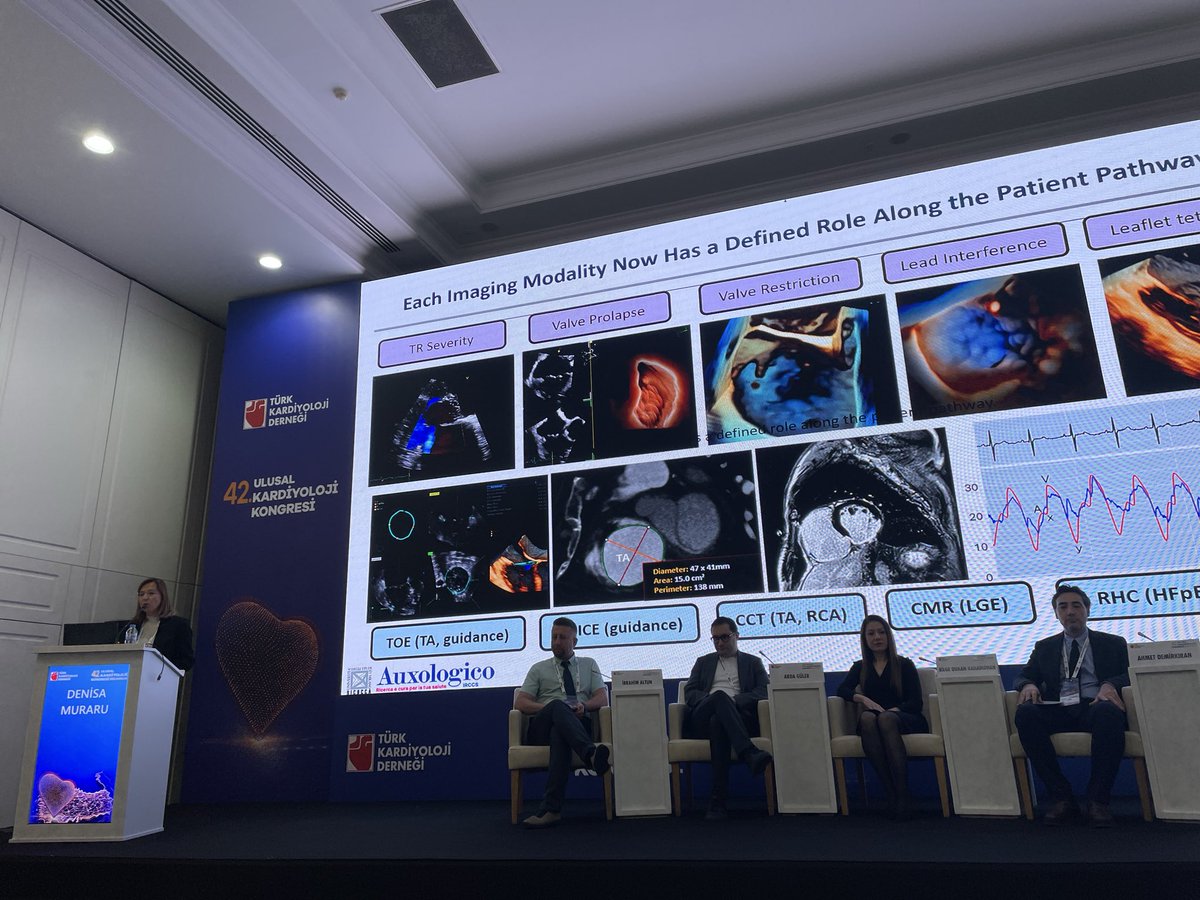
Atrial secondary mitral regurgitation: How can it be recognised? Which imaging parameters matter most? Can rhythm control reverse the disease or is it already too late? Which treatment should be chosen, and what is the prognosis?
A must-see topic on #ESCTVToday with @denisamuraru
#Echocardiography #AtrialFibrillation
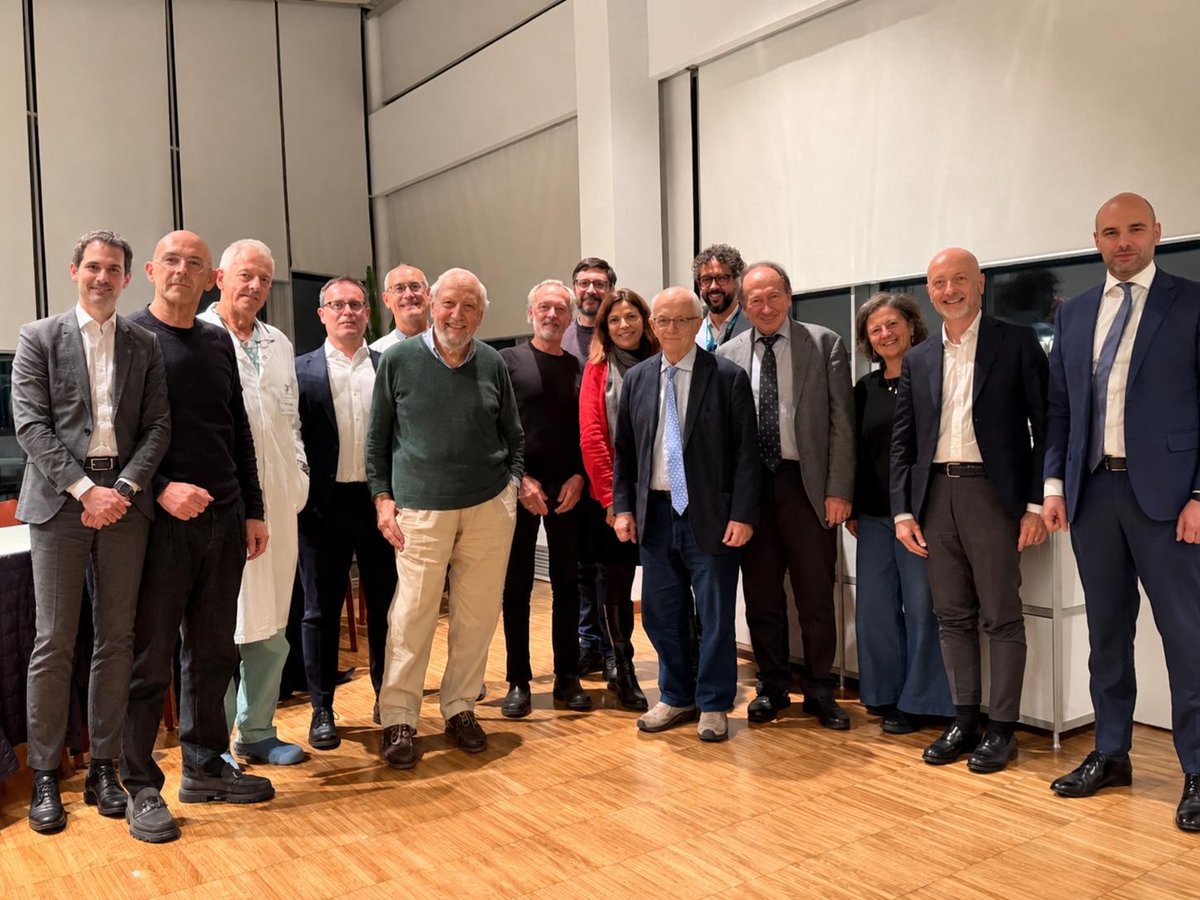
Un grandissimo benvenuto al Prof. Agostoni con il quale possiamo collaborare per migliorare le cure e la ricerca scientifica per i nostri pazienti con scompenso cardiaco. Il prof Agostoni è uno scienziato di livello internazionale, un clinico raffinato ed un gentiluomo.
Scompenso Cardiaco: il Prof. Agostoni nuovo Direttore di Auxologico
La cardiologia di Auxologico e l’offerta sanitaria per i pazienti si arricchiscono della collaborazione del Prof. Piergiuseppe Agostoni che assume la direzione del Centro Scompenso Cardiaco di Auxologico.
🫀 New review on tricuspid regurgitation!
🔹Phenotype & RV–PA coupling
🔹Patient selection & timing
🔹Residual TR matters
👏 Congrats to Javier Solsona, @iLauraGG & our Vall d’Hebron team!
📖 Read the paper: https://t.co/jTMXtgOhlH
@vallhebron@VHIR_@cardioimagenVH
Congratulations to Prof @denisamuraru, incoming EACVI President, has been awarded the prestigious title of Professor Honoris Causa by Semmelweis University in Budapest, in recognition of her outstanding contributions to the field of cardiovascular imaging.
The distinction recognizes Professor Muraru’s contributions to innovation and education in cardiovascular imaging, her internationally recognized scientific achievements, and her valuable collaboration with Semmelweis University.
The award also highlights the importance of international scientific collaboration and reflects a longstanding partnership between the research group led by Professor Muraru and Professor @lpbadano at Auxologico and the team led by Dr Attila Kovács at Semmelweis University. Their collaboration has focused particularly on advancing the study of the right heart through three-dimensional (3D) echocardiography.
To mark the occasion, Professor Muraru delivered the Honorary Lecture, “From the Right Heart to the Future of Cardiovascular Imaging,” exploring the future of cardiovascular imaging and the evolution toward increasingly quantitative, integrated, and patient-centered diagnostics.
A significant recognition of scientific excellence, innovation, education, and international collaboration in cardiovascular imaging.
https://t.co/7WA9Qy7Hh4
@rafavidalperez@YBououdina@MSBBrandao@ydaryani@Elizabeth_antos@pfelissamburu@CharlesFauvel@alexsfelixecho@galzeranod@andgiannopmd@hrt01a@WilliamKokFaiK1@M_Marwan_@drahmedmohsen85 @aniela_petrescu @benayozbay@slumberbell@senguptasp@ElizabetaK10533@MihaiTrofenciuc@C_VanDeHeyning@drozgeozden@Giulia_Vinco@VazyurVasquez@Sarah_Moharem@s_e_petersen@VictoriaDe32503
@javier20ch Three problems: 1. VAC is simply the ratio between SV/ESV; 2. two-dimensional echocardiography underestimates LV volumes; 3. in case of MR you hav eto compute forward SV
The best is to run along Copacabana beach in the morning before breakfast on the terrace in front of the sea, before enjoying an amazing and highly interactive meeting on heart valve disease run by great friends from South America