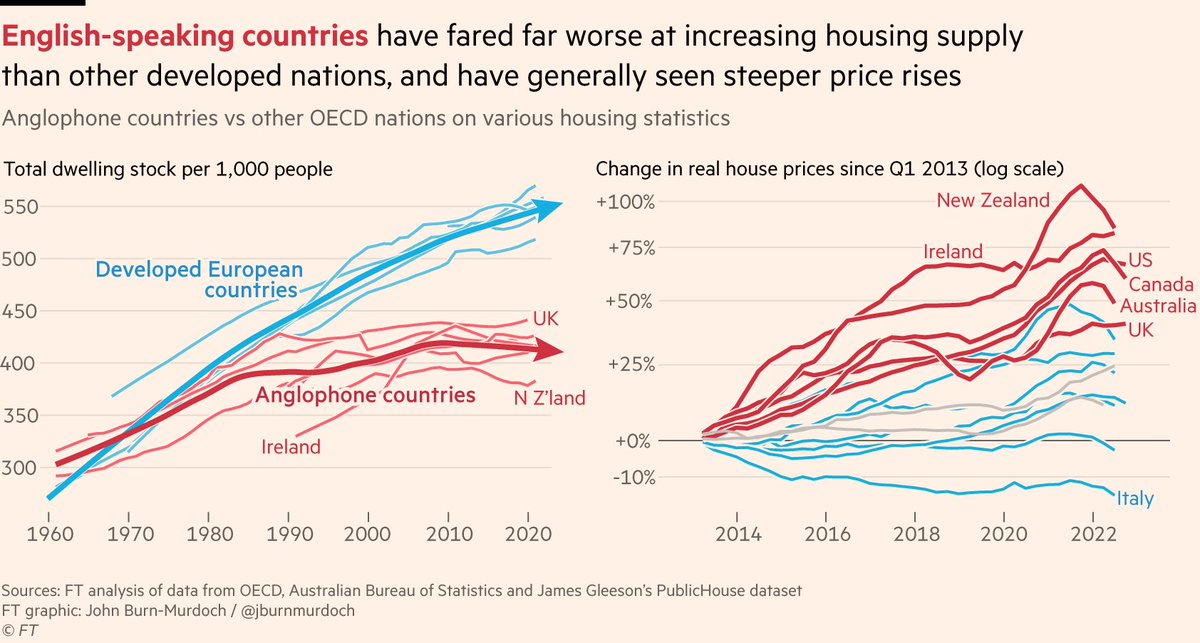
Fellow urban planners and urbanists. Check out this piece — lots of great data and confirms what many of us have long known: NIMBYism is embedded in cultural preferences around housing and has been a problem in Anglophone countries for many years.
NEW: housing shortages, affordability crises and NIMBYism are growing problems in many countries, but what’s especially striking is how much worse they all are in Anglophone countries 🇬🇧🇺🇸🇦🇺🇳🇿🇨🇦🇮🇪
What’s going on?
My column -> https://t.co/aT14VAzQSm
@AndreLegris@mattdellok Could you share said studies? Did those studies look at the impact of vehicles cruising for parking? Did they look at bicycle parking and the impact that has on downtown businesses?
@timescolonist A completely ignorant, nonsensical, and inaccurate rant that illustrates what opponents of urban density fail to understand about how cities work and what attracts young people to them. This is a shameful article that makes no meaningful contribution to the housing discussion.
Excellent thread on Herman Daly (founder of ecological economics). The principles of ecological economics are so important for helping us grapple our most vexing urban challenges including climate change, waste management, and transportation.
I am so so sorry to hear that the brilliant Herman Daly - founding father of ecological economics - has died. His paradigm-changing work flipped my little econ head inside out & inspired me to write a book on rewriting economics… Here are just some of his big ideas 1/n.
@shoshannasaxe Hi,
I’ve owned an urban arrow for 9 months now. We haul two kids and groceries all the time. It’s a robust bike and truly a car replacement. Only issue is that the steering can be challenging (especially when you first start riding it). DM me if you have specific Qs!
The future of urban transportation isn't driverless cars, flying cars and drones. The most inspiring trend before, during and after the pandemic has been the rise of the 'car-free' city, where people, not cars , are the central planning principle.
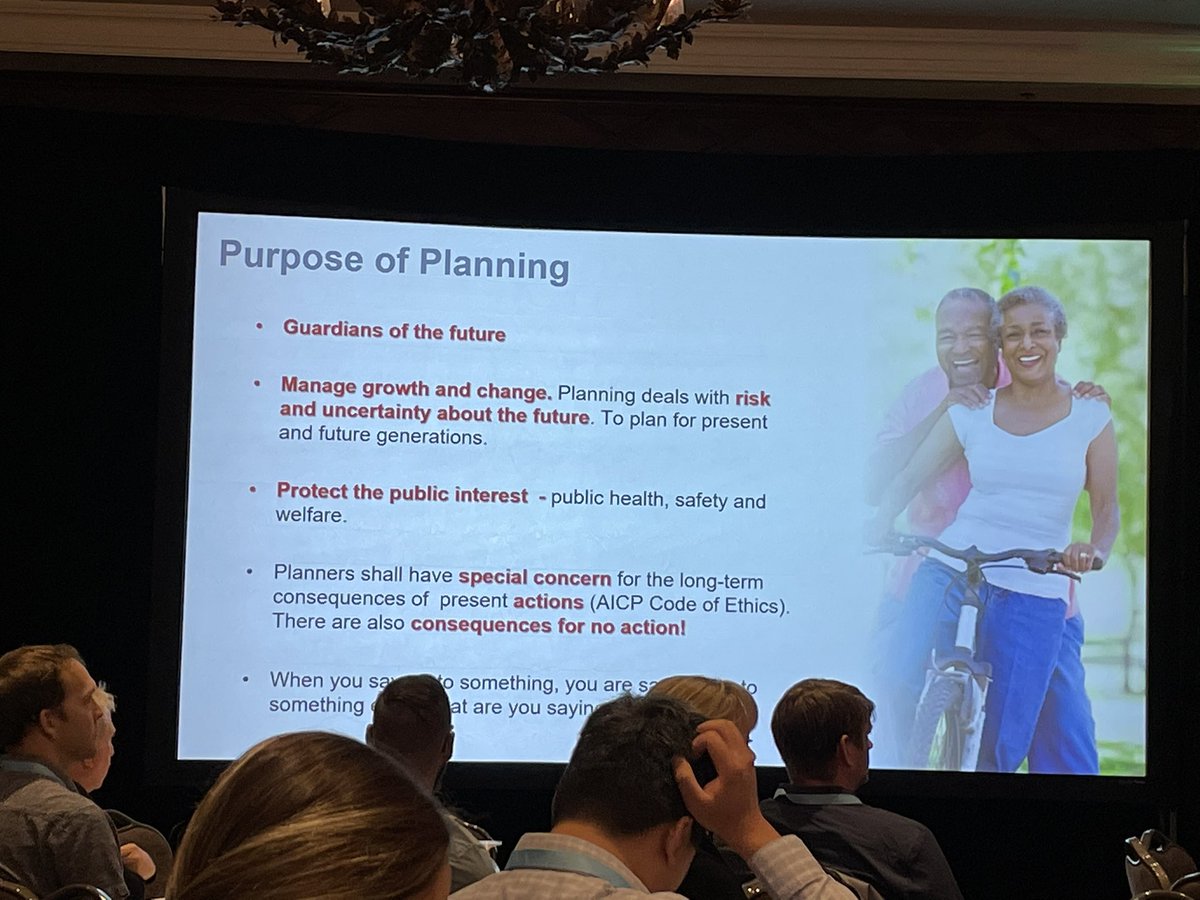
What is the role of planners?
“Manage growth and change. Planning deals with risk and uncertainty about the future. To plan for present and future generations.” - Mitchell Silver, President of AICP. #plan2elevate @Elevation_2022
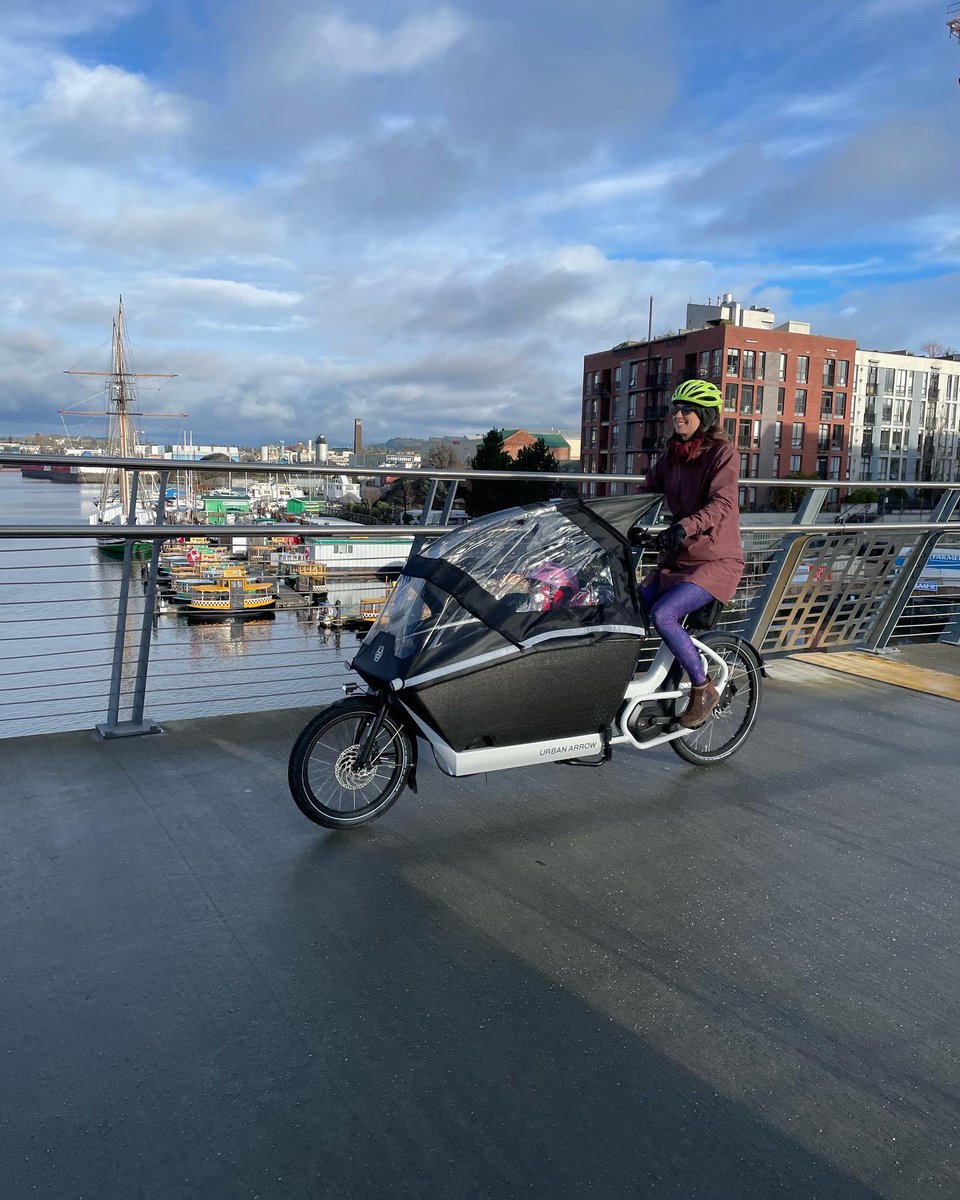
Just hit 1,000 km on the new family electric cargo bike. E-bikes are continuing to explode in popularity around the world, especially with young families. That means less driving, less congestion, and lower climate impacts. Oh, and they are lots of fun too! @UrbanArrowcom
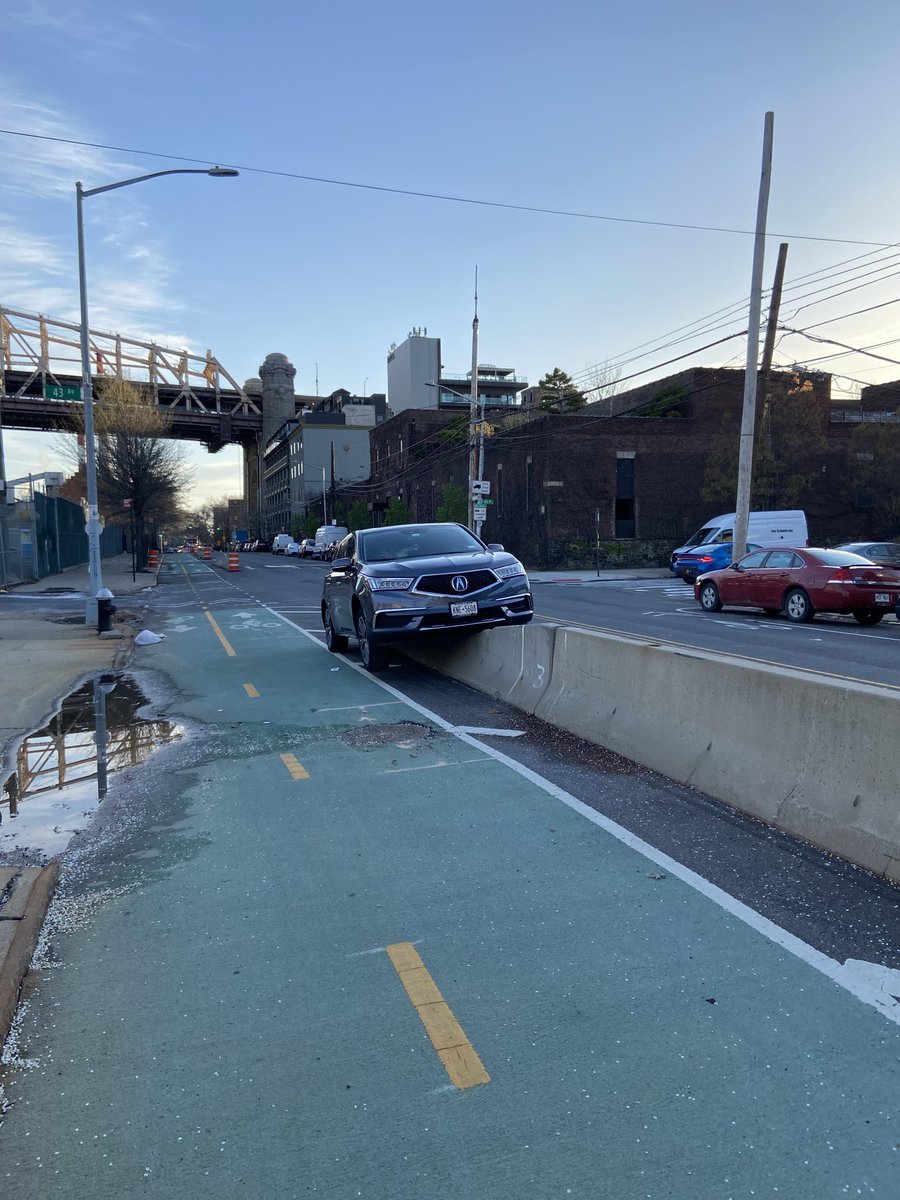
This is yet another reminder about why painted bike lanes—even with a a bit of buffer—are not good enough to protect people cycling (especially on busier roads). Protected bike lanes with barriers should become the norm if we want to see more people on bikes!
@trevortombe Just wondering why you are opposed on economic grounds? I read your articles and I would have thought you’d support a levy or registration tax on these vehicles. The OECD has a paper looking at Norway’s vehicle registration tax: https://t.co/I4Yeq4kwry
So many logical fallacies in this article but on transport: 1. “traffic” from a 14-unit bldg that would only generate 6 trips in the peak hour. 2. Problems with access off Oak Bay Ave. Where do they think the access is for the multi-unit building next door? Unacceptable.
Stop the act #OakBay.
First you rejected housing for the regions most vulnerable at Oak Bay Lodge.
Now you’re playing the affordability card on what would have been some of the lowest priced units in Oak Bay? Seriously?
https://t.co/CMwTCG8EyQ
If economics has taught us anything, it’s that higher prices shift behaviour. Cutting gas prices is bad economics. In urban areas, transit is a viable option and should be promoted. That, with targeted cash transfers to ease financial pains from ongoing inflation.
"Plus there is something inherently wrong about cutting gas prices while failing to offer lower transit fares, or increased service, to help people who don’t own cars."
https://t.co/uR0ZzaPDOS
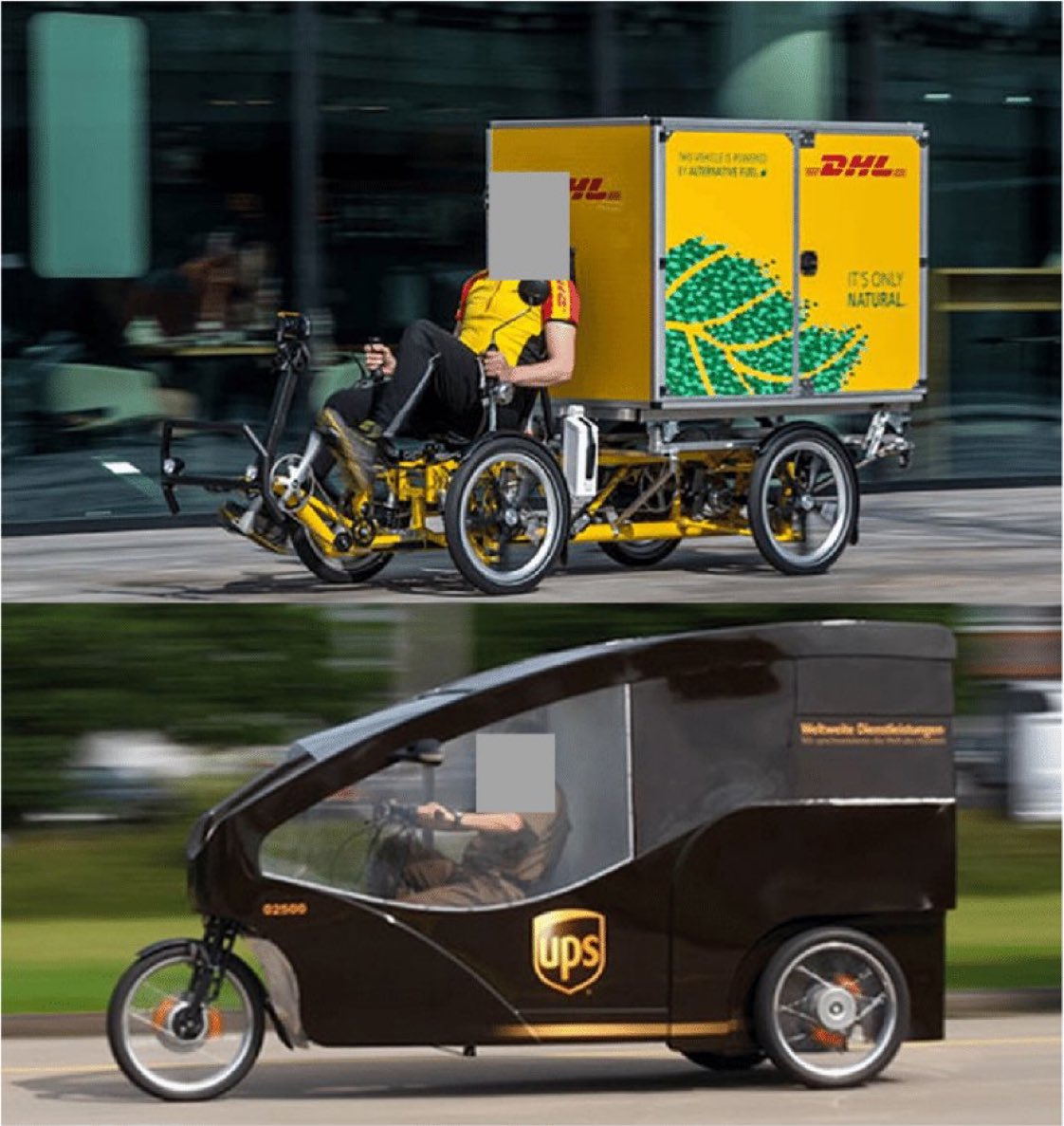
Faster, quieter, more efficient, and much better for the environment. What’s not to like about an e-cargo bike? They are an indispensable urban transportation solution.
🚲E-Cargo Bikes have many advantages over vehicles👇
➡️ move quicker through city streets, delivering packages 60% faster‼️than vans
➡️ save ~90%‼️in carbon emissions.
➡️are almost silent, and ‼️cut congestion, as a cargo bike uses a fraction of the road space of a delivery van
@mtthwbyd Matt, happy new year! We have a Tern GSD. Great bike and easily adjusts to accommodate different heights. It’s one of its many advantages over other long tail e-bikes. More here: https://t.co/T99Azhs7li
Cargo bikes tick a lot of boxes when it comes to moving freight in urban areas.
Cargo Bikes🔋⚡️👇
✅ Deliver ~60% faster than vans.
✅ Cut carbon emissions by 90%.
✅ Can replace up to 51% of all freight journeys in cities.
Such a great point. Transport planners often stress how parking minimums are bad b/c they don’t support more compact growth and sustainable transportation more broadly. The fact excessive parking has a major GHG impact is rarely mentioned and certainly needs to be stressed more!
Victoria / transportation folks, please share this thread with people you know who have been thinking about using transit. The benefits are multifold as discussed in this thread.
Hey #Nanaimo - have your say! https://t.co/lQd3glKl9Q
"This plan seeks to develop a priority plan for how to improve the RDN's transit services, their links to land use & #activetransportation, & increase ridership over the next five years." #WEAREWATT