I have two postdoc positions available on our 'COREX: From correlations to explanations: towards a new European prehistory' grant:
https://t.co/pm5CPnnPQr
and:
https://t.co/ApO3B5QFou
Both working at the intersection of archaeology, ancient DNA, computational modelling and stats
Excited to share our new paper out in @ScienceAdvances!! We analyse new genetic data from >1300 people from West and Central Africa and Sudan, finding incredible diversity and signals of admixture across the continent. https://t.co/ziB8JTtFNm. #ScienceAdvancesResearch thread>
(This paper also features the debut of my patented Casino Plot ™️ - the shadows were definitely not needed but I feel they add a certain je ne sais qui...)
Link to Cuadros-Espinoza et al: see figure 5C! https://t.co/PSoSE5K4hF
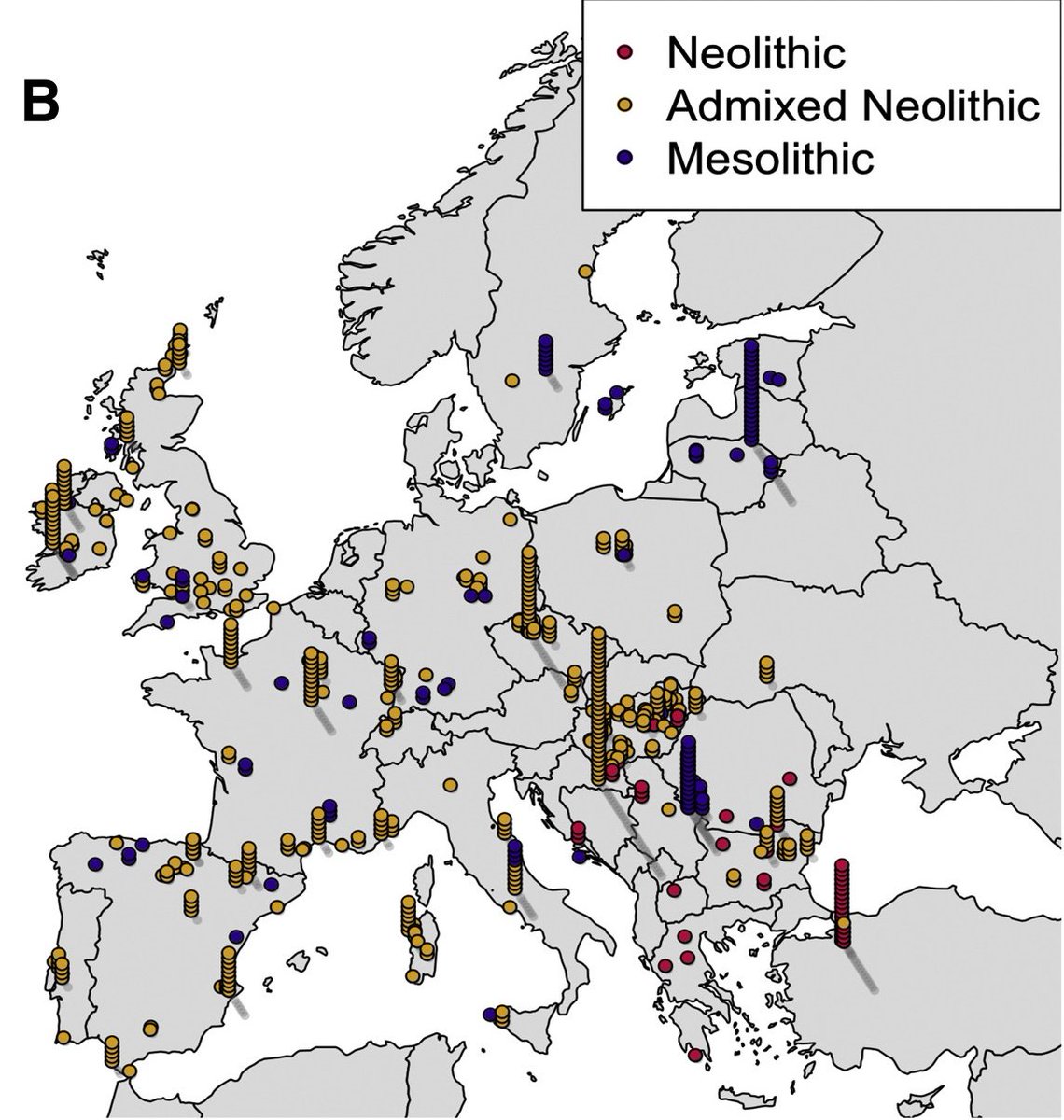
Officially out, our work trying to delineate and understand selection happening during admixture in Neolithic Europe. We find that admixed Neolithic populations inherit more hunter-gatherer ancestry at the MHC region than expected by chance.
https://t.co/V4UnQStHvF
Arguably this signal of positive selection is the first step in a more protracted act of balancing selection over time, but that still has to start somewhere!
And a big thanks to our collaborators @DanJu808 and @mathiesoniain for their help throughout this paper!
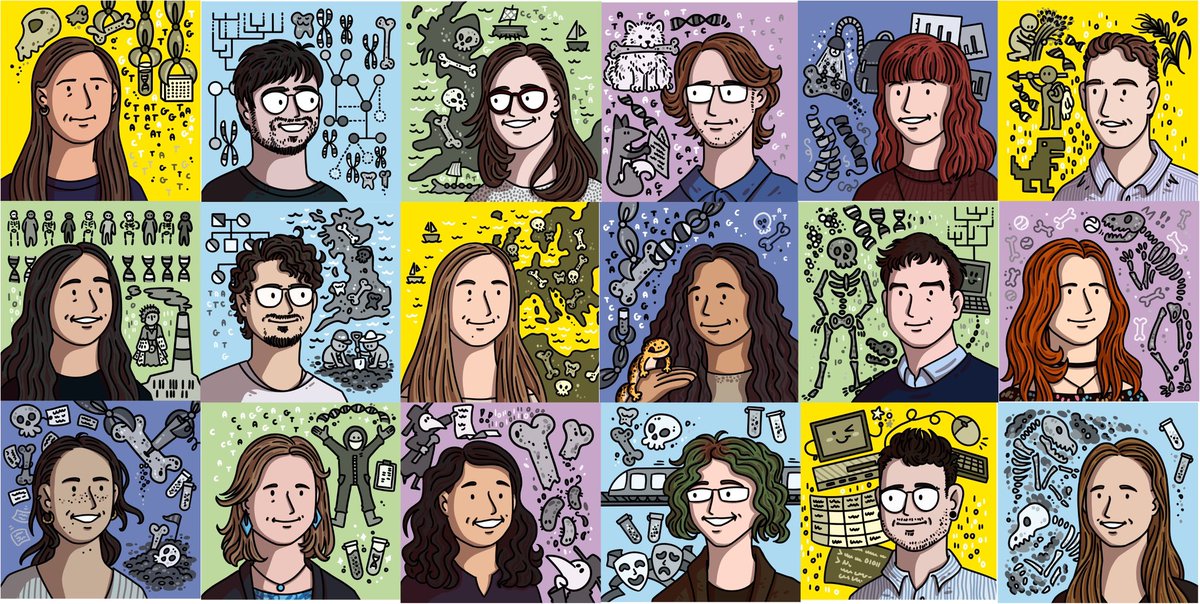
To celebrate the 5th birthday of the Ancient Genomics Skoglund Lab 🧬 @TheCrick! Feat. the wonderful drawings by @petrathepostdoc showing all the amazing people in our lab and the range of disciplines involved 💀
I am thrilled that in 2023 I will start my lab @LeibnizFLI focused on exploring the biochemical crosstalk between host-microbiome during ageing🚨PhD and PostDoc positions are available soon! Please RT 🙏
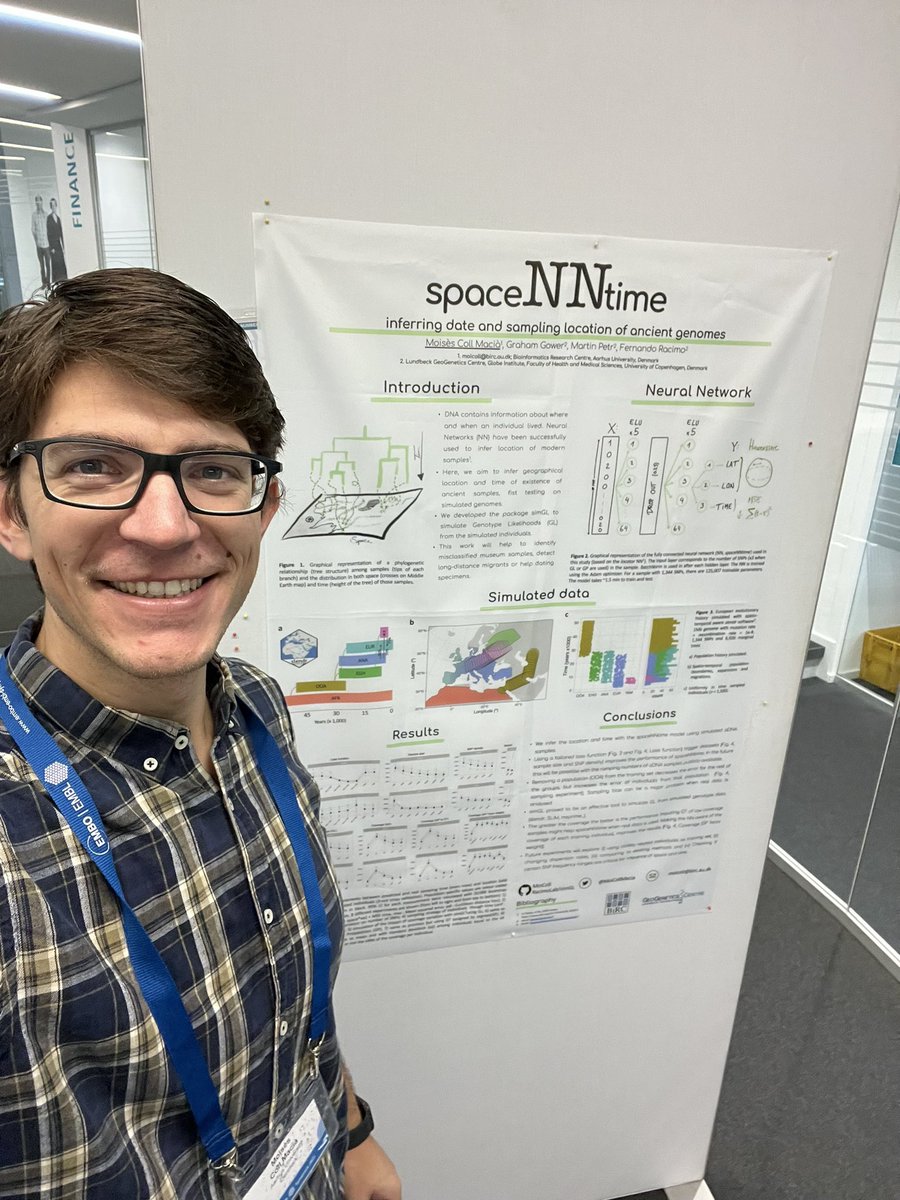
First attempt at a poster presentation. Come & chat about British Neolithic/Bronze Age genetics and some really early Bell Beakers. #EESHuman
(Matching shirt-poster colour combo not purposeful)
Our preprint looking at adaptive admixture through the Neolithic transition in Europe is out! Great collaboration with @mathiesoniain and Dan Ju. Looking forward to presenting this at Heidelberg next week! #EEShuman
https://t.co/Fr2L3hnag3
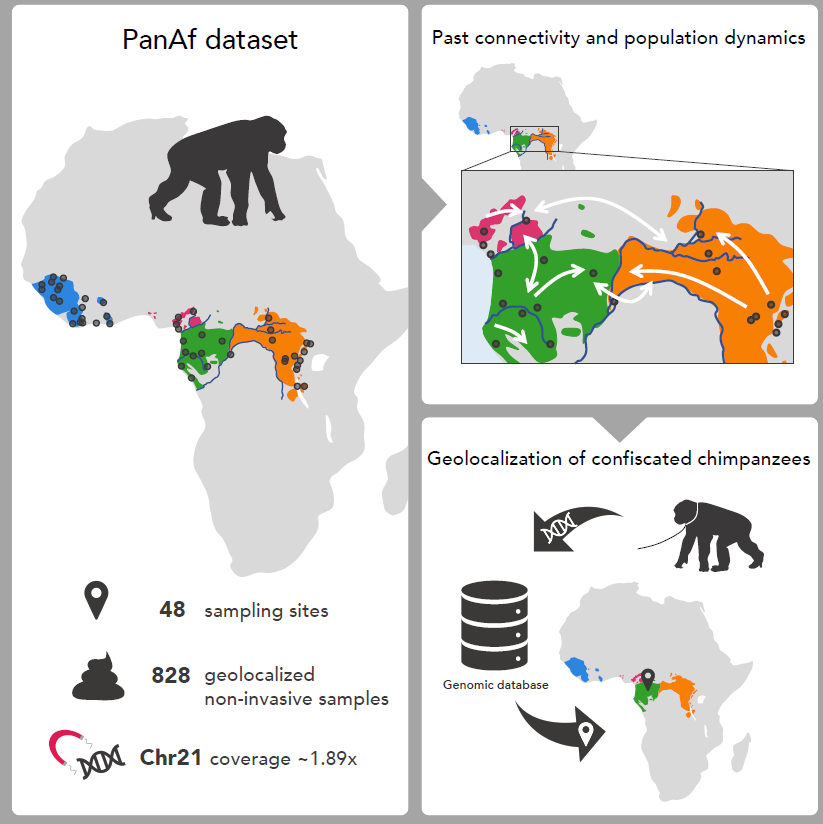
Finally out! Population dynamics and genetic connectivity in recent chimpanzee history - a paper that I was very happy to contribute to, with @ClaudiaFontsere, @DNApesBlog, @tmarquesbonet and many others. https://t.co/Ghroriv3ki
As far as we have known, dogs could have originated from almost any corner of Eurasia.
Emerging from Cambridge lockdown, at the #ISBA9 Future Fellows session today Anders Bergström will present a 'Newtonian' first genomic step towards pinpointing where the first dogs lived.
Thought-provoking stuff from Tasmin O'Connell. David Clarke's stages of disciplinary development might also fit to genomics (particularly the 2nd->3rd stages), I'm reminded of this gem https://t.co/5AbjIuWyQK #ISBA9
In our new paper, out today in @nature, we recovered genome-wide data from the oldest Upper Palaeolithic modern humans in Europe, who lived between 46,000 and 43,000 years ago in Bacho Kiro Cave, Bulgaria: https://t.co/5ZNj4aIuL6
https://t.co/xHOcZGuR4t I genuinely can't tell if this is a shitpost, surely not, but it's published!? Not even sure where to begin. Figure 7 is particularly illuminating, however.
Big congrats to Anders Bergström, now in our group, and the Sanger team that led this study & new resource of 929 HQ modern genomes.
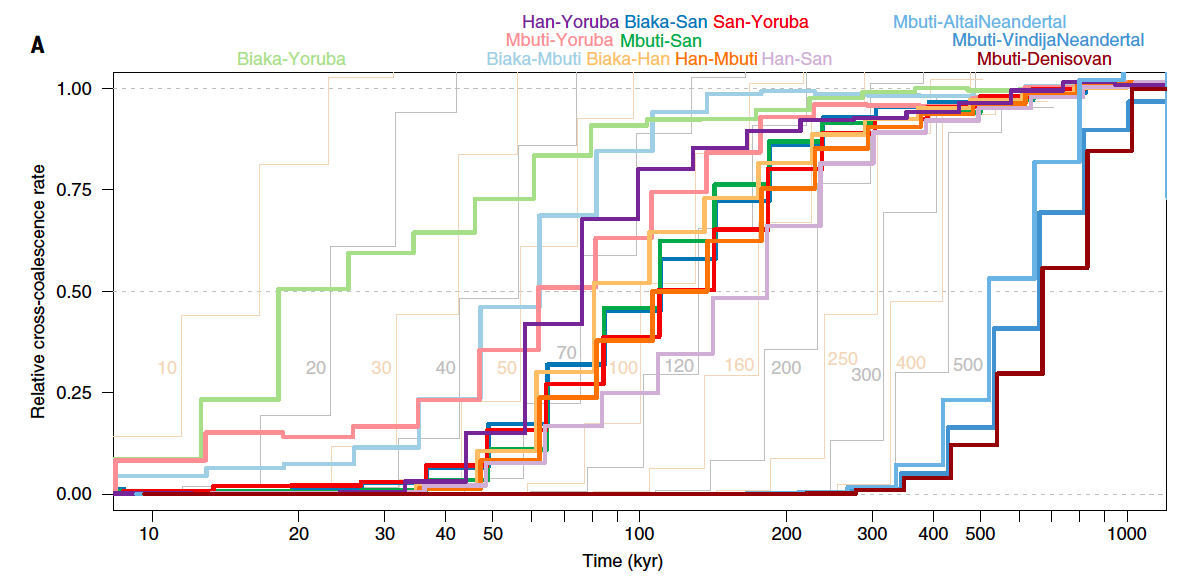
Among the findings: simulated tree-like histories >200kya (thin lines) don't fit African genomes—more complex gene flow. https://t.co/fYakGsTZng
We've offered our scientific resources & expertise to help the Government's fight against #coronavirus by increasing @PHE_uk's & @NHSuk's capacity to test for #covid19
300 of our researchers have volunteered to help scale up testing. More here ⬇️
https://t.co/XQ6TLoD8f9