What are the opportunities for effective and efficient seabird conservation response to climate change?
Interesting new paper in The Society for Conservation Biology
Perpaps a good read for us not attending #CoimbraSeabirds
https://t.co/NhdESvMpFX
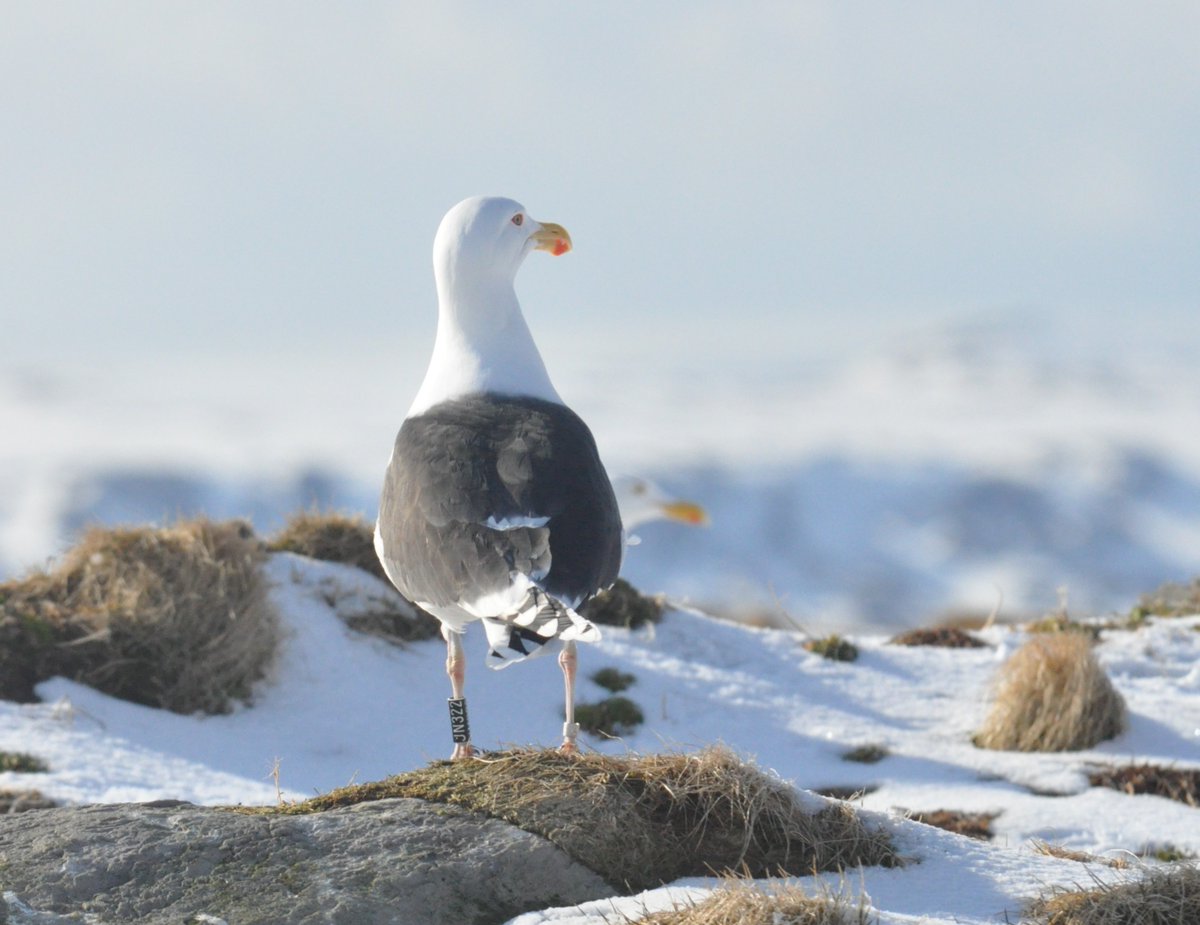
Our new paper lead by @katelm92 shows effects of ocean warming and polutants on GBB gull survival - combining our longterm data of demography and geolocators from Hornøya
@NINAnature@AnimalEcology#seabirds
In 55 years we have never seen the seabird colonies on Canna in a worse state. Fulmar, gulls, shags and guillemots at or near record low numbers. Breeding productivity figures for most species well below long term averages. Food supply a big issue.
How can cities be designed for everyday nature?🌿 Visintin et al shared that the disciplines of urban and architectural design and #conservationscience need to be combined to enhance #nature in cities.🏢 Read more at https://t.co/qwypvAVn3O
#conservation#science
The survival cost of reproducing in cormorants is not due to increased energy expenditure, despite having large clutches [for a seabird].
Recent paper from Middleton Island led by Teo Barracho and @killerwhelan
https://t.co/sqftMuEBg5
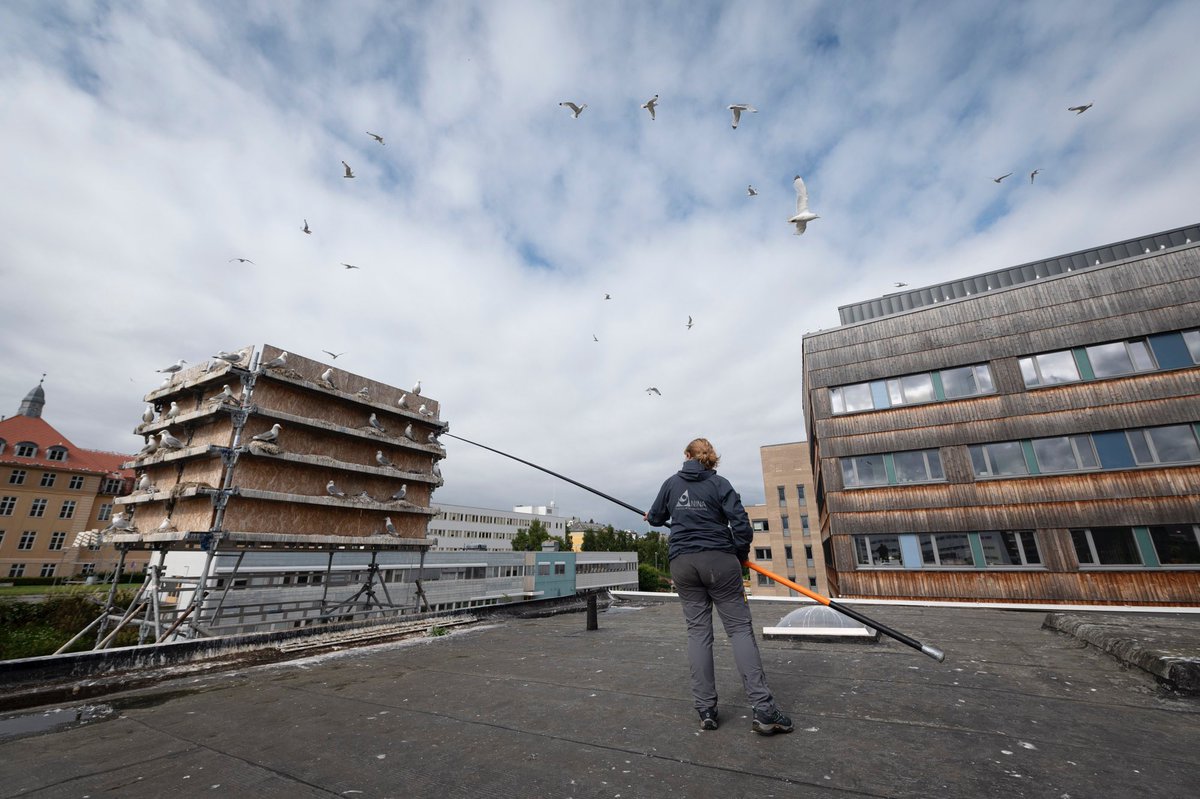
Fieldwork variations: From birdcliff to urban environments: we continue our ringing and monitoring of urban Kittiwakes in Tromsø. Yesterday we ringed at Kittiwake hotels in a park and on a rooftop in Tromsø #urbankittiwake@NINAnature#seabirds
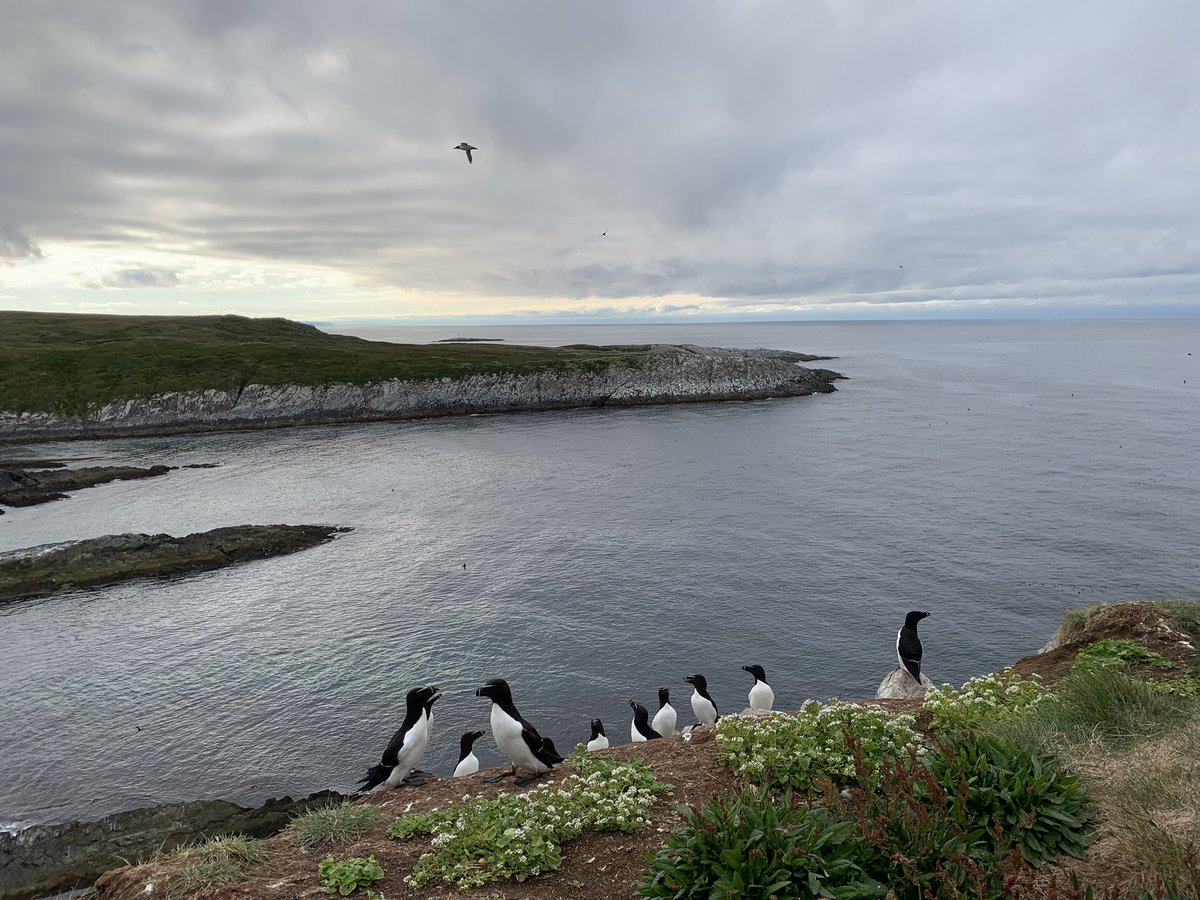
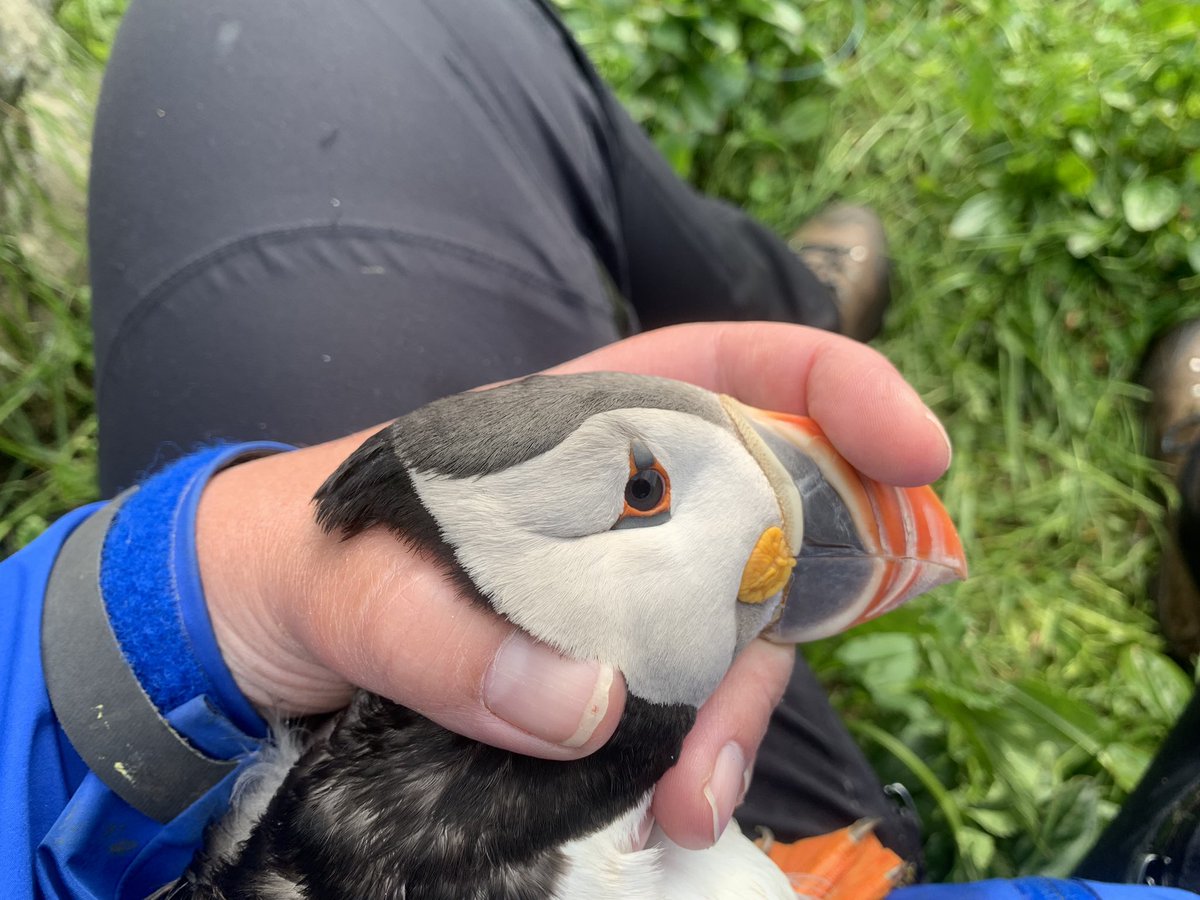
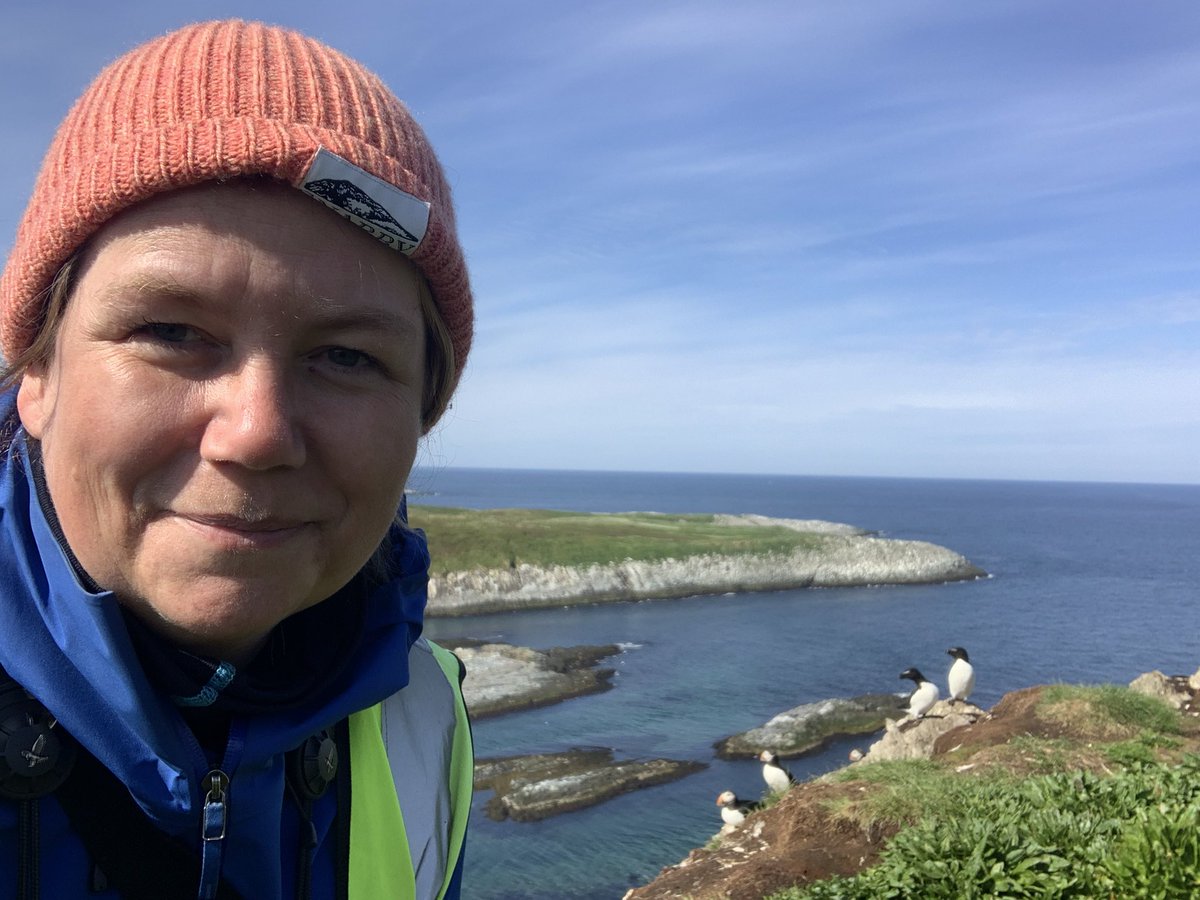
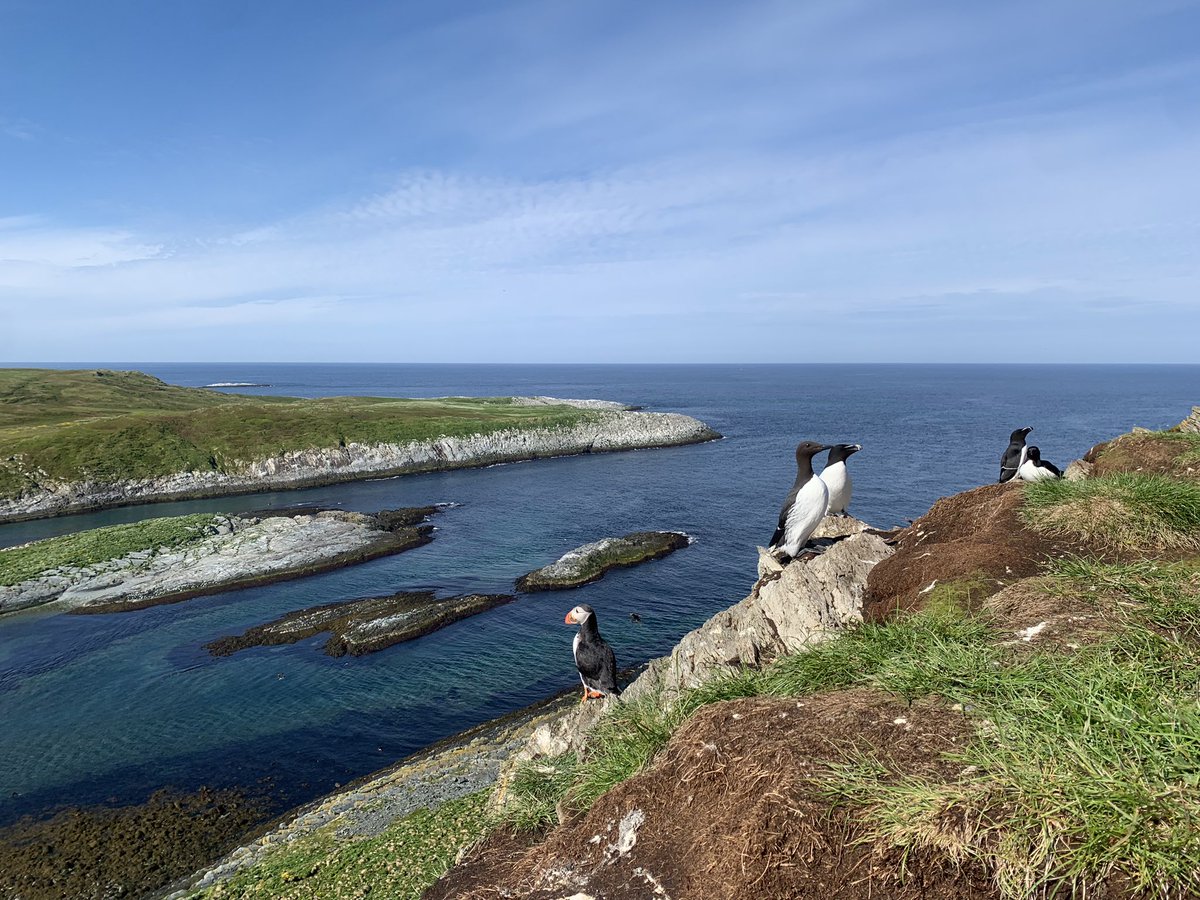
Fieldwork on Hornøya is continuing. Ringing and tagging of puffins and razorbills in all kinds of weather, is primary focus at this stage.
All birds handled carefully and with special permits.
#seabirds#SuperSeabirdSunday#seatrackscience@SEAPOP4@NINAnature
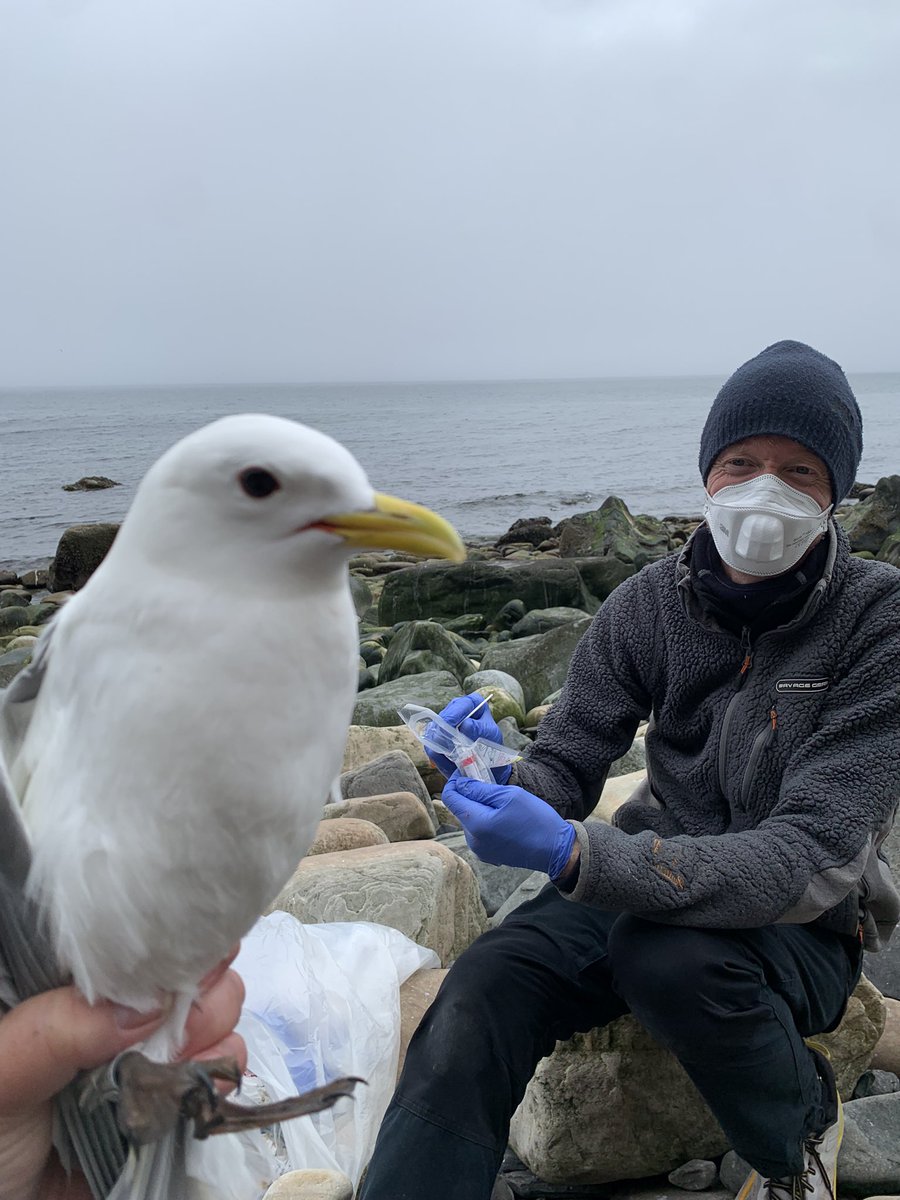
Ringing Kittiwakes at Ekkerøy in East Finnmark while being filmed by national TV. Colab with vets - checking for HPAI antibodies after last years devastating outbreak that killed 15k. Chick productions is promising and weather is fab! #seabirds@NINAnature
Devastating scenes from Hornøya. several hundreds oiled #seabirds Mainly auks, but also Kittiwakes, gulls and shags. No source detected, but strong easterly winds suggest potential spill come from east. Worst scenario now - beginning of breeding season
Several #seabird species, especially common guillemots and #puffins in the SEAPOP-colony Hornøya, are currently affected by an #oilspill. The source of the oil is unknown. Article in Norwegian - pictures speaking for themselves
#pollution https://t.co/fBoaJTARrK
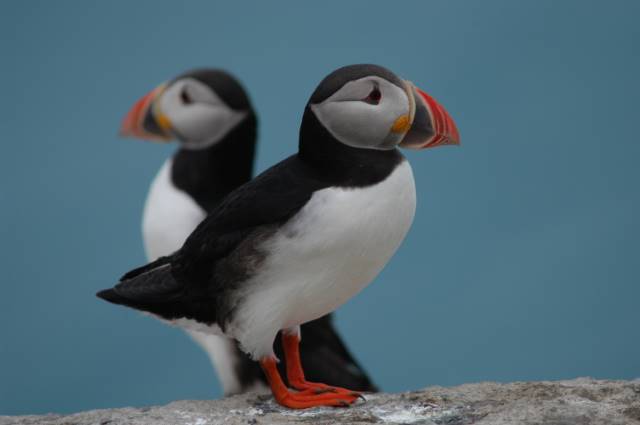
@SteelySeabirder Morning from Northern Norway, and here are some puffins flying into the midnight sun in the Barents Sea this summer 😊 #SuperSeabirdSunday
Terrible scenes from Eastern Finnmark Norway the last couple of weeks - 12 000 dead Kittiwakes collected so far. Majority found close to the most important mainland colony, Ekkerøy
Workers collected dead birds in Norway's Arctic town of Vadso as the country faces a record outbreak of bird flu this year that has killed thousands of birds, according to officials https://t.co/I9B8RU1Xwg
@KlausRiede@NINAnature We ring them and deploy geolocators to get info of population annual survival and kon-breeding distribution. Crucial knowledge enabling us to provide better management and conservation
Bird flu is hitting very hard along the Barents Sea coast at the moment. Hundreds of dead Kittiwakes in some locations. This is really devastating for a species already in steep decline:
Bird flu outbreak hits Barents Sea coast https://t.co/QaKzaaKObc






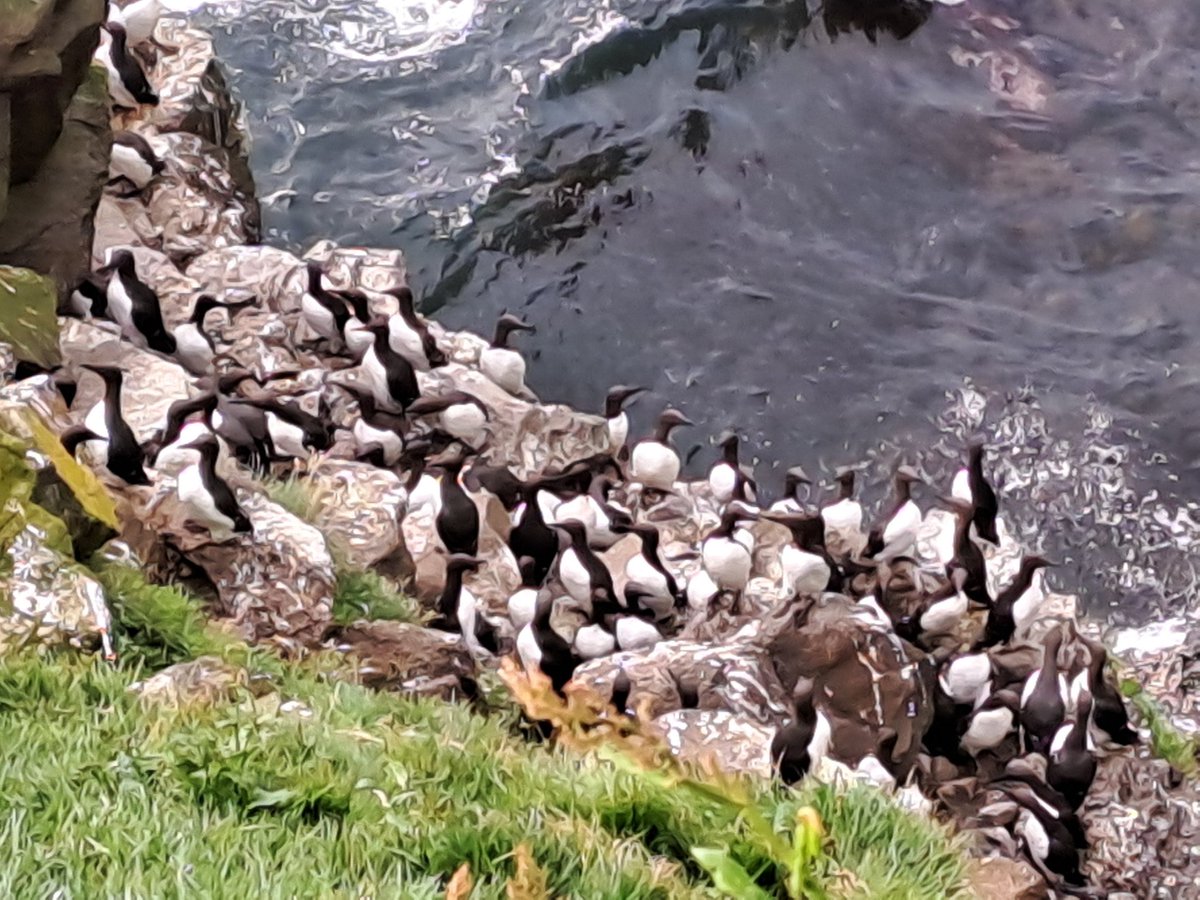

![ArcticEcology's tweet photo. The survival cost of reproducing in cormorants is not due to increased energy expenditure, despite having large clutches [for a seabird].
Recent paper from Middleton Island led by Teo Barracho and @killerwhelan
https://t.co/sqftMuEBg5 https://t.co/I04eUcBxKu](https://pbs.twimg.com/media/GTLqPX-XAAAFHzX.jpg)