The survival cost of reproducing in cormorants is not due to increased energy expenditure, despite having large clutches [for a seabird].
Recent paper from Middleton Island led by Teo Barracho and @killerwhelan
https://t.co/sqftMuEBg5
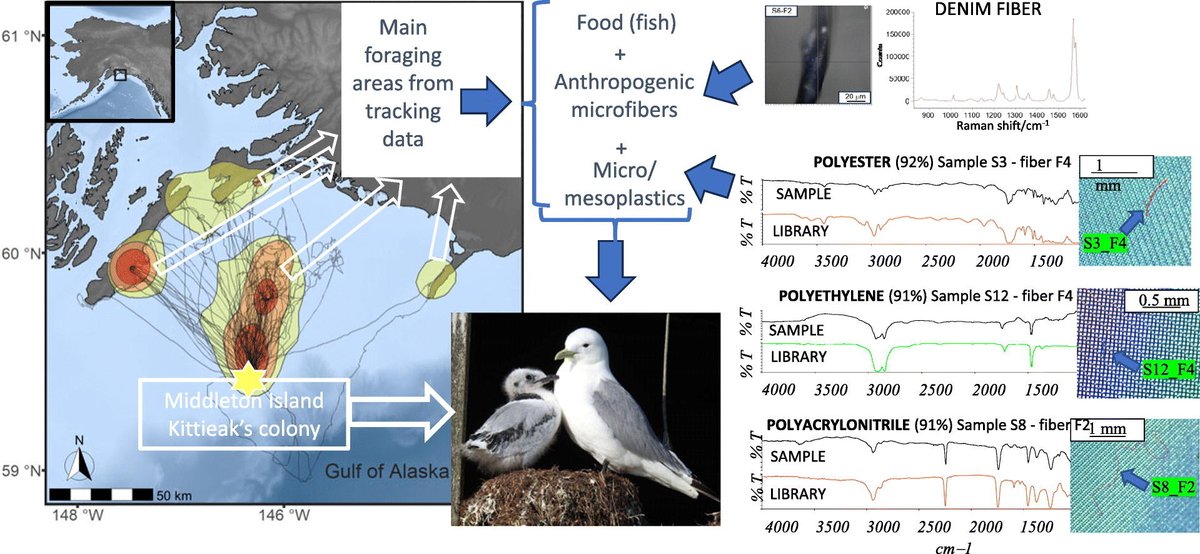
Junk food: GPS tracking reveals that kittiwakes ingest indigo-dyed plastic fibers in the Gulf of Alaska & feed them to their young.
New paper out #OpenAccess below, led by Paolo Tremolada & Univ Milan.
https://t.co/LVlOgpcDTy
The first #gull chromosome-level #genome assembly is available! Check out our paper presenting a new black-legged #kittiwake genome
https://t.co/PeERpdqUJD
👇👇 a couple of highlights:
Thrilled to share our co-produced (@dunnezaman@mateens22 @sarperotto @akmenzies @JessPopp @HebblewhiteLab @mprice_org) work published today in @ScienceMagazine on braiding Indigenous rights and endangered species laws for culturally-meaningful recovery. https://t.co/TC3Sbb5txF
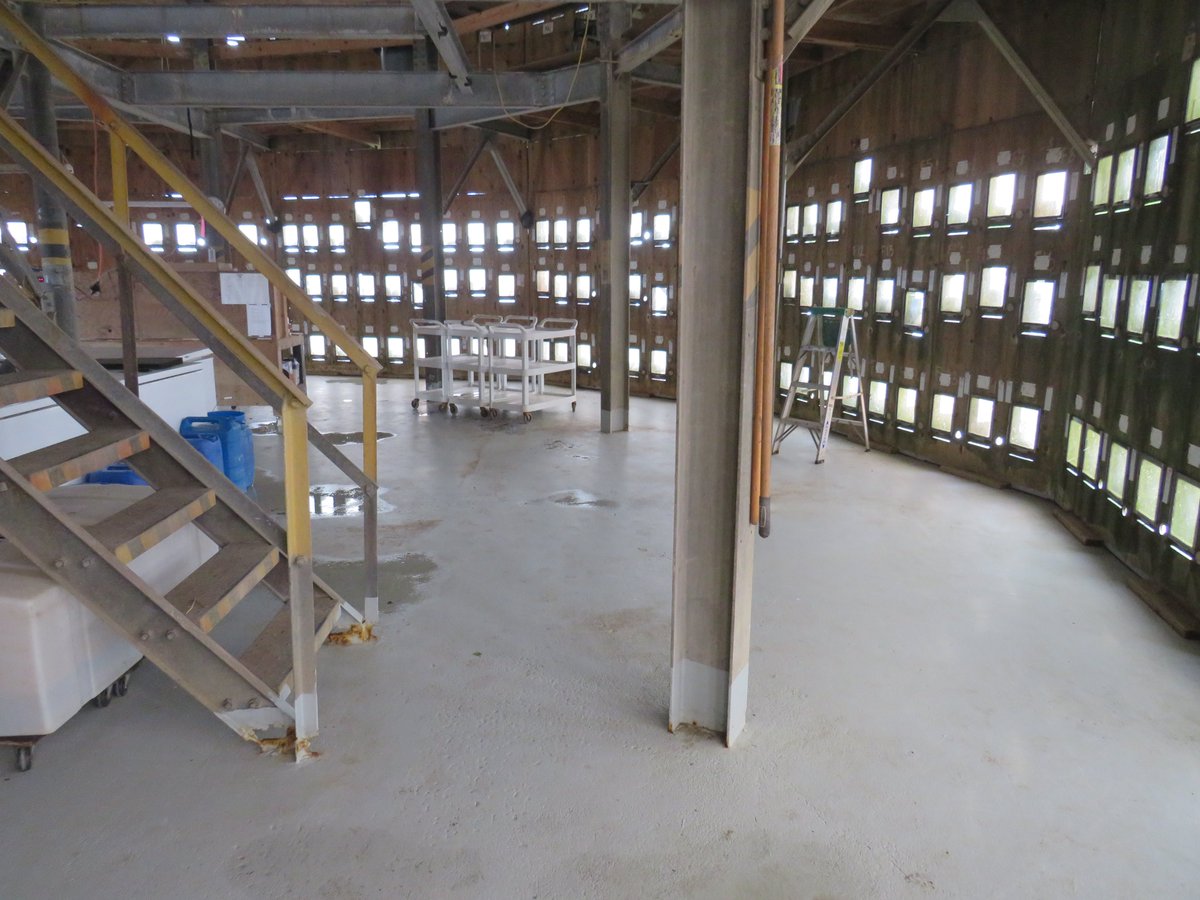
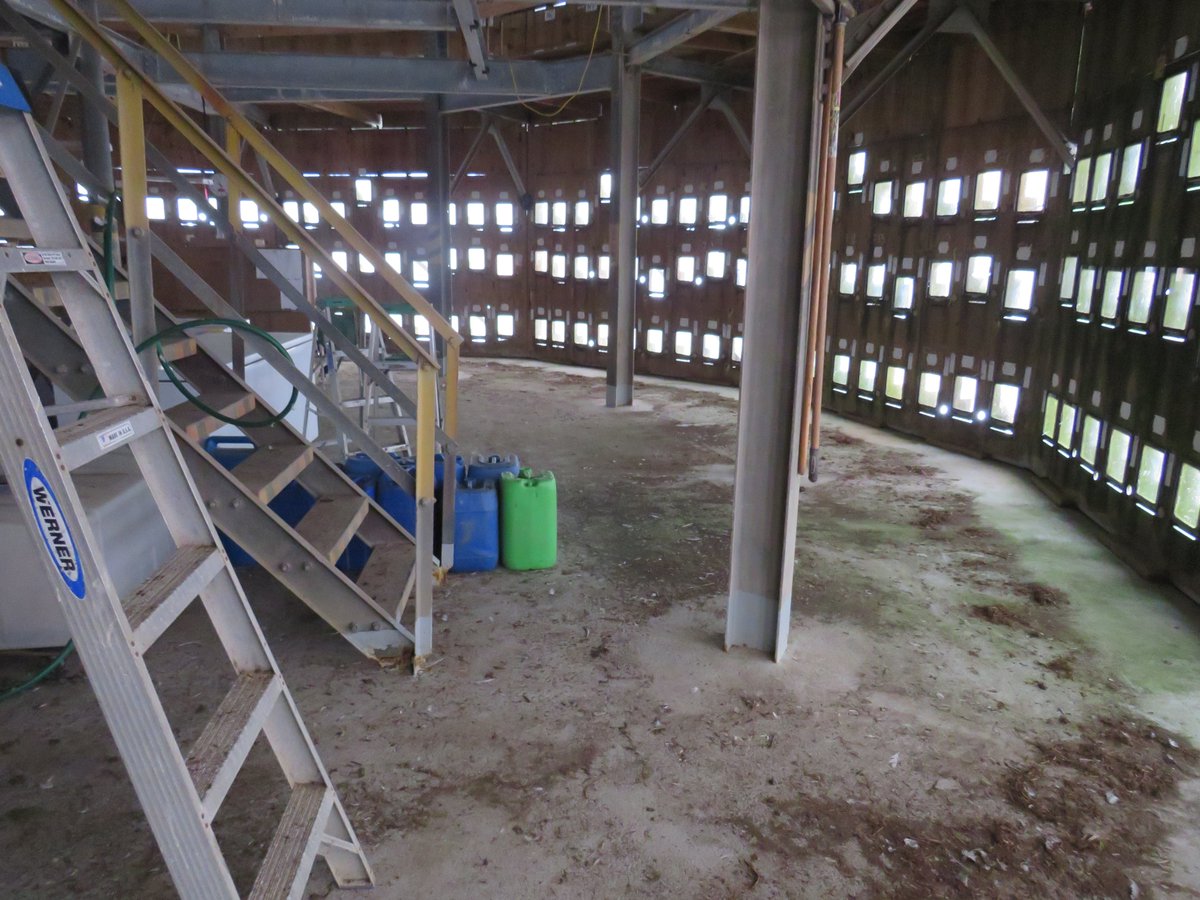
Yesterday was exciting! Kittiwake persistently visiting Kittiwakery tower. At one point four birds squabbling over a ledge! Fingers crossed they might nest. It is late in the season however so they may just be gathering 'social information' for next year's breeding season.
@rcannon992 It was built as a US Air Force radar tower, abandoned, and kittiwakes started using it in 1980s. USGS then retrofitted it in the 1990s to increase nesting habitat and research (Middleton Island, Alaska)
@Buteo_malaria @unibielefeld@ChakarovNayden Congratulations, Dr. Rinaud! 🥳 Excellent hat for protection from kittiwake bombs, you should bring it to Middleton.
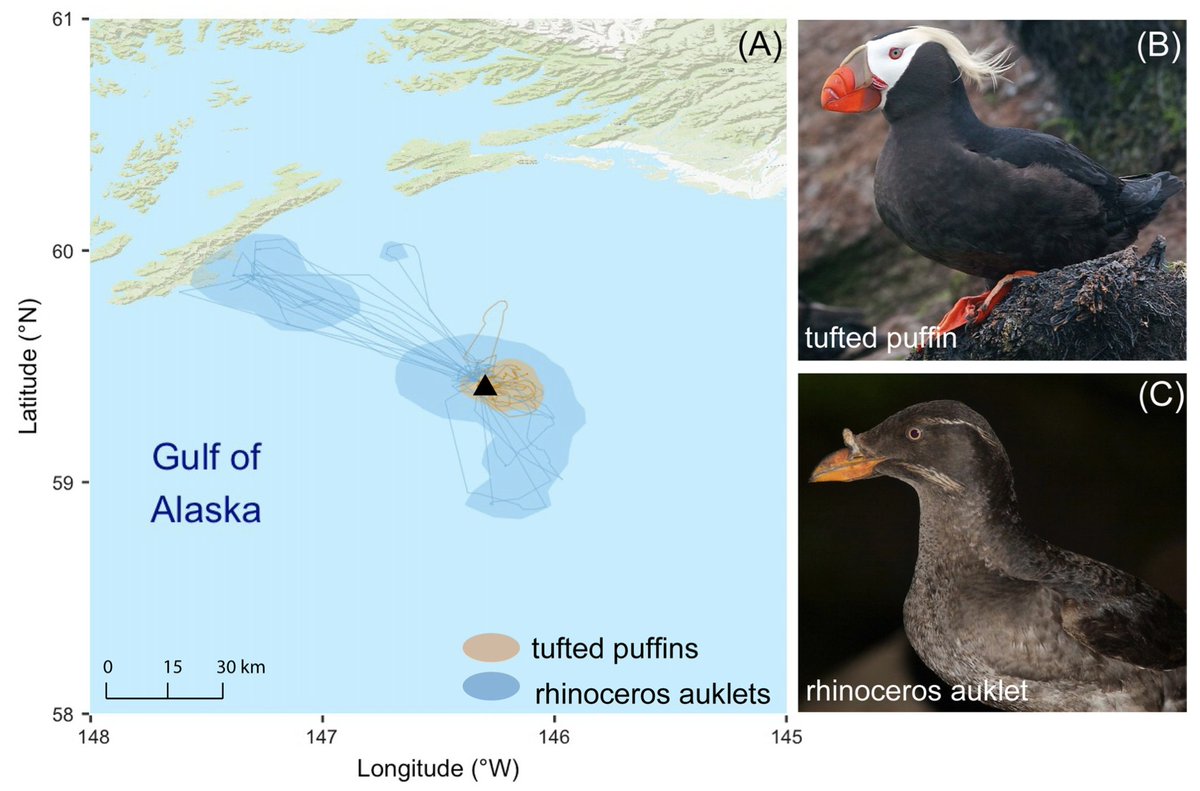
Puffin Partitioning: tufted puffins and rhinoceros auklets may eat similar things, but their year-round movements are quite different
https://t.co/x3RZBHsWEL
Middleton Island kittiwakes are on the cover of Proc B!
@zedmorgan's elegant, integrative experiment "Telomere length correlates with physiological and behavioural responses of a long-lived seabird to an ecologically relevant challenge" is #OpenAccess: https://t.co/ILfInZXQk1
Thanks to co-authors Scott Hatch, @Knomealone, @AChangingArctic and @ArcticEcology. This project took some time (1st chapter to start, 3rd to finish), so it's a very good feeling to see it out in the world.
A PhD chapter came out while I was in the field!
Kittiwakes bred earlier (and better) under colder climate--not a great fit for the future
Murres bred earlier as the Arctic warmed up--but only by ~1 wk, while sea-ice out dates are ~1 mo earlier
https://t.co/fOf5HPEoEr







![ArcticEcology's tweet photo. The survival cost of reproducing in cormorants is not due to increased energy expenditure, despite having large clutches [for a seabird].
Recent paper from Middleton Island led by Teo Barracho and @killerwhelan
https://t.co/sqftMuEBg5 https://t.co/I04eUcBxKu](https://pbs.twimg.com/media/GTLqPX-XAAAFHzX.jpg)