#UofT Professor Emeritus Geoffrey Hinton has won the 2024 Nobel Prize for Physics.
Hinton shares the prize with John J. Hopfield “for foundational discoveries and inventions that enable machine learning with artificial neural networks.” #NobelPrize https://t.co/NkWyAwi3eZ
Nature rejected her paper for not being original,
University of Pennsylvania (her employer) demoted her,
and yesterday Katalin Karikó won the Noble Prize in physiology.
In mid-2000s, Karikó and her Drew Weismann submitted their paper on mRNA (messenger Ribonucleic Acid) to Nature.
Nature desk rejected their paper for being "an incremental contribution" only. The paper was later published in another journal, Immunity.
Earlier in her career at the University of Pennsylvania, Karikó was demoted because her applications for grants kept getting rejected.
But Karikó persevered and kept on going.
In 2013, she joined BioNTech, a German company founded by two scientists, Uğur Şahin and Özlem Türeci. In 2018, BioNTech partnered with Pfizer to develop mRNA vaccines against the influenza virus.
When the COVID-19 hit the world, Karikó's research helped Pfizer to produce the first vaccine against the disease.
I don't know how the Nature editors who desk rejected Karikó's paper and the Penn administration who demoted her feel about Karikó Nobel Prize.
Takeaway: Many academics and scientists worry about getting published in "prestigious" journals. Instead of worrying about prestige, we should try to put our work out as quickly as possible like Karikó did.
Once you put your work out without caring about prestige, two good things happen:
1. Your work will lead to newer opportunities.
2. You will start getting feedback from the scholarly community, which you can use to iterate and improve.
Here's another interesting Nobel Prize story.
Peter Higgs, a British physicist, joined the University of Edinburgh in 1956. By 1964, Higgs has published his groundbreaking work about subatomic particles.
After 1964, Higgs published less than 10 papers.
When his department would ask him how many papers, he published in a given year, he would reply "None."
It happened so often that he stared feeling like an "embarrassment to the department."
The University of Edinburgh, however, never fired Higgs because in 1980 he had been nominated for the Nobel Prize.
Higgs retired in 1996 and stayed on as an emeritus professor at Edinburg.
In 2012, experiments conducted at the CERN laboratory confirmed Higgs work and the existence of Higgs Particle.
And in 2013, Higgs was awarded the Noble Prize in physics and the University of Edinburgh got rewarded for being patient.
@STARProtocols@CellPressNews 🔍Curious about anesthesia's impact on #brain? This protocol introduces an approach to studying cell-surface protein changes. The focus on α5-GABAA receptors illuminates the path to understanding post-anesthetic cognitive impairments. 🧠🔬 #Neuroscience#Anesthesia@IARS_Journals
🧠Our latest protocol paper is available now at @STARProtocols !! We published a method to study cell-surface proteins in hippocampal slices post-sevoflurane anesthesia in vivo. 🐭🌬️
#Neuroscience#research@CellPressNews
https://t.co/Wn9i9Xsadg
Organized entirely by trainees 👏👏 coming up this week the inaugural Temerty Faculty of Medicine Research Showcase with an exciting program emphasizing interdisciplinary clinical/translational research across Temerty Medicine https://t.co/qZ4CGljf5Q
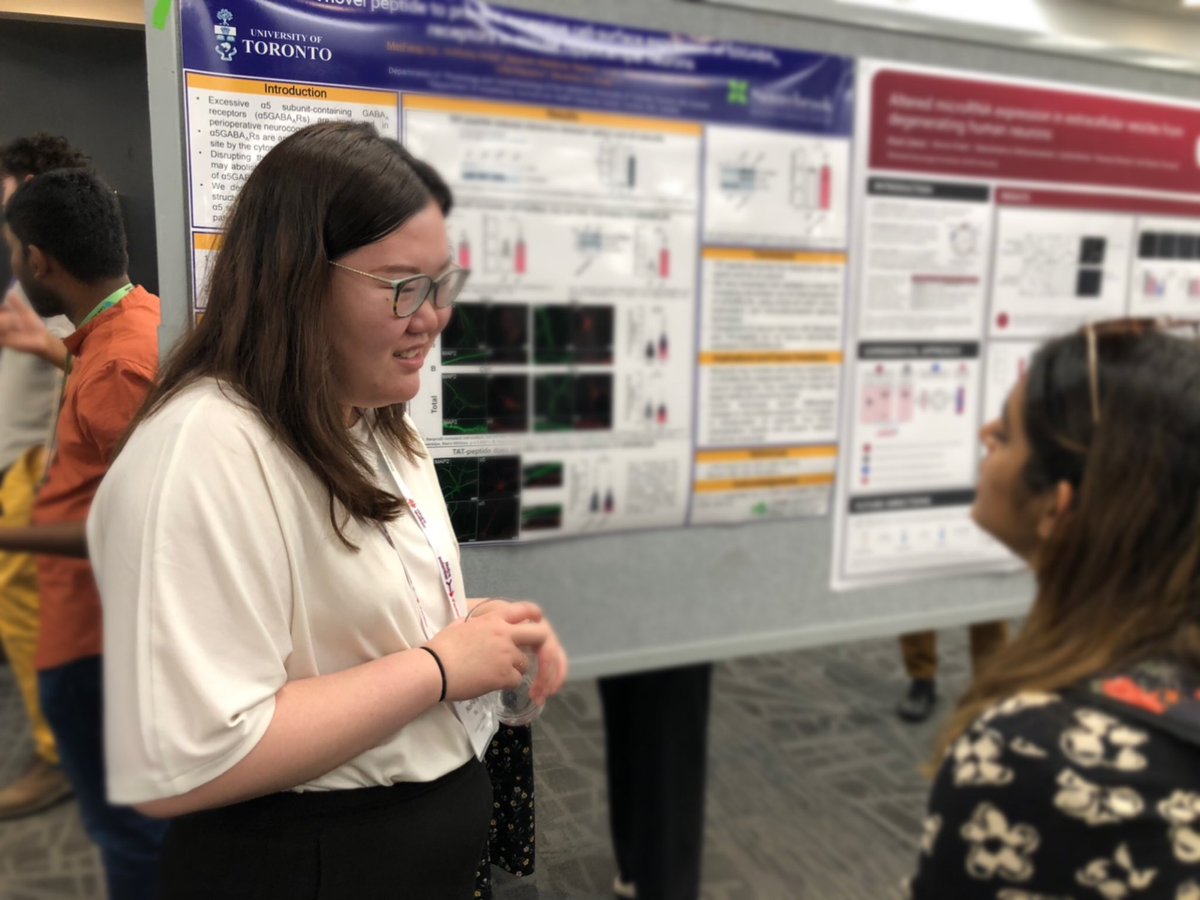
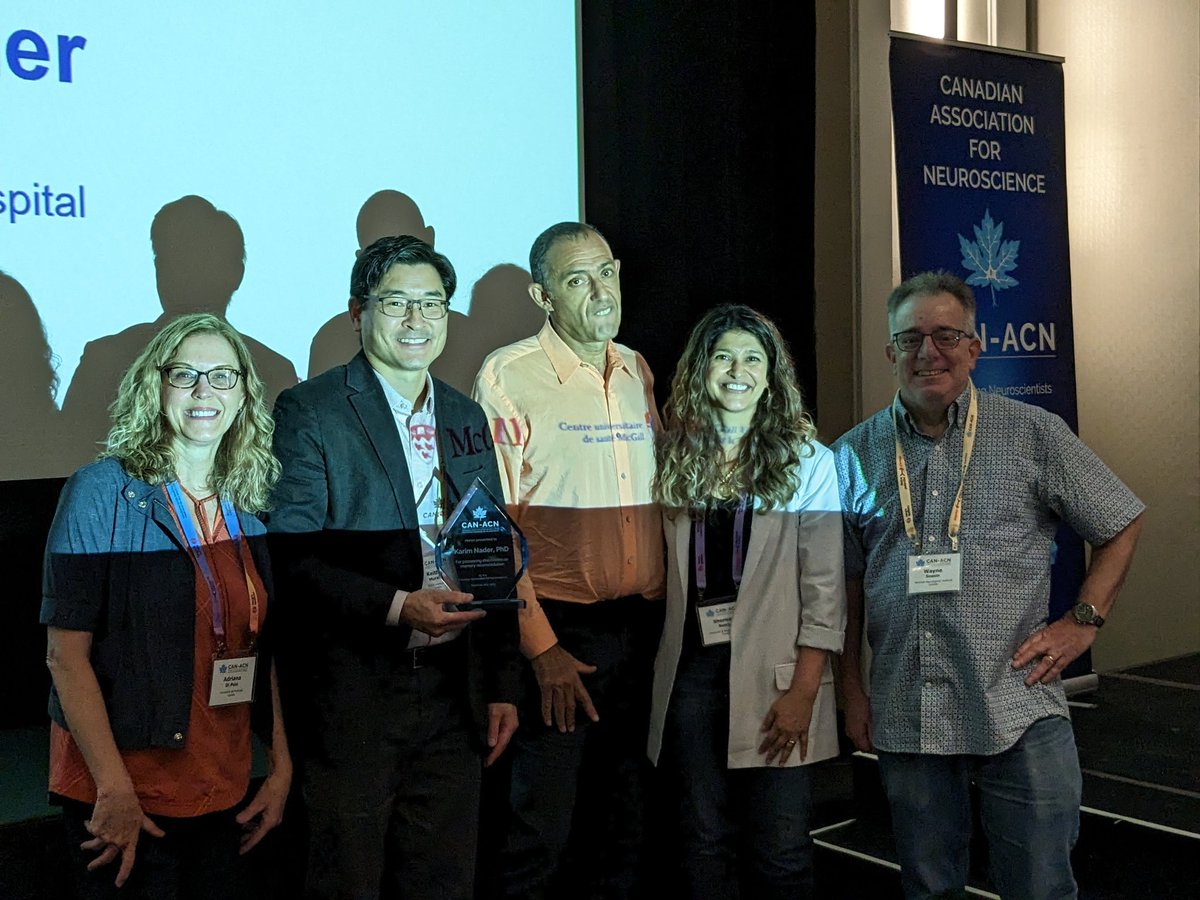
Back in Toronto after #CAN2023 in #Montreal. Three of our graduate students from Orser Lab at @uoftmedicine showcased their research at @CAN_ACN. We appreciate everyone who came to see our posters and provided valuable feedback. Looking forward to next year.
The Impact of Inflammation and General Anesthesia on Memory and Executive Function in Mice
@Tony_anthariz et al.
🐭 An interplay between inflammation and general anesthesia may be important in the development of perioperative neurocognitive disorders.
https://t.co/kA3IaaMLnk
The Impact of Inflammation and General Anesthesia on Memory and Executive Function in Mice
@Tony_anthariz et al.
🐭 An interplay between inflammation and general anesthesia may be important in the development of perioperative neurocognitive disorders.
https://t.co/kA3IaaMLnk
We said goodbye to Dr. Shahin K., the most recent PhD graduate from Orser lab. As a very talented scientist, critical and honest, we are very excited to see the new chapter in his career. We are definitely going to miss you in the lab. All the best buddy!
#phdcandidate#graduate
It’s 3 AM. A wife angrily awaits for her scientist husband to come home. He returns, she demands “where have you been!?” He says, “my colleagues went out for drinks, we met some flirty women and one thing led to another.
Wife says, “LIAR! You were in the lab again weren’t you!”
Every academic has to apply for a grant at some point in their career.
But few know how to go about it.
Prof. Betty S. Lai has won several prestigious grants including one by the National Science Foundation (USA).
Here's her road map on how to win a grant:
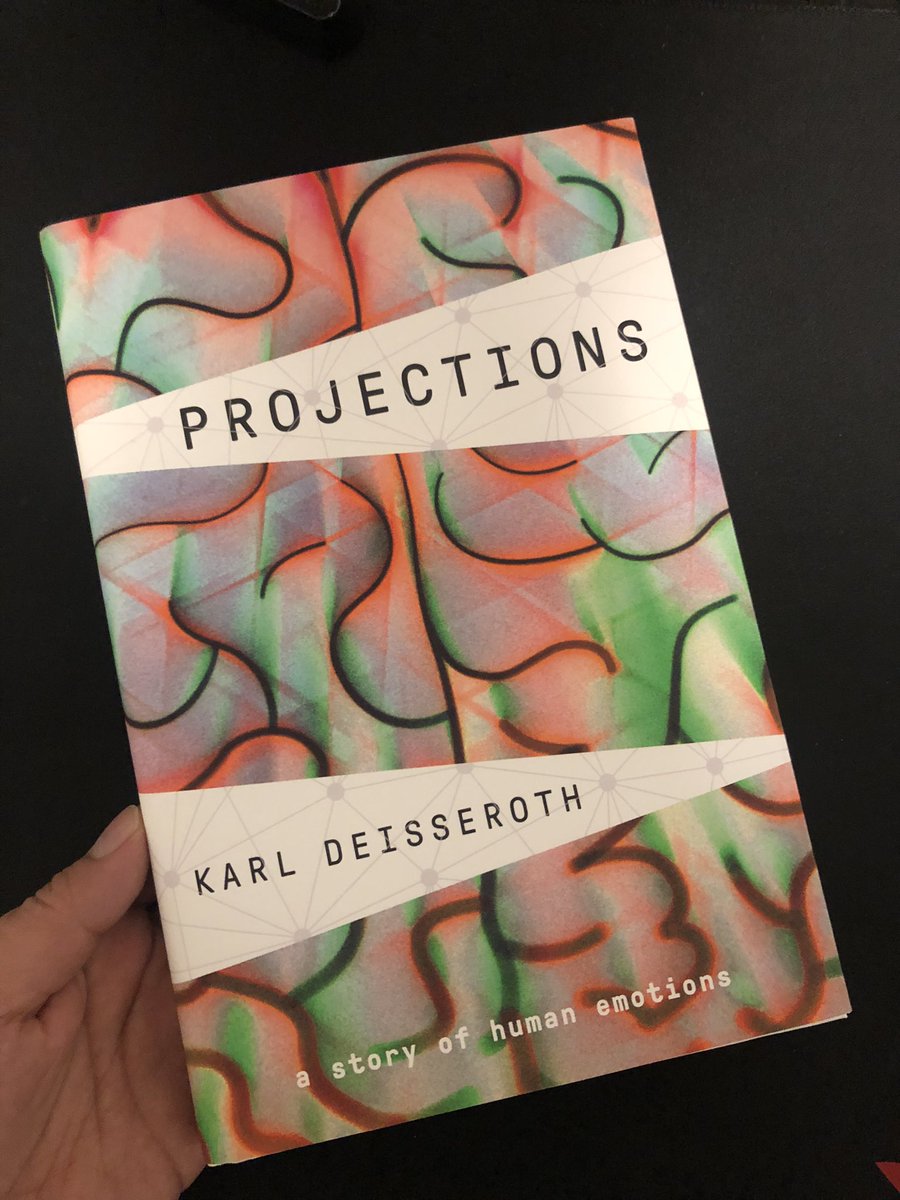
Christmas dinner with my colleagues from Orser Lab!! It has been a while since the last time we went out together. Also got my secret santa present #projections
Impressive! Super-resolution shadow imaging (SUSHI) in fresh slices & IN VIVO. And confocal shadow images (COSHI) to perform live imaging of microglial cells in their anatomical context. Congrats Dembitskaya and colleagues @ValentinNagerl lab
https://t.co/fAKDhAUCWH