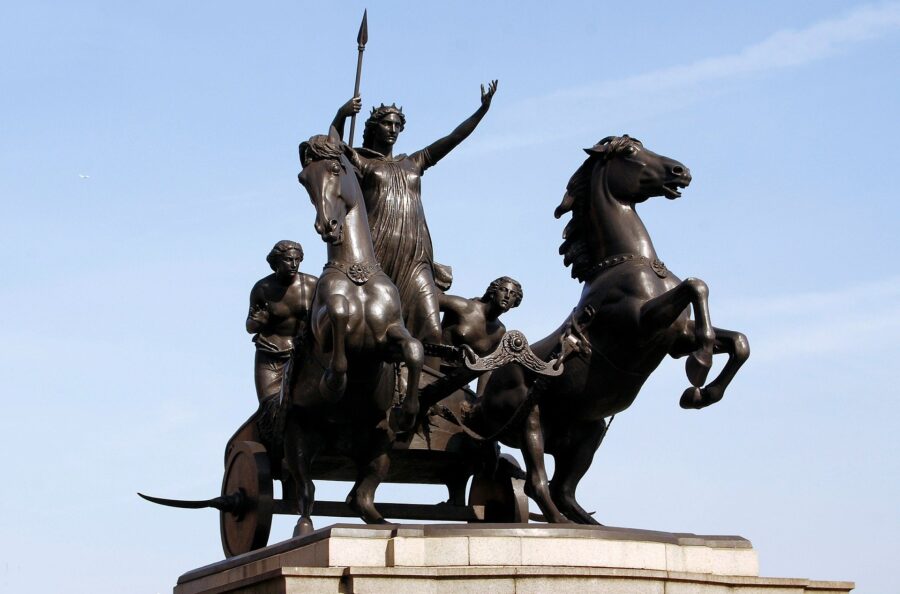
Given that there is no archaeological evidence for her leadership of the rebellion that took place in 60-61 AD, some historians have argued that she was merely a construct of the Roman elite to galvanise support against the Celts during a very troublesome time in Britain
@damolynch@JSArchaeology As a consequence Ireland and Germany don't have anything near as useful as the Portable Antiquities Scheme. Over 1.4 million geospatially located artefacts ready for research, mainly thanks to metal dectorists
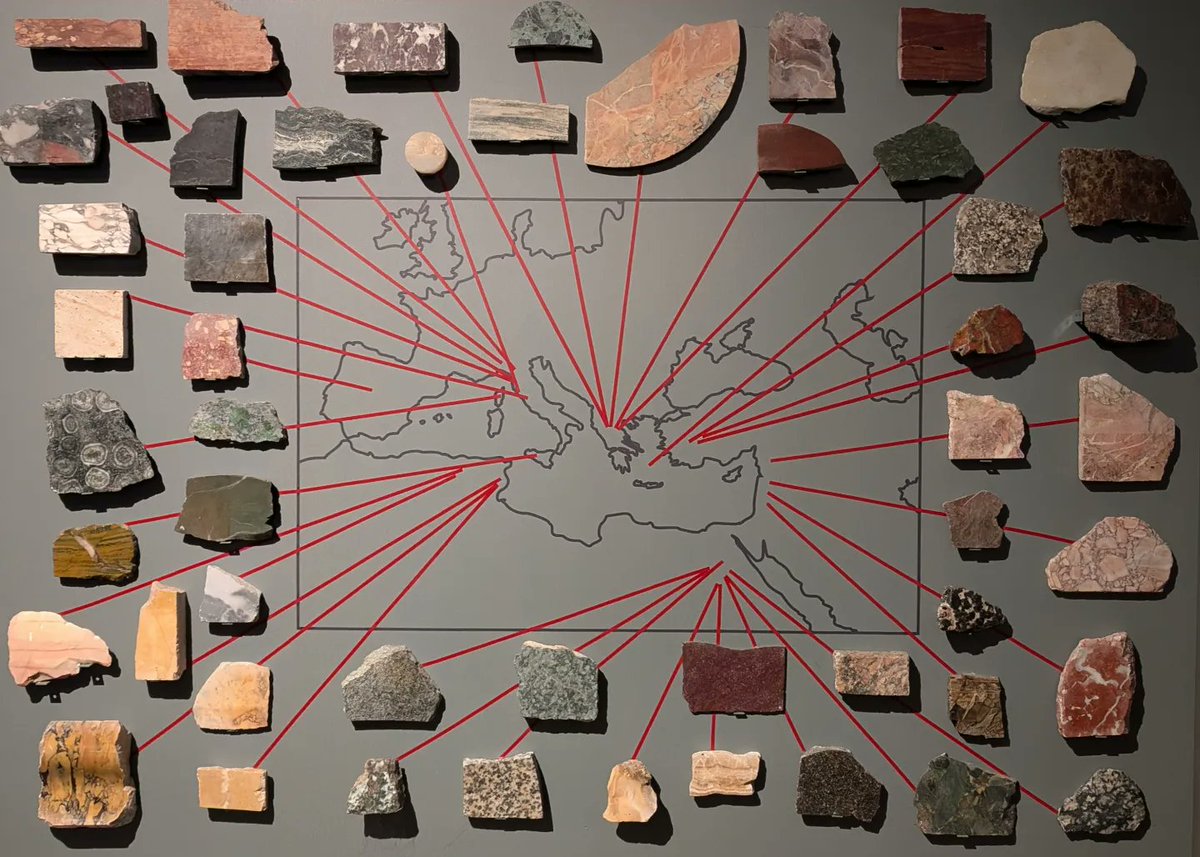
Not only was it beautiful to behold, but it emphasised the Romans' power over the ancient world that they could quarry stone from anywhere in their vast empire and bring it to the eternal city, Roma.
Display from the Museo delle Navi Antiche di Pisa.
Origins of stone used by the ancient Romans to build their monuments, statues, and inscriptions. The first Roman emperor, Augustus, famously said "I found Rome a city of brick, and left it a city of marble." Rome became a gleaming city of the finest stone monuments.
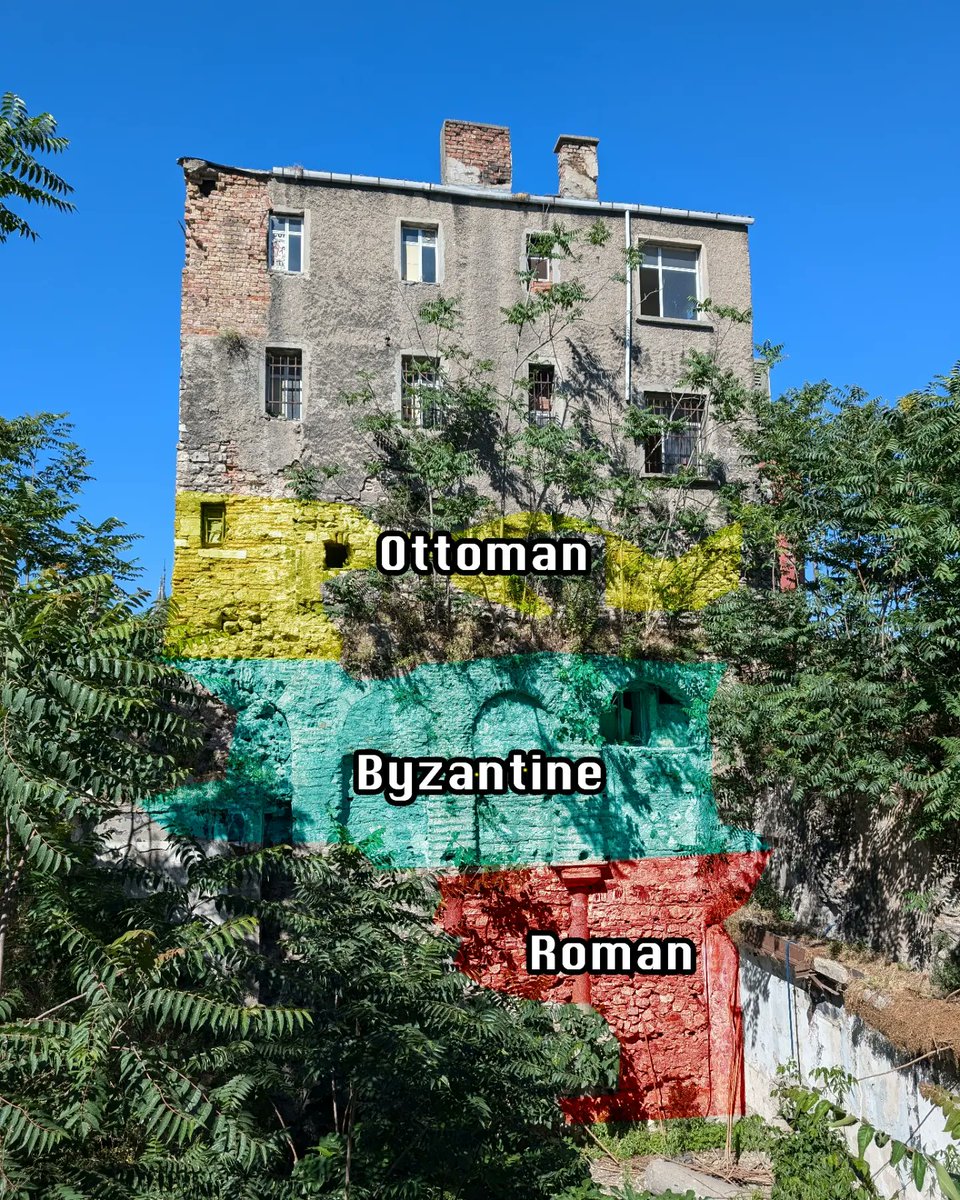
SWIPE ➡️ to see an incredibly historic building in Istanbul that has four distinct levels of occupation: early Roman, late Roman/Byzantine, Ottoman, and modern Turkish.
If any of you happen to be in Istanbul, it's opposite Hacı Beşir Ağa mosque in the Cağaloğlu region of Fatih.