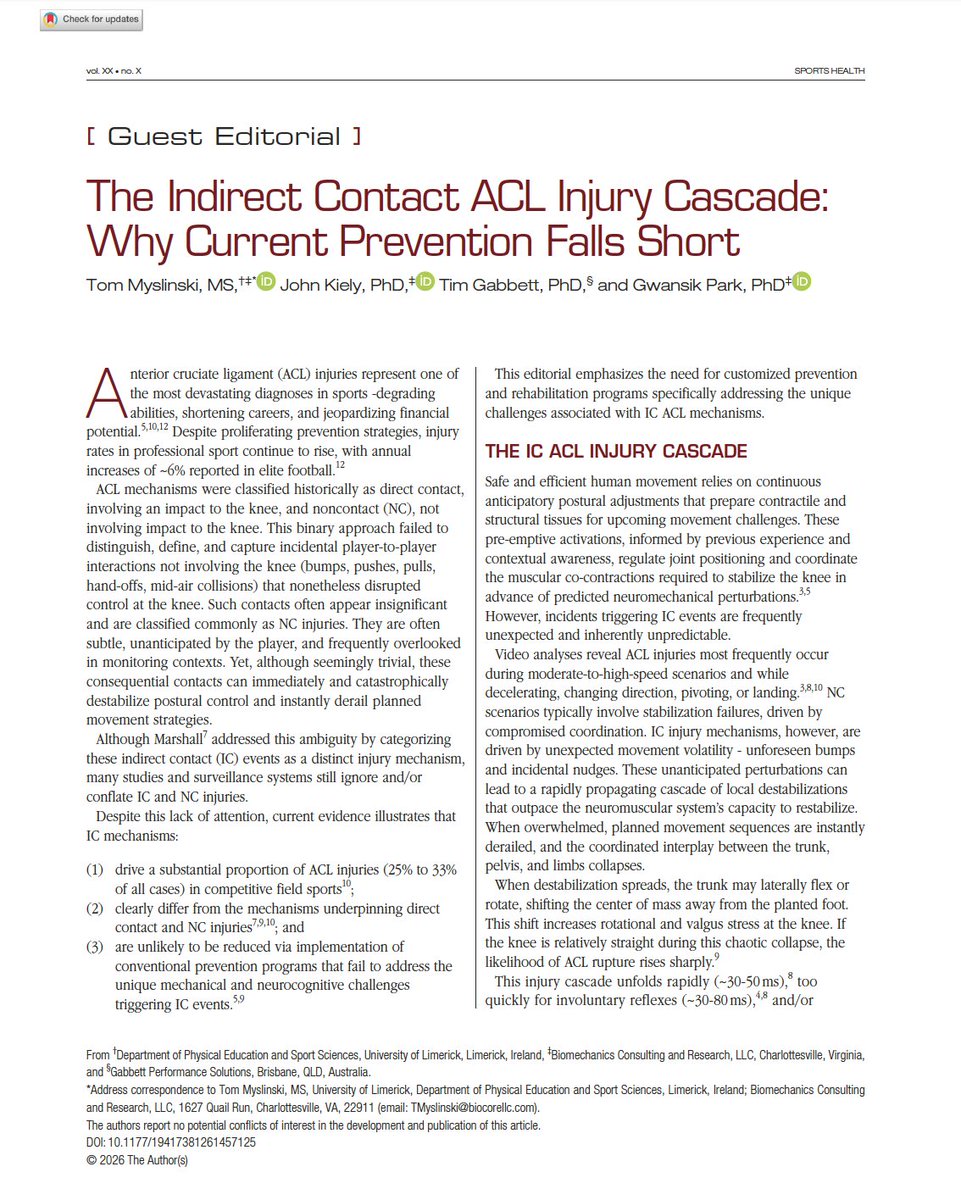
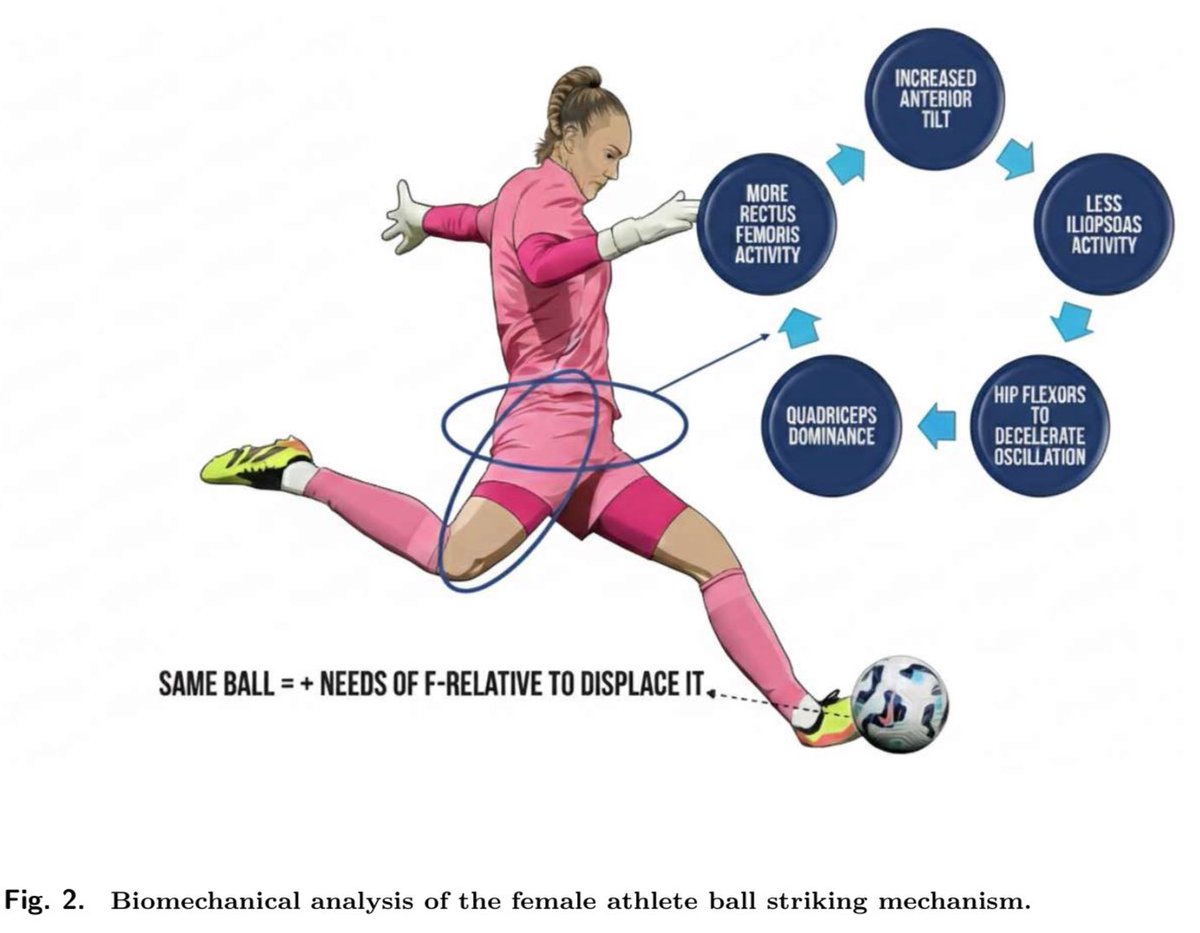
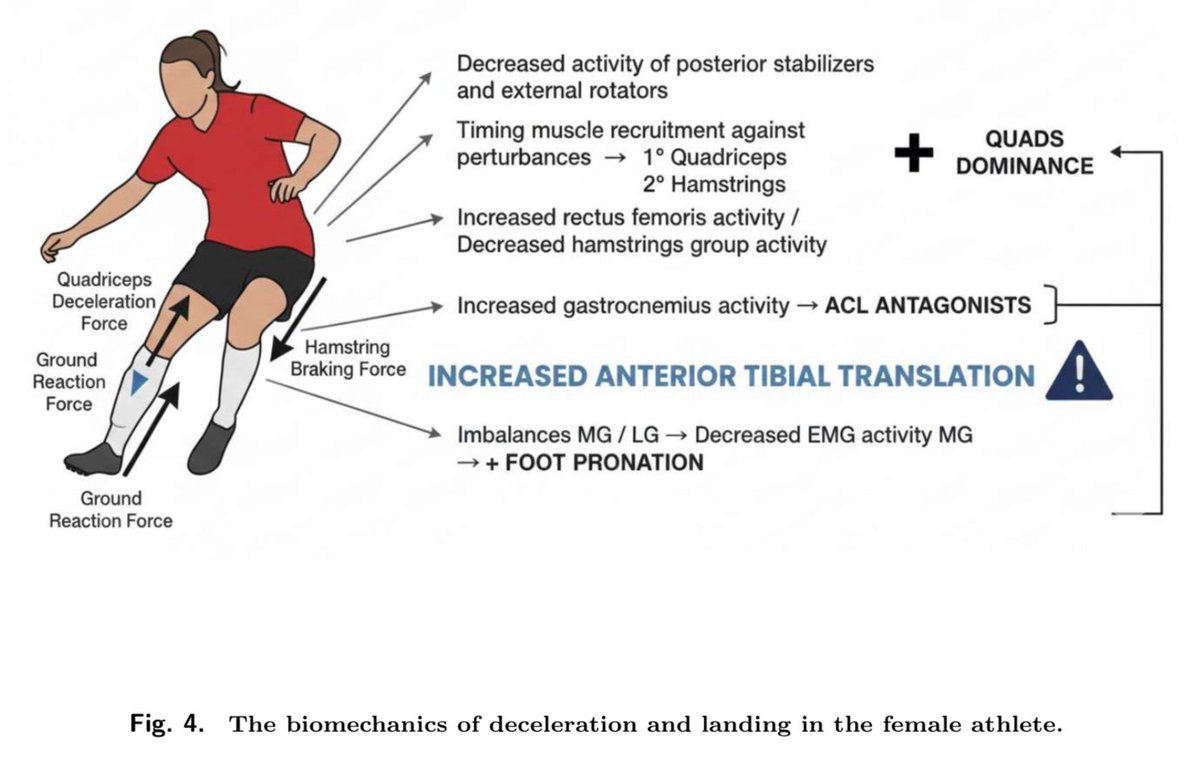
🆕"This editorial emphasizes the need for customized prevention & rehabilitation programs specifically addressing the unique challenges associated with indirect contact ACL mechanisms in ⚽️"
👉T. Myslinski @TimGabbett et al. 2026 🇮🇪
📂Open Access: https://t.co/de4YpgSpgb
🆕"This review aims to provide teams with a practice-compatible framework for implementing evidence-based strategies to protect player health & optimize performance at the @FIFAWorldCup 2026 ⚽️"
👉@chris_esh et al. 2026 🏴
📂Open Access: https://t.co/X05P62aNPa
This position statement provides contemporary, evidence-informed recommendations to guide exercise prescription for anterior cruciate ligament injury prevention.
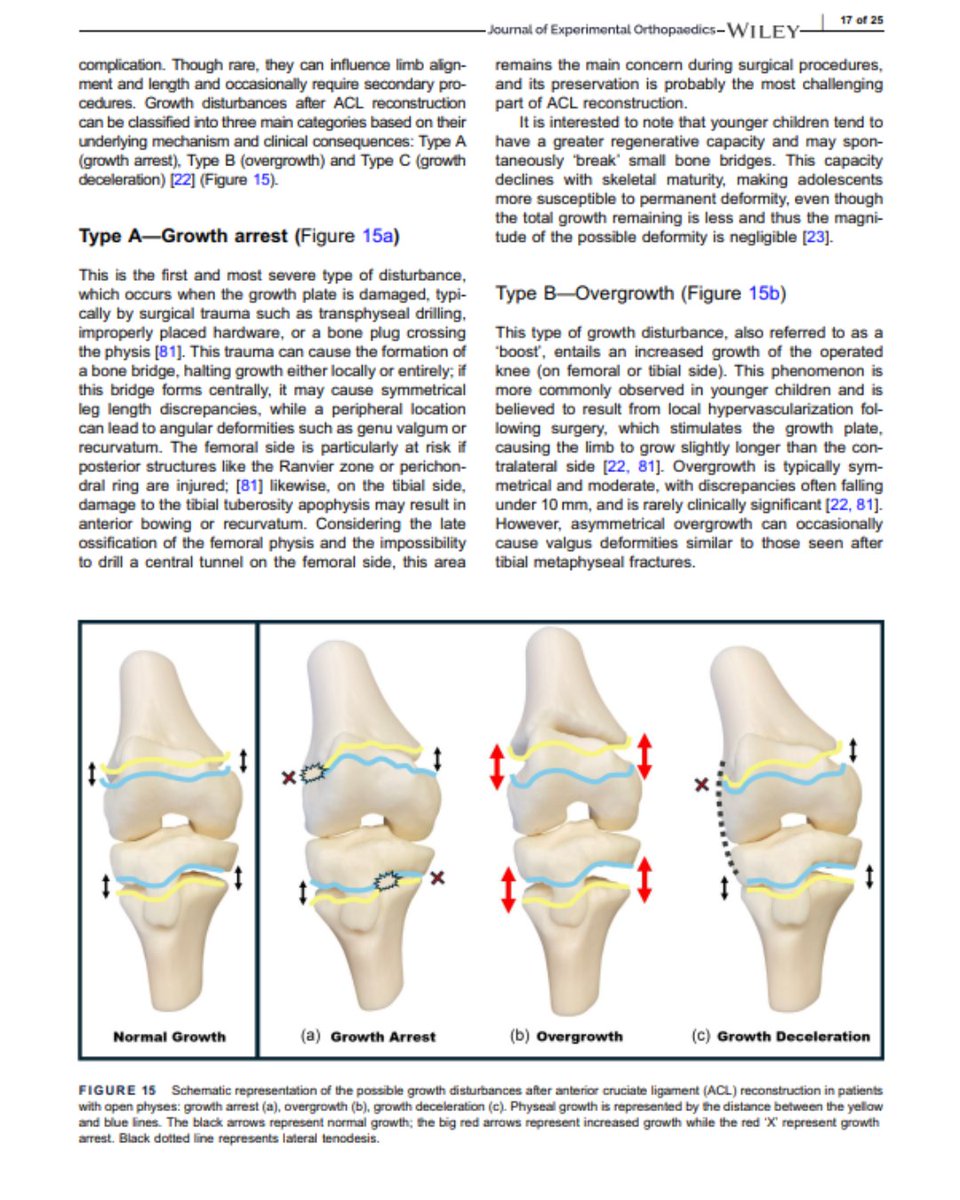
New insights on ACL injuries in skeletally immature athletes
BABY-Knee Algorithm predicts:
• 91.7% conservative failures
• 87.5% no ACLR
Update on assessment, decision-making & paediatric care.
Full-text link📖: https://t.co/g0mTjbvas8
Hamstring injury risk evaluation at Top speed:Braham (2024) suggested incorporating biomechanical analysis into training and rehabilitation could help practitioners better identify and mitigate injury risks. “This research highlights the importance of addressing running technique
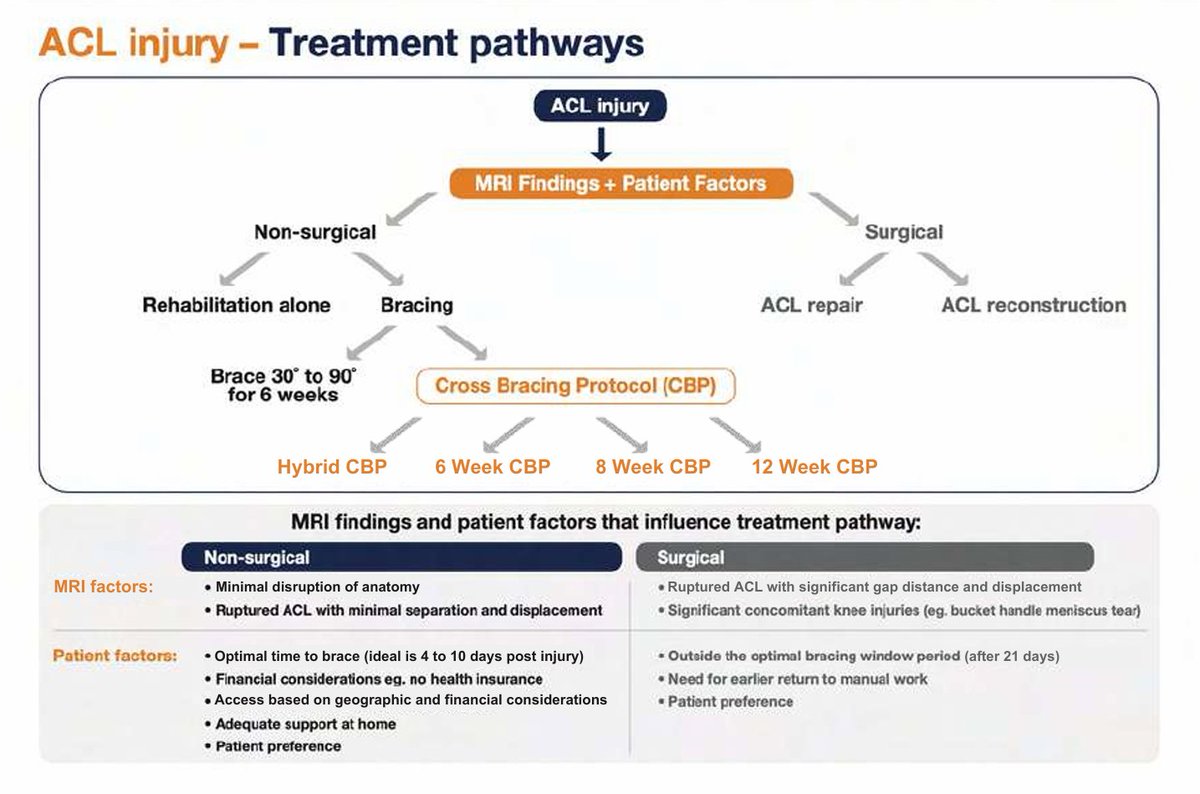
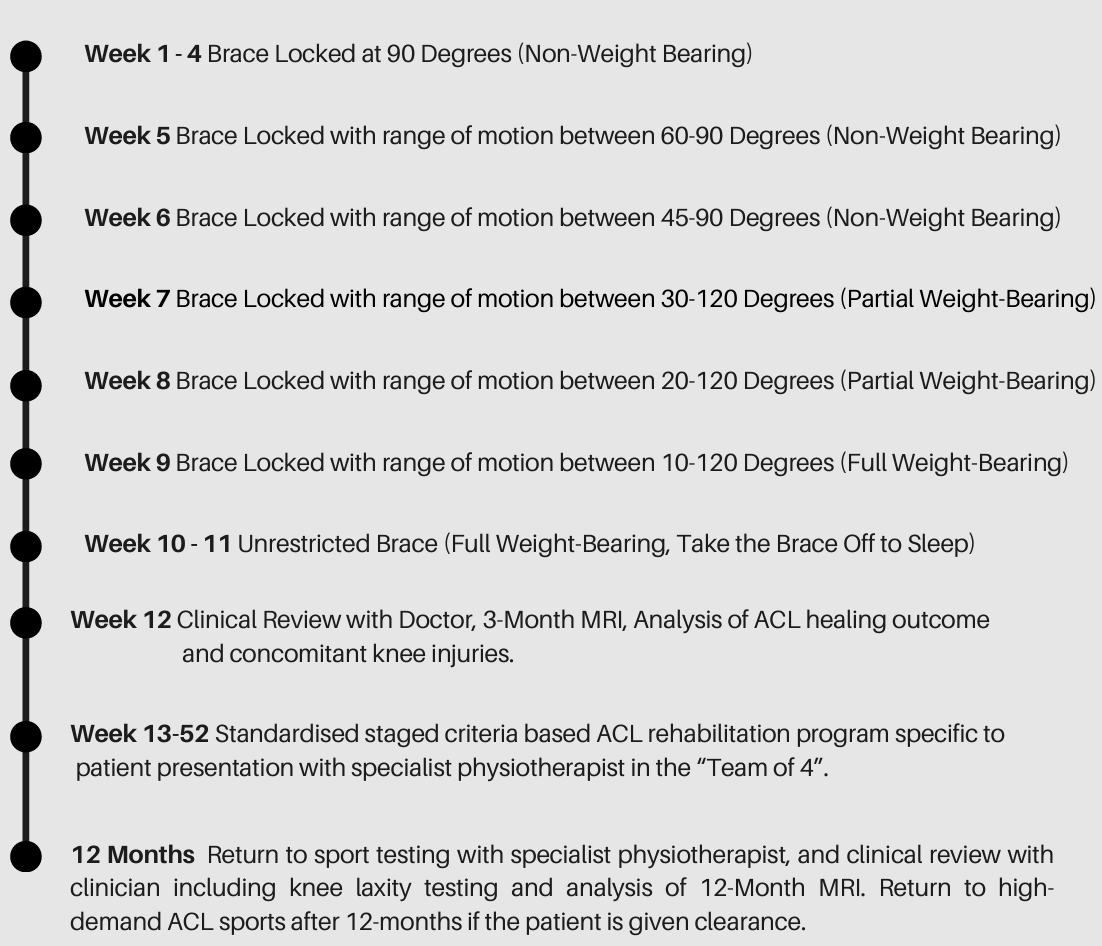
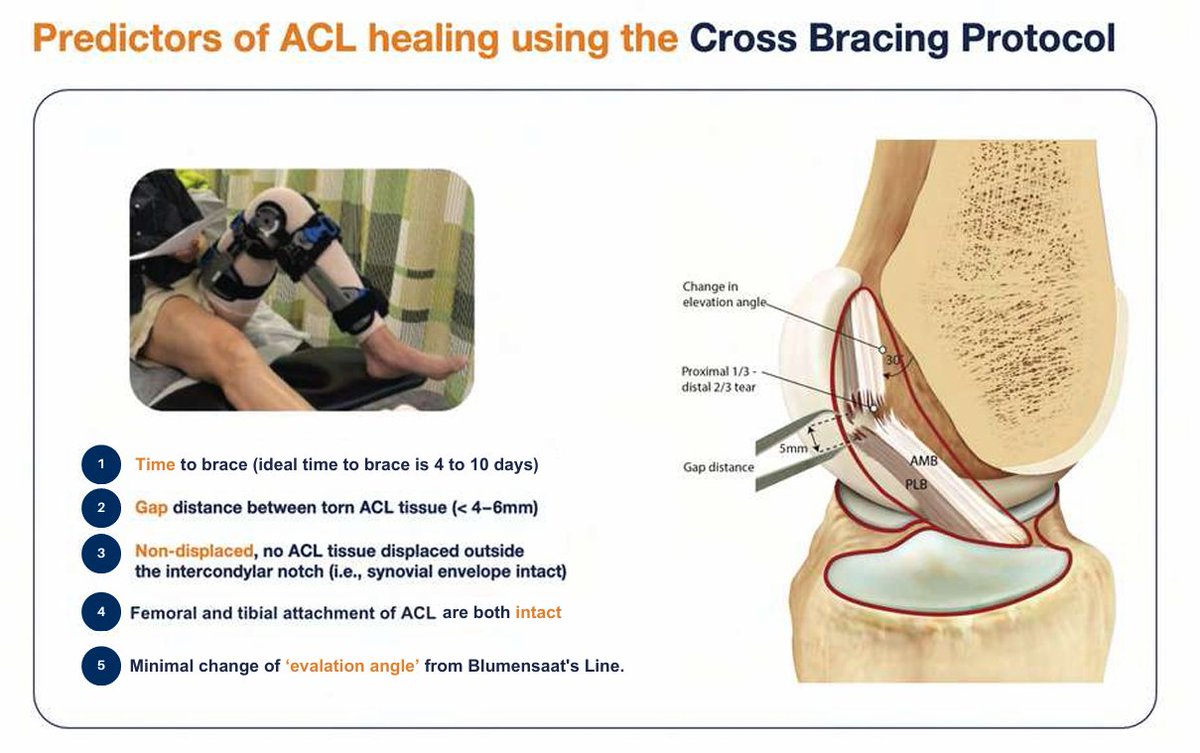
The cross bracing protocol for ACL injuries emphasizes early controlled range of motion and progressive loading to promote ligament healing without immediate surgery. By combining structured rehabilitation with targeted bracing, it offers select patients a nonoperative pathway to restore stability and function.
Read: https://t.co/fvost3A3aW
#SportsMedicine #Orthopedics #PhysicalTherapy #AthleticTraining #Rehab #InjuryPrevention #Physio #SportsInjury #SportsRehab #PhysioTherapy #Meded #ATC #FOAMed
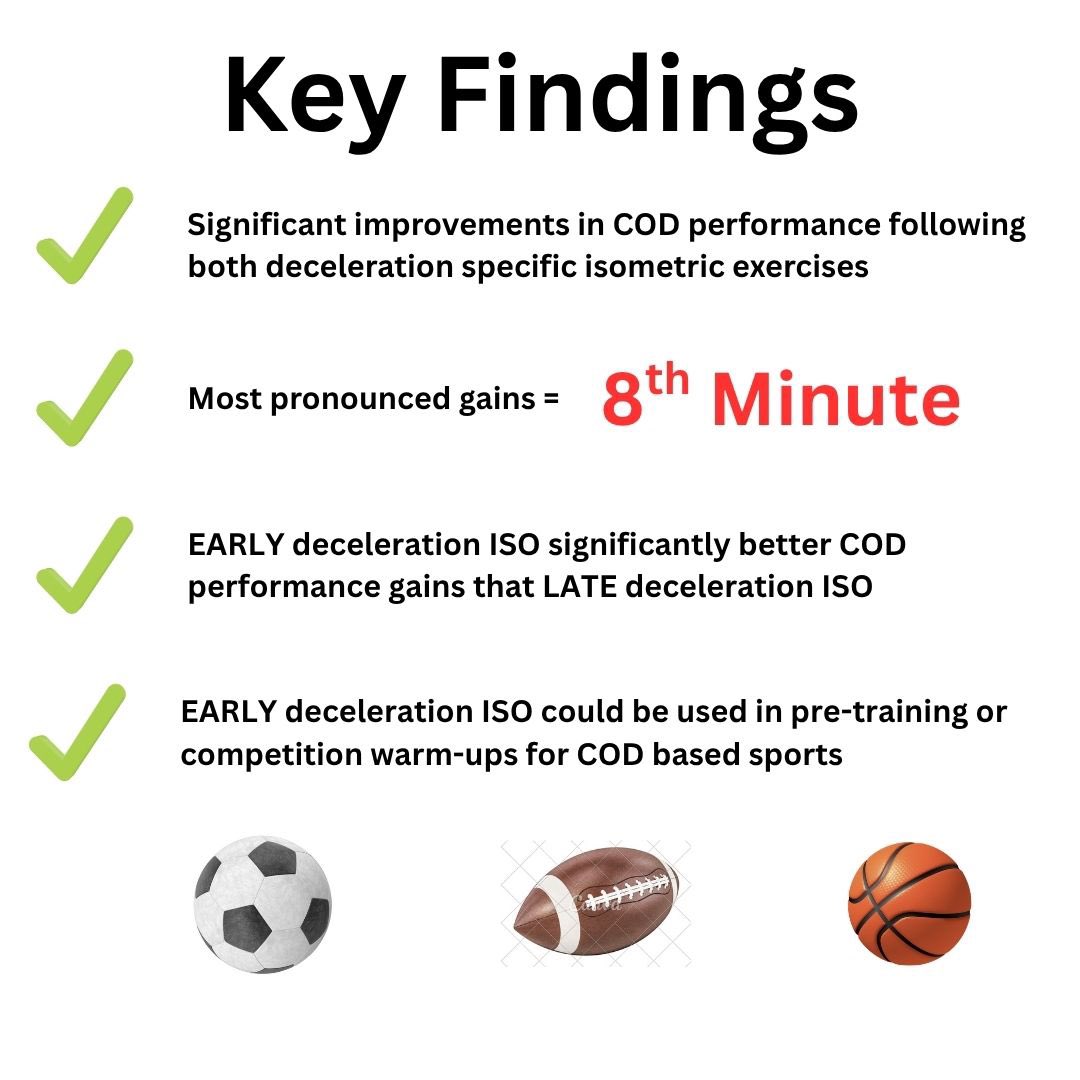
🚨 Just Published 🚨
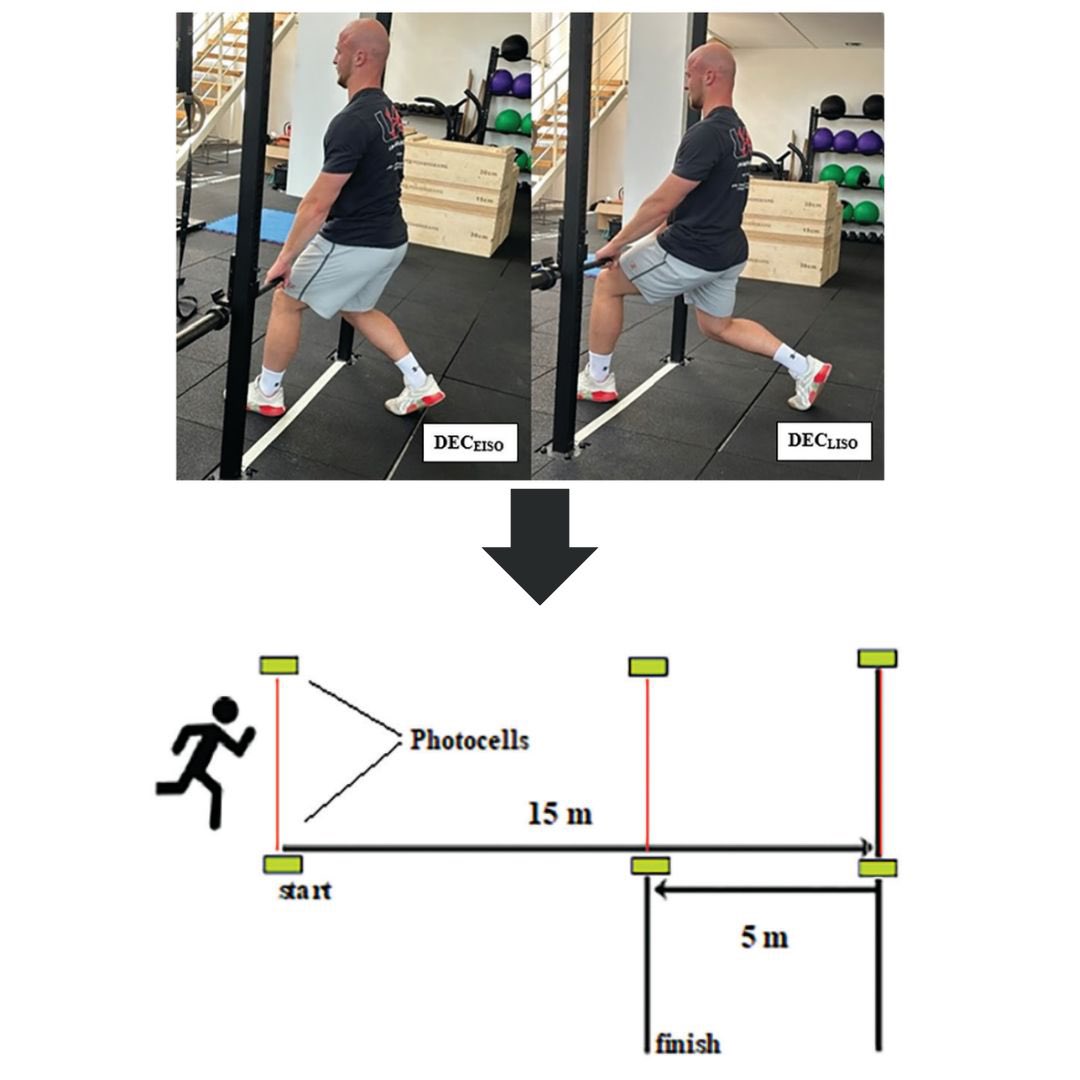
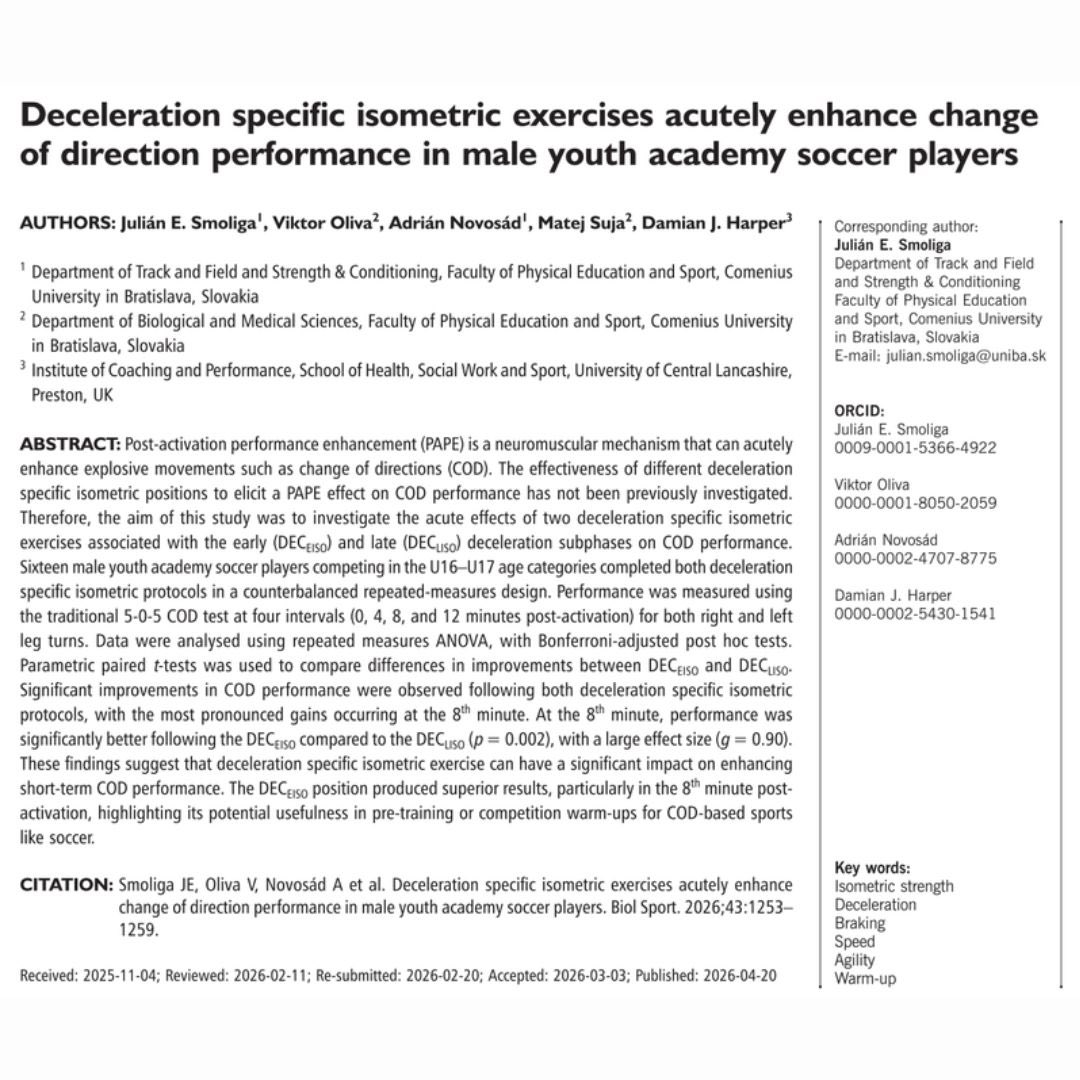
DECELERATION specific isometric exercises acutely enhance change of direction performance in academy ⚽️ players
✔️ 8th min most pronounced gains & with early DEC-ISO position
✔️ Application to pre-training or competition warm-ups for COD sports 🏈⚽️ 🏀👇
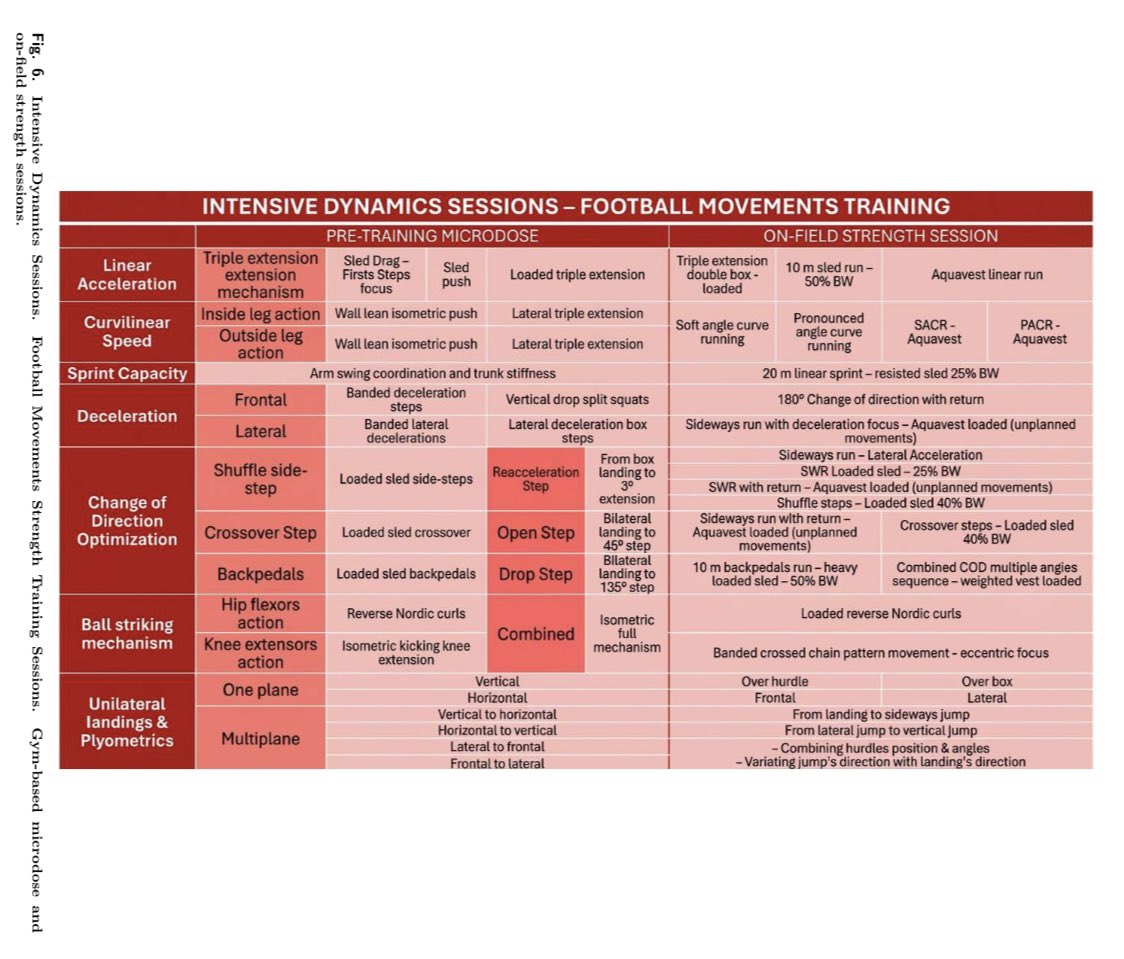
Really excited to get the possibility to share some insights and practical ideas about strength training and its periodization in women’s football. Thanks to @SportPerfSciR and its team of editors! ⚽️🏃🏼♀️📈📊🏋🏼♀️
Full link:
https://t.co/yR1WILq9ne
🔝"High-intensity running demands in terms of volume (HID, HSR, SprD) & intensity (HID-HSR-SprD/min) have steadily increased over the years in @premierleague ⚽️"
➡️ Then & now over the last decade
👉@tallen_5@MattTaberner et al. 2025 🏴
📂Open Access: https://t.co/GAjusNvEyk
ZONE 2 TRAINING: A WASTE OF TIME FOR PEOPLE WHO AREN'T RACING
A new analysis just torched the zone 2 hype. The conclusion? Current evidence doesn't support zone 2 as optimal for mitochondrial function or fat oxidation.
This matters because the biggest health influencers have been pushing zone 2 as some kind of metabolic sweet spot. Turns out the data doesn't back that up. Not for regular people, anyway.
Zone 2 gets defined as exercise where lactate stays under 2 millimoles per liter. That's the technical version. The practical version is the talk test: you can hold a conversation while moving.
The supposed benefits? Better mitochondria and improved fat burning. Two things worth caring about, sure. But zone 2 isn't the magic bullet people claim it is.
THE MITOCHONDRIAL MYTH
Proponents say zone 2 builds mitochondrial capacity better than anything else. The evidence says otherwise. When researchers looked at the actual signaling pathways that trigger mitochondrial growth, zone 2 barely registered.
Your cells need stress to adapt. Zone 2 doesn't provide enough stress. Not unless you're doing it for hours at a time, which most people aren't.
One study found meaningful cellular stress from zone 2 exercise. After two hours. If you've got two hours a week total for exercise, spending it all in zone 2 means you're leaving serious gains on the table.
High intensity work triggers stronger mitochondrial responses in less time. Multiple studies confirm this. A meta-analysis showed that for non-endurance athletes, zone 2 intensity didn't improve mitochondrial function at all.
High intensity training did.
THE FAT BURNING CONFUSION
What about fat oxidation? The research is thin. One study found zone 2 training increased maximum fat oxidation rates after a year. A year.
Other studies comparing intensities gave conflicting results. Some showed low intensity winning, others showed high intensity winning. A recent meta-analysis of 13 studies found both intensities improved fat oxidation equally.
So zone 2 isn't superior for fat burning either. At best, it's equivalent to higher intensities. At worst, it's a waste of time you could spend on training that delivers multiple benefits simultaneously.
THE REAL PAYOFF: VO2 MAX AND INTENSITY
Here's what actually matters for health and longevity: cardiorespiratory fitness. VO2 max measures how much oxygen your body can use during intense exercise.
It predicts mortality quite good, although it is debatable how influencers intepret the data. One study tracking heart disease patients for eight years found those with the best VO2 max scores had 84% lower mortality risk than those with the worst.
The link between VO2 max and mortality crushes the link between mitochondrial health and mortality. And guess what increases VO2 max most effectively?
High intensity exercise. Not zone 2.
SPRINT TRAINING: THE EFFICIENT ALTERNATIVE
You can trigger mitochondrial biogenesis with repeated sprint intervals. No need for hours of zone 2.
Sprint protocols work in multiple formats. Ten seconds on, fifty seconds off. Or work-to-rest ratios of one to four with maximum thirty-second work periods. These short bursts create the metabolic stress your body needs to adapt.
The beauty of sprint training? It improves mitochondrial function, increases VO2 max, and builds power. Three critical adaptations from one type of training.
Zone 2 can't match that efficiency. It only puts stress on your body.
Elite athletes do large volumes of zone 2 because they're already training twenty-plus hours a week.
They need low intensity work for recovery between their high intensity sessions. They're optimizing performance for competition.
That's not your goal.
Your goal is health and functionality. Different objectives require different strategies.
ZONE 2 CREATES STRESS TOO
Even low intensity exercise loads stress on your body. It takes time. It requires recovery. If you're spending four to six hours a week doing zone 2, that's four to six hours you're not spending on strength training or sprint work. Both deliver better returns for longevity and function.
Strength training builds muscle mass, which declines with age and predicts mortality independent of cardiovascular fitness. It improves insulin sensitivity. It strengthens bones. It makes daily tasks easier. Sprint training does all that plus maximizes cardiovascular adaptation in minimal time.
THE PRACTICAL REALITY
Most people struggle to find seventy-five minutes a week for vigorous exercise. The standard recommendation. If you've got limited time, zone 2 crowds out the training that matters most.
The analysis authors acknowledge this. When you're not an elite athlete with unlimited training time, you need to prioritize efficiency.
Focus on high intensity work done safely. Build up gradually to avoid injury. Include power training with heavier weights and explosive movements.
This combination delivers the mitochondrial benefits zone 2 supposedly provides, plus improvements in VO2 max, strength, and power that zone 2 can't touch.
If you've got extra time after hitting your high intensity targets, sure, add some zone 2. But for most people, that's a hypothetical. The reality is choosing between training methods. The data says choose intensity over duration.
FUNCTIONALITY OVER ENDURANCE
Can you sprint if you need to? This practical measure of fitness predicts independence in old age better than your ability to jog for an hour.
Zone 2 training makes sense for ambitious athletes preparing for endurance events. Cyclists, marathoners, triathletes. People who need to sustain moderate effort for hours.
If you're not racing, you don't need that adaptation. You need the ability to produce force quickly and recover from intense efforts. That comes from sprints and strength work, not steady-state cardio.
The zone 2 hype reflects a fundamental misunderstanding of how to translate elite athlete protocols to regular people optimizing for health.
Elite athletes optimize for performance within their sport. You're optimizing for longevity and function across all of life.
PMID: 40560504
⚽📊 Comparison of two procedures of the 90:20 isometric posterior chain
test regarding the detection of hamstring muscle fatigue in soccer
https://t.co/bdIb2e8PLb
Just published 🔥
The influence of body posture and added mass on intrinsic and extrinsic foot muscle activation and force output during common foot strengthening exercises
https://t.co/qi5c2Rb96A
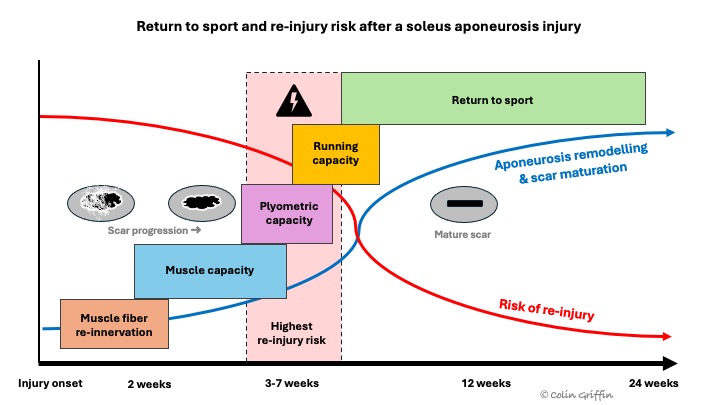
This graph sums up my thought process on rehab progression for soleus aponeurosis injuries (could be any muscle injury) and how we can be blindsided by re-injury risk.
This is a simplified framework, and timelines are broad to accommodate higher-grade injury classifications.
🧵
🚨🚨 NEW 🚨🚨 CONCEPTS⚙️
1- If you fix segments… you dont alow the body to express naturally during TESTING “ old school”
2- Deconstruct the movement (sprint) to understand leg interactions
3- Know player pelvic tilt and even better his Bfem-pelvis- contl iliops SYSTEM💣🔥
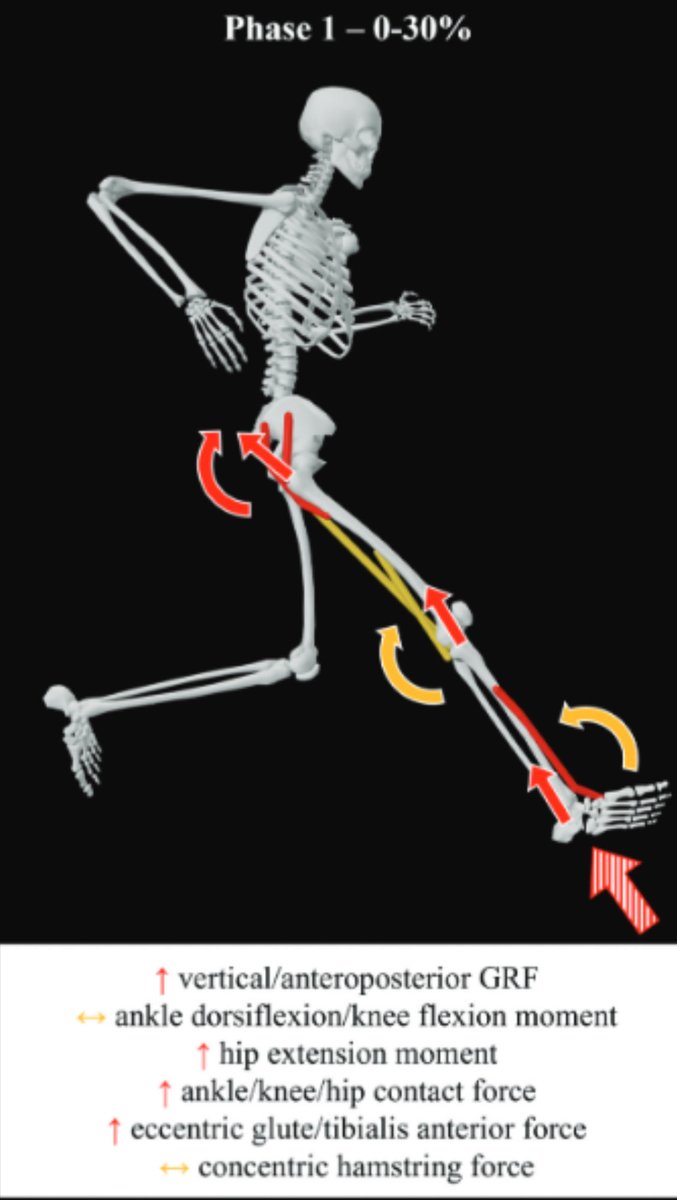
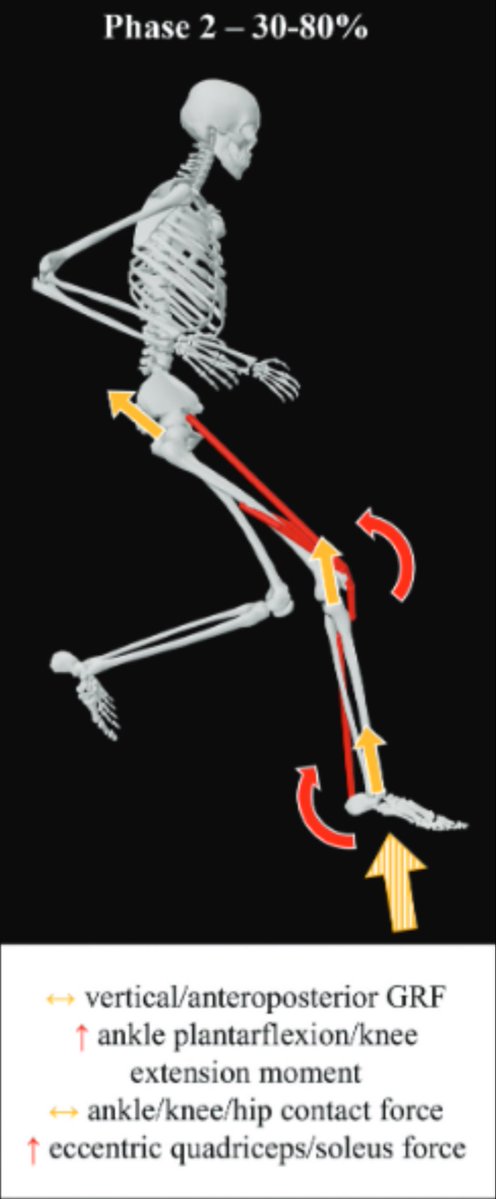
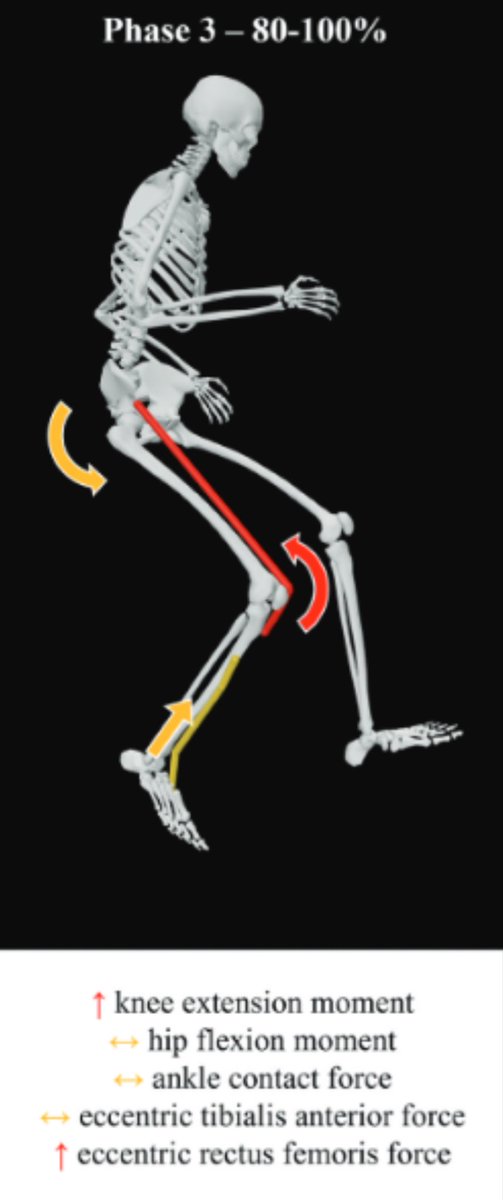
Forces experienced during horizontal DECELERATION ⚡️
Great to see the interest in this article - now hit 900 reads 📖
Download it open access here…
https://t.co/KAqZ1fZTsY
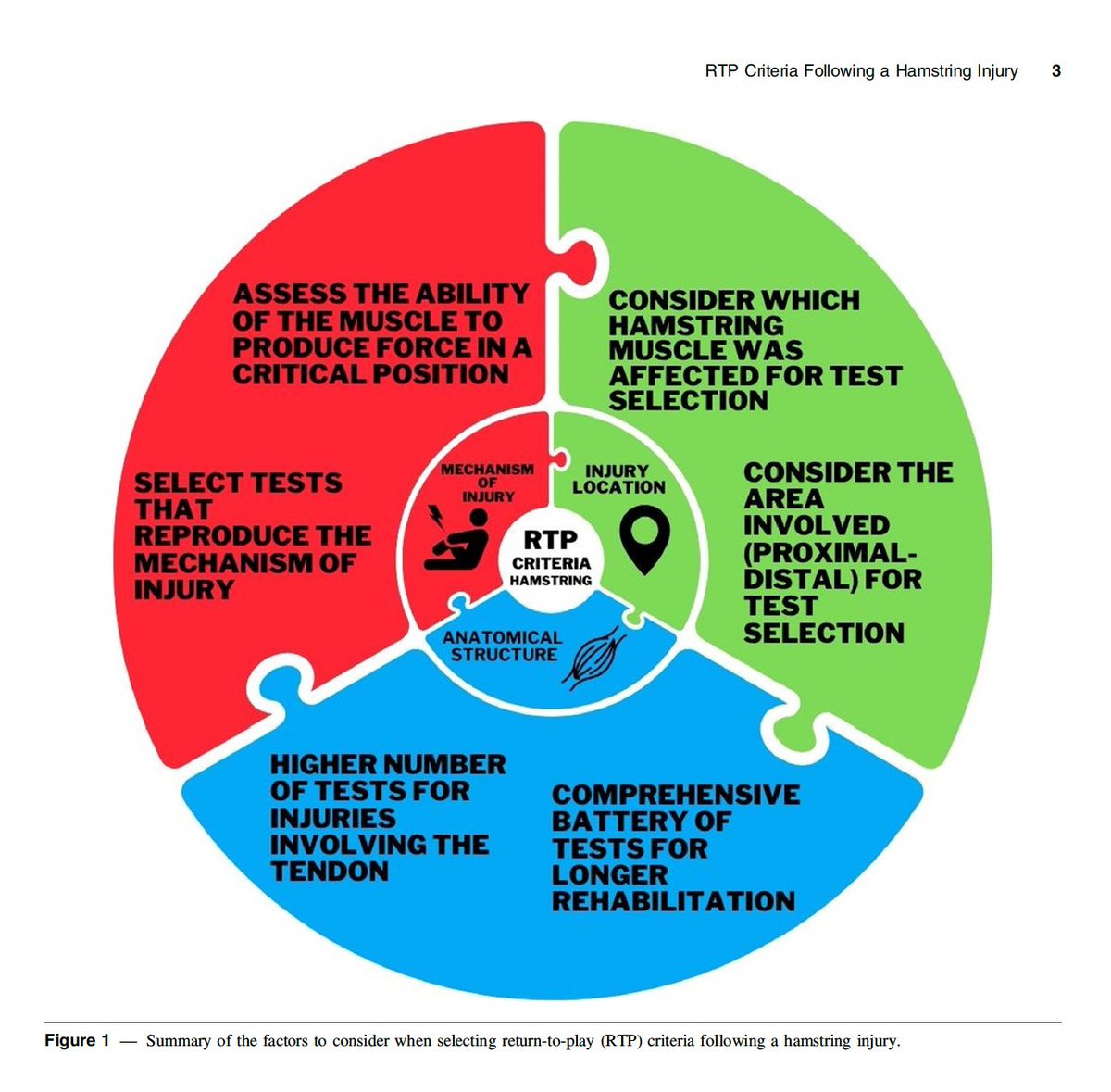
🆕"There is a need to revise how we assess RTP criteria for hamstring injuries to improve decision-making & help practitioners design the most suitable RTP protocols"
➡️Relevant issue in ⚽️
👉@paolop_physio@MarcoBeato1 et al, 2025 🇮🇹
📂Open Access: https://t.co/Ss9AKZhKT5